
What's inside
What's inside
 Key Ingredients
Benefits
Concerns
Ingredients Side-by-side
Water
Skin ConditioningCyclopentasiloxane
Emollient
Glycerin
Humectant



Polymethylsilsesquioxane
PEG-9 Polydimethylsiloxyethyl Dimethicone
Emulsifying
Caprylic/Capric Triglyceride
Masking
Caprylyl Methicone
Skin Conditioning
C13-15 Alkane
SolventSorbitan Isostearate
Emulsifying
Dimethicone
Emollient
Phenyl Trimethicone
Skin Conditioning
Acrylates/Stearyl Acrylate/Dimethicone Methacrylate Copolymer
Hydroxyethyl Urea
Humectant
Magnesium Sulfate
Aluminum Hydroxide
EmollientIsotridecyl Isononanoate
EmollientTriethyl Citrate
Masking
Cetyl PEG/PPG-10/1 Dimethicone
Emulsifying
Polypropylsilsesquioxane
Dimethicone Crosspolymer
Emulsion Stabilising
Quaternium-90 Bentonite
Triethoxycaprylylsilane
Sodium Benzoate
Masking
Parfum
Masking

Disteardimonium Hectorite
StabilisingPotassium Sorbate
Preservative
Polyhydroxystearic Acid
Emulsifying
Propylene Carbonate
SolventEthylhexyl Palmitate
Emollient

Isopropyl Myristate
Emollient
Isostearic Acid
Cleansing
Lecithin
Emollient
Propanediol
Solvent
Disodium EDTA
Polyglyceryl-3 Polyricinoleate
Emulsifying
Benzyl Salicylate
Perfuming

Hexyl Cinnamal
Perfuming
Limonene
Perfuming
Opuntia Ficus-Indica Stem Extract
Skin Conditioning
Hydroxycitronellal
Perfuming
Geraniol
Perfuming
Maltodextrin
Absorbent
Amyl Cinnamal
Perfuming
Linalool
Perfuming
Butylene Glycol
Humectant
Sodium Hyaluronate Crosspolymer
Humectant
Citric Acid
Buffering



Spiraea Ulmaria Extract
Astringent1,2-Hexanediol
Skin Conditioning
Hydrolyzed Glycosaminoglycans
HumectantSodium Hyaluronate
Humectant
Aloe Barbadensis Leaf Extract
Emollient
Butyrospermum Parkii Butter
Skin Conditioning
Glycyrrhiza Glabra Root Extract
Bleaching
Olea Europaea Fruit Oil
Masking
Persea Gratissima Oil
Skin Conditioning
Squalane
Emollient
Ulmus Davidiana Root Extract
Skin Conditioning
Mangifera Indica Seed Butter
Skin Conditioning
Helianthus Annuus Seed Oil
Emollient
Benzyl Glycol
SolventPanax Ginseng Root Extract
Emollient
Hydrolyzed Hyaluronic Acid
Humectant
Pentaerythrityl Tetra-Di-T-Butyl Hydroxyhydrocinnamate
Antioxidant
Ethylhexylglycerin
Skin ConditioningPhenoxyethanol
Preservative
Hyaluronic Acid
Humectant
Convallaria Majalis Bulb/Root Extract
Skin ConditioningLeontopodium Alpinum Flower/Leaf Extract
Skin ConditioningLilium Candidum Flower Extract
Skin ConditioningMagnolia Liliflora Flower Extract
Skin ConditioningPaeonia Lactiflora Root Extract
Skin ConditioningRaspberry Ketone
Masking
Tocopherol
Antioxidant
Tbhq
Antioxidant
Titanium Dioxide
Cosmetic Colorant

Iron Oxides
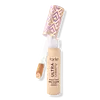
Water, Cyclopentasiloxane, Glycerin, Polymethylsilsesquioxane, PEG-9 Polydimethylsiloxyethyl Dimethicone, Caprylic/Capric Triglyceride, Caprylyl Methicone, C13-15 Alkane, Sorbitan Isostearate, Dimethicone, Phenyl Trimethicone, Acrylates/Stearyl Acrylate/Dimethicone Methacrylate Copolymer, Hydroxyethyl Urea, Magnesium Sulfate, Aluminum Hydroxide, Isotridecyl Isononanoate, Triethyl Citrate, Cetyl PEG/PPG-10/1 Dimethicone, Polypropylsilsesquioxane, Dimethicone Crosspolymer, Quaternium-90 Bentonite, Triethoxycaprylylsilane, Sodium Benzoate, Parfum, Disteardimonium Hectorite, Potassium Sorbate, Polyhydroxystearic Acid, Propylene Carbonate, Ethylhexyl Palmitate, Isopropyl Myristate, Isostearic Acid, Lecithin, Propanediol, Disodium EDTA, Polyglyceryl-3 Polyricinoleate, Benzyl Salicylate, Hexyl Cinnamal, Limonene, Opuntia Ficus-Indica Stem Extract, Hydroxycitronellal, Geraniol, Maltodextrin, Amyl Cinnamal, Linalool, Butylene Glycol, Sodium Hyaluronate Crosspolymer, Citric Acid, Spiraea Ulmaria Extract, 1,2-Hexanediol, Hydrolyzed Glycosaminoglycans, Sodium Hyaluronate, Aloe Barbadensis Leaf Extract, Butyrospermum Parkii Butter, Glycyrrhiza Glabra Root Extract, Olea Europaea Fruit Oil, Persea Gratissima Oil, Squalane, Ulmus Davidiana Root Extract, Mangifera Indica Seed Butter, Helianthus Annuus Seed Oil, Benzyl Glycol, Panax Ginseng Root Extract, Hydrolyzed Hyaluronic Acid, Pentaerythrityl Tetra-Di-T-Butyl Hydroxyhydrocinnamate, Ethylhexylglycerin, Phenoxyethanol, Hyaluronic Acid, Convallaria Majalis Bulb/Root Extract, Leontopodium Alpinum Flower/Leaf Extract, Lilium Candidum Flower Extract, Magnolia Liliflora Flower Extract, Paeonia Lactiflora Root Extract, Raspberry Ketone, Tocopherol, Tbhq, Titanium Dioxide, Iron Oxides
Caprylic/Capric Triglyceride
Masking
Phenyl Trimethicone
Skin Conditioning
C12-15 Alkyl Ethylhexanoate
EmollientOzokerite
Emulsion StabilisingMica
Cosmetic Colorant
Ceresin
Emulsion StabilisingEuphorbia Cerifera Wax
Synthetic Wax
Abrasive
Vp/Hexadecene Copolymer
Silica
Abrasive
Polyglyceryl-2 Triisostearate
Emulsifying
Cetyl PEG/PPG-10/1 Dimethicone
Emulsifying
Hydrogenated Poly(C6-14 Olefin)
EmollientPentylene Glycol
Skin ConditioningButyrospermum Parkii Butter
Skin Conditioning
Macadamia Ternifolia Seed Oil
Emollient
Mangifera Indica Seed Butter
Skin Conditioning
Diamond Powder
Abrasive
Persea Gratissima Oil
Skin Conditioning
Tocopheryl Acetate
Antioxidant
Tocopherol
Antioxidant
Sodium Hyaluronate
Humectant
1,2-Hexanediol
Skin Conditioning
Aluminum Hydroxide
EmollientWater
Skin ConditioningButylene Glycol
Humectant
Microcrystalline Wax
Emulsion Stabilising
Dimethicone
Emollient
Ethylhexylglycerin
Skin ConditioningGlycyrrhiza Glabra Root Extract
Bleaching
Hydrogenated Vegetable Oil
Emollient
Isostearyl Alcohol
Emollient
Lauryl PEG/PPG-18/18 Methicone
Skin Conditioning
Methicone
Emollient
Methyl Methacrylate Crosspolymer
Pentaerythrityl Tetra-Di-T-Butyl Hydroxyhydrocinnamate
Antioxidant
Triethoxycaprylylsilane
Ethylhexyl Methoxycinnamate
UV Absorber
Citric Acid
Buffering
Phenoxyethanol
Preservative
CI 77891
Cosmetic ColorantCI 77491
Cosmetic ColorantCI 77492
Cosmetic ColorantCI 77499
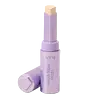
Cosmetic ColorantCaprylic/Capric Triglyceride, Phenyl Trimethicone, C12-15 Alkyl Ethylhexanoate, Ozokerite, Mica, Ceresin, Euphorbia Cerifera Wax, Synthetic Wax, Vp/Hexadecene Copolymer, Silica, Polyglyceryl-2 Triisostearate, Cetyl PEG/PPG-10/1 Dimethicone, Hydrogenated Poly(C6-14 Olefin), Pentylene Glycol, Butyrospermum Parkii Butter, Macadamia Ternifolia Seed Oil, Mangifera Indica Seed Butter, Diamond Powder, Persea Gratissima Oil, Tocopheryl Acetate, Tocopherol, Sodium Hyaluronate, 1,2-Hexanediol, Aluminum Hydroxide, Water, Butylene Glycol, Microcrystalline Wax, Dimethicone, Ethylhexylglycerin, Glycyrrhiza Glabra Root Extract, Hydrogenated Vegetable Oil, Isostearyl Alcohol, Lauryl PEG/PPG-18/18 Methicone, Methicone, Methyl Methacrylate Crosspolymer, Pentaerythrityl Tetra-Di-T-Butyl Hydroxyhydrocinnamate, Triethoxycaprylylsilane, Ethylhexyl Methoxycinnamate, Citric Acid, Phenoxyethanol, CI 77891, CI 77491, CI 77492, CI 77499
Reviews
Ingredients Explained
These ingredients are found in both products.
Ingredients higher up in an ingredient list are typically present in a larger amount.
1,2-Hexanediol is a synthetic liquid and another multi-functional powerhouse.
It is a:
- Humectant, drawing moisture into the skin
- Emollient, helping to soften skin
- Solvent, dispersing and stabilizing formulas
- Preservative booster, enhancing the antimicrobial activity of other preservatives
Aluminum Hydroxide is a form of aluminum. It can be naturally found in nature as the mineral gibbsite. In cosmetics, Aluminum Hydroxide is used as a colorant, pH adjuster, and absorbent.
As a colorant, Aluminum Hydroxide may add opacity, or reduce the transparency. Aluminum hydroxide is contains both basic and acidic properties.
According to manufacturers, this ingredient is an emollient and humectant. This means it helps hydrate the skin.
In medicine, this ingredient is used to help relieve heartburn and help heal ulcers.
There is currently no credible scientific evidence linking aluminum hydroxide in cosmetics to increased cancer risk.
Major health organizations allow the use of aluminum hydroxide in personal care products and have not flagged it as a carcinogenic risk at typical usage levels.
Learn more about Aluminum HydroxideButylene Glycol (or BG) is used within cosmetic products for a few different reasons:
Overall, Butylene Glycol is a safe and well-rounded ingredient that works well with other ingredients.
Though this ingredient works well with most skin types, some people with sensitive skin may experience a reaction such as allergic rashes, closed comedones, or itchiness.
Learn more about Butylene GlycolThis ingredient is also known as shea butter. It is an effective skin hydrator and emollient.
Emollients help soothe and soften your skin. It does this by creating a protective film on your skin. This barrier helps trap moisture and keeps your skin hydrated. Emollients may be effective at treating dry or itchy skin.
Shea butter is rich in antioxidants. Antioxidants help fight free-radicals, or molecules that may harm the body. It is also full of fatty acids including stearic acid and linoleic acid. These acids help replenish the skin and keep skin moisturized.
While Shea Butter has an SPF rating of about 3-4, it is not a sunscreen replacement.
Shea butter may not be fungal acne safe. We recommend speaking with a professional if you have any concerns.
Learn more about Butyrospermum Parkii ButterThis ingredient is an emollient, solvent, and texture enhancer. It is considered a skin-softener by helping the skin prevent moisture loss.
It helps thicken a product's formula and makes it easier to spread by dissolving clumping compounds.
Caprylic Triglyceride is made by combining glycerin with coconut oil, forming a clear liquid.
While there is an assumption Caprylic Triglyceride can clog pores due to it being derived from coconut oil, there is no research supporting this.
Learn more about Caprylic/Capric TriglycerideThis ingredient is a high molecular weight silicone. It has emulsifying and skin conditioning properties.
Citric Acid is an alpha hydroxy acid (AHA) naturally found in citrus fruits like oranges, lemons, and limes.
Like other AHAs, citric acid can exfoliate skin by breaking down the bonds that hold dead skin cells together. This helps reveal smoother and brighter skin underneath.
However, this exfoliating effect only happens at high concentrations (20%) which can be hard to find in cosmetic products.
Due to this, citric acid is usually included in small amounts as a pH adjuster. This helps keep products slightly more acidic and compatible with skin's natural pH.
In skincare formulas, citric acid can:
While it can provide some skin benefits, research shows lactic acid and glycolic acid are generally more effective and less irritating exfoliants.
Most citric acid used in skincare today is made by fermenting sugars (usually from molasses). This synthetic version is identical to the natural citrus form but easier to stabilize and use in formulations.
Read more about some other popular AHA's here:
Learn more about Citric AcidDimethicone is a type of synthetic silicone created from natural materials such as quartz.
What it does:
Dimethicone comes in different viscosities:
Depending on the viscosity, dimethicone has different properties.
Ingredients lists don't always show which type is used, so we recommend reaching out to the brand if you have questions about the viscosity.
This ingredient is unlikely to cause irritation because it does not get absorbed into skin. However, people with silicone allergies should be careful about using this ingredient.
Note: Dimethicone may contribute to pilling. This is because it is not oil or water soluble, so pilling may occur when layered with products. When mixed with heavy oils in a formula, the outcome is also quite greasy.
Learn more about DimethiconeEthylhexylglycerin (we can't pronounce this either) is commonly used as a preservative and skin softener. It is derived from glyceryl.
You might see Ethylhexylglycerin often paired with other preservatives such as phenoxyethanol. Ethylhexylglycerin has been found to increase the effectiveness of these other preservatives.
Glycyrrhiza Glabra Root Extract is an extract of the roots of Licorice. It has been found to have several benefits such as skin hydrating, conditioning, and soothing.
One component, glabridin, has extra potent antioxidant and soothing properties. It has also been found to block pigmentation from UVB rays in guinea pigs.
Licorice Root also contains a flavonoid. Flavonoids are a natural substance from in plants. Flavonoids also have antioxidant properties.
Another component, glycyrrhizin, has been found to have anti-inflammatory and antimicrobial benefits. This may make licorice root extract effective at treating acne. However, more research is needed to support this.
Liquiritin is one of the flavone compounds found in licorice. It has been found to help lighten skin by preventing tyrosinase from reacting with tyrosine. When the two react, protein is converted to melanin. Melanin is the substance in your body that gives your features pigmentation.
Learn more about Glycyrrhiza Glabra Root ExtractMangifera Indica Seed Butter isn't fungal acne safe.
Pentaerythrityl Tetra-Di-T-Butyl Hydroxyhydrocinnamate (long name, huh?) is a synthetic antioxidant.
It is used to help stabilize other antioxidants or prevent the color from changing in a product.
As an antioxidant, it helps fight free-radical molecules. Free-radical molecules are capable of damaging our cells and other genetic material. Thus, antioxidants may reduce the signs of aging.
This ingredient is oil-soluble.
Learn more about Pentaerythrityl Tetra-Di-T-Butyl HydroxyhydrocinnamatePersea Gratissima Oil is also known as avocado oil.
Avocado Oil has antioxidant properties. It is mostly made up of the glycerides of fatty acids. About 67% of these fatty acids is made up of oleic acid. Palmitic acid and linoleic acid are also present.
These fatty acids help hydrate and soften the skin. It may increase collagen content in the skin. Collagen helps keep your skin plump and firm. This ingredient helps reduce inflammation and has not shown to clog pores.
This ingredient may not be fungal-acne safe due to its high fatty acid content.
Avocados also have B vitamins, vitamin K, vitamin C, vitamin E, and potassium.
Learn more about Persea Gratissima OilPhenoxyethanol is a preservative that has germicide, antimicrobial, and aromatic properties. Studies show that phenoxyethanol can prevent microbial growth. By itself, it has a scent that is similar to that of a rose.
It's often used in formulations along with Caprylyl Glycol to preserve the shelf life of products.
Phenyl Trimethicone is a silicon-based polymer. It is derived from silica.
Phenyl Trimethicone is used as an emollient and prevents products from foaming.
As an emollient, it helps trap moisture in the skin. It is considered an occlusive.
Learn more about Phenyl TrimethiconeSodium Hyaluronate is hyaluronic acid's salt form. It is commonly derived from the sodium salt of hyaluronic acid.
Like hyaluronic acid, it is great at holding water and acts as a humectant. This makes it a great skin hydrating ingredient.
Sodium Hyaluronate is naturally occurring in our bodies and is mostly found in eye fluid and joints.
These are some other common types of Hyaluronic Acid:
Learn more about Sodium HyaluronateTocopherol (also known as Vitamin E) is a common antioxidant used to help protect the skin from free-radicals and strengthen the skin barrier. It's also fat soluble - this means our skin is great at absorbing it.
Vitamin E also helps keep your natural skin lipids healthy. Your lipid skin barrier naturally consists of lipids, ceramides, and fatty acids. Vitamin E offers extra protection for your skin’s lipid barrier, keeping your skin healthy and nourished.
Another benefit is a bit of UV protection. Vitamin E helps reduce the damage caused by UVB rays. (It should not replace your sunscreen). Combining it with Vitamin C can decrease sunburned cells and hyperpigmentation after UV exposure.
You might have noticed Vitamin E + C often paired together. This is because it is great at stabilizing Vitamin C. Using the two together helps increase the effectiveness of both ingredients.
There are often claims that Vitamin E can reduce/prevent scarring, but these claims haven't been confirmed by scientific research.
Learn more about TocopherolTriethoxycaprylylsilane is a silicone used to bind and stabilize ingredients.
As an emulsifier, it helps prevent ingredients from separating. This can help elongate the shelf life of products.
Triethoxycaprylylsilane is often used to coat mineral sunscreens ingredients to help give a better feel. It also helps reduce oxidative stress in sunscreens.
Learn more about TriethoxycaprylylsilaneWater. It's the most common cosmetic ingredient of all. You'll usually see it at the top of ingredient lists, meaning that it makes up the largest part of the product.
So why is it so popular? Water most often acts as a solvent - this means that it helps dissolve other ingredients into the formulation.
You'll also recognize water as that liquid we all need to stay alive. If you see this, drink a glass of water. Stay hydrated!
Learn more about Water
