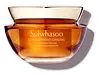
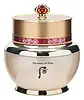
Sulwhasoo Concentrated Ginseng Renewing Cream Versus The History of Whoo Bichup Royal Anti-Aging Cream
This anti-aging moisturizer is formulated around Squalane and Panax Ginseng Root Extract to soften the look of wrinkles and hydrate skin.
This anti-aging moisturizer is formulated around Squalane and Panax Ginseng Root Extract to soften the look of wrinkles and hydrate skin.

What's inside
What's inside
 Key Ingredients
Benefits
Concerns
Ingredients Side-by-side
Water
Skin ConditioningButylene Glycol
Humectant

Dimethicone
Emollient

Glycerin
Humectant
Triethylhexanoin
MaskingSqualane
Emollient
Hydrogenated Polyisobutene
Emollient1,2-Hexanediol
Skin Conditioning
Vinyl Dimethicone/Methicone Silsesquioxane Crosspolymer

Hydroxyethyl Acrylate/Sodium Acryloyldimethyl Taurate Copolymer
Emulsion StabilisingCetearyl Olivate


Cetearyl Alcohol
Emollient




Methoxy PEG-114/Polyepsilon Caprolactone
BufferingSorbitan Olivate
Emulsifying
Glyceryl Stearate
Emollient
Stearic Acid
Cleansing
Palmitic Acid
Emollient
Arachidyl Alcohol
Emollient
Behenyl Alcohol
Emollient
Parfum
Masking


Hydrolyzed Ginseng Saponins
Skin ConditioningGlyceryl Caprylate
EmollientArachidyl Glucoside
EmulsifyingPhenoxyethanol
Preservative
Sorbitan Isostearate
Emulsifying
Polysorbate 60
Emulsifying
Ethylhexylglycerin
Skin ConditioningDisodium EDTA
Sodium Stearoyl Glutamate
CleansingLinalool
Perfuming
Panax Ginseng Root Extract
Emollient

Dextrin
AbsorbentTheobroma Cacao Extract
Skin ConditioningSodium Chloride
MaskingHoney
Humectant
Limonene
Perfuming
Hydrogenated Lecithin
Emulsifying
Rehmannia Glutinosa Root Extract
Skin ConditioningPanax Ginseng Flower Extract
Antioxidant
Paeonia Lactiflora Root Extract
Skin ConditioningLilium Candidum Bulb Extract
Skin ConditioningPolygonatum Odoratum Rhizome Extract
Skin ConditioningMyristic Acid
Cleansing
Arachidic Acid
Cleansing
Glucose
Humectant
Nelumbo Nucifera Flower Extract
Skin ConditioningPhytosphingosine
Skin Conditioning
Sodium Polyaspartate
HumectantCaprylyl Glycol
Emollient
Tocopherol
Antioxidant


Sodium Methyl Stearoyl Taurate
CleansingAcetyl Heptapeptide-4
Humectant
Acetyl Hexapeptide-8
Humectant
Sodium Hydroxide
BufferingAcetyl Octapeptide-3
Humectant
Water, Butylene Glycol, Dimethicone, Glycerin, Triethylhexanoin, Squalane, Hydrogenated Polyisobutene, 1,2-Hexanediol, Vinyl Dimethicone/Methicone Silsesquioxane Crosspolymer, Hydroxyethyl Acrylate/Sodium Acryloyldimethyl Taurate Copolymer, Cetearyl Olivate, Cetearyl Alcohol, Methoxy PEG-114/Polyepsilon Caprolactone, Sorbitan Olivate, Glyceryl Stearate, Stearic Acid, Palmitic Acid, Arachidyl Alcohol, Behenyl Alcohol, Parfum, Hydrolyzed Ginseng Saponins, Glyceryl Caprylate, Arachidyl Glucoside, Phenoxyethanol, Sorbitan Isostearate, Polysorbate 60, Ethylhexylglycerin, Disodium EDTA, Sodium Stearoyl Glutamate, Linalool, Panax Ginseng Root Extract, Dextrin, Theobroma Cacao Extract, Sodium Chloride, Honey, Limonene, Hydrogenated Lecithin, Rehmannia Glutinosa Root Extract, Panax Ginseng Flower Extract, Paeonia Lactiflora Root Extract, Lilium Candidum Bulb Extract, Polygonatum Odoratum Rhizome Extract, Myristic Acid, Arachidic Acid, Glucose, Nelumbo Nucifera Flower Extract, Phytosphingosine, Sodium Polyaspartate, Caprylyl Glycol, Tocopherol, Sodium Methyl Stearoyl Taurate, Acetyl Heptapeptide-4, Acetyl Hexapeptide-8, Sodium Hydroxide, Acetyl Octapeptide-3
Water
Skin ConditioningGlycerin
Humectant
Dipropylene Glycol
HumectantSqualane
Emollient
Isostearyl Isostearate
Emollient
Cyclopentasiloxane
Emollient
Butylene Glycol
Humectant
Dimethicone
Emollient
Sucrose Polystearate
EmollientAlgae Extract
Emollient
Glyceryl Stearate
Emollient
1,2-Hexanediol
Skin Conditioning
Caprylic/Capric Triglyceride
Masking
Panthenol
Skin Conditioning
Perfluorononylethyl Stearyl Dimethicone
Skin Conditioning
PEG-100 Stearate
Surfactant
Velvet Extract
HumectantCetearyl Alcohol
Emollient
C14-22 Alcohols
Emulsion Stabilising
Dimethicone/PEG-10/15 Crosspolymer
Phytosteryl/Octyldodecyl Lauroyl Glutamate
Skin ConditioningStearic Acid
Cleansing
Cordyceps Sinensis Extract
Antioxidant
Hydrolyzed Collagen
Emollient
Panax Ginseng Root Extract
Emollient
Polyacrylate-13
Ophiopogon Japonicus Root Extract
Skin ConditioningHydrogenated Lecithin
Emulsifying
Hydrogenated Polyisobutene
EmollientCedrol
EmollientTriethylhexanoin
MaskingMacadamia Ternifolia Seed Oil
Emollient
Rehmannia Glutinosa Root Extract
Skin ConditioningAngelica Acutiloba Root Extract
Skin ConditioningCornus Officinalis Fruit Extract
Skin ConditioningThymus Vulgaris Extract
Perfuming
Ceramide NP
Skin Conditioning
Arachidyl Glucoside
EmulsifyingButyrospermum Parkii Butter
Skin Conditioning
Hydroxyethylpiperazine Ethane Sulfonic Acid
BufferingPolyisobutene
Parfum
Masking
Dioscorea Japonica Root Extract
Skin Conditioning
Glycyrrhiza Glabra Root Extract
Bleaching
Lauryl PEG-9 Polydimethylsiloxyethyl Dimethicone
Skin Conditioning
Typha Angustifolia Spike Extract
Skin ConditioningDimethicone/Vinyl Dimethicone Crosspolymer
Skin Conditioning
Sodium Hyaluronate
Humectant
Cinnamomum Cassia Bark Extract
Masking
Paeonia Albiflora Root Extract
Skin ConditioningEclipta Prostrata Extract
Skin Conditioning
Mica
Cosmetic ColorantCI 77891
Cosmetic ColorantScutellaria Baicalensis Root Extract
Astringent
Atractylodes Japonica Rhizome Extract
Skin ConditioningSaposhnikovia Divaricata Root Extract
AntimicrobialZingiber Officinale Root Extract
Masking
Zizyphus Jujuba Fruit Extract
Glycereth-20
HumectantSodium Polyacrylate
Absorbent
Polysorbate 20
Emulsifying
Cholesterol
Emollient
Angelica Gigas Root Extract
Skin ConditioningCarbomer
Emulsion StabilisingTromethamine
BufferingPEG-10 Rapeseed Sterol
CleansingPoria Cocos Extract
Skin ConditioningTrisodium EDTA
Melia Azadirachta Leaf Extract
Skin ConditioningCI 77491
Cosmetic ColorantTheobroma Cacao Extract
Skin ConditioningHydrogenated Polydecene
EmollientPotassium C12-13 Alkyl Phosphate
SurfactantMoringa Oleifera Seed Oil
Emollient
Ceramide Ng
Skin Conditioning
Phytosphingosine
Skin Conditioning
Coptis Chinensis Root Extract
Antioxidant
Arbutin
Antioxidant
Oligopeptide-1
Skin Conditioning
Oligopeptide-4
Skin Conditioning
Acetyl Hexapeptide-8
Humectant
Copper Tripeptide-1
Skin Conditioning
Hydrolyzed Soy Protein
Humectant
Oligopeptide-2
Skin Conditioning
Histidine Hcl
Skin ConditioningArginine
Masking
Lysine
Skin ConditioningValine
MaskingThreonine
Leucine
Skin ConditioningMethionine
Skin ConditioningIsoleucine
Skin ConditioningPhenylalanine
Masking
Tyrosine
MaskingInositol
Humectant
Cystine
MaskingTryptophan
MaskingFolic Acid
Skin ConditioningNiacinamide
Smoothing


Pyridoxine Hcl
Skin ConditioningThiamine Hcl
MaskingCalcium Pantothenate
Biotin
AntiseborrhoeicRiboflavin
Cosmetic ColorantCyanocobalamin
Skin ConditioningWater, Glycerin, Dipropylene Glycol, Squalane, Isostearyl Isostearate, Cyclopentasiloxane, Butylene Glycol, Dimethicone, Sucrose Polystearate, Algae Extract, Glyceryl Stearate, 1,2-Hexanediol, Caprylic/Capric Triglyceride, Panthenol, Perfluorononylethyl Stearyl Dimethicone, PEG-100 Stearate, Velvet Extract, Cetearyl Alcohol, C14-22 Alcohols, Dimethicone/PEG-10/15 Crosspolymer, Phytosteryl/Octyldodecyl Lauroyl Glutamate, Stearic Acid, Cordyceps Sinensis Extract, Hydrolyzed Collagen, Panax Ginseng Root Extract, Polyacrylate-13, Ophiopogon Japonicus Root Extract, Hydrogenated Lecithin, Hydrogenated Polyisobutene, Cedrol, Triethylhexanoin, Macadamia Ternifolia Seed Oil, Rehmannia Glutinosa Root Extract, Angelica Acutiloba Root Extract, Cornus Officinalis Fruit Extract, Thymus Vulgaris Extract, Ceramide NP, Arachidyl Glucoside, Butyrospermum Parkii Butter, Hydroxyethylpiperazine Ethane Sulfonic Acid, Polyisobutene, Parfum, Dioscorea Japonica Root Extract, Glycyrrhiza Glabra Root Extract, Lauryl PEG-9 Polydimethylsiloxyethyl Dimethicone, Typha Angustifolia Spike Extract, Dimethicone/Vinyl Dimethicone Crosspolymer, Sodium Hyaluronate, Cinnamomum Cassia Bark Extract, Paeonia Albiflora Root Extract, Eclipta Prostrata Extract, Mica, CI 77891, Scutellaria Baicalensis Root Extract, Atractylodes Japonica Rhizome Extract, Saposhnikovia Divaricata Root Extract, Zingiber Officinale Root Extract, Zizyphus Jujuba Fruit Extract, Glycereth-20, Sodium Polyacrylate, Polysorbate 20, Cholesterol, Angelica Gigas Root Extract, Carbomer, Tromethamine, PEG-10 Rapeseed Sterol, Poria Cocos Extract, Trisodium EDTA, Melia Azadirachta Leaf Extract, CI 77491, Theobroma Cacao Extract, Hydrogenated Polydecene, Potassium C12-13 Alkyl Phosphate, Moringa Oleifera Seed Oil, Ceramide Ng, Phytosphingosine, Coptis Chinensis Root Extract, Arbutin, Oligopeptide-1, Oligopeptide-4, Acetyl Hexapeptide-8, Copper Tripeptide-1, Hydrolyzed Soy Protein, Oligopeptide-2, Histidine Hcl, Arginine, Lysine, Valine, Threonine, Leucine, Methionine, Isoleucine, Phenylalanine, Tyrosine, Inositol, Cystine, Tryptophan, Folic Acid, Niacinamide, Pyridoxine Hcl, Thiamine Hcl, Calcium Pantothenate, Biotin, Riboflavin, Cyanocobalamin
Ingredients Explained
These ingredients are found in both products.
Ingredients higher up in an ingredient list are typically present in a larger amount.
1,2-Hexanediol is a synthetic liquid and another multi-functional powerhouse.
It is a:
- Humectant, drawing moisture into the skin
- Emollient, helping to soften skin
- Solvent, dispersing and stabilizing formulas
- Preservative booster, enhancing the antimicrobial activity of other preservatives
Acetyl Hexapeptide-8 (also known as Argireline) is a synthetic hexapeptide that is often called a "topical Botox alternative".
It works by mimicking how Botox relaxes muscles; it interferes with the signaling process that tells your facial muscles to contract. This can help soften expression lines like forehead wrinkles or crow's feet over time.
The comparison to Botox does have limits because the molecule is water-loving and relatively large.
Acetyl Hexapeptide-8 has a hard time absorbing deeply enough through the skin's outer barrier to actually reach the muscles.
So whether it truly works the way Botox does at a biological level is still up for debate, but early clinical outcomes are fairly encouraging.
A 12 week human study of a multi-ingredient regimen containing this ingredient saw:
While some studies have observed improvements in wrinkle appearance, it is important to note that more consistent results are seen in multi-ingredient formulations (vs just Acetyl Hexapeptide-8 alone).
Some research studies also used higher concentrations (up to 10%) while this ingredient is usually found in concentrations up to 0.005% in leave-on formulations.
Learn more about Acetyl Hexapeptide-8This ingredient is a plant-based surfactant and emulsifier. It helps oil and water based ingredients mix evenly to improve formula stability without adding a "greasy" feel.
Butylene Glycol (or BG) is used within cosmetic products for a few different reasons:
Overall, Butylene Glycol is a safe and well-rounded ingredient that works well with other ingredients.
Though this ingredient works well with most skin types, some people with sensitive skin may experience a reaction such as allergic rashes, closed comedones, or itchiness.
Learn more about Butylene GlycolCetearyl alcohol is a waxy mixture of two fatty alcohols: cetyl alcohol and stearyl alcohol. It is an emollient and emulsifier.
Despite having "alcohol" in its name, it has nothing to do with drying solvent alcohols; the FDA also allows "alcohol-free" products to contain fatty alcohols like this ingredient.
It plays several roles in a formula:
Typical use levels for this ingredient sit around 1-10% and the Cosmetic Ingredient Review Expert Panel has affirmed safety at concentrations up to 25% in leave-on products.
Multiple assessments have found it to be non-irritating and non-sensitizing to most people.
However, there have been some cases of allergic contact dermatitis in patients with chronically compromised skin barriers.
Cetearyl alcohol has a comedogenic rating of 2 and irritancy rating of 1. Both of these numbers come from the 1989 study that used rabbit ears; a "2" means mildly comedogenic and a "1" means low irritancy.
Here's the catch: rabbit skin is more sensitive than human skin and throws a lot of false positives. A 1996 reappraisal found that ingredients rated 1-2 in the rabbit ear tests are generally safe for humans.
Remember comedogenic ratings are unable to assess the entire formula of a product or how it will react on your skin. Just be sure to patch test if you are unsure about certain ingredients.
This ingredient is not fungal acne safe. Cetearyl alcohol is a fatty alcohol with chain lengths that fall within the range that Malassezia can metabolize.
A 2019 study has also observed Malassezia growth in the presence of this ingredient, confirming it to be not-fungal acne safe.
Learn more about Cetearyl AlcoholDimethicone is a type of synthetic silicone created from natural materials such as quartz. It is also known as polydimethylsiloxane.
What it does:
Dimethicone comes in different viscosities:
Depending on the viscosity, dimethicone has different properties.
Ingredients lists don't always show which type is used, so we recommend reaching out to the brand if you have questions about the viscosity.
This ingredient is unlikely to cause irritation because it does not get absorbed into skin. However, people with silicone allergies should be careful about using this ingredient.
Note: Dimethicone may contribute to pilling. This is because it is not oil or water soluble, so pilling may occur when layered with products. When mixed with heavy oils in a formula, the outcome is also quite greasy.
Learn more about DimethiconeGlycerin (or glycerol) is a compound naturally found in your skin. It's a powerhouse humectant that pulls water into the stratum corneum.
Topically, glycerin does several things at once:
Your skin makes glycerin on its own (mostly from sebaceous oil breakdown) and shuttles it to your outermost layer of skin, or your epidermis, via aquaporin-3.
Aquaporin-3 is a transporter that is essential for normal skin hydration, elasticity, and repair. Interestingly, mice lacking in AQP3 have dry and less elastic skin that can be fully corrected with glycerin.
This ingredient is non-irritating, plays well with almost every ingredient, and works across all skin types. Typical use is anywhere between 3-10% but can go up to 79% in some leave-on products.
Just know very high concentrations (>40%) can feel tacky in low humidity.
Glycerin is the name for this ingredient in American English. British English uses Glycerol/Glycerine.
Learn more about GlycerinGlyceryl Stearate is made by reacting glycerin with stearic acid (typically sourced from plant oils like palm or coconut). It's an emulsifier, emollient, and mild occlusive.
Emulsifiers help ingredients like oil and water stay mixed so your formula stays nicely blended and uniform in texture.
This ingredient is typically used in concentrations between 1-10%. Studies have found it to be non-sensitizing, non-phototoxic, and non-photoallergenic.
A close cousin of this ingredient is Glyceryl Stearate SE ("self-emulsifying"). This just has a small amount of sodium or potassium stearate added so it can emulsify without a co-emulsifier.
Since this ingredient is an ester of a C18 fatty acid, it may not be fungal acne safe. The Malassezia yeast can potentially metabolize within the C11-C24 range.
Fun fact: The human body also creates Glyceryl Stearate naturally.
Learn more about Glyceryl StearateHydrogenated Lecithin is a more stable version of lecithin.
It's made by taking lecithin (a phospholipid commonly found in soybeans and egg yolks) and hydrogenating it. This just means the unsaturated fatty acids are turned into saturated ones so they don't go bad as easily.
This ingredient is an emollient, emulsifier, and penetration enhancer. As an emollient, it helps soften and hydrate skin by trapping moisture within. As an emulsifier, it prevents oil and water ingredients from separating.
Hydrogenated Lecithin can form tiny spherical structures made of phospholipid bilayers called liposomes. These liposomes are able to capture compounds inside their structure and deliver them through the skin barrier.
Because phospholipids are a natural component of our cell membranes, this ingredient is inherently compatible with skin.
A 2021 study found lecithin-based surfactants were less harsh and more tolerable comared to Sodium Lauryl Sulfate (SLS).
Learn more about Hydrogenated LecithinHydrogenated Polyisobutene is a synthetic polymer. Polymers are compounds with high molecular weight. Hydrogenated Polyisobutene is an emollient and texture enhancer.
In one study, Hydrogenated Polyisobutene showed better skin hydration levels than Caprylic/Capric Triglyceride. As an emollient, it helps keep your skin soft and hydrated by trapping moisture in.
Hydrogenated Polyisobutene is often used as a mineral oil replacement.
Learn more about Hydrogenated PolyisobuteneGinseng root is a well-loved ingredient in Asian skincare for good reason. It hydrates the skin, soothes irritation, and helps even out skin tone.
In traditional East Asian medicine, ginseng has been used for centuries both as food and as a healing remedy, and modern research continues to confirm its skin benefits.
One of the standout features of ginseng is its ability to improve blood circulation and oxygen delivery to the skin, bringing a fresh supply of nutrients to support overall skin health. It also has antioxidant and anti-inflammatory properties. This helps to protect your skin against damage from UV exposure, pollution, and daily stress.
Additionally, studies suggest that ginseng may help reduce hyperpigmentation by inhibiting tyrosinase, the enzyme involved in melanin production.
There are different types of ginseng used in skincare, and while they all share core benefits, their potency can vary.
Most products use fresh or white ginseng because it’s more affordable. However, red ginseng, produced by steaming the root, contains higher levels of ginsenosides, which are compounds with proven anti-aging effects. These ginsenosides help reduce the appearance of wrinkles and improve skin elasticity.
Note: All forms of ginseng are listed simply as “Panax ginseng” in ingredient lists. We recommend reaching out to the brand if you have questions about which type of ginseng is used in their ingredients.
For general antioxidant benefits, any ginseng extract will do, but for wrinkle care or firmer skin, red or fermented ginseng is often more effective.
In short, ginseng is a powerhouse ingredient that supports hydration, radiance, and resilience.
Learn more about Panax Ginseng Root ExtractParfum is a catch-all term for an ingredient or more that is used to give a scent to products.
Also called "fragrance", this ingredient can be a blend of hundreds of chemicals or plant oils. This means every product with "fragrance" or "parfum" in the ingredients list is a different mixture.
For instance, Habanolide is a proprietary trade name for a specific aroma chemical. When used as a fragrance ingredient in cosmetics, most aroma chemicals fall under the broad labeling category of “FRAGRANCE” or “PARFUM” according to EU and US regulations.
The term 'parfum' or 'fragrance' is not regulated in many countries. In many cases, it is up to the brand to define this term.
For instance, many brands choose to label themselves as "fragrance-free" because they are not using synthetic fragrances. However, their products may still contain ingredients such as essential oils that are considered a fragrance by INCI standards.
One example is Calendula flower extract. Calendula is an essential oil that still imparts a scent or 'fragrance'.
Depending on the blend, the ingredients in the mixture can cause allergies and sensitivities on the skin. Some ingredients that are known EU allergens include linalool and citronellol.
Parfum can also be used to mask or cover an unpleasant scent.
The bottom line is: not all fragrances/parfum/ingredients are created equally. If you are worried about fragrances, we recommend taking a closer look at an ingredient. And of course, we always recommend speaking with a professional.
Learn more about ParfumPhytosphingosine is a phospholipid naturally found in our skin as a building block for ceramides.. It helps moisturize, soothe, and protect skin.
Phytosphingosine contributes to your skin's natural moisturizing factor (NMF). The NMF is responsible for hydration, a strong barrier, and plasticity. Our NMF decreases with age. Increasing NMF leads to more healthy and hydrated skin.
Studies show products formulated with NMF ingredients help strengthen our skin's barrier. Having a healthy skin barrier reduces irritation and increases hydration. Our skin barrier is responsible for having plump and firm skin. It also helps protect our skin against infection, allergies, and inflammation.
Fun fact: Phytosphingosine is abundant in plants and fungi.
More ingredients that help boost collagen in skin:
Learn more about PhytosphingosineWe don't have a description for Rehmannia Glutinosa Root Extract yet.
Squalane is the hydrogenated and shelf-stable form of squalene (a lipid that naturally occurs in human sebum).
It is an emollient and skin conditioning agent that is able to integrate seamlessly into the skin's lipid barrier without clogging pores.
This is due to how structurally similar it is to what your skin already produces.
Though it is mostly an emollient that helps soften and hydrate skin, it also has some humectant and occlusive action. Humectants help the skin retain moisture while occlusives seal it in, making squalane a triple-threat moisturizer.
Research shows it has antioxidant capabilities that help protect against stressors like UV exposure, specifically UVA induced oxidative stress. This study also found that it supports collagen biosynthesis in human dermal fibroblasts.
No clinical study has reported significant adverse effects and irritation reactions are very rare from this ingredient (even at 100% concentration).
Overall, it's a fantastic ingredient for hydration and is suitable for all skin types.
This depends on the source. Squalane can be derived from both plants and animals. Most squalane used in skincare comes from plants.
Please note: the source of squalane is only known if disclosed by the brand. We recommend reaching out to the brand if you have any questions about their squalane.
Read more about squalene with an "e".
Though squalane is often called an oil, it’s technically not one. It is a hydrocarbon, meaning it is only made of carbon and hydrogen. True oils are triglycerides and made of fatty acids and glycerol.
The term “oil-free” isn’t regulated so companies can define it however they want. Some exclude all oils, while others just avoid mineral oil or comedogenic oils.
Squalane has a comedogenic rating of 1 from the original 1972 study that tested raw ingredients under occlusion on rabbit ears. This system is not standardized or peer-reviewed, and using the raw ingredients is very different from how diluted cosmetic formulations are used on human skin.
A comedogenic rating of 1 means it is "unlikely to clog pores" according to the original rating system.
The overall formula of a product matters more than the individual ingredients on whether or not it will cause clogged pores.
Learn more about SqualaneStearic Acid is a fatty acid that is already found in your skin. It's one of the free fatty acids that works alongside ceramides and cholesterols to maintain your barrier.
In cosmetics, it is a multitasker:
Safety-wise, the CIR Expert Panel has concluded it to be safe in cosmetics when formulated to be non-irritating and non-sensitizing.
Free stearic acid is a C18 fatty acid that the Malassezia yeast can substrate, so this ingredient may not be fungal acne safe.
Learn more about Stearic AcidThis ingredient is extracted from the seeds of the cocoa tree.
Cacao seeds contain antioxidants known as polyphenols. These include flavonoids, procyanidins, and epicatechins.
Studies show these polyphenols help improve skin health.
The more famous ingredient from cocoa tree is cocoa butter.
Learn more about Theobroma Cacao ExtractTriethylhexanoin is created from glycerin and 2-ethylhexanoic acid. It is a solvent and emollient.
As a solvent, Triethylhexanoin helps dissolve ingredients to stable bases or help evenly distribute ingredients throughout the product.
It is also an emollient and helps condition the skin.
Learn more about TriethylhexanoinWater. It's the most common cosmetic ingredient of all. You'll usually see it at the top of ingredient lists, meaning that it makes up the largest part of the product.
So why is it so popular? Water most often acts as a solvent - this means that it helps dissolve other ingredients into the formulation.
You'll also recognize water as that liquid we all need to stay alive. If you see this, drink a glass of water. Remember to stay hydrated!
Learn more about Water

