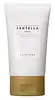
This barrier-repair moisturizer is formulated around Niacinamide and Panthenol to strengthen the skin barrier and calm redness.
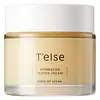
This barrier-repair moisturizer is formulated around Camellia Sinensis Leaf Extract and Saccharomyces Ferment Filtrate to strengthen the skin barrier and hydrate skin.

What's inside
What's inside
 Key Ingredients
Benefits
Concerns
Ingredients Side-by-side
Cetyl Ethylhexanoate
EmollientGlycerin
Humectant


Pentylene Glycol
Skin Conditioning
Hydrogenated Lecithin
Emulsifying
Niacinamide
Smoothing









Macadamia Ternifolia Seed Oil
Emollient


PEG-50 Shea Butter
Emulsifying
Limnanthes Alba Seed Oil
Skin Conditioning
Squalane
Emollient
Carbomer
Emulsion Stabilising1,2-Hexanediol
Skin Conditioning
Tromethamine
BufferingPanthenol
Skin Conditioning
Sodium Carbomer
Emulsion StabilisingErythritol
Humectant
Trehalose
Humectant
Betaine
Humectant
Butylene Glycol
Humectant
Caprylhydroxamic Acid
ChelatingCaprylic/Capric Triglyceride
Masking
Adenosine
Skin Conditioning
Lavandula Spica Flower Oil
Masking
Xanthan Gum
EmulsifyingOzonized Olive Oil
Skin Conditioning
Hydroxyethylcellulose
Emulsion StabilisingOrange Roughy Oil
Skin Conditioning
Madecassoside
Antioxidant
Biosaccharide Gum-1
Humectant
Asiaticoside
Antioxidant
Malt Extract
Skin ProtectingAsiatic Acid
Skin Conditioning
Butter Extract
Emollient
Glycyrrhiza Glabra Leaf Extract
Skin ConditioningCeramide AP
Skin Conditioning
Chamomilla Recutita Flower Extract
Masking
Linoleic Acid
Cleansing
Ethylhexylglycerin
Skin ConditioningSodium Hyaluronate
Humectant
Linolenic Acid
Cleansing

Cetyl Ethylhexanoate, Glycerin, Pentylene Glycol, Hydrogenated Lecithin, Niacinamide, Macadamia Ternifolia Seed Oil, PEG-50 Shea Butter, Limnanthes Alba Seed Oil, Squalane, Carbomer, 1,2-Hexanediol, Tromethamine, Panthenol, Sodium Carbomer, Erythritol, Trehalose, Betaine, Butylene Glycol, Caprylhydroxamic Acid, Caprylic/Capric Triglyceride, Adenosine, Lavandula Spica Flower Oil, Xanthan Gum, Ozonized Olive Oil, Hydroxyethylcellulose, Orange Roughy Oil, Madecassoside, Biosaccharide Gum-1, Asiaticoside, Malt Extract, Asiatic Acid, Butter Extract, Glycyrrhiza Glabra Leaf Extract, Ceramide AP, Chamomilla Recutita Flower Extract, Linoleic Acid, Ethylhexylglycerin, Sodium Hyaluronate, Linolenic Acid
Camellia Sinensis Leaf Extract 26.3%
Antimicrobial
Saccharomyces Ferment Filtrate 26.3%
Humectant
Hydrogenated Polydecene
EmollientButylene Glycol
Humectant
Glycerin
Humectant
Propanediol
Solvent
Niacinamide
Smoothing
Limnanthes Alba Seed Oil
Skin Conditioning
Hydroxypropyl Starch Phosphate
Cetearyl Alcohol
Emollient



1,2-Hexanediol
Skin Conditioning
Butyrospermum Parkii Butter
Skin Conditioning
Methyl Gluceth-20
Humectant
Vinyldimethicone

Water
Skin ConditioningCetearyl Olivate
Polyglyceryl-10 Stearate
Skin Conditioning
Sorbitan Olivate
Emulsifying
Sodium Hyaluronate
Humectant
Myristoyl/Palmitoyl Oxostearamide/Arachamide Mea
Skin ConditioningSorbitan Stearate
Emulsifying
Hydrogenated Lecithin
Emulsifying
Coco-Caprylate/Caprate
Emollient
Glyceryl Stearate
Emollient
Triheptanoin
Skin ConditioningTocopherol
Antioxidant
Acrylates/C10-30 Alkyl Acrylate Crosspolymer
Emulsion StabilisingC9-12 Alkane
SolventDilinoleic Acid/Butanediol Copolymer
Euphorbia Cerifera Wax
Phytosterols
Skin Conditioning
Allantoin
Skin Conditioning
Melia Azadirachta Leaf Extract
Skin ConditioningDisodium EDTA
ChelatingMelia Azadirachta Flower Extract
Skin ConditioningCurcuma Longa Root Extract
Antioxidant
Adenosine
Skin Conditioning
Castor Oil/Ipdi Copolymer
Biosaccharide Gum-1
Humectant
Sorbitan Laurate
Emulsifying
Ocimum Sanctum Leaf Extract
Skin ConditioningPolyphosphorylcholine Glycol Acrylate
Dipropylene Glycol
HumectantGlyceryl Caprylate
EmollientSodium Levulinate
Skin ConditioningSodium Anisate
AntimicrobialCitrus Aurantium Bergamia Fruit Oil
Masking

Corallina Officinalis Extract
Skin Conditioning
Hydroxyethylcellulose
Emulsion StabilisingAcetyl Dipeptide-1 Cetyl Ester
Skin Conditioning
Hydrolyzed Hyaluronic Acid
Humectant
Hydroxypropyltrimonium Hyaluronate
Citrus Aurantium Dulcis Peel Oil
Masking
Salvia Sclarea Oil
Masking
Citrus Reticulata Peel Extract
Skin ConditioningCymbopogon Martini Oil
Masking
Sodium Acetylated Hyaluronate
Humectant
Camellia Sinensis Leaf Extract 26.3%, Saccharomyces Ferment Filtrate 26.3%, Hydrogenated Polydecene, Butylene Glycol, Glycerin, Propanediol, Niacinamide, Limnanthes Alba Seed Oil, Hydroxypropyl Starch Phosphate, Cetearyl Alcohol, 1,2-Hexanediol, Butyrospermum Parkii Butter, Methyl Gluceth-20, Vinyldimethicone, Water, Cetearyl Olivate, Polyglyceryl-10 Stearate, Sorbitan Olivate, Sodium Hyaluronate, Myristoyl/Palmitoyl Oxostearamide/Arachamide Mea, Sorbitan Stearate, Hydrogenated Lecithin, Coco-Caprylate/Caprate, Glyceryl Stearate, Triheptanoin, Tocopherol, Acrylates/C10-30 Alkyl Acrylate Crosspolymer, C9-12 Alkane, Dilinoleic Acid/Butanediol Copolymer, Euphorbia Cerifera Wax, Phytosterols, Allantoin, Melia Azadirachta Leaf Extract, Disodium EDTA, Melia Azadirachta Flower Extract, Curcuma Longa Root Extract, Adenosine, Castor Oil/Ipdi Copolymer, Biosaccharide Gum-1, Sorbitan Laurate, Ocimum Sanctum Leaf Extract, Polyphosphorylcholine Glycol Acrylate, Dipropylene Glycol, Glyceryl Caprylate, Sodium Levulinate, Sodium Anisate, Citrus Aurantium Bergamia Fruit Oil, Corallina Officinalis Extract, Hydroxyethylcellulose, Acetyl Dipeptide-1 Cetyl Ester, Hydrolyzed Hyaluronic Acid, Hydroxypropyltrimonium Hyaluronate, Citrus Aurantium Dulcis Peel Oil, Salvia Sclarea Oil, Citrus Reticulata Peel Extract, Cymbopogon Martini Oil, Sodium Acetylated Hyaluronate
Reviews
Ingredients Explained
These ingredients are found in both products.
Ingredients higher up in an ingredient list are typically present in a larger amount.
1,2-Hexanediol is a synthetic liquid and another multi-functional powerhouse.
It is a:
- Humectant, drawing moisture into the skin
- Emollient, helping to soften skin
- Solvent, dispersing and stabilizing formulas
- Preservative booster, enhancing the antimicrobial activity of other preservatives
Adenosine is a purine nucleoside that your body already makes in every cell. In skincare, it acts mainly as a skin conditioning and anti-aging agent.
The way it works is fairly well mapped out:
Your skin has cells called fibroblasts that build collagen (the stuff that keeps skin firm and smooth). Adenosine basically flips a switch on these cells that tells them to get to work making more collagen and other proteins. These cells slow down on their own as skin ages, so Adenosine helps give them a little nudge to keep going.
The clinical backing is pretty solid too.
A blind, randomized, placebo-controlled trial of 126 women aged 45-65 tested a 0.1% cream twice daily and found real improvements in crow's feet and frown lines using a precise 3D skin-mapping technique; these changes showed up by week 3 and held at 2 months.
A later study using Adenosine-loaded dissolving microneedle patches reported gains in wrinkle depth, dermal density, elasticity, and hydration.
On concentrations, South Korea's Ministry of Food and Drug Safety has set 0.04% as the approved functional anti-wrinkle level. You'll typically see this ingredient used somewhere in the 0.04-0.1% range since it works at low doses.
This ingredient has been found safe for cosmetics with the data showing no irritation or sensitization.
Overall, this is a great ingredient for any anti-aging routine and has no photosensitizing effect, so it suits both AM and PM use.
Learn more about AdenosineBiosaccharide Gum-1 is a sugar created by fermenting sorbitol (which usually comes from potato starch!). It is known for its soothing and moisturizing properties.
Manufacturer tests show this ingredient helped reduce irritation from lactic acid by almost half and kept skin hydrated long-term as a humectant
Beyond hydration, Biosaccharide Gum-1 gives formulas a silky, non-sticky feel.
This ingredient is gentle, versatile, and suitable for all skin types.
Fun fact: Similar sugars can be found naturally in fruits like apples and pears.
Learn more about Biosaccharide Gum-1Butylene Glycol (or BG) is used within cosmetic products for a few different reasons:
Overall, Butylene Glycol is a safe and well-rounded ingredient that works well with other ingredients.
Though this ingredient works well with most skin types, some people with sensitive skin may experience a reaction such as allergic rashes, closed comedones, or itchiness.
Learn more about Butylene GlycolGlycerin (or glycerol) is a compound naturally found in your skin. It's a powerhouse humectant that pulls water into the stratum corneum.
Topically, glycerin does several things at once:
Your skin makes glycerin on its own (mostly from sebaceous oil breakdown) and shuttles it to your outermost layer of skin, or your epidermis, via aquaporin-3.
Aquaporin-3 is a transporter that is essential for normal skin hydration, elasticity, and repair. Interestingly, mice lacking in AQP3 have dry and less elastic skin that can be fully corrected with glycerin.
This ingredient is non-irritating, plays well with almost every ingredient, and works across all skin types. Typical use is anywhere between 3-10% but can go up to 79% in some leave-on products.
Just know very high concentrations (>40%) can feel tacky in low humidity.
Glycerin is the name for this ingredient in American English. British English uses Glycerol/Glycerine.
Learn more about GlycerinHydrogenated Lecithin is a more stable version of lecithin.
It's made by taking lecithin (a phospholipid commonly found in soybeans and egg yolks) and hydrogenating it. This just means the unsaturated fatty acids are turned into saturated ones so they don't go bad as easily.
This ingredient is an emollient, emulsifier, and penetration enhancer. As an emollient, it helps soften and hydrate skin by trapping moisture within. As an emulsifier, it prevents oil and water ingredients from separating.
Hydrogenated Lecithin can form tiny spherical structures made of phospholipid bilayers called liposomes. These liposomes are able to capture compounds inside their structure and deliver them through the skin barrier.
Because phospholipids are a natural component of our cell membranes, this ingredient is inherently compatible with skin.
A 2021 study found lecithin-based surfactants were less harsh and more tolerable comared to Sodium Lauryl Sulfate (SLS).
Learn more about Hydrogenated LecithinHydroxyethylcellulose is used to improve the texture of products. It is created from a chemical reaction involving ethylene oxide and alkali-cellulose. Cellulose is a sugar found in plant cell walls and help give plants structure.
This ingredient helps stabilize products by preventing ingredients from separating. It can also help thicken the texture of a product.
This ingredient can also be found in pill medicines to help our bodies digest other ingredients.
Learn more about HydroxyethylcelluloseLimnanthes Alba Seed Oil is from the seeds of the meadowfoam plant. It is a skin conditioning agent and emollient that sits on top of skin to soften and hydrate it.
Over 98% of the oil is made up of long-chain fatty acids, mostly aachidic acid (61%), docosenoic acid (~16%), and docosadienoic acid (~18%).
This combination is not really found in any other plant oil and is the reason this is one of the most stable botanical oils available.
Some studies show it to be more stable than jojoba oil, helps a product resist going rancid, and can help extend the shelf life of a formula.
It also naturally contains vitamin E and phytosterols that give it a mild antioxidant benefit.
This ingredient is typically used from around 1% to fairly high levels since it's gentle; it's well-tolerated and low on the irritation scale.
Learn more about Limnanthes Alba Seed OilNiacinamide is a multitasking form of vitamin B3 that strengthens the skin barrier, reduces pores and dark spots, regulates oil, and improves signs of aging.
And the best part? It's gentle and well-tolerated by most skin types, including sensitive and reactive skin.
You might have heard of "niacin flush", or the reddening of skin that causes itchiness. Niacinamide has not been found to cause this.
In very rare cases, some individuals may not be able to tolerate niacinamide at all or experience an allergic reaction to it.
If you are experiencing flaking, irritation, and dryness with this ingredient, be sure to double check all your products as this ingredient can be found in all categories of skincare.
When incorporating niacinamide into your routine, look out for concentration amounts. Typically, 5% niacinamide provides benefits such as fading dark spots. However, if you have sensitive skin, it is better to begin with a smaller concentration.
When you apply niacinamide to your skin, your body converts it into nicotinamide adenine dinucleotide (NAD). NAD is an essential coenzyme that is already found in your cells as "fuel" and powers countless biological processes.
In your skin, NAD helps repair cell damage, produce new healthy cells, support collagen production, strengthen the skin barrier, and fight environmental stressors (like UV and pollution).
Our natural NAD levels start to decline with age, leading to slower skin repair, visible aging, and a weaker skin barrier. By providing your skin niacinamide, you're recharging your skin's NAD levels. This leads to stronger, healthier, and younger looking skin.
Another name for vitamin B3 is nicotinamide. This vitamin is water-soluble and our bodies don't store it. We obtain Vitamin B3 from either food or skincare. Meat, fish, wheat, yeast, and leafy greens contain vitamin B3.
The type of niacinamide used in skincare is synthetically created.
Learn more about NiacinamideSodium Hyaluronate is the salt form of hyaluronic acid. It is a long sugar chain that is naturally found in your skin, joints, and connective tissue that maintains hydration and elasticity.
In skincare, it works as a humectant. It pulls water from the environment and deeper layers of skin and binds it to the surface.
Interestingly, the size of the molecule affects its behavior:
Some clinical evidence links low molecular weight versions to improved wrinkle depth, elasticity, anti-inflammatory effects, and barrier repair.
Many serums use a blend of both weights so you can get surface hydration plus longer-lasting and deeper effects.
You'll typically see concentrations between 0.1-2% for this ingredient.
Learn more about Sodium Hyaluronate

