
What's inside
What's inside
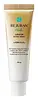 Key Ingredients
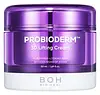
Benefits
Concerns
Ingredients Side-by-side
Water
Skin ConditioningGlycerin
Humectant


Butylene Glycol
Humectant
Methyl Hydrogenated Rosinate
Perfuming
Dipropylene Glycol
HumectantDistarch Phosphate
AbsorbentDicaprylyl Carbonate
EmollientCetearyl Alcohol
Emollient




Niacinamide
Smoothing









Pentylene Glycol
Skin Conditioning
Polyglyceryl-3 Methylglucose Distearate
Emulsifying
Hexanediol
SolventChlorella Vulgaris Extract
Skin ConditioningOryza Sativa Extract
Absorbent
Caesalpinia Spinosa Fruit Extract
Skin ProtectingAlthaea Rosea Flower Extract
Skin ConditioningGlycine Soja Extract
Skin ConditioningPrunus Amygdalus Dulcis Seed Extract
Skin ConditioningSodium Hyaluronate
Humectant
Bis-Diglyceryl Polyacyladipate-2
Emollient
Octyldodecanol
Emollient
Hydroxyethyl Acrylate/Sodium Acryloyldimethyl Taurate Copolymer
Emulsion StabilisingC12-15 Alkyl Benzoate
AntimicrobialHydroxyacetophenone
Antioxidant
Glucose
Humectant
Hydrolyzed DNA
Skin ConditioningAcrylates/C10-30 Alkyl Acrylate Crosspolymer
Emulsion StabilisingTromethamine
BufferingFructooligosaccharides
Humectant
Fructose
Humectant
Panthenol
Skin Conditioning
Cetearyl Glucoside
Emulsifying
Adenosine
Skin Conditioning
Sodium Phytate
Tocopherol
Antioxidant
Ethylhexylglycerin
Skin ConditioningTrehalose
Humectant
Urea
Buffering
Glyceryl Polyacrylate
Serine
Masking
Caprylyl Glycol
Emollient
Algin
Masking
Pullulan
Disodium Phosphate
BufferingPotassium Phosphate
BufferingWater, Glycerin, Butylene Glycol, Methyl Hydrogenated Rosinate, Dipropylene Glycol, Distarch Phosphate, Dicaprylyl Carbonate, Cetearyl Alcohol, Niacinamide, Pentylene Glycol, Polyglyceryl-3 Methylglucose Distearate, Hexanediol, Chlorella Vulgaris Extract, Oryza Sativa Extract, Caesalpinia Spinosa Fruit Extract, Althaea Rosea Flower Extract, Glycine Soja Extract, Prunus Amygdalus Dulcis Seed Extract, Sodium Hyaluronate, Bis-Diglyceryl Polyacyladipate-2, Octyldodecanol, Hydroxyethyl Acrylate/Sodium Acryloyldimethyl Taurate Copolymer, C12-15 Alkyl Benzoate, Hydroxyacetophenone, Glucose, Hydrolyzed DNA, Acrylates/C10-30 Alkyl Acrylate Crosspolymer, Tromethamine, Fructooligosaccharides, Fructose, Panthenol, Cetearyl Glucoside, Adenosine, Sodium Phytate, Tocopherol, Ethylhexylglycerin, Trehalose, Urea, Glyceryl Polyacrylate, Serine, Caprylyl Glycol, Algin, Pullulan, Disodium Phosphate, Potassium Phosphate
Water
Skin ConditioningLactobacillus Ferment Lysate
Skin Conditioning
Glycerin
Humectant
Dipropylene Glycol
HumectantCaprylic/Capric Triglyceride
Masking
Cetearyl Alcohol
Emollient
Limnanthes Alba Seed Oil
Skin Conditioning
Glycereth-26
Humectant
Vinyldimethicone

Hydrogenated Poly(C6-14 Olefin)
EmollientHydrogenated Polydecene
EmollientPolyglyceryl-3 Methylglucose Distearate
Emulsifying
Glyceryl Stearate
Emollient
Betaine
Humectant
Polyglycerin-3
Humectant
1,2-Hexanediol
Skin Conditioning
Cetearyl Olivate
Pentylene Glycol
Skin Conditioning
Phytosteryl/Behenyl/Octyldodecyl Lauroyl Glutamate
Skin ConditioningLactobacillus Ferment
Skin Conditioning
Fructooligosaccharides
Humectant
Fructan
Skin ConditioningInulin
Skin Conditioning
Panthenol
Skin Conditioning
Beta-Glucan
Skin Conditioning
Adenosine
Skin Conditioning
Saponins
CleansingSoluble Proteoglycan
Skin ConditioningNonapeptide-1
Skin Conditioning
Acetyl Tetrapeptide-9
Skin Conditioning
Acetyl Tetrapeptide-5
Humectant
Acetyl Hexapeptide-1
Skin Conditioning
Acetyl Hexapeptide-8
Humectant
Palmitoyl Tripeptide-8
Skin Conditioning
Dipeptide Diaminobutyroyl Benzylamide Diacetate
Skin Conditioning
Copper Tripeptide-1
Skin Conditioning
Tripeptide-1
Skin Conditioning
Palmitoyl Tetrapeptide-7
Skin Conditioning
Palmitoyl Tripeptide-1
Skin Conditioning
Palmitoyl Tripeptide-5
Skin Conditioning
Palmitoyl Pentapeptide-4
Skin Conditioning
Palmitoyl Hexapeptide-12
Skin Conditioning
Pentapeptide-3
Skin Conditioning
Hexapeptide-9
Skin Conditioning
Oligopeptide-2
Skin Conditioning
Malt Extract
Skin ProtectingDioscorea Japonica Root Extract
Skin Conditioning
Elaeis Guineensis Oil
Emollient
Behenyl Alcohol
Emollient
Sorbitan Olivate
Emulsifying
Butyrospermum Parkii Butter
Skin Conditioning
Dipentaerythrityl Hexahydroxystearate/Hexastearate/Hexarosinate
Skin ConditioningHydrogenated Rapeseed Oil
Emollient
Hydroxyacetophenone
Antioxidant
Sodium Polyacrylate
Absorbent
Hydrolyzed Jojoba Esters
Skin Conditioning
PEG-100 Stearate
Surfactant
Ethylhexylglycerin
Skin ConditioningAcrylates/C10-30 Alkyl Acrylate Crosspolymer
Emulsion StabilisingXanthan Gum
EmulsifyingTromethamine
BufferingButylene Glycol
Humectant
Maltodextrin
Absorbent
Cyanocobalamin
Skin ConditioningCetyl Ethylhexanoate
EmollientPropanediol
Solvent
Cetearyl Glucoside
Emulsifying
Algin
Masking
Sodium Stearoyl Glutamate
CleansingTocopherol
Antioxidant
Biosaccharide Gum-4
Skin Conditioning
Mineral Salts
Skin ConditioningHydrolyzed Corn Starch
HumectantSodium Phosphate
BufferingCaprylyl Glycol
Emollient
Sucrose
Humectant
Dextran
Disodium Phosphate
BufferingParfum
Masking


Water, Lactobacillus Ferment Lysate, Glycerin, Dipropylene Glycol, Caprylic/Capric Triglyceride, Cetearyl Alcohol, Limnanthes Alba Seed Oil, Glycereth-26, Vinyldimethicone, Hydrogenated Poly(C6-14 Olefin), Hydrogenated Polydecene, Polyglyceryl-3 Methylglucose Distearate, Glyceryl Stearate, Betaine, Polyglycerin-3, 1,2-Hexanediol, Cetearyl Olivate, Pentylene Glycol, Phytosteryl/Behenyl/Octyldodecyl Lauroyl Glutamate, Lactobacillus Ferment, Fructooligosaccharides, Fructan, Inulin, Panthenol, Beta-Glucan, Adenosine, Saponins, Soluble Proteoglycan, Nonapeptide-1, Acetyl Tetrapeptide-9, Acetyl Tetrapeptide-5, Acetyl Hexapeptide-1, Acetyl Hexapeptide-8, Palmitoyl Tripeptide-8, Dipeptide Diaminobutyroyl Benzylamide Diacetate, Copper Tripeptide-1, Tripeptide-1, Palmitoyl Tetrapeptide-7, Palmitoyl Tripeptide-1, Palmitoyl Tripeptide-5, Palmitoyl Pentapeptide-4, Palmitoyl Hexapeptide-12, Pentapeptide-3, Hexapeptide-9, Oligopeptide-2, Malt Extract, Dioscorea Japonica Root Extract, Elaeis Guineensis Oil, Behenyl Alcohol, Sorbitan Olivate, Butyrospermum Parkii Butter, Dipentaerythrityl Hexahydroxystearate/Hexastearate/Hexarosinate, Hydrogenated Rapeseed Oil, Hydroxyacetophenone, Sodium Polyacrylate, Hydrolyzed Jojoba Esters, PEG-100 Stearate, Ethylhexylglycerin, Acrylates/C10-30 Alkyl Acrylate Crosspolymer, Xanthan Gum, Tromethamine, Butylene Glycol, Maltodextrin, Cyanocobalamin, Cetyl Ethylhexanoate, Propanediol, Cetearyl Glucoside, Algin, Sodium Stearoyl Glutamate, Tocopherol, Biosaccharide Gum-4, Mineral Salts, Hydrolyzed Corn Starch, Sodium Phosphate, Caprylyl Glycol, Sucrose, Dextran, Disodium Phosphate, Parfum
Reviews
Ingredients Explained
These ingredients are found in both products.
Ingredients higher up in an ingredient list are typically present in a larger amount.
Acrylates/C10-30 Alkyl Acrylate Crosspolymer is a synthetic polymer. It is used to thicken, emulsify, and improve the texture of products.
As an emulsifier, it helps stabilize oil-in-water emulsions to give products an elegant feel when applied.
It can also form a thin protective film on skin. One study found that a formula using this polymer helped slow down how quickly other ingredients (like DEET) were absorbed through skin.
A 2024 study of over 1,300 patients confirmed that sensitization to this ingredient is rare. It is also non-mutagenic and has a clean track record.
Learn more about Acrylates/C10-30 Alkyl Acrylate CrosspolymerAdenosine is a purine nucleoside that your body already makes in every cell. In skincare, it acts mainly as a skin conditioning and anti-aging agent.
The way it works is fairly well mapped out:
Your skin has cells called fibroblasts that build collagen (the stuff that keeps skin firm and smooth). Adenosine basically flips a switch on these cells that tells them to get to work making more collagen and other proteins. These cells slow down on their own as skin ages, so Adenosine helps give them a little nudge to keep going.
The clinical backing is pretty solid too.
A blind, randomized, placebo-controlled trial of 126 women aged 45-65 tested a 0.1% cream twice daily and found real improvements in crow's feet and frown lines using a precise 3D skin-mapping technique; these changes showed up by week 3 and held at 2 months.
A later study using Adenosine-loaded dissolving microneedle patches reported gains in wrinkle depth, dermal density, elasticity, and hydration.
On concentrations, South Korea's Ministry of Food and Drug Safety has set 0.04% as the approved functional anti-wrinkle level. You'll typically see this ingredient used somewhere in the 0.04-0.1% range since it works at low doses.
This ingredient has been found safe for cosmetics with the data showing no irritation or sensitization.
Overall, this is a great ingredient for any anti-aging routine and has no photosensitizing effect, so it suits both AM and PM use.
Learn more about AdenosineAlgin is brown algae. Algae is an informal term for a group of aquatic organisms that can photosynthesize. It is estimated there are at least 30,000 types of Algae.
Algae contains antioxidants. Antioxidants help fight free-radicals. Free-radicals are molecules that may damage your skin cells, such as pollution.
Butylene Glycol (or BG) is used within cosmetic products for a few different reasons:
Overall, Butylene Glycol is a safe and well-rounded ingredient that works well with other ingredients.
Though this ingredient works well with most skin types, some people with sensitive skin may experience a reaction such as allergic rashes, closed comedones, or itchiness.
Learn more about Butylene GlycolCaprylyl Glycol is a humectant, skin conditioner, emollient, and preservative booster derived from either caprylic acid or synthetically created.
Typical use levels vary from 0.3-1% as a preservative booster and go up to 2% to condition skin.
Because it is not a free-fatty acid, this ingredient is fungal acne safe (there's nothing for Malassezia to feed on).
Learn more about Caprylyl GlycolCetearyl alcohol is a waxy mixture of two fatty alcohols: cetyl alcohol and stearyl alcohol. It is an emollient and emulsifier.
Despite having "alcohol" in its name, it has nothing to do with drying solvent alcohols; the FDA also allows "alcohol-free" products to contain fatty alcohols like this ingredient.
It plays several roles in a formula:
Typical use levels for this ingredient sit around 1-10% and the Cosmetic Ingredient Review Expert Panel has affirmed safety at concentrations up to 25% in leave-on products.
Multiple assessments have found it to be non-irritating and non-sensitizing to most people.
However, there have been some cases of allergic contact dermatitis in patients with chronically compromised skin barriers.
Cetearyl alcohol has a comedogenic rating of 2 and irritancy rating of 1. Both of these numbers come from the 1989 study that used rabbit ears; a "2" means mildly comedogenic and a "1" means low irritancy.
Here's the catch: rabbit skin is more sensitive than human skin and throws a lot of false positives. A 1996 reappraisal found that ingredients rated 1-2 in the rabbit ear tests are generally safe for humans.
Remember comedogenic ratings are unable to assess the entire formula of a product or how it will react on your skin. Just be sure to patch test if you are unsure about certain ingredients.
This ingredient is not fungal acne safe. Cetearyl alcohol is a fatty alcohol with chain lengths that fall within the range that Malassezia can metabolize.
A 2019 study has also observed Malassezia growth in the presence of this ingredient, confirming it to be not-fungal acne safe.
Learn more about Cetearyl AlcoholCetearyl Glucoside is a sugar-based emulsifier. It is usually made by combining cetearyl alcohol and glucose.
Belonging to the aklyl polyglucoside (APG) family, Cetearyl Glucoside has a sugar "head" that loves water and a fatty "tail" that loves oil. This means it can shuffle oil and water into a stable and smooth emulsion.
Typical use levels are between 1-5% and this ingredient is considered to be non-irritating by the CIR Expert Panel Review.
Once applied, your skin's glucoside hydrolases breaks it down to the parent fatty alcohol and glucose. This is why this ingredient may not be fungal acne safe.
Learn more about Cetearyl GlucosideDipropylene Glycol is a synthetically created humectant, stabilizer, and solvent.
This ingredient helps:
Dipropylene glycol is technically an alcohol, but it belongs to the glycol family (often considered part of the ‘good’ alcohols). This means it is hydrating and gentle on skin unlike drying solvent alcohols like denatured alcohol.
As a masking agent, Dipropylene Glycol can be used to cover the smell of other ingredients. However, it does not have a scent.
Studies show Dipropylene Glycol is considered safe to use in skincare.
Learn more about Dipropylene GlycolDisodium Phosphate is a water-soluble powder used as a pH adjuster and mild chelating agent. It basically holds a specific pH and binds stray metal ions so your product stays stable.
This ingredient is usually used at very low levels and concentrations range from 0.000054% - 2.9%. The CIR Expert Panel states this ingredient to be non-irritating at current use levels.
Ethylhexylglycerin is created from glycerin. It is a multitasker ingredient that:
The CIR Expert Panel found minimal skin absorption or sensitization of any kind in a safety assessment. Though this ingredient is considered well-tolerated, a small number of cases of allergic dermatitis have been published since 2002. Just be sure to patch test if you are unsure.
Industry-reported use ranges from 8% in rinse-off products and 2% in leave-on formulations.
Learn more about EthylhexylglycerinFructooligosaccharides (FOS) are a type of prebiotic sugar with humectant and skin conditioning properties. As a humectant, they help attract and hold moisture in the skin.
FOS essentially acts as a food source for the "good" bacteria on your skin and make it harder for "bad" bacteria to thrive. A 2022 study using a reconstructured human skin model found that just 1% of FOS was enough to shift the bacteria balance in favor of beneficial species. This suggests it could help support a healthier skin microbiome over time.
This ingredient has a low sensitization risk and testing shows it does not classify as a skin irritant or sensitizer.
FOS are usually produced from sugar beets and can also be found in foods like bananas, garlic, and onions.
Learn more about FructooligosaccharidesGlycerin (or glycerol) is a compound naturally found in your skin. It's a powerhouse humectant that pulls water into the stratum corneum.
Topically, glycerin does several things at once:
Your skin makes glycerin on its own (mostly from sebaceous oil breakdown) and shuttles it to your outermost layer of skin, or your epidermis, via aquaporin-3.
Aquaporin-3 is a transporter that is essential for normal skin hydration, elasticity, and repair. Interestingly, mice lacking in AQP3 have dry and less elastic skin that can be fully corrected with glycerin.
This ingredient is non-irritating, plays well with almost every ingredient, and works across all skin types. Typical use is anywhere between 3-10% but can go up to 79% in some leave-on products.
Just know very high concentrations (>40%) can feel tacky in low humidity.
Glycerin is the name for this ingredient in American English. British English uses Glycerol/Glycerine.
Learn more about GlycerinHydroxyacetophenone is a small phenolic molecule that earns its place in a formulas as an antioxidant and preservative booster.
As a phenol, it is able to neutralize free radicals to protect both the product and the skin from oxidative stress.
Though it can't kill microbes on its own, it works as a good supporting agent when combined with other preservatives like Phenoxyethanol or 1,2-Hexanediol.
This ingredient naturally occurs as piceol in Norwegian spruce needles (~0.4-1.1% dry weight and in cloudberries). Though the cosmetic-grade material is synthesized for purity and consistency.
You'll usually see it used at low levels and suppliers recommend up to 1% added to a water phase.
Safety testing was done at concentrations like 0.05% in SPF products and 0.5% in a Human Repeated Insult Patch Test. The safety evidence is assuring; this ingredient is safe for cosmetics in current use and also holds safety status as a food flavoring as well.
An honest caveat: the "soothing" and "anti-inflammatory" claims come mostly from supplier marketing rather than published clinical trials. The Cosmetic Ingredient Review's own literature search found no useful efficacy studies on this ingredient.
So the antioxidant and preservative-boosting roles are the well supported ones while the calming benefit is plausible but thinly evidenced.
Overall, this is a well-tolerated, low-irritation multitasker that quietly helps a formula stay fresh and stable.
Learn more about HydroxyacetophenonePanthenol is a common ingredient that helps hydrate and soothe the skin. It is found naturally in our skin and hair.
There are two forms of panthenol: D and L.
D-panthenol is also known as dexpanthenol. Most cosmetics use dexpanthenol or a mixture of D and L-panthenol.
Panthenol is famous due to its ability to go deeper into the skin's layers. Using this ingredient has numerous pros (and no cons):
Like hyaluronic acid, panthenol is a humectant. Humectants are able to bind and hold large amounts of water to keep skin hydrated.
This ingredient works well for wound healing. It works by increasing tissue in the wound and helps close open wounds.
Once oxidized, panthenol converts to pantothenic acid. Panthothenic acid is found in all living cells.
This ingredient is also referred to as pro-vitamin B5.
Learn more about PanthenolPentylene Glycol (1,2-pentanediol) is a multitasking little diol with three main roles in a formula:
Research on alkanediols (the family pentylene glycol belongs to) show they work by disrupting microbial cell membranes. This disruption helps the primary preservative system in a product work more effectively at lower doses.
On the safety side, the Cosmetic Ingredient Review Expert Panel has concluded this ingredient to be safe as used in current cosmetic practices + concentrations.
Typical use levels in a formula run about 1-5%.
Learn more about Pentylene GlycolPolyglyceryl-3 Methylglucose Distearate is a plant-derived emulsifier whose only job is to keep the oily and watery parts of a formula blended so it doesn't separate into layers.
It's compatible with a wide-range of active ingredients and especially good at making emulsions survive heat/freeze cycles.
Typical use concentrations range from 2-3% and it works across a pH of 4.5-8.5.
This ingredient has been found safe to use in cosmetics and has a low irritation profile.
Because it's build on stearic acid, it may not be fungal acne safe. Stearic acid is a C18 fatty acid that falls within the range (C11-24) that Malassezia can feed on.
Learn more about Polyglyceryl-3 Methylglucose DistearateTocopherol is a fat-soluble antioxidant known as Vitamin E.
You'll find this ingredient in the vast majority of skincare (for good reason). It works to neutralize free radicals, or unstable molecules generated by UV exposure, pollution, and other environmental stressors, before they can cause oxidative damage to your skin cells.
Topically applied tocopherol has been shown to protect against UV damage by ramping up the skin's own natural defense enzymes.
It also acts as a skin conditioning agent; some studies show that regular topical use can improve the skin's water-binding capacity over 2-4 weeks.
This ingredient is especially loved for being a team player. When combined with Vitamin C, the photoprotective effect of both ingredients roughly doubles and the combo also helps reduce UV-induced DNA damage.
This ingredient has some brightening potential but it's more of a prevention ingredient than spot-fader. Cell studies show it can slow down melanin production but it's worth noting that it's not the most powerful brightener out there.
In formulations, it also serves as a stabilizer that helps protect other oxidation-prone ingredients from degrading.
Concentrations usually range from 0.1-1% in most leave-on products.
Learn more about TocopherolTromethamine (aka THAM) is a synthetic amino acid that shows up in skincare as a helper ingredient.
It functions as a pH adjuster to help neutralize acidic ingredients and set a formula's pH to the right spot.
This matters a lot because a lot of actives (like vitamin C) needs a specific pH to work well and feel comfortable on skin.
Concentration use ranges from 0.1-1.0% depending on the formula.
Learn more about TromethamineWater. It's the most common cosmetic ingredient of all. You'll usually see it at the top of ingredient lists, meaning that it makes up the largest part of the product.
So why is it so popular? Water most often acts as a solvent - this means that it helps dissolve other ingredients into the formulation.
You'll also recognize water as that liquid we all need to stay alive. If you see this, drink a glass of water. Remember to stay hydrated!
Learn more about Water

