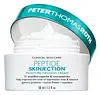
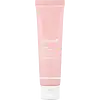
Peter Thomas Roth Peptide Skinjection Moisture Infusion Cream Versus MediCube PDRN Pink Peptide Cream
This anti-aging moisturizer is formulated around Squalane and Hexapeptide-11 to soften the look of wrinkles and hydrate skin.
This anti-aging moisturizer is formulated around Sodium DNA and Niacinamide to soften the look of wrinkles and strengthen the skin barrier.


What's inside
What's inside
 Key Ingredients
Benefits
Concerns
Ingredients Side-by-side
Water
Skin ConditioningGlycerin
Humectant


Dimethicone
Emollient
Olive Oil Decyl Esters



Glycereth-26
Humectant
Squalane
Emollient
Butylene Glycol
Humectant
Behenyl Alcohol
Emollient
Polysilicone-11

Batyl Alcohol
EmollientSimmondsia Chinensis Seed Oil
Emollient
Hexapeptide-11
Skin Conditioning
Dipeptide Diaminobutyroyl Benzylamide Diacetate
Skin Conditioning
Palmitoyl Tripeptide-5
Skin Conditioning
Tripeptide-10 Citrulline
Skin Conditioning
Acetyl Hexapeptide-1
Skin Conditioning
Acetyl Tetrapeptide-11
Skin Conditioning
Acetyl Hexapeptide-8
Humectant
Palmitoyl Hexapeptide-12
Skin Conditioning
Acetyl Tetrapeptide-9
Skin Conditioning
Palmitoyl Tetrapeptide-7
Skin Conditioning
Acetyl Tetrapeptide-2
Skin Conditioning
Acetyl Octapeptide-3
Humectant
Palmitoyl Hexapeptide-19
Skin Conditioning
Trifluoroacetyl Tripeptide-2
Skin Conditioning
Tripeptide-1
Skin Conditioning
Palmitoyl Oligopeptide
Cleansing
Palmitoyl Tripeptide-1
Skin Conditioning
Natto Gum
Sodium Polyglutamate
HumectantSqualene
Emollient
Mica
Cosmetic ColorantSodium Hyaluronate
Humectant

Sorbic Acid
Preservative
Tocopherol
Antioxidant



Cereus Grandiflorus Flower Extract
Skin ConditioningPseudoalteromonas Ferment Extract
Humectant
Leuconostoc/Radish Root Ferment Filtrate
Antimicrobial
Magnesium Chloride
Phenoxyethanol
Preservative
Cetyl Alcohol
Emollient
Stearyl Alcohol
Emollient
Trehalose
Humectant
Glyceryl Stearate
Emollient
Silanetriol Trehalose Ether
EmollientMannitol
Humectant
Phytosterols
Skin Conditioning
Acrylates/C10-30 Alkyl Acrylate Crosspolymer
Emulsion StabilisingCaprylic/Capric Triglyceride
Masking
Hydrogenated Lecithin
Emulsifying
Polyglyceryl-10 Myristate
Skin Conditioning
Polysorbate 20
Emulsifying
Dimethyl Isosorbide
SolventSodium Benzoate
Masking
Potassium Sorbate
Preservative
Caprylyl Glycol
Emollient
Sodium Hydroxide
BufferingLaureth-12
EmulsifyingHydrolyzed Wheat Protein
Skin ConditioningLecithin
Emollient
Disodium Phosphate
BufferingHydrolyzed Soy Protein
Humectant
Carbomer
Emulsion StabilisingDextran
Ethylhexylglycerin
Skin ConditioningSodium Lactate
Buffering
Tetradecyl Aminobutyroylvalylaminobutyric Urea Trifluoroacetate
Skin ConditioningSodium Phosphate
BufferingXanthan Gum
EmulsifyingTriethanolamine
BufferingAcrylates Copolymer
Water, Glycerin, Dimethicone, Olive Oil Decyl Esters, Glycereth-26, Squalane, Butylene Glycol, Behenyl Alcohol, Polysilicone-11, Batyl Alcohol, Simmondsia Chinensis Seed Oil, Hexapeptide-11, Dipeptide Diaminobutyroyl Benzylamide Diacetate, Palmitoyl Tripeptide-5, Tripeptide-10 Citrulline, Acetyl Hexapeptide-1, Acetyl Tetrapeptide-11, Acetyl Hexapeptide-8, Palmitoyl Hexapeptide-12, Acetyl Tetrapeptide-9, Palmitoyl Tetrapeptide-7, Acetyl Tetrapeptide-2, Acetyl Octapeptide-3, Palmitoyl Hexapeptide-19, Trifluoroacetyl Tripeptide-2, Tripeptide-1, Palmitoyl Oligopeptide, Palmitoyl Tripeptide-1, Natto Gum, Sodium Polyglutamate, Squalene, Mica, Sodium Hyaluronate, Sorbic Acid, Tocopherol, Cereus Grandiflorus Flower Extract, Pseudoalteromonas Ferment Extract, Leuconostoc/Radish Root Ferment Filtrate, Magnesium Chloride, Phenoxyethanol, Cetyl Alcohol, Stearyl Alcohol, Trehalose, Glyceryl Stearate, Silanetriol Trehalose Ether, Mannitol, Phytosterols, Acrylates/C10-30 Alkyl Acrylate Crosspolymer, Caprylic/Capric Triglyceride, Hydrogenated Lecithin, Polyglyceryl-10 Myristate, Polysorbate 20, Dimethyl Isosorbide, Sodium Benzoate, Potassium Sorbate, Caprylyl Glycol, Sodium Hydroxide, Laureth-12, Hydrolyzed Wheat Protein, Lecithin, Disodium Phosphate, Hydrolyzed Soy Protein, Carbomer, Dextran, Ethylhexylglycerin, Sodium Lactate, Tetradecyl Aminobutyroylvalylaminobutyric Urea Trifluoroacetate, Sodium Phosphate, Xanthan Gum, Triethanolamine, Acrylates Copolymer
Water
Skin ConditioningGlycereth-26
Humectant
Butylene Glycol
Humectant
Caprylic/Capric Triglyceride
Masking
Cyclopentasiloxane
Emollient
1,2-Hexanediol
Skin Conditioning
Niacinamide
Smoothing


Hydrogenated Polydecene
EmollientIsononyl Isononanoate
EmollientCetearyl Olivate
Ethylhexyl Olivate
Skin Conditioning
Glycerin
Humectant
Sorbitan Olivate
Emulsifying
Sodium Acrylates Copolymer
Hydroxyethyl Acrylate/Sodium Acryloyldimethyl Taurate Copolymer
Emulsion StabilisingPolyglyceryl-4 Oleate
Emulsifying
Disodium EDTA
ChelatingBetaine
Humectant
Panthenol
Skin Conditioning
Ethylhexylglycerin
Skin ConditioningCitric Acid
Buffering
Parfum
Masking



Adenosine
Skin Conditioning
Limnanthes Alba Seed Oil
Skin Conditioning
Sorbitan Isostearate
Emulsifying
Glyceryl Acrylate/Acrylic Acid Copolymer
HumectantRosa Damascena Extract
MaskingCyanocobalamin
Skin ConditioningSodium DNA
Skin Conditioning
Hydrogenated Lecithin
Emulsifying
Cetearyl Alcohol
Emollient

Stearic Acid
Cleansing
Sodium Hyaluronate
Humectant
Hydroxypropyltrimonium Hyaluronate
Ceramide NP
Skin Conditioning
Prunella Vulgaris Extract
Antioxidant
Fucus Vesiculosus Extract
Emollient
Morinda Citrifolia Fruit Extract
Skin Conditioning
Momordica Charantia Fruit Extract
Skin ConditioningHibiscus Esculentus Fruit Extract
Skin ConditioningCeramide Ns
Skin Conditioning
Sodium Acetylated Hyaluronate
Humectant
Hydrolyzed Hyaluronic Acid
Humectant
Centella Asiatica Leaf Extract
Skin Conditioning
Cholesterol
Emollient
Phytosphingosine
Skin Conditioning
Ceramide As
Skin Conditioning
Ceramide AP
Skin Conditioning
Hyaluronic Acid
Humectant
Copper Tripeptide-1
Skin Conditioning
Sodium Hyaluronate Crosspolymer
Humectant
Acetyl Hexapeptide-8
Humectant
Palmitoyl Pentapeptide-4
Skin Conditioning
Hydrolyzed Sodium Hyaluronate
Skin Conditioning
Palmitoyl Tetrapeptide-7
Skin Conditioning
Palmitoyl Tripeptide-1
Skin Conditioning
Potassium Hyaluronate
Skin ConditioningCeramide EOP
Skin Conditioning
Water, Glycereth-26, Butylene Glycol, Caprylic/Capric Triglyceride, Cyclopentasiloxane, 1,2-Hexanediol, Niacinamide, Hydrogenated Polydecene, Isononyl Isononanoate, Cetearyl Olivate, Ethylhexyl Olivate, Glycerin, Sorbitan Olivate, Sodium Acrylates Copolymer, Hydroxyethyl Acrylate/Sodium Acryloyldimethyl Taurate Copolymer, Polyglyceryl-4 Oleate, Disodium EDTA, Betaine, Panthenol, Ethylhexylglycerin, Citric Acid, Parfum, Adenosine, Limnanthes Alba Seed Oil, Sorbitan Isostearate, Glyceryl Acrylate/Acrylic Acid Copolymer, Rosa Damascena Extract, Cyanocobalamin, Sodium DNA, Hydrogenated Lecithin, Cetearyl Alcohol, Stearic Acid, Sodium Hyaluronate, Hydroxypropyltrimonium Hyaluronate, Ceramide NP, Prunella Vulgaris Extract, Fucus Vesiculosus Extract, Morinda Citrifolia Fruit Extract, Momordica Charantia Fruit Extract, Hibiscus Esculentus Fruit Extract, Ceramide Ns, Sodium Acetylated Hyaluronate, Hydrolyzed Hyaluronic Acid, Centella Asiatica Leaf Extract, Cholesterol, Phytosphingosine, Ceramide As, Ceramide AP, Hyaluronic Acid, Copper Tripeptide-1, Sodium Hyaluronate Crosspolymer, Acetyl Hexapeptide-8, Palmitoyl Pentapeptide-4, Hydrolyzed Sodium Hyaluronate, Palmitoyl Tetrapeptide-7, Palmitoyl Tripeptide-1, Potassium Hyaluronate, Ceramide EOP
Ingredients Explained
These ingredients are found in both products.
Ingredients higher up in an ingredient list are typically present in a larger amount.
Acetyl Hexapeptide-8 (also known as Argireline) is a synthetic hexapeptide that is often called a "topical Botox alternative".
It works by mimicking how Botox relaxes muscles; it interferes with the signaling process that tells your facial muscles to contract. This can help soften expression lines like forehead wrinkles or crow's feet over time.
The comparison to Botox does have limits because the molecule is water-loving and relatively large.
Acetyl Hexapeptide-8 has a hard time absorbing deeply enough through the skin's outer barrier to actually reach the muscles.
So whether it truly works the way Botox does at a biological level is still up for debate, but early clinical outcomes are fairly encouraging.
A 12 week human study of a multi-ingredient regimen containing this ingredient saw:
While some studies have observed improvements in wrinkle appearance, it is important to note that more consistent results are seen in multi-ingredient formulations (vs just Acetyl Hexapeptide-8 alone).
Some research studies also used higher concentrations (up to 10%) while this ingredient is usually found in concentrations up to 0.005% in leave-on formulations.
Learn more about Acetyl Hexapeptide-8Butylene Glycol (or BG) is used within cosmetic products for a few different reasons:
Overall, Butylene Glycol is a safe and well-rounded ingredient that works well with other ingredients.
Though this ingredient works well with most skin types, some people with sensitive skin may experience a reaction such as allergic rashes, closed comedones, or itchiness.
Learn more about Butylene GlycolCaprylic/Capric Triglyceride (aka MCT Oil) is a lightweight emollient, solvent, and texture enhancer. It is considered a skin-softener by helping to prevent moisture loss.
Though it behaves like an oil, it is not technically one due to its chemical composition. One perk of this ingredient is that it is very stable, resistant to oxidation, and unlikely to go rancid.
In practice, that translates to a long shelf life and a consistently elegant skin feel.
While there is an assumption Caprylic Triglyceride can clog pores due to it being derived from coconut oil, there is no research supporting this. Just patch test if you have concerns.
Fractionated coconut oil and MCT Oil are both listed as Caprylic/Capric Triglyceride according to INCI. This is because INCI names are based on the ingredient’s final chemical composition and not its marketing name or source.
This ingredient is treated as the gold standard fungal acne safe oil. Even though it is coconut derived, the problematic lauric acid is stripped out.
This leaves just caprylic (C8) and capric (C10) acid. These chain lengths actually trend antifungal; a 2020 study found caprylic acid was enough to disrupt Malassezia furfur cell membrane, with a caprylic acid derivative damaging membrane structures at concentrations as low as 0.2%.
Learn more about Caprylic/Capric TriglycerideEthylhexylglycerin is created from glycerin. It is a multitasker ingredient that:
The CIR Expert Panel found minimal skin absorption or sensitization of any kind in a safety assessment. Though this ingredient is considered well-tolerated, a small number of cases of allergic dermatitis have been published since 2002. Just be sure to patch test if you are unsure.
Industry-reported use ranges from 8% in rinse-off products and 2% in leave-on formulations.
Learn more about EthylhexylglycerinGlycereth-26 is a synthetic ingredient and polyethylene glycol ether of Glycerin. Glycerin is already naturally found in your skin and helps keep your skin moisturized.
It is a humectant and helps add texture to products. It can make your product thicker.
As a humectant, it helps draw moisture from the air to your skin. This helps your skin stay hydrated.
Learn more about Glycereth-26Glycerin (or glycerol) is a compound naturally found in your skin. It's a powerhouse humectant that pulls water into the stratum corneum.
Topically, glycerin does several things at once:
Your skin makes glycerin on its own (mostly from sebaceous oil breakdown) and shuttles it to your outermost layer of skin, or your epidermis, via aquaporin-3.
Aquaporin-3 is a transporter that is essential for normal skin hydration, elasticity, and repair. Interestingly, mice lacking in AQP3 have dry and less elastic skin that can be fully corrected with glycerin.
This ingredient is non-irritating, plays well with almost every ingredient, and works across all skin types. Typical use is anywhere between 3-10% but can go up to 79% in some leave-on products.
Just know very high concentrations (>40%) can feel tacky in low humidity.
Glycerin is the name for this ingredient in American English. British English uses Glycerol/Glycerine.
Learn more about GlycerinHydrogenated Lecithin is a more stable version of lecithin.
It's made by taking lecithin (a phospholipid commonly found in soybeans and egg yolks) and hydrogenating it. This just means the unsaturated fatty acids are turned into saturated ones so they don't go bad as easily.
This ingredient is an emollient, emulsifier, and penetration enhancer. As an emollient, it helps soften and hydrate skin by trapping moisture within. As an emulsifier, it prevents oil and water ingredients from separating.
Hydrogenated Lecithin can form tiny spherical structures made of phospholipid bilayers called liposomes. These liposomes are able to capture compounds inside their structure and deliver them through the skin barrier.
Because phospholipids are a natural component of our cell membranes, this ingredient is inherently compatible with skin.
A 2021 study found lecithin-based surfactants were less harsh and more tolerable comared to Sodium Lauryl Sulfate (SLS).
Learn more about Hydrogenated LecithinPalmitoyl Tetrapeptide-7 (formerly Palmitoyl Tetrapeptide-3) is a synthetic peptide. Its main job is to fight what researchers call "inflammaging".
"Inflammaging" is the slow, low-grade chronic inflammation that quietly breaks down collagen as we age.
This ingredient calms down a specific inflammation signal in your skin cells (called IL-6). When left unchecked, this signal triggers enzymes that break down collagen and elastin.
Clinical testing showed statistically significant improvements in:
Studies also found the more of this ingredient used, the more your skin produces Collagen I, fibronectin, and hyaluronic acid.
You'll likely see this ingredient paired with Palmitoyl Tripeptide-1 in the well-known Matrixyl 3000 complex for enhanced anti-aging effects.
A 3% concentration applied twice daily for two months showed meaningful skin rejuvenation results in clinical panels.
Fungal acne note:
Usually a palmitic acid component can feed Malassezia in unbound form, but here is is covalently bonded to the peptide. This means it is very difficult for Malassezia to access, and therefore very unlikely to cause fungal acne.
Palmitoyl Tripeptide-1 (aka Pal-GHK) is a synthetic signal peptide made of three amino acids attached to palmitic acid.
That fatty acid attachment is the key: it boosts the peptide's ability to penetrate the skin barrier. This puts it closer to the dermal cells where it can actually make a difference.
Once there, it acts as a matrikine, a signaling peptide that prompts fibroblasts to produce more collagen, fibronectin, and hyaluronic acid.
In vitro studies show it can boost collagen production in skin cells even when UV-damaged skin samples were treated with it at a tiny concentration (it almost fully restored dermal collagen at 5ppm). It achieved this at 100x lower concentration than retinoic acid, which needed 500 ppm to do the same thing.
Human clinical data is promising, but modest:
A study of 23 female volunteers found a small but statistically significant increase (~4%) in skin thickness after treatment at 4 ppm.
A separate small trial of 15 women showed statistically significant reductions in wrinkle length, depth, and skin roughness after applying it twice daily for four weeks.
You'll likely see Pal-GHK paired with Palmitoyl Tetrapeptide-7 as part of the Matrixyl 3000 complex.
Fungal acne note:
Usually a palmitic acid component can feed Malassezia in unbound form, but here is is covalently bonded to the peptide. This means it is very difficult for Malassezia to access, and therefore very unlikely to cause fungal acne.
Sodium Hyaluronate is the salt form of hyaluronic acid. It is a long sugar chain that is naturally found in your skin, joints, and connective tissue that maintains hydration and elasticity.
In skincare, it works as a humectant. It pulls water from the environment and deeper layers of skin and binds it to the surface.
Interestingly, the size of the molecule affects its behavior:
Some clinical evidence links low molecular weight versions to improved wrinkle depth, elasticity, anti-inflammatory effects, and barrier repair.
Many serums use a blend of both weights so you can get surface hydration plus longer-lasting and deeper effects.
You'll typically see concentrations between 0.1-2% for this ingredient.
Learn more about Sodium HyaluronateWater. It's the most common cosmetic ingredient of all. You'll usually see it at the top of ingredient lists, meaning that it makes up the largest part of the product.
So why is it so popular? Water most often acts as a solvent - this means that it helps dissolve other ingredients into the formulation.
You'll also recognize water as that liquid we all need to stay alive. If you see this, drink a glass of water. Remember to stay hydrated!
Learn more about Water

