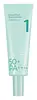
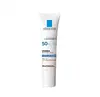
Numbuzin No.1 Clear Filter Sun Essence SPF50+ PA++++ Versus La Roche-Posay Uvidea Anthelios Tone Up-Light SPF 50+
This chemical sunscreen covers the full UV range and blocks ~98% of UVB at SPF 50.


What's inside
What's inside
 Key Ingredients
Benefits
Concerns
Ingredients Side-by-side
Glycyrrhiza Glabra Root Water 20.55%
Antioxidant
Centella Asiatica Extract 15%
Cleansing





Houttuynia Cordata Extract 14.25%
Skin Conditioning
Water
Skin ConditioningDibutyl Adipate
EmollientPropanediol
Solvent
Butyloctyl Salicylate
Skin Conditioning

Ethylhexyl Triazone
UV Absorber
Terephthalylidene Dicamphor Sulfonic Acid
UV Absorber
Polymethylsilsesquioxane

Niacinamide
Smoothing





Tromethamine
BufferingPolyglyceryl-3 Distearate
Emulsifying

1,2-Hexanediol
Skin Conditioning
Pentylene Glycol
Skin Conditioning
Diethylamino Hydroxybenzoyl Hexyl Benzoate
UV Filter
Cetearyl Alcohol
Emollient




Caprylyl Methicone
Skin Conditioning
Polysilicone-15
UV Filter
Melia Azadirachta Leaf Extract
Skin ConditioningCoccinia Indica Fruit Extract
Skin Conditioning
Eclipta Prostrata Extract
Skin Conditioning
Melia Azadirachta Flower Extract
Skin ConditioningAnastatica Hierochuntica Extract
AstringentHyacinthus Orientalis Extract
Skin ConditioningPolygonatum Officinale Rhizome/Root Extract
Skin ConditioningLycium Chinense Fruit Extract
Antioxidant
Velvet Extract
HumectantOphiopogon Japonicus Root Extract
Skin ConditioningPolygonum Multiflorum Root Extract
Skin ConditioningAstragalus Membranaceus Root Extract
Emollient
Atractylodes Lancea Root Extract
Skin ConditioningLaminaria Japonica Extract
Skin Protecting
Ulmus Davidiana Root Extract
Skin Conditioning
Aloe Barbadensis Leaf Extract
Emollient
Viola Mandshurica Flower Extract
Antioxidant
Dioscorea Japonica Root Extract
Skin Conditioning
Sodium Hyaluronate
Humectant
Glyceryl Stearate
Emollient
Bis-Ethylhexyloxyphenol Methoxyphenyl Triazine
UV Absorber
Potassium Cetyl Phosphate
EmulsifyingButylene Glycol
Humectant
Methylpropanediol
SolventCarbomer
Emulsion StabilisingAcrylates/C10-30 Alkyl Acrylate Crosspolymer
Emulsion StabilisingGlyceryl Stearate Citrate
Emollient
Ethylhexylglycerin
Skin ConditioningXanthan Gum
EmulsifyingAdenosine
Skin Conditioning
Polyether-1
Madecassoside
Antioxidant
Biosaccharide Gum-1
Humectant
Glycerin
Humectant
Dimethylsilanol Hyaluronate
Humectant
Hydrolyzed Sodium Hyaluronate
Skin Conditioning
Hydrolyzed Hyaluronic Acid
Humectant
Potassium Hyaluronate
Skin ConditioningHyaluronic Acid
Humectant
Sodium Hyaluronate Crosspolymer
Humectant
Hydroxypropyltrimonium Hyaluronate
Sodium Hyaluronate Dimethylsilanol
HumectantSodium Acetylated Hyaluronate
Humectant
Glycyrrhiza Glabra Root Water 20.55%, Centella Asiatica Extract 15%, Houttuynia Cordata Extract 14.25%, Water, Dibutyl Adipate, Propanediol, Butyloctyl Salicylate, Ethylhexyl Triazone, Terephthalylidene Dicamphor Sulfonic Acid, Polymethylsilsesquioxane, Niacinamide, Tromethamine, Polyglyceryl-3 Distearate, 1,2-Hexanediol, Pentylene Glycol, Diethylamino Hydroxybenzoyl Hexyl Benzoate, Cetearyl Alcohol, Caprylyl Methicone, Polysilicone-15, Melia Azadirachta Leaf Extract, Coccinia Indica Fruit Extract, Eclipta Prostrata Extract, Melia Azadirachta Flower Extract, Anastatica Hierochuntica Extract, Hyacinthus Orientalis Extract, Polygonatum Officinale Rhizome/Root Extract, Lycium Chinense Fruit Extract, Velvet Extract, Ophiopogon Japonicus Root Extract, Polygonum Multiflorum Root Extract, Astragalus Membranaceus Root Extract, Atractylodes Lancea Root Extract, Laminaria Japonica Extract, Ulmus Davidiana Root Extract, Aloe Barbadensis Leaf Extract, Viola Mandshurica Flower Extract, Dioscorea Japonica Root Extract, Sodium Hyaluronate, Glyceryl Stearate, Bis-Ethylhexyloxyphenol Methoxyphenyl Triazine, Potassium Cetyl Phosphate, Butylene Glycol, Methylpropanediol, Carbomer, Acrylates/C10-30 Alkyl Acrylate Crosspolymer, Glyceryl Stearate Citrate, Ethylhexylglycerin, Xanthan Gum, Adenosine, Polyether-1, Madecassoside, Biosaccharide Gum-1, Glycerin, Dimethylsilanol Hyaluronate, Hydrolyzed Sodium Hyaluronate, Hydrolyzed Hyaluronic Acid, Potassium Hyaluronate, Hyaluronic Acid, Sodium Hyaluronate Crosspolymer, Hydroxypropyltrimonium Hyaluronate, Sodium Hyaluronate Dimethylsilanol, Sodium Acetylated Hyaluronate
Water
Skin ConditioningEthylhexyl Methoxycinnamate
UV Absorber
Titanium Dioxide
Cosmetic Colorant
Squalane
Emollient
Glycerin
Humectant
Drometrizole Trisiloxane
UV Absorber
Terephthalylidene Dicamphor Sulfonic Acid
UV Absorber
Propylene Glycol
Humectant
Alcohol Denat.
Antimicrobial

Triethanolamine
BufferingDipropylene Glycol
HumectantMica
Cosmetic ColorantStearic Acid
Cleansing
Potassium Cetyl Phosphate
EmulsifyingTocopherol
Antioxidant
Nylon-12
Sodium Acrylate/Sodium Acryloyldimethyl Taurate/Acrylamide Copolymer
Emulsion StabilisingAluminum Hydroxide
EmollientBHT
Antioxidant
Bis-Ethylhexyloxyphenol Methoxyphenyl Triazine
UV Absorber
Butylene Glycol
Humectant
Butyrospermum Parkii Butter Extract
Skin Conditioning
Caprylyl Glycol
Emollient
Carbomer
Emulsion StabilisingCetearyl Alcohol
Emollient
Barium Sulfate
Cosmetic ColorantDiethylamino Hydroxybenzoyl Hexyl Benzoate
UV Filter
Disodium EDTA
ChelatingEthylhexyl Triazone
UV Absorber
Glyceryl Stearate
Emollient
Isohexadecane
EmollientMyristic Acid
Cleansing
Gossypium Herbaceum Seed Extract
Skin ConditioningPalmitic Acid
Emollient
PEG-100 Stearate
Surfactant
Phenoxyethanol
Preservative
Polysorbate 80
Emulsifying
Potassium Sorbate
Preservative
Sodium Chloride
MaskingSodium Cocoyl Sarcosinate
Cleansing
Sorbitan Oleate
Emulsifying
Thermus Thermophillus Ferment
Skin ConditioningTromethamine
BufferingXanthan Gum
EmulsifyingWater, Ethylhexyl Methoxycinnamate, Titanium Dioxide, Squalane, Glycerin, Drometrizole Trisiloxane, Terephthalylidene Dicamphor Sulfonic Acid, Propylene Glycol, Alcohol Denat., Triethanolamine, Dipropylene Glycol, Mica, Stearic Acid, Potassium Cetyl Phosphate, Tocopherol, Nylon-12, Sodium Acrylate/Sodium Acryloyldimethyl Taurate/Acrylamide Copolymer, Aluminum Hydroxide, BHT, Bis-Ethylhexyloxyphenol Methoxyphenyl Triazine, Butylene Glycol, Butyrospermum Parkii Butter Extract, Caprylyl Glycol, Carbomer, Cetearyl Alcohol, Barium Sulfate, Diethylamino Hydroxybenzoyl Hexyl Benzoate, Disodium EDTA, Ethylhexyl Triazone, Glyceryl Stearate, Isohexadecane, Myristic Acid, Gossypium Herbaceum Seed Extract, Palmitic Acid, PEG-100 Stearate, Phenoxyethanol, Polysorbate 80, Potassium Sorbate, Sodium Chloride, Sodium Cocoyl Sarcosinate, Sorbitan Oleate, Thermus Thermophillus Ferment, Tromethamine, Xanthan Gum
Reviews
Ingredients Explained
These ingredients are found in both products.
Ingredients higher up in an ingredient list are typically present in a larger amount.
This ingredient is better known as bemotrizinol or Tinosorb S and is one of the best broad-spectrum UV filters in modern sunscreen.
It works by absorbing UV light across a whole range (280-400 nm) with peaks around 310 nm (UVB) and 340-345 nm (UVA). This means it covers UVB plus the deeper UVA wavelengths that drive photoaging and pigmentation.
Another pro?
It's exceptionally photostable, barely degrades in sunlight, and acts as a "bodyguard" for less stable filters.
That's why you'll see it paired with avobenzone or octinoxate; this team up ensures they keep working through sun exposure.
Safety reviews have been reassuring across the board. This ingredient shows low absorption through the skin, rarely irritates, and lab studies found it doesn't act like a hormone in the body (a concern that's been raised about some older sunscreen filters).
On maximum concentrations:
In 2026, the US F.D.A finally added it as an OTC sunscreen ingredient at concentrations up to 6% for adults / children 6 months and older
Learn more about Bis-Ethylhexyloxyphenol Methoxyphenyl TriazineButylene Glycol (or BG) is used within cosmetic products for a few different reasons:
Overall, Butylene Glycol is a safe and well-rounded ingredient that works well with other ingredients.
Though this ingredient works well with most skin types, some people with sensitive skin may experience a reaction such as allergic rashes, closed comedones, or itchiness.
Learn more about Butylene GlycolCarbomer is a synthetic thickening and gelling agent. It's basically the ingredient that gives a lot of serums, gels, creams, and sunscreens their smooth, non-sticky texture.
Although legally permitted at very high levels, carbomers are normally used at concentrations below 1%.
It also needs to be neutralized to actually thicken, and because it is a large molecule, it doesn't really penetrate the skin barrier.
Allergy-wise, the risk is very low. Clinical studies show carbomers have low potential for skin irritation/sensitization even at concentrations up to 100%.
A 2024 UK study patch-tested 1,302 patients and found true allergy to the parent group of carbomer to be rare with no confirmed relevant reactions.
Learn more about CarbomerCetearyl alcohol is a waxy mixture of two fatty alcohols: cetyl alcohol and stearyl alcohol. It is an emollient and emulsifier.
Despite having "alcohol" in its name, it has nothing to do with drying solvent alcohols; the FDA also allows "alcohol-free" products to contain fatty alcohols like this ingredient.
It plays several roles in a formula:
Typical use levels for this ingredient sit around 1-10% and the Cosmetic Ingredient Review Expert Panel has affirmed safety at concentrations up to 25% in leave-on products.
Multiple assessments have found it to be non-irritating and non-sensitizing to most people.
However, there have been some cases of allergic contact dermatitis in patients with chronically compromised skin barriers.
Cetearyl alcohol has a comedogenic rating of 2 and irritancy rating of 1. Both of these numbers come from the 1989 study that used rabbit ears; a "2" means mildly comedogenic and a "1" means low irritancy.
Here's the catch: rabbit skin is more sensitive than human skin and throws a lot of false positives. A 1996 reappraisal found that ingredients rated 1-2 in the rabbit ear tests are generally safe for humans.
Remember comedogenic ratings are unable to assess the entire formula of a product or how it will react on your skin. Just be sure to patch test if you are unsure about certain ingredients.
This ingredient is not fungal acne safe. Cetearyl alcohol is a fatty alcohol with chain lengths that fall within the range that Malassezia can metabolize.
A 2019 study has also observed Malassezia growth in the presence of this ingredient, confirming it to be not-fungal acne safe.
Learn more about Cetearyl AlcoholDiethylamino Hydroxybenzoyl Hexyl Benzoate (DHHB) is a chemical UV-A absorber. It is formulated for high UVA protection (320-400 nm).
DHHB is well-liked for:
DHHB has been approved by the EU, Japan, Taiwan, and South America for use up to 10%. Unfortunately, it has not been approved for use in the US or Canada due to slow regulatory processes.
This ingredient is soluble in oils, fats, and lipids.
Learn more about Diethylamino Hydroxybenzoyl Hexyl BenzoateEthylhexyl Triazone (aka Octyl Triazone) is an oil-soluble organic UVB filter. It has peak absorption around 314 nm, right in the middle of the UVB range.
This ingredient is described as one of the most effective UVB filters available and small concentrations are enough to deliver a high SPF thanks to its strong UV absorbing power.
Formulators love it for its stability; its ability to filter UV stays practically unchanged even under intense radiation and it can also help boost the photostability of less stable filters like avobenzone.
It's also a great pick for water resistant products because it's insoluble in water and has a good affinity for keratin.
Because it's a big, heavy molecule, the European Scientific Committee has found to to have very low dermal penetration and negative results for allergenicity.
In vitro testing also showed a low absorption rate and clean results on irritation.
Typical use levels are 1-5% with 5% being the maximum in the EU, Japan, and other markets that allow it. However, this ingredient is not approved yet in the US or Canada.
Learn more about Ethylhexyl TriazoneGlycerin (or glycerol) is a compound naturally found in your skin. It's a powerhouse humectant that pulls water into the stratum corneum.
Topically, glycerin does several things at once:
Your skin makes glycerin on its own (mostly from sebaceous oil breakdown) and shuttles it to your outermost layer of skin, or your epidermis, via aquaporin-3.
Aquaporin-3 is a transporter that is essential for normal skin hydration, elasticity, and repair. Interestingly, mice lacking in AQP3 have dry and less elastic skin that can be fully corrected with glycerin.
This ingredient is non-irritating, plays well with almost every ingredient, and works across all skin types. Typical use is anywhere between 3-10% but can go up to 79% in some leave-on products.
Just know very high concentrations (>40%) can feel tacky in low humidity.
Glycerin is the name for this ingredient in American English. British English uses Glycerol/Glycerine.
Learn more about GlycerinGlyceryl Stearate is made by reacting glycerin with stearic acid (typically sourced from plant oils like palm or coconut). It's an emulsifier, emollient, and mild occlusive.
Emulsifiers help ingredients like oil and water stay mixed so your formula stays nicely blended and uniform in texture.
This ingredient is typically used in concentrations between 1-10%. Studies have found it to be non-sensitizing, non-phototoxic, and non-photoallergenic.
A close cousin of this ingredient is Glyceryl Stearate SE ("self-emulsifying"). This just has a small amount of sodium or potassium stearate added so it can emulsify without a co-emulsifier.
Since this ingredient is an ester of a C18 fatty acid, it may not be fungal acne safe. The Malassezia yeast can potentially metabolize within the C11-C24 range.
Fun fact: The human body also creates Glyceryl Stearate naturally.
Learn more about Glyceryl StearatePotassium Cetyl Phosphate is the potassium salt of a mixture. This mixture consists of the esters from phosphoricacid and cetyl alcohol.
Potassium Cetyl Phosphate is an emulsifier and cleansing agent. Emulsifiers help stabilize a product. It does this by preventing certain ingredients from separating.
As a cleansing agent, Potassium Cetyl Phosphate helps gather oils, dirts, and pollutants from your skin. This makes it easier to rinse them away with water.
Learn more about Potassium Cetyl PhosphateTerephthalylidene Dicamphor Sulfonic Acid (aka ecamsule or Mexoryl SX) is a water-soluble organic UV filter developed and patented by L'Oreal back in 1982.
It's one of the better UVA protectors out there and shields skin across a broad UVA range (~290-390 nm) with peak absorption right around 345 nm.
This peak absorption happens to be the exact type of UVA light that sinks deepest into skin and does the most to cause aging and dark spots.
Ecamsule works by soaking up UV rays and turning them into a tiny bit of harmless heat. The molecule basically flips, releases that energy as heat, then snaps back to its original shape and does it all over again. This is also why it's so stable in sunlight and doesn't break down or wear out the way some filters do.
The clinical backing for this ingredient is solid as well:
A large 2008 review by Fourtanier & colleagues (2008) pulled together human trials showing ecamsule-containing sunscreens prevented UV-induced pigmentation, DNA damage, and signs of aging.
That built on earlier work by Seite et al. (1998) that found it protected skin from repeated low-level UVA exposure. And a controlled study by DeLeo et al. (2009) showed that even an SPF 40 cream with ecamsule helped prevent sun-triggered rash even under the real sun.
On concentrations:
Because this ingredient is an acid, it has to be neutralized so it doesn't tank the product's pH.
Safety-wise, it's pretty well tolerated. There are some rare cases of mild irritation mostly in people with sensitivities towards camphor derivatives.
A 2019 FDA study found that volunteers who slathered on sunscreen heavily for several days had tiny amounts of ecamsule show up in their blood. This was slightly above the level at which the FDA asks for extra safety testing; this just means the FDA wants more safety studies done and not evidence that anything harmful actually happens. No problems were found and dermatologists still recommend using sunscreen.
Learn more about Terephthalylidene Dicamphor Sulfonic AcidTromethamine (aka THAM) is a synthetic amino acid that shows up in skincare as a helper ingredient.
It functions as a pH adjuster to help neutralize acidic ingredients and set a formula's pH to the right spot.
This matters a lot because a lot of actives (like vitamin C) needs a specific pH to work well and feel comfortable on skin.
Concentration use ranges from 0.1-1.0% depending on the formula.
Learn more about TromethamineWater. It's the most common cosmetic ingredient of all. You'll usually see it at the top of ingredient lists, meaning that it makes up the largest part of the product.
So why is it so popular? Water most often acts as a solvent - this means that it helps dissolve other ingredients into the formulation.
You'll also recognize water as that liquid we all need to stay alive. If you see this, drink a glass of water. Remember to stay hydrated!
Learn more about WaterXanthan gum is used as a stabilizer and thickener within cosmetic products. It helps give products a sticky, thick feeling - preventing them from being too runny.
On the technical side of things, xanthan gum is a polysaccharide - a combination consisting of multiple sugar molecules bonded together.
Xanthan gum is a pretty common and great ingredient. It is a natural, non-toxic, non-irritating ingredient that is also commonly used in food products.
Learn more about Xanthan Gum

