
What's inside
What's inside
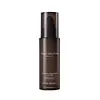 Key Ingredients
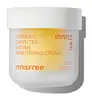
Benefits
Concerns
Ingredients Side-by-side
Snail Secretion Filtrate
Skin Conditioning





Glycerin
Humectant
Dipropylene Glycol
HumectantNiacinamide
Smoothing





Caprylic/Capric Triglyceride
Masking
PEG/PPG-17/6 Copolymer
SolventCyclopentasiloxane
Emollient
Dimethicone
Emollient
Sodium Hyaluronate
Humectant
Chondrus Crispus Extract
Skin Conditioning
Water
Skin ConditioningCaprylic/Capric/Myristic/Stearic Triglyceride
EmollientPolysorbate 60
Emulsifying
Dimethiconol
Emollient
Sodium Polyacrylate
Absorbent
Lecithin
Emollient
Caprylyl Glycol
Emollient
Acrylates/C10-30 Alkyl Acrylate Crosspolymer
Emulsion StabilisingCyclomethicone
Emollient
Potassium Hydroxide
BufferingPolysilicone-11
Dimethicone/Vinyl Dimethicone Crosspolymer
Skin Conditioning
Adenosine
Skin Conditioning
Glyceryl Acrylate/Acrylic Acid Copolymer
Humectant1,2-Hexanediol
Skin Conditioning
Cetyl Ethylhexanoate
EmollientEthylhexyl Palmitate
Emollient

Cassia Angustifolia Seed Polysaccharide
Skin ConditioningTocopherol
Antioxidant

Ceramide NP
Skin Conditioning
Madecassoside
Antioxidant
Citric Acid
Buffering


Xanthan Gum
EmulsifyingDisodium EDTA
Phenoxyethanol
Preservative
Potassium Sorbate
Preservative
Parfum
Masking

Linalool
Perfuming

Snail Secretion Filtrate, Glycerin, Dipropylene Glycol, Niacinamide, Caprylic/Capric Triglyceride, PEG/PPG-17/6 Copolymer, Cyclopentasiloxane, Dimethicone, Sodium Hyaluronate, Chondrus Crispus Extract, Water, Caprylic/Capric/Myristic/Stearic Triglyceride, Polysorbate 60, Dimethiconol, Sodium Polyacrylate, Lecithin, Caprylyl Glycol, Acrylates/C10-30 Alkyl Acrylate Crosspolymer, Cyclomethicone, Potassium Hydroxide, Polysilicone-11, Dimethicone/Vinyl Dimethicone Crosspolymer, Adenosine, Glyceryl Acrylate/Acrylic Acid Copolymer, 1,2-Hexanediol, Cetyl Ethylhexanoate, Ethylhexyl Palmitate, Cassia Angustifolia Seed Polysaccharide, Tocopherol, Ceramide NP, Madecassoside, Citric Acid, Xanthan Gum, Disodium EDTA, Phenoxyethanol, Potassium Sorbate, Parfum, Linalool
Water
Skin ConditioningButylene Glycol
Humectant
Propanediol
Solvent
Glycerin
Humectant
Niacinamide
Smoothing
Isopentyldiol
Humectant
1,2-Hexanediol
Skin Conditioning
Hydrogenated Poly(C6-14 Olefin)
EmollientCaprylic/Capric Triglyceride
Masking
Isononyl Isononanoate
EmollientSqualane
Emollient
Ammonium Acryloyldimethyltaurate/Vp Copolymer
Acrylates/C10-30 Alkyl Acrylate Crosspolymer
Emulsion StabilisingArginine
Masking
Trehalose
Humectant
Hydroxyethyl Acrylate/Sodium Acryloyldimethyl Taurate Copolymer
Emulsion StabilisingSodium Acrylic Acid/Ma Copolymer
Dextrin
AbsorbentXanthan Gum
Emulsifying3-O-Ethyl Ascorbic Acid
Skin Conditioning
Cetearyl Olivate
Citrus Reticulata Peel Extract
Skin ConditioningCastor Oil/Ipdi Copolymer

Coptis Japonica Root Extract
Skin ConditioningEthylhexylglycerin
Skin ConditioningDaucus Carota Sativa Root Extract
Skin Conditioning
Sorbitan Olivate
Emulsifying
Canola Oil
Emollient
Cyclodextrin
AbsorbentSodium Phytate
Glyceryl Acrylate/Acrylic Acid Copolymer
HumectantSorbitan Isostearate
Emulsifying
Protease
Exfoliating
Caprylyl Glycol
Emollient
Pvm/Ma Copolymer
Emulsion StabilisingDaucus Carota Sativa Seed Oil
Emollient
Carbomer
Emulsion StabilisingAscorbyl Tetraisopalmitate
Antioxidant
Tocopheryl Acetate
Antioxidant
Beta-Carotene
Skin ConditioningHelianthus Annuus Seed Oil
Emollient
Amodimethicone
Glucose
Humectant
Sodium Hyaluronate
Humectant
Panthenol
Skin Conditioning
Chondrus Crispus Extract
Skin Conditioning
Hydroxypropyltrimonium Hyaluronate
Sodium Ascorbyl Phosphate
Antioxidant
Tocopherol
Antioxidant
Magnesium Ascorbyl Phosphate
Antioxidant
Glutathione
Ferulic Acid
Antimicrobial
Linum Usitatissimum Seed Oil
Perfuming
Hydrolyzed Hyaluronic Acid
Humectant
Sodium Acetylated Hyaluronate
Humectant
Cyanocobalamin
Skin ConditioningGluconolactone
Skin Conditioning
Hyaluronic Acid
Humectant
Sodium Hyaluronate Crosspolymer
Humectant
Hydrolyzed Sodium Hyaluronate
Skin Conditioning
Potassium Hyaluronate
Skin ConditioningLinolenic Acid
Cleansing
Linoleic Acid
Cleansing
Ascorbic Acid
Antioxidant
Biotin
AntiseborrhoeicFolic Acid
Skin Conditioning
Riboflavin
Cosmetic ColorantPyridoxine
Skin ConditioningThiamine Hcl
MaskingWater, Butylene Glycol, Propanediol, Glycerin, Niacinamide, Isopentyldiol, 1,2-Hexanediol, Hydrogenated Poly(C6-14 Olefin), Caprylic/Capric Triglyceride, Isononyl Isononanoate, Squalane, Ammonium Acryloyldimethyltaurate/Vp Copolymer, Acrylates/C10-30 Alkyl Acrylate Crosspolymer, Arginine, Trehalose, Hydroxyethyl Acrylate/Sodium Acryloyldimethyl Taurate Copolymer, Sodium Acrylic Acid/Ma Copolymer, Dextrin, Xanthan Gum, 3-O-Ethyl Ascorbic Acid, Cetearyl Olivate, Citrus Reticulata Peel Extract, Castor Oil/Ipdi Copolymer, Coptis Japonica Root Extract, Ethylhexylglycerin, Daucus Carota Sativa Root Extract, Sorbitan Olivate, Canola Oil, Cyclodextrin, Sodium Phytate, Glyceryl Acrylate/Acrylic Acid Copolymer, Sorbitan Isostearate, Protease, Caprylyl Glycol, Pvm/Ma Copolymer, Daucus Carota Sativa Seed Oil, Carbomer, Ascorbyl Tetraisopalmitate, Tocopheryl Acetate, Beta-Carotene, Helianthus Annuus Seed Oil, Amodimethicone, Glucose, Sodium Hyaluronate, Panthenol, Chondrus Crispus Extract, Hydroxypropyltrimonium Hyaluronate, Sodium Ascorbyl Phosphate, Tocopherol, Magnesium Ascorbyl Phosphate, Glutathione, Ferulic Acid, Linum Usitatissimum Seed Oil, Hydrolyzed Hyaluronic Acid, Sodium Acetylated Hyaluronate, Cyanocobalamin, Gluconolactone, Hyaluronic Acid, Sodium Hyaluronate Crosspolymer, Hydrolyzed Sodium Hyaluronate, Potassium Hyaluronate, Linolenic Acid, Linoleic Acid, Ascorbic Acid, Biotin, Folic Acid, Riboflavin, Pyridoxine, Thiamine Hcl
Ingredients Explained
These ingredients are found in both products.
Ingredients higher up in an ingredient list are typically present in a larger amount.
1,2-Hexanediol is a synthetic liquid and another multi-functional powerhouse.
It is a:
- Humectant, drawing moisture into the skin
- Emollient, helping to soften skin
- Solvent, dispersing and stabilizing formulas
- Preservative booster, enhancing the antimicrobial activity of other preservatives
Acrylates/C10-30 Alkyl Acrylate Crosspolymer is a synthetic polymer. It is used to thicken and improve the texture of products. Due to its properties, it can prevent water and oil ingredients from separating.
This ingredient is an emollient, solvent, and texture enhancer. It is considered a skin-softener by helping the skin prevent moisture loss.
It helps thicken a product's formula and makes it easier to spread by dissolving clumping compounds.
Caprylic Triglyceride is made by combining glycerin with coconut oil, forming a clear liquid.
While there is an assumption Caprylic Triglyceride can clog pores due to it being derived from coconut oil, there is no research supporting this.
Learn more about Caprylic/Capric TriglycerideCaprylyl Glycol is a humectant and emollient, meaning it attracts and preserves moisture.
It is a common ingredient in many products, especially those designed to hydrate skin. The primary benefits are retaining moisture, skin softening, and promoting a healthy skin barrier.
Though Caprylyl Glycol is an alcohol derived from fatty acids, it is not the kind that can dry out skin.
This ingredient is also used as a preservative to extend the life of products. It has slight antimicrobial properties.
Learn more about Caprylyl GlycolChondrus Crispus Extract comes from a red algae native to the northern Atlantic coasts of Europe and North America. It helps hydrate the skin and is rich in antioxidants.
The antioxidants in chondrus crispus include lutein and zeaxanthin. Lutein has the ability to filter blue light from screens.
Other contents of chondrus crispus include polysaccharides, peptides, and amino acids. These help hydrate the skin.
What's the difference between algae and seaweed?
Algae is a broad term that includes seaweed. Not all algae is seaweed.
Glycerin is already naturally found in your skin. It helps moisturize and protect your skin.
A study from 2016 found glycerin to be more effective as a humectant than AHAs and hyaluronic acid.
As a humectant, it helps the skin stay hydrated by pulling moisture to your skin. The low molecular weight of glycerin allows it to pull moisture into the deeper layers of your skin.
Hydrated skin improves your skin barrier; Your skin barrier helps protect against irritants and bacteria.
Glycerin has also been found to have antimicrobial and antiviral properties. Due to these properties, glycerin is often used in wound and burn treatments.
In cosmetics, glycerin is usually derived from plants such as soybean or palm. However, it can also be sourced from animals, such as tallow or animal fat.
This ingredient is organic, colorless, odorless, and non-toxic.
Glycerin is the name for this ingredient in American English. British English uses Glycerol/Glycerine.
Learn more about GlycerinGlyceryl Acrylate/Acrylic Acid Copolymer is made up of glycerin and polyacrylic acid. It helps hydrate your skin as a humectant.
This ingredient forms a hydrogel that delivers moisturizing, water-based ingredients to the skin. It is also used to thicken a product and to give it a smooth texture.
Acrylic acid itself is toxic, but the polymer form (this ingredient) is too large to penetrate skin, making it non-toxic.
Learn more about Glyceryl Acrylate/Acrylic Acid CopolymerNiacinamide is a multitasking form of vitamin B3 that strengthens the skin barrier, reduces pores and dark spots, regulates oil, and improves signs of aging.
And the best part? It's gentle and well-tolerated by most skin types, including sensitive and reactive skin.
You might have heard of "niacin flush", or the reddening of skin that causes itchiness. Niacinamide has not been found to cause this.
In very rare cases, some individuals may not be able to tolerate niacinamide at all or experience an allergic reaction to it.
If you are experiencing flaking, irritation, and dryness with this ingredient, be sure to double check all your products as this ingredient can be found in all categories of skincare.
When incorporating niacinamide into your routine, look out for concentration amounts. Typically, 5% niacinamide provides benefits such as fading dark spots. However, if you have sensitive skin, it is better to begin with a smaller concentration.
When you apply niacinamide to your skin, your body converts it into nicotinamide adenine dinucleotide (NAD). NAD is an essential coenzyme that is already found in your cells as "fuel" and powers countless biological processes.
In your skin, NAD helps repair cell damage, produce new healthy cells, support collagen production, strengthen the skin barrier, and fight environmental stressors (like UV and pollution).
Our natural NAD levels start to decline with age, leading to slower skin repair, visible aging, and a weaker skin barrier. By providing your skin niacinamide, you're recharging your skin's NAD levels. This leads to stronger, healthier, and younger looking skin.
Another name for vitamin B3 is nicotinamide. This vitamin is water-soluble and our bodies don't store it. We obtain Vitamin B3 from either food or skincare. Meat, fish, wheat, yeast, and leafy greens contain vitamin B3.
The type of niacinamide used in skincare is synthetically created.
Learn more about NiacinamideSodium Hyaluronate is hyaluronic acid's salt form. It is commonly derived from the sodium salt of hyaluronic acid.
Like hyaluronic acid, it is great at holding water and acts as a humectant. This makes it a great skin hydrating ingredient.
Sodium Hyaluronate is naturally occurring in our bodies and is mostly found in eye fluid and joints.
These are some other common types of Hyaluronic Acid:
Learn more about Sodium HyaluronateTocopherol (also known as Vitamin E) is a common antioxidant used to help protect the skin from free-radicals and strengthen the skin barrier. It's also fat soluble - this means our skin is great at absorbing it.
Vitamin E also helps keep your natural skin lipids healthy. Your lipid skin barrier naturally consists of lipids, ceramides, and fatty acids. Vitamin E offers extra protection for your skin’s lipid barrier, keeping your skin healthy and nourished.
Another benefit is a bit of UV protection. Vitamin E helps reduce the damage caused by UVB rays. (It should not replace your sunscreen). Combining it with Vitamin C can decrease sunburned cells and hyperpigmentation after UV exposure.
You might have noticed Vitamin E + C often paired together. This is because it is great at stabilizing Vitamin C. Using the two together helps increase the effectiveness of both ingredients.
There are often claims that Vitamin E can reduce/prevent scarring, but these claims haven't been confirmed by scientific research.
Learn more about TocopherolWater. It's the most common cosmetic ingredient of all. You'll usually see it at the top of ingredient lists, meaning that it makes up the largest part of the product.
So why is it so popular? Water most often acts as a solvent - this means that it helps dissolve other ingredients into the formulation.
You'll also recognize water as that liquid we all need to stay alive. If you see this, drink a glass of water. Stay hydrated!
Learn more about WaterXanthan gum is used as a stabilizer and thickener within cosmetic products. It helps give products a sticky, thick feeling - preventing them from being too runny.
On the technical side of things, xanthan gum is a polysaccharide - a combination consisting of multiple sugar molecules bonded together.
Xanthan gum is a pretty common and great ingredient. It is a natural, non-toxic, non-irritating ingredient that is also commonly used in food products.
Learn more about Xanthan Gum
