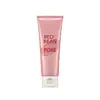
This foaming cleanser uses mild cleansing ingredients, but contains alcohol that may feel drying for some.
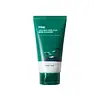
This salicylic acid clay cleanser is formulated around Salicylic Acid to clear breakouts and unclog pores.

What's inside
What's inside
 Key Ingredients
Benefits
Concerns
Ingredients Side-by-side
Water
Skin ConditioningDisodium Cocoamphodiacetate
CleansingCoco-Betaine
Cleansing
Cellulose
Absorbent
Glycerin
Humectant


Sodium Cocoyl Alaninate
Surfactant
Sodium Lauroyl Methyl Isethionate
CleansingSodium Chloride
MaskingPhaseolus Angularis Seed Powder
Acrylates Copolymer
Citric Acid
Buffering


Potassium Benzoate
Preservative
Hydroxyacetophenone
Antioxidant
Xanthan Gum
EmulsifyingRosmarinus Officinalis Leaf Oil
Masking
Hexylene Glycol
EmulsifyingDextrin
AbsorbentTheobroma Cacao Seed Extract
Antioxidant
Sodium Phytate
ChelatingButylene Glycol
Humectant
Cyanocobalamin
Skin Conditioning1,2-Hexanediol
Skin Conditioning
Hydrogenated Lecithin
Emulsifying
Centella Asiatica Extract
Cleansing



Ficus Carica Fruit Extract
Humectant
Beta-Glucan
Skin Conditioning
Ceramide NP
Skin Conditioning
Dipropylene Glycol
HumectantHydrogenated Phosphatidylcholine
Emulsifying
Propanediol
Solvent
Capryloyl Salicylic Acid
Exfoliating



Caprylic/Capric Triglyceride
Masking
Retinol
Skin Conditioning

Cholesterol
Emollient
Hdi/Trimethylol Hexyllactone Crosspolymer
Palmitic Acid
Emollient



Stearic Acid
Cleansing
Polyvinyl Alcohol
Methylpropanediol
SolventTocopherol
Antioxidant
Palmitoyl Tripeptide-5
Skin Conditioning
Hydroxypropyl Cyclodextrin
MaskingMorus Alba Root Extract
BleachingCaprylyl Glycol
Emollient
Alcohol
Antimicrobial

Hydrolyzed Collagen
Emollient
Hydrolyzed Elastin
EmollientPhenylpropanol
Masking

Sodium Hyaluronate
Humectant
Sucrose Distearate
Emollient
Disodium EDTA
ChelatingPhaseolus Angularis Seed Extract
Antioxidant
Water, Disodium Cocoamphodiacetate, Coco-Betaine, Cellulose, Glycerin, Sodium Cocoyl Alaninate, Sodium Lauroyl Methyl Isethionate, Sodium Chloride, Phaseolus Angularis Seed Powder, Acrylates Copolymer, Citric Acid, Potassium Benzoate, Hydroxyacetophenone, Xanthan Gum, Rosmarinus Officinalis Leaf Oil, Hexylene Glycol, Dextrin, Theobroma Cacao Seed Extract, Sodium Phytate, Butylene Glycol, Cyanocobalamin, 1,2-Hexanediol, Hydrogenated Lecithin, Centella Asiatica Extract, Ficus Carica Fruit Extract, Beta-Glucan, Ceramide NP, Dipropylene Glycol, Hydrogenated Phosphatidylcholine, Propanediol, Capryloyl Salicylic Acid, Caprylic/Capric Triglyceride, Retinol, Cholesterol, Hdi/Trimethylol Hexyllactone Crosspolymer, Palmitic Acid, Stearic Acid, Polyvinyl Alcohol, Methylpropanediol, Tocopherol, Palmitoyl Tripeptide-5, Hydroxypropyl Cyclodextrin, Morus Alba Root Extract, Caprylyl Glycol, Alcohol, Hydrolyzed Collagen, Hydrolyzed Elastin, Phenylpropanol, Sodium Hyaluronate, Sucrose Distearate, Disodium EDTA, Phaseolus Angularis Seed Extract
Water
Skin ConditioningGlycerin
Humectant
Bentonite
Absorbent
Methylpropanediol
SolventKaolin
Abrasive
Hectorite
AbsorbentMyristic Acid
Cleansing
Coco-Glucoside
Cleansing
Potassium Cocoyl Glycinate
Surfactant
Palmitic Acid
Emollient
1,2-Hexanediol
Skin Conditioning
Butylene Glycol
Humectant
Cellulose
Absorbent
Titanium Dioxide
Cosmetic Colorant

Stearic Acid
Cleansing
Potassium Hydroxide
BufferingCharcoal Powder
Abrasive
Salicylic Acid
Masking
Sodium Cocoyl Glycinate
Cleansing
Dimethyl Isosorbide
SolventMagnesium Aluminum Silicate
Absorbent
Xanthan Gum
EmulsifyingEthylhexylglycerin
Skin ConditioningHydroxyacetophenone
Antioxidant
Centella Asiatica Leaf/Stem Powder
Pinus Densiflora Leaf Powder
AntimicrobialCitrus Aurantium Bergamia Fruit Oil
Masking
Pinus Sylvestris Leaf Oil
Masking
Sodium Phytate
ChelatingAgar
MaskingDecyl Glucoside
Cleansing
Pelargonium Graveolens Flower Oil
Masking
Helianthus Annuus Seed Oil
Emollient
Rosmarinus Officinalis Leaf Oil
Masking
Chondrus Crispus Extract
Skin Conditioning
Camellia Sinensis Leaf Extract
Antimicrobial
Salix Alba Bark Extract
Astringent
Cladosiphon Okamuranus Extract
Skin Conditioning
Centella Asiatica Leaf Extract
Skin Conditioning
Cymbopogon Citratus Leaf Oil
Masking
Coffea Arabica Seed Extract
Masking
Citrus Aurantium Bergamia Leaf Extract
AstringentPinus Densiflora Leaf Extract
Antimicrobial
Illite
Abrasive
Montmorillonite
AbsorbentCentella Asiatica Extract
Cleansing
Glycoproteins
Skin Conditioning
Asiaticoside
Antioxidant
Madecassic Acid
Skin Conditioning
Asiatic Acid
Skin Conditioning
Limonene
Perfuming
Linalool
Perfuming
Water, Glycerin, Bentonite, Methylpropanediol, Kaolin, Hectorite, Myristic Acid, Coco-Glucoside, Potassium Cocoyl Glycinate, Palmitic Acid, 1,2-Hexanediol, Butylene Glycol, Cellulose, Titanium Dioxide, Stearic Acid, Potassium Hydroxide, Charcoal Powder, Salicylic Acid, Sodium Cocoyl Glycinate, Dimethyl Isosorbide, Magnesium Aluminum Silicate, Xanthan Gum, Ethylhexylglycerin, Hydroxyacetophenone, Centella Asiatica Leaf/Stem Powder, Pinus Densiflora Leaf Powder, Citrus Aurantium Bergamia Fruit Oil, Pinus Sylvestris Leaf Oil, Sodium Phytate, Agar, Decyl Glucoside, Pelargonium Graveolens Flower Oil, Helianthus Annuus Seed Oil, Rosmarinus Officinalis Leaf Oil, Chondrus Crispus Extract, Camellia Sinensis Leaf Extract, Salix Alba Bark Extract, Cladosiphon Okamuranus Extract, Centella Asiatica Leaf Extract, Cymbopogon Citratus Leaf Oil, Coffea Arabica Seed Extract, Citrus Aurantium Bergamia Leaf Extract, Pinus Densiflora Leaf Extract, Illite, Montmorillonite, Centella Asiatica Extract, Glycoproteins, Asiaticoside, Madecassic Acid, Asiatic Acid, Limonene, Linalool
Ingredients Explained
These ingredients are found in both products.
Ingredients higher up in an ingredient list are typically present in a larger amount.
1,2-Hexanediol is a synthetic liquid and another multi-functional powerhouse.
It is a:
- Humectant, drawing moisture into the skin
- Emollient, helping to soften skin
- Solvent, dispersing and stabilizing formulas
- Preservative booster, enhancing the antimicrobial activity of other preservatives
Butylene Glycol (or BG) is used within cosmetic products for a few different reasons:
Overall, Butylene Glycol is a safe and well-rounded ingredient that works well with other ingredients.
Though this ingredient works well with most skin types, some people with sensitive skin may experience a reaction such as allergic rashes, closed comedones, or itchiness.
Learn more about Butylene GlycolCellulose is the main component of plant cell walls. It is used as an emulsifier, absorbent, and texture enhancer.
This ingredient has many functions:
Fun fact: Cellulose is the most abundant form of organic polymer on Earth.
Learn more about CelluloseCentella Asiatica Extract (Centella) is one of the most researched botanical extracts in skincare with decades of studies backing its effects on inflammation, collagen, and the skin barrier.
That research keeps pointing back to the same four triterpenoid saponins: Asiaticoside, Madecassoside, Asiatic Acid, and Madecassic Acid.
These compounds allow centella to dial back inflammation, encourage the skin to build and hold onto collagen, support the barrier and hydration, and bring solid antioxidant activity to protect against signs of aging.
Centella also carries a nice supporting cast of Vitamin A, vitamin C, several B vitamins, and amino acids. Put it all together and you get an ingredient that soothes, hydrates, and protects, all at once.
Most of centella's magic comes from the four big compounds (Asiaticoside, Madecassoside, Asiatic Acid, and Madecassic Acid). These are the actives doing the heavy lifting in almost every centella study.
Here is the short version of what they do in the skin:
So it is not just soothing for the sake of soothing. Centella calms the skin AND helps it rebuild.
Just FYI, not all centella on an ingredient list is the same. What you are getting actually depends on the extract:
Fun fact on the ratios: the leaves tend to be richest in Madecassoside and Asiaticoside, and lower in the two acids. The exact amounts shift with where the plant is grown and how it is processed. This means purity really does vary brand to brand.
Centella is one of the most easygoing actives out there.
It layers well with basically everything: niacinamide, hyaluronic acid, peptides, and vitamin C, and also pairs nicely with stronger actives like retinoids and exfoliating acids where it can help take the edge off irritation.
On the safety side, centella and its triterpenes are classified as weak sensitizers, meaning allergic reactions are possible but uncommon.
Patch tests at 1% and 5% came back negative in test panels, and creams at typical use levels did not cause allergic reactions across large groups of people.
But as with any new active, a patch test is still a smart move for very reactive skin.
Centella is widely used because it is effective at low percentages. For context, human safety testing found no meaningful irritation from creams containing centella extract at everyday use levels (the tested amounts were well under 1%).
The irritancy threshold in animal testing was also above 30% (so real-world formulas sit far below anything concerning).
In collagen lab studies, higher concentrations drove more collagen synthesis, so serums built around centella tend to feature it more prominently.
Bottom line: you will find centella working nicely anywhere from a fraction of a percent up to hero-ingredient levels depending on whether it is a supporting soother or the main event.
Fun fact: Centella has been used as a medicine and in food for many centuries. As a medicine, it is used to treat burns, scratches, and wounds.
Learn more about Centella Asiatica ExtractGlycerin (or glycerol) is a compound naturally found in your skin. It's a powerhouse humectant that pulls water into the stratum corneum.
Topically, glycerin does several things at once:
Your skin makes glycerin on its own (mostly from sebaceous oil breakdown) and shuttles it to your outermost layer of skin, or your epidermis, via aquaporin-3.
Aquaporin-3 is a transporter that is essential for normal skin hydration, elasticity, and repair. Interestingly, mice lacking in AQP3 have dry and less elastic skin that can be fully corrected with glycerin.
This ingredient is non-irritating, plays well with almost every ingredient, and works across all skin types. Typical use is anywhere between 3-10% but can go up to 79% in some leave-on products.
Just know very high concentrations (>40%) can feel tacky in low humidity.
Glycerin is the name for this ingredient in American English. British English uses Glycerol/Glycerine.
Learn more about GlycerinHydroxyacetophenone is a small phenolic molecule that earns its place in a formulas as an antioxidant and preservative booster.
As a phenol, it is able to neutralize free radicals to protect both the product and the skin from oxidative stress.
Though it can't kill microbes on its own, it works as a good supporting agent when combined with other preservatives like Phenoxyethanol or 1,2-Hexanediol.
This ingredient naturally occurs as piceol in Norwegian spruce needles (~0.4-1.1% dry weight and in cloudberries). Though the cosmetic-grade material is synthesized for purity and consistency.
You'll usually see it used at low levels and suppliers recommend up to 1% added to a water phase.
Safety testing was done at concentrations like 0.05% in SPF products and 0.5% in a Human Repeated Insult Patch Test. The safety evidence is assuring; this ingredient is safe for cosmetics in current use and also holds safety status as a food flavoring as well.
An honest caveat: the "soothing" and "anti-inflammatory" claims come mostly from supplier marketing rather than published clinical trials. The Cosmetic Ingredient Review's own literature search found no useful efficacy studies on this ingredient.
So the antioxidant and preservative-boosting roles are the well supported ones while the calming benefit is plausible but thinly evidenced.
Overall, this is a well-tolerated, low-irritation multitasker that quietly helps a formula stay fresh and stable.
Learn more about HydroxyacetophenoneMethylpropanediol is a synthetic solvent and humectant.
As a solvent, it helps dissolve other ingredients, helping to evenly distribute ingredients throughout the product. This ingredient has also been shown to have antimicrobial properties which makes it a preservative booster.
Methylpropanediol is able to add a bit of moisture to the skin. It also helps other ingredients be better absorbed into the skin, such as salicylic acid.
Learn more about MethylpropanediolPalmitic Acid is a fatty acid naturally found in our skin and in many plant and animal sources.
In cosmetics, it is usually derived from palm oil. It serves many purposes in skincare, acting as a cleanser, emollient, and emulsifier.
Interestingly, topically applied Palmitic Acid can be elongated into longer chain fatty acids and ceramides. A 2019 study found low levels of Palmitic Acid lead to slower development of cells, suggesting it plays a role in keeping your skin's renewal process on track.
The CIR (Cosmetic Ingredient Review) panel determined it safe as used in cosmetics at concentrations up to 13%. It is non-irritating and non-sensitizing in clinical studies.
The culprit behind fungal acne, the Malassezia yeast, feeds on fatty acids with carbon chain lengths between C11-C24. Palmitic Acid, at C16, falls right into that sweet spot.
In vitro studies have shown that Palmitic Acid is one of the fatty acids that induce rapid Malassezia growth in lab settings.
It's worth noting that what feeds yeast in a lab doesn't necessarily feed it on your face since formulation and your skin's chemistry play a bigger role.
This ingredient does have a comedogenic rating of 2, but this doesn't mean a formula with this ingredient will clog pores.
Human testing has proved that any finished product with a comedogenic ingredient won't automatically make you break out; it really comes down to concentration, formula, and your skin.
Learn more about Palmitic AcidRosmarinus Officinalis Leaf Oil is an essential oil also known as rosemary essential oil. In skincare, it is a skin conditioning agent and also acts as a natural fragrance that gives products a fresh/herby smell.
The oil is a mix of over 100 volatile compounds with 1,8-cineole, α-pinene, camphor, and verbenone usually leading the pack.
Lab studies credit this oil with antioxidant, anti-inflammatory, and antimicrobial activity. Some research even show rosemary compounds calming acne-related inflammation.
The Cosmetic Ingredient Review (CIR) has concluded rosemary-derived ingredients to be safe when formulated to be nonsensitizing.
Since this is a fragrant essential oil, the main concern is for fragrance-sensitive folks.
Learn more about Rosmarinus Officinalis Leaf OilSodium Phytate is the sodium salt of Phytic acid, a compound that plants store phosphorus in. It's the plant-derived alternative to ingredients like Disodium EDTA.
In skincare, this ingredient is a chelator that grabs onto trace metal ions like iron and copper that sneak into formulas through water/raw materials.
Those metals speed up oxidation so binding them keeps oils, fragrance, and actives from going off, stops color changes, and helps the preservative system work harder.
Survey data shows usage levels range from 0.0099%-0.5% in leave-on products, 0.025%-0.3% in rinse-off, and up to 0.05% in eye-area products. Suppliers typically recommend a range between 0.05-0.5%.
Learn more about Sodium PhytateStearic Acid is a fatty acid that is already found in your skin. It's one of the free fatty acids that works alongside ceramides and cholesterols to maintain your barrier.
In cosmetics, it is a multitasker:
Safety-wise, the CIR Expert Panel has concluded it to be safe in cosmetics when formulated to be non-irritating and non-sensitizing.
Free stearic acid is a C18 fatty acid that the Malassezia yeast can substrate, so this ingredient may not be fungal acne safe.
This ingredient does have a comedogenic rating of 2-3, but this doesn't mean a formula with this ingredient will clog pores.
Human testing has proved that any finished product with this ingredient won't automatically make you break out; it really comes down to concentration, formula, and your skin.
Learn more about Stearic AcidWater. It's the most common cosmetic ingredient of all. You'll usually see it at the top of ingredient lists, meaning that it makes up the largest part of the product.
So why is it so popular? Water most often acts as a solvent - this means that it helps dissolve other ingredients into the formulation.
You'll also recognize water as that liquid we all need to stay alive. If you see this, drink a glass of water. Remember to stay hydrated!
Learn more about WaterXanthan gum is used as a stabilizer and thickener within cosmetic products. It helps give products a sticky, thick feeling - preventing them from being too runny.
On the technical side of things, xanthan gum is a polysaccharide - a combination consisting of multiple sugar molecules bonded together.
Xanthan gum is a pretty common and great ingredient. It is a natural, non-toxic, non-irritating ingredient that is also commonly used in food products.
Learn more about Xanthan Gum

