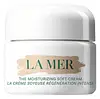
This barrier-repair moisturizer is formulated around Petrolatum and Cholesterol to strengthen the skin barrier and hydrate skin.
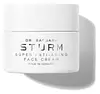
This barrier-repair moisturizer is formulated around Urea and Butyrospermum Parkii Butter to strengthen the skin barrier and hydrate skin.


What's inside
What's inside
 Key Ingredients
Benefits
Concerns
Ingredients Side-by-side
Algae Extract
Emollient

Cyclopentasiloxane
Emollient
Petrolatum
Emollient



Glyceryl Distearate
Emollient

Phenyl Trimethicone
Skin Conditioning
Cyclohexasiloxane
Emollient
Butylene Glycol
Humectant
Cholesterol
Emollient
Butyrospermum Parkii Butter
Skin Conditioning
Steareth-10
Emulsifying
Dimethicone
Emollient
Glyceryl Stearate Se
Emulsifying
Polysilicone-11

Glyceryl Triacetyl Ricinoleate
Emollient
Macadamia Integrifolia Seed Oil
Skin Conditioning
Glycerin
Humectant
Sesamum Indicum Seed Oil
Emollient
Medicago Sativa Seed Powder
Skin ConditioningHelianthus Annuus Seedcake
Abrasive
Prunus Amygdalus Dulcis Seed Meal
Abrasive
Eucalyptus Globulus Leaf Oil
Perfuming


Sodium Gluconate
ChelatingCopper Gluconate
Skin Conditioning
Calcium Gluconate
HumectantMagnesium Gluconate
Skin ConditioningZinc Gluconate
Skin Conditioning


Tocopheryl Succinate
Antioxidant
Niacin
SmoothingSesamum Indicum Seed Powder
Skin ConditioningWater
Skin ConditioningCitrus Aurantifolia Peel Extract
Cleansing
Laminaria Digitata Extract
Skin Protecting
Crithmum Maritimum Extract
Skin ConditioningSalicornia Herbacea Extract
Skin ConditioningPlankton Extract
Skin ConditioningChlorella Vulgaris Extract
Skin ConditioningRosmarinus Officinalis Leaf Extract
AntimicrobialSodium Hyaluronate
Humectant


Tocopheryl Acetate
Antioxidant

Acetyl Hexapeptide-8
Humectant
Caffeine
Skin Conditioning
Tetrahexyldecyl Ascorbate
Antioxidant

Palmitoyl Hexapeptide-12
Skin Conditioning
Caprylic/Capric Triglyceride
Masking
Triethylhexanoin
MaskingSodium PCA
Humectant
Cetyl Alcohol
Emollient
Diethylhexyl Succinate
EmollientIsocetyl Stearoyl Stearate
Emollient
Cyanocobalamin
Skin ConditioningC13-14 Isoparaffin
Emollient
Distearyldimonium Chloride
Dipalmitoyl Hydroxyproline
Skin Conditioning
Sucrose
Humectant
Hydrogenated Vegetable Oil
Emollient
Trehalose
Humectant
Hydrolyzed Algin
Micrococcus Lysate
Skin ConditioningMaris Sal
Skin ConditioningTetradecyl Aminobutyroylvalylaminobutyric Urea Trifluoroacetate
Skin ConditioningLactoperoxidase
StabilisingGlucose Oxidase
StabilisingUrea
Buffering
Glucose
Humectant
Polyacrylamide
Glyceryl Polymethacrylate
PEG-8
HumectantLaureth-7
EmulsifyingLecithin
Emollient
Triacetin
AntimicrobialSodium Chloride
MaskingPolyquaternium-51
Skin Conditioning
Potassium Phosphate
BufferingAlcohol Denat.
Antimicrobial

Parfum
Masking
Limonene
Perfuming
Linalool
Perfuming
Hydroxycitronellal
Perfuming
Citronellol
Perfuming
Geraniol
Perfuming
BHT
Antioxidant
Disodium EDTA
ChelatingSorbic Acid
Preservative
Chlorphenesin
Antimicrobial
Potassium Sorbate
Preservative
Phenoxyethanol
Preservative
Algae Extract, Cyclopentasiloxane, Petrolatum, Glyceryl Distearate, Phenyl Trimethicone, Cyclohexasiloxane, Butylene Glycol, Cholesterol, Butyrospermum Parkii Butter, Steareth-10, Dimethicone, Glyceryl Stearate Se, Polysilicone-11, Glyceryl Triacetyl Ricinoleate, Macadamia Integrifolia Seed Oil, Glycerin, Sesamum Indicum Seed Oil, Medicago Sativa Seed Powder, Helianthus Annuus Seedcake, Prunus Amygdalus Dulcis Seed Meal, Eucalyptus Globulus Leaf Oil, Sodium Gluconate, Copper Gluconate, Calcium Gluconate, Magnesium Gluconate, Zinc Gluconate, Tocopheryl Succinate, Niacin, Sesamum Indicum Seed Powder, Water, Citrus Aurantifolia Peel Extract, Laminaria Digitata Extract, Crithmum Maritimum Extract, Salicornia Herbacea Extract, Plankton Extract, Chlorella Vulgaris Extract, Rosmarinus Officinalis Leaf Extract, Sodium Hyaluronate, Tocopheryl Acetate, Acetyl Hexapeptide-8, Caffeine, Tetrahexyldecyl Ascorbate, Palmitoyl Hexapeptide-12, Caprylic/Capric Triglyceride, Triethylhexanoin, Sodium PCA, Cetyl Alcohol, Diethylhexyl Succinate, Isocetyl Stearoyl Stearate, Cyanocobalamin, C13-14 Isoparaffin, Distearyldimonium Chloride, Dipalmitoyl Hydroxyproline, Sucrose, Hydrogenated Vegetable Oil, Trehalose, Hydrolyzed Algin, Micrococcus Lysate, Maris Sal, Tetradecyl Aminobutyroylvalylaminobutyric Urea Trifluoroacetate, Lactoperoxidase, Glucose Oxidase, Urea, Glucose, Polyacrylamide, Glyceryl Polymethacrylate, PEG-8, Laureth-7, Lecithin, Triacetin, Sodium Chloride, Polyquaternium-51, Potassium Phosphate, Alcohol Denat., Parfum, Limonene, Linalool, Hydroxycitronellal, Citronellol, Geraniol, BHT, Disodium EDTA, Sorbic Acid, Chlorphenesin, Potassium Sorbate, Phenoxyethanol
Water
Skin ConditioningOctyldodecanol
Emollient
Urea
Buffering
Glycerin
Humectant
Butyrospermum Parkii Butter
Skin Conditioning
Decyl Oleate
Emollient
Zea Mays Germ Oil
Emollient
C12-15 Alkyl Benzoate
AntimicrobialCetearyl Alcohol
Emollient
Glyceryl Stearate
Emollient
Vitis Vinifera Seed Oil
Emollient
Lactobacillus/Portulaca Oleracea Ferment Extract
Antioxidant
Persea Gratissima Oil
Skin Conditioning
Sorbitol
Humectant
Propanediol
Solvent
Potassium Cetyl Phosphate
EmulsifyingTocopheryl Acetate
Antioxidant
Dimethicone
Emollient
Phenoxyethanol
Preservative
Hydrogenated Palm Glycerides
Emollient
Panthenol
Skin Conditioning
Phytosterols
Skin Conditioning
Olea Europaea Fruit Oil
Masking
Carbomer
Emulsion StabilisingXanthan Gum
EmulsifyingEthylhexylglycerin
Skin ConditioningPotassium Sorbate
Preservative
Leuconostoc/Radish Root Ferment Filtrate
Antimicrobial
Alcohol
Antimicrobial
Sorbitan Oleate
Emulsifying
Caprylic/Capric Triglyceride
Masking
Baicalin
Antioxidant
Ascorbyl Palmitate
Antioxidant
Pantolactone
Humectant
Citric Acid
Buffering
Ascorbic Acid
Antioxidant
Water, Octyldodecanol, Urea, Glycerin, Butyrospermum Parkii Butter, Decyl Oleate, Zea Mays Germ Oil, C12-15 Alkyl Benzoate, Cetearyl Alcohol, Glyceryl Stearate, Vitis Vinifera Seed Oil, Lactobacillus/Portulaca Oleracea Ferment Extract, Persea Gratissima Oil, Sorbitol, Propanediol, Potassium Cetyl Phosphate, Tocopheryl Acetate, Dimethicone, Phenoxyethanol, Hydrogenated Palm Glycerides, Panthenol, Phytosterols, Olea Europaea Fruit Oil, Carbomer, Xanthan Gum, Ethylhexylglycerin, Potassium Sorbate, Leuconostoc/Radish Root Ferment Filtrate, Alcohol, Sorbitan Oleate, Caprylic/Capric Triglyceride, Baicalin, Ascorbyl Palmitate, Pantolactone, Citric Acid, Ascorbic Acid
Reviews
Ingredients Explained
These ingredients are found in both products.
Ingredients higher up in an ingredient list are typically present in a larger amount.
This ingredient is also known as shea butter. It is a plant-derived extract from the nuts of the Africa shea tree and one of the most well-studied emollients.
Because it has a high concentration of fatty acids (primarily oleic, stearic, and linoleic) it is able to form a protective barrier on the skin's surface. This helps seal in moisture and prevents transepidermal water loss (TEWL).
In vitro research found an increase in skin hydration by 58% and a decrease in TEWL by 37.8% after 24 hours of applying this ingredient (pretty impressive for a single ingredient!).
Besides hydration, shea butter also contains triterpenes that have anti-inflammatory potential. In particule, lupeol cinnamate has shown the highest anti-inflammatory activity in vivo.
Shea butter also contains vitamins A and E which may contribute to antioxidant activity.
While Shea Butter has an SPF rating of about 3-4, it is not a sunscreen replacement.
This ingredient may not be fungal acne safe because its fatty acids fall within the C11-C24 range that the Malassezia yeast can metabolize.
This ingredient shows up on a lot of "pore-clogging" lists but there's no real evidence behind that. It doesn't even have a comedogenic rating from an actual study; the numbers you'll find online come from blogs citing other blogs.
Ratings for other ingredients mostly come from a 1980s rabbit ear test. This test doesn't translate well to human skin or to real products because the ingredient sits at a much lower percentage.
Some people still find it breaks them out. So if that's you, definitely trust your skin. Just know this one's based on experience and not evidence.
Learn more about Butyrospermum Parkii ButterCaprylic/Capric Triglyceride (aka MCT Oil) is a lightweight emollient, solvent, and texture enhancer. It is considered a skin-softener by helping to prevent moisture loss.
Though it behaves like an oil, it is not technically one due to its chemical composition. One perk of this ingredient is that it is very stable, resistant to oxidation, and unlikely to go rancid.
In practice, that translates to a long shelf life and a consistently elegant skin feel.
While there is an assumption Caprylic Triglyceride can clog pores due to it being derived from coconut oil, there is no research supporting this. Just patch test if you have concerns.
Fractionated coconut oil and MCT Oil are both listed as Caprylic/Capric Triglyceride according to INCI. This is because INCI names are based on the ingredient’s final chemical composition and not its marketing name or source.
This ingredient is treated as the gold standard fungal acne safe oil. Even though it is coconut derived, the problematic lauric acid is stripped out.
This leaves just caprylic (C8) and capric (C10) acid. These chain lengths actually trend antifungal; a 2020 study found caprylic acid was enough to disrupt Malassezia furfur cell membrane, with a caprylic acid derivative damaging membrane structures at concentrations as low as 0.2%.
Learn more about Caprylic/Capric TriglycerideDimethicone is a type of synthetic silicone created from natural materials such as quartz. It is also known as polydimethylsiloxane.
What it does:
Dimethicone comes in different viscosities:
Depending on the viscosity, dimethicone has different properties.
Ingredients lists don't always show which type is used, so we recommend reaching out to the brand if you have questions about the viscosity.
This ingredient is unlikely to cause irritation because it does not get absorbed into skin. However, people with silicone allergies should be careful about using this ingredient.
Note: Dimethicone may contribute to pilling. This is because it is not oil or water soluble, so pilling may occur when layered with products. When mixed with heavy oils in a formula, the outcome is also quite greasy.
Learn more about DimethiconeGlycerin (or glycerol) is a compound naturally found in your skin. It's a powerhouse humectant that pulls water into the stratum corneum.
Topically, glycerin does several things at once:
Your skin makes glycerin on its own (mostly from sebaceous oil breakdown) and shuttles it to your outermost layer of skin, or your epidermis, via aquaporin-3.
Aquaporin-3 is a transporter that is essential for normal skin hydration, elasticity, and repair. Interestingly, mice lacking in AQP3 have dry and less elastic skin that can be fully corrected with glycerin.
This ingredient is non-irritating, plays well with almost every ingredient, and works across all skin types. Typical use is anywhere between 3-10% but can go up to 79% in some leave-on products.
Just know very high concentrations (>40%) can feel tacky in low humidity.
Glycerin is the name for this ingredient in American English. British English uses Glycerol/Glycerine.
Learn more about GlycerinPhenoxyethanol is one of the most widely used preservatives in skincare (and for good reason!).
It has a large spectrum of antimicrobial activity and especially effective bacteria, yeast, and mold while only having a weak effect on your skin's natural microbiome.
On a cellular level, it disrupts the cell membranes of microbes by poking holes that make the cell leak. This shuts down the chemical reactions the microbe needs to make energy so it can no longer survive.
Another perk of this ingredient is that it stays functional across a wide pH range (3-10).
You'll often see it paired with boosters like Ethylhexylglycerin; one study showed that a 1:9 ratio of Ethylhexylglycerin to Phenoxyethanol damages bacterial membranes as effectively as doubling the Phenoxyethanol concentration on its own.
Typical use concentrations range from 0.3-1% depending on the formula, and this ingredient is capped at 1% int the EU.
Safety-wise, the fear mongering does not hold up to the evidence. The EU's Scientific Committee on Consumer Safety and FDA consider it safe as a preservative at up to 1%, including for children of all ages.
Adverse systemic effects only showed up in animal studies at exposures roughly 200x higher than what people get from cosmetics. And despite its very widespread use, this ingredient is a rare sensitizer and allergic reactions are uncommon.
Learn more about PhenoxyethanolPotassium Sorbate is a preservative used to prevent yeast and mold in products. It is commonly found in both cosmetic and food products.
This ingredient comes from potassium salt derived from sorbic acid. Sorbic acid is a natural antibiotic and effective against fungus.
Both potassium sorbate and sorbic acid can be found in baked goods, cheeses, dried meats, dried fruit, ice cream, pickles, wine, yogurt, and more.
You'll often find this ingredient used with other preservatives.
Learn more about Potassium SorbateTocopheryl Acetate is a stable, shelf-friendly form of vitamin E.
Formulators love it because plain vitamin E oxidizes quickly once it hits air. This acetate version stays stable and resists going off, helping to extend a product's shelf life.
It's actually inactive on its own and works like a slow-release "storage" form; the enzymes in your skin called esterases gradually convert it into active vitamin E over time.
One in vivo study showed 5% of the acetate in the living layer of the epidermis converted to vitamin E after 5 days of application. This study also found the skin gained protection against UV damage even though the conversion was slow and small.
Once converted, vitamin E acts as a skin's main fat-soluble antioxidant that fights free radicals to protect skin from damage.
Topical vitamin E generally boosts the skin's photoprotection, and it reduced UV-damage in animal models.
This ingredient has some brightening potential but it's more of a prevention ingredient than spot-fader. Cell studies show it can slow down melanin production but it's worth noting that it's not the most powerful brightener out there.
Overall, it has a pretty solid safety profile and has been found to be non-irritating and non-comedogenic. Allergic reactions may happen but stay rare due to how widely the ingredient gets used.
The concentration will vary depending on the formula; industry data shows 0.1% in baby lotions, 3% in lipsticks, and 5% in foot powders. You can also find this ingredient at 100% in a pure vitamin E oil.
Most leave-on skincare keeps it at the lower end, often between 0.5-1%.
Learn more about Tocopheryl AcetateUrea is also called carbamide and is the diamide of carbonic acid. In cosmetics, urea is used to hydrate the skin. It also provides exfoliation in higher concentrations.
As a humectant, urea helps draw moisture from the air and from deep within the skin. This helps hydrate your skin. Studies show urea is an effective moisturizer for dry skin conditions. 40% urea is typical in medications for treating eczema and other skin conditions.
Urea has the strongest exfoliation effect in concentrations higher than 10%. It is a keratolytic agent, meaning it breaks down the keratin protein in the top layer of skin. This helps remove dead skin cells and flaking skin.
In medicine, urea has been shown to help increase the potency of other ingredients, such as fungal treatments.
Humans and animals use urea to metabolize nitrogen-containing compounds. Urea is highly soluble in water. Once dissolved, it is neither acidic nor alkaline.
Urea is actually one of the more well-studied and well-supported ingredients out there if you have eczema.
Clinical trials have shown that urea creams in the 5 - 10% range can:
Higher concentrations (20 -30%) can also help with thickened, scaly patches but is also more likely to sting on active flares.
Skip urea if you have rosacea. The AAD (American Academy of Dermatology) lists it alongside alcohol, menthol, and fragrance as a potential irritant for rosacea-prone skin. Urea's keratolytic and penetration-enhancing properties can trigger stinging, burning, and redness.
As always, your skin is unique, so definitely check in with your dermatologist.
Learn more about UreaWater. It's the most common cosmetic ingredient of all. You'll usually see it at the top of ingredient lists, meaning that it makes up the largest part of the product.
So why is it so popular? Water most often acts as a solvent - this means that it helps dissolve other ingredients into the formulation.
You'll also recognize water as that liquid we all need to stay alive. If you see this, drink a glass of water. Remember to stay hydrated!
Learn more about Water

