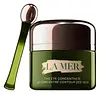
This anti-aging eye moisturizer is formulated around Acetyl Hexapeptide-8 and Caffeine to soften the look of wrinkles.
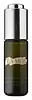
This anti-aging serum is formulated around Acetyl Hexapeptide-8 and Caffeine to soften the look of wrinkles.

What's inside
What's inside
 Key Ingredients
Benefits
Concerns
Ingredients Side-by-side
Algae Extract
Emollient

Water
Skin ConditioningDimethicone
Emollient

Isododecane
EmollientGlycerin
Humectant

Hydrogenated Polyisobutene
EmollientTrisiloxane
Skin Conditioning
Caprylic/Capric/Myristic/Stearic Triglyceride
EmollientVinyl Dimethicone/Methicone Silsesquioxane Crosspolymer

Caprylic/Capric Triglyceride
Masking
Maris Sal
Skin ConditioningFaex Extract
Skin ConditioningHelichrysum Arenarium Extract
AntiseborrhoeicSesamum Indicum Seed Oil
Emollient


Medicago Sativa Seed Powder
Skin ConditioningHelianthus Annuus Seedcake
Abrasive
Prunus Amygdalus Dulcis Seed Meal
Abrasive
Eucalyptus Globulus Leaf Oil
Perfuming



Sodium Gluconate
ChelatingCopper Gluconate
Skin Conditioning
Calcium Gluconate
HumectantMagnesium Gluconate
Skin ConditioningZinc Gluconate
Skin Conditioning


Tocopheryl Succinate
Antioxidant
Niacin
SmoothingSesamum Indicum Seed Powder
Skin ConditioningAsparagopsis Armata Extract
Skin Protecting
Laminaria Digitata Extract
Skin Protecting
Molasses Extract
Skin ConditioningPhytosphingosine
Skin Conditioning


Ecklonia Cava Extract
Skin Conditioning
Corallina Officinalis Extract
Skin Conditioning
Sodium Hyaluronate
Humectant
Sigesbeckia Orientalis Extract
Skin ConditioningPolygonum Fagopyrum Seed Extract
Skin ConditioningBrassica Campestris Seed Oil
Skin Conditioning
Polyglyceryl-3 Diisostearate
Emulsifying
Glycyrrhiza Glabra Root Extract
Bleaching

Ascophyllum Nodosum Extract
Skin Conditioning
Citrus Aurantifolia Peel Extract
Cleansing
Cucumis Sativus Fruit Extract
Emollient
Acetyl Hexapeptide-8
Humectant
Althaea Officinalis Root Extract
Skin Conditioning
Oryza Sativa Bran Extract
Skin Conditioning
Tocopheryl Acetate
Antioxidant
Saccharomyces Lysate Extract
Humectant
Macadamia Integrifolia Seed Oil
Skin Conditioning
Dipeptide-2
Skin Conditioning
Glyceryl Triacetyl Ricinoleate
Emollient
Palmitoyl Tetrapeptide-7
Skin Conditioning
Caffeine
Skin Conditioning
Tetraacetylphytosphingosine
Skin ConditioningWhey Protein
Skin ConditioningAcetyl Glucosamine
Skin Conditioning
Triethylhexanoin
MaskingSorbitol
Humectant
Hordeum Vulgare Extract
EmollientGlycine Soja Protein
EmulsifyingCholesterol
Emollient
Hydrolyzed Yeast Protein
Skin ConditioningIsononyl Isononanoate
EmollientPropylene Glycol Dicaprate
EmollientCetyl PEG/PPG-10/1 Dimethicone
Emulsifying
Caprylyl Glycol
Emollient
Sucrose
Humectant
Polysilicone-11
Dimethicone Crosspolymer
Emulsion Stabilising
Dimethicone Crosspolymer-3
Skin Conditioning
Silica
Abrasive
Nylon-12

Trimethylsiloxysilicate
Emollient
Steareth-20
CleansingCalcium Chloride
AstringentHesperidin Methyl Chalcone
Antioxidant
PEG/PPG-18/18 Dimethicone
Emulsifying
Alumina
Abrasive
Triethoxycaprylylsilane
Hydrogenated Vegetable Oil
Emollient
Alcohol Denat.
Antimicrobial

Propanediol
Solvent
Parfum
Masking
BHT
Antioxidant
Phenoxyethanol
Preservative
Potassium Sorbate
Preservative
Chlorhexidine Digluconate
Antimicrobial
Sodium Benzoate
Masking
Mica
Cosmetic ColorantCI 77891
Cosmetic ColorantAlgae Extract, Water, Dimethicone, Isododecane, Glycerin, Hydrogenated Polyisobutene, Trisiloxane, Caprylic/Capric/Myristic/Stearic Triglyceride, Vinyl Dimethicone/Methicone Silsesquioxane Crosspolymer, Caprylic/Capric Triglyceride, Maris Sal, Faex Extract, Helichrysum Arenarium Extract, Sesamum Indicum Seed Oil, Medicago Sativa Seed Powder, Helianthus Annuus Seedcake, Prunus Amygdalus Dulcis Seed Meal, Eucalyptus Globulus Leaf Oil, Sodium Gluconate, Copper Gluconate, Calcium Gluconate, Magnesium Gluconate, Zinc Gluconate, Tocopheryl Succinate, Niacin, Sesamum Indicum Seed Powder, Asparagopsis Armata Extract, Laminaria Digitata Extract, Molasses Extract, Phytosphingosine, Ecklonia Cava Extract, Corallina Officinalis Extract, Sodium Hyaluronate, Sigesbeckia Orientalis Extract, Polygonum Fagopyrum Seed Extract, Brassica Campestris Seed Oil, Polyglyceryl-3 Diisostearate, Glycyrrhiza Glabra Root Extract, Ascophyllum Nodosum Extract, Citrus Aurantifolia Peel Extract, Cucumis Sativus Fruit Extract, Acetyl Hexapeptide-8, Althaea Officinalis Root Extract, Oryza Sativa Bran Extract, Tocopheryl Acetate, Saccharomyces Lysate Extract, Macadamia Integrifolia Seed Oil, Dipeptide-2, Glyceryl Triacetyl Ricinoleate, Palmitoyl Tetrapeptide-7, Caffeine, Tetraacetylphytosphingosine, Whey Protein, Acetyl Glucosamine, Triethylhexanoin, Sorbitol, Hordeum Vulgare Extract, Glycine Soja Protein, Cholesterol, Hydrolyzed Yeast Protein, Isononyl Isononanoate, Propylene Glycol Dicaprate, Cetyl PEG/PPG-10/1 Dimethicone, Caprylyl Glycol, Sucrose, Polysilicone-11, Dimethicone Crosspolymer, Dimethicone Crosspolymer-3, Silica, Nylon-12, Trimethylsiloxysilicate, Steareth-20, Calcium Chloride, Hesperidin Methyl Chalcone, PEG/PPG-18/18 Dimethicone, Alumina, Triethoxycaprylylsilane, Hydrogenated Vegetable Oil, Alcohol Denat., Propanediol, Parfum, BHT, Phenoxyethanol, Potassium Sorbate, Chlorhexidine Digluconate, Sodium Benzoate, Mica, CI 77891
Water
Skin ConditioningPropanediol
Solvent
Algae Extract
Emollient
Glycerin
Humectant
Prunus Amygdalus Dulcis Seed Extract
Skin ConditioningSesamum Indicum Seed Oil
Emollient
Medicago Sativa Seed Powder
Skin ConditioningHelianthus Annuus Seedcake
Abrasive
Prunus Amygdalus Dulcis Seed Meal
Abrasive
Eucalyptus Globulus Leaf Oil
Perfuming
Sodium Gluconate
ChelatingCopper Gluconate
Skin Conditioning
Magnesium Gluconate
Skin ConditioningCalcium Gluconate
HumectantZinc Gluconate
Skin Conditioning
Tocopheryl Succinate
Antioxidant
Niacin
SmoothingSesamum Indicum Seed Powder
Skin ConditioningSucrose
Humectant
Pyrus Malus Fruit Extract
Skin Conditioning
Citrullus Lanatus Fruit Extract
Skin Conditioning
Porphyridium Cruentum Extract
Skin ConditioningLens Esculenta Fruit Extract
Skin ConditioningLaminaria Digitata Extract
Skin Protecting
Saccharomyces Lysate Extract
Humectant
Ascophyllum Nodosum Extract
Skin Conditioning
Plankton Extract
Skin ConditioningCitrus Aurantifolia Peel Extract
Cleansing
Tourmaline
Sigesbeckia Orientalis Extract
Skin ConditioningAsparagopsis Armata Extract
Skin Protecting
Acetyl Hexapeptide-8
Humectant
Caffeine
Skin Conditioning
Pullulan
Trehalose
Humectant
Sodium Lactate
Buffering
Sorbitol
Humectant
Sodium PCA
Humectant
Styrene/Vp Copolymer
Hydroxypropyl Methylcellulose
Emulsion StabilisingSodium Hyaluronate
Humectant
Hexylene Glycol
EmulsifyingButylene Glycol
Humectant
Vinyl Dimethicone/Methicone Silsesquioxane Crosspolymer
Alcohol Denat.
Antimicrobial
Xanthan Gum
EmulsifyingIsododecane
EmollientEthylhexylglycerin
Skin ConditioningCaprylyl Glycol
Emollient
Trimethylsiloxysilicate
Emollient
Parfum
Masking
Disodium EDTA
ChelatingPhenoxyethanol
Preservative
Potassium Sorbate
Preservative
Sodium Benzoate
Masking
CI 61570
Cosmetic ColorantCI 42090
Cosmetic ColorantWater, Propanediol, Algae Extract, Glycerin, Prunus Amygdalus Dulcis Seed Extract, Sesamum Indicum Seed Oil, Medicago Sativa Seed Powder, Helianthus Annuus Seedcake, Prunus Amygdalus Dulcis Seed Meal, Eucalyptus Globulus Leaf Oil, Sodium Gluconate, Copper Gluconate, Magnesium Gluconate, Calcium Gluconate, Zinc Gluconate, Tocopheryl Succinate, Niacin, Sesamum Indicum Seed Powder, Sucrose, Pyrus Malus Fruit Extract, Citrullus Lanatus Fruit Extract, Porphyridium Cruentum Extract, Lens Esculenta Fruit Extract, Laminaria Digitata Extract, Saccharomyces Lysate Extract, Ascophyllum Nodosum Extract, Plankton Extract, Citrus Aurantifolia Peel Extract, Tourmaline, Sigesbeckia Orientalis Extract, Asparagopsis Armata Extract, Acetyl Hexapeptide-8, Caffeine, Pullulan, Trehalose, Sodium Lactate, Sorbitol, Sodium PCA, Styrene/Vp Copolymer, Hydroxypropyl Methylcellulose, Sodium Hyaluronate, Hexylene Glycol, Butylene Glycol, Vinyl Dimethicone/Methicone Silsesquioxane Crosspolymer, Alcohol Denat., Xanthan Gum, Isododecane, Ethylhexylglycerin, Caprylyl Glycol, Trimethylsiloxysilicate, Parfum, Disodium EDTA, Phenoxyethanol, Potassium Sorbate, Sodium Benzoate, CI 61570, CI 42090
Reviews
Ingredients Explained
These ingredients are found in both products.
Ingredients higher up in an ingredient list are typically present in a larger amount.
Acetyl Hexapeptide-8 (also known as Argireline) is a synthetic hexapeptide that is often called a "topical Botox alternative".
It works by mimicking how Botox relaxes muscles; it interferes with the signaling process that tells your facial muscles to contract. This can help soften expression lines like forehead wrinkles or crow's feet over time.
The comparison to Botox does have limits because the molecule is water-loving and relatively large.
Acetyl Hexapeptide-8 has a hard time absorbing deeply enough through the skin's outer barrier to actually reach the muscles.
So whether it truly works the way Botox does at a biological level is still up for debate, but early clinical outcomes are fairly encouraging.
A 12 week human study of a multi-ingredient regimen containing this ingredient saw:
While some studies have observed improvements in wrinkle appearance, it is important to note that more consistent results are seen in multi-ingredient formulations (vs just Acetyl Hexapeptide-8 alone).
Some research studies also used higher concentrations (up to 10%) while this ingredient is usually found in concentrations up to 0.005% in leave-on formulations.
Learn more about Acetyl Hexapeptide-8Alcohol Denat. is an alcohol with a denaturant property. It is created by mixing ethanol with other additives.
The "denat" part just means "denatured"; common denaturants include Denatonium Benzoate, t-butyl alcohol, and Diethyl Phthalate. This step makes the alcohol undrinkable (and lets brand skip taxes related to beverage alcohol).
This ingredient gets a bad rep because it is irritating and drying due to its astringent property. Astringents draw out natural oils in tissue to constrict pores and dry out your skin.
However, alcohol denat. is not all that bad.
Due to its low molecular weight, alcohol denat. tends to evaporate quickly. One study on pig skin found half of applied alcohol evaporated in 10 seconds and less than 3% stayed on skin.
This also helps other ingredients become better absorbed upon application.
Studies are conflicted about whether this ingredient causes skin dehydration. One study from 2005 found adding emollients to propanol-based sanitizer decreased skin dryness and irritation. Another study found irritation only occurs if your skin is already damaged.
Small amounts of alcohol are generally tolerated by oily skin or people who live in humid environments.
The rule of thumb is this ingredient will probably not affect your skin much if it is near the end of an ingredients list.
One thing to note:
People with ALDH2 (aldehyde dehydrogenase 2) deficiency may experience skin irritation from continued alcohol use. About 8% of the world's population have this deficiency.
The Cosmetic Ingredient Review Expert Panel has determined denatured alcohols to be safe for use in concentrations between 0.05% and 12% (depending on which denaturant is used).
Also...
This ingredient has antimicrobial and solvent properties.
The antimicrobial property helps preserve products and increase their shelf life. As a solvent, it helps dissolve other ingredients.
Look for formulas that contain glycerin, hyaluronic acid, or panthenol if you want to offset any drying effect.
This ingredient will trip away your skin's natural oils/lipids that help it lock in moisture. This can worsen dryness, trigger eczema flare-ups, and aggravate rosacea.
Be sure to patch test any product with this ingredient if you have dry or sensitive skin, eczema, or rosacea.
Learn more about Alcohol Denat.Algae Extract is one of the vaguest names on any label because it just means "extract of some alga" (and there are thousands of species and dozens of ways to extract them). This just means two products listing it can contain completely different things.
This ingredient name was actually officially retired in the INCI dictionary in 2015 and brands were pushed toward species-specific names instead (like Laminaria Digitata Extract or Chondrus Crispus Extract).
Generally, it is used to hold water and soften skin in a formula. Algae are rich in polysaccharides, pigments, and amino-acids that act as humectants, emollients, and skin-conditioning agents.
It isn't on standard cosmetic-patch test panels and "seaweed dermatitis" is actually an acute irritant reaction to algal toxins in seawater and not the cosmetic ingredient.
You'll see algae listed as a 5/5 on a lot of pore-clogging charts and that number doesn't come from anywhere; it's not in the original rabbit-ear studies that most comedogenic ratings trace back to.
The reasoning behind the reputation is that seaweed is high in iodine and iodine can trigger acne-like breakouts when eaten. This traces back to a 1976 letter in Archives of Dermatology describing two women whose breakouts cleared after they stopped taking high-dose kelp supplements orally.
And the reaction of these two women wasn't clogged pores at all: it was an iodine-triggered pustular rash. Later research found normal dietary iodine doesn't meaningfully affect acne either and nobody has shown topical algae delivers enough iodine to matter.
What we do have is dozens of brown and red algae ingredients found to be non-irritating and non-sensitizing, and a handful of studies that found algae compounds may actually help acne.
However, plenty of people do report breaking out from algae-containing products. Skin is individual and it's worth avoiding if yours has reacted to algae before.
Learn more about Algae ExtractThis extract comes from the big brown seaweed that grows on rocky North Atlantic shorelines.
In a formula, it is used for skin conditioning.
The interesting stuff in there is fucoidan, a type of sulfated sugar polymer, and brown algae polyphenols.
The most cited study took a purified 16 kDa fucoidan fraction from this seaweed and tested it on human skin sections in the lab; results showed that it looks like it can slow down some of the enzymes that chew up collagen and elastin.
None of this is human topical trial so fair to see it as a promising ingredient with a thin clinical file.
Another thing to know is that seaweed composition swings a lot depending on where and when it was harvested, and how it was extracted. Two products with the same INCI can be meaningfully different materials.
Real-world use levels are low, usually between a fraction of a percent and 6%. Just know the raw material that suppliers sell is already diluted, so a "5% seaweed extract" often means a lot less seaweed than what it sounds like. One of the trade materials the CIR reviewed was only 4.7% actual extract in water.
This ingredient has a solid safety record: Human sensitization testing came back negative across a range of 0.5% all the way up to 75% (which is far above anything you would ever put in a product).
It was non-irritating on skin at 4.7%, non-phototoxic, and not genotoxic.
You'll see algae listed as a 5/5 on a lot of pore-clogging charts and that number doesn't come from anywhere; it's not in the original rabbit-ear studies that most comedogenic ratings trace back to.
The reasoning behind the reputation is that seaweed is high in iodine and iodine can trigger acne-like breakouts when eaten. This traces back to a 1976 letter in Archives of Dermatology describing two women whose breakouts cleared after they stopped taking high-dose kelp supplements orally.
And the reaction of these two women wasn't clogged pores at all: it was an iodine-triggered pustular rash. Later research found normal dietary iodine doesn't meaningfully affect acne either and nobody has shown topical algae delivers enough iodine to matter.
What we do have is dozens of brown and red algae ingredients found to be non-irritating and non-sensitizing, and a handful of studies that found algae compounds may actually help acne.
However, plenty of people do report breaking out from algae-containing products. Skin is individual and it's worth avoiding if yours has reacted to algae before.
Learn more about Ascophyllum Nodosum ExtractAsparagopsis Armata Extract is from seaweed. It is an antioxidant. Antioxidants help fight off free-radical molecules. These molecules damage our cells.
Asparagopsis Armata Extract may also be used to enhance the texture of products.
Ongoing research shows Asparagopsis Armata Extract may have antimicrobial properties.
Learn more about Asparagopsis Armata ExtractCaffeine is a naturally occurring plant compound found in coffee beans, tea leaves, cocoa pods, and guarana.
As an antioxidant, caffeine protects your skin from free radical damage caused by UV exposure and envionrmnetal stressors.
Early research also shows that caffeine can help calm redness, soothe irritated skin, and support hair growth by stimulating microcirculation in the scalp.
You might have seen eye creams marketing caffeine as a depuffing ingredient. This is because it is a vasoconstrictor meaning it can temporarily constrict blood vessels, though clinical evidence for this specific use is still limited.
Most skincare products contain this ingredient at concentrations between 1-6%. It is able to penetrate skin easily regardless of skin type or thickness.
Just so you know, a very small number of case reports describe caffeine-induced allergy. This ingredient is generally well-tolerated, non-irritating, and non-sensitizing for the majority of people.
Learn more about CaffeineThis ingredient is calcium salt of gluconic acid. It is a humectant, meaning it attracts water to your skin.
Caprylyl Glycol is a humectant, skin conditioner, emollient, and preservative booster derived from either caprylic acid or synthetically created.
Typical use levels vary from 0.3-1% as a preservative booster and go up to 2% to condition skin.
Because it is not a free-fatty acid, this ingredient is fungal acne safe (there's nothing for Malassezia to feed on).
Learn more about Caprylyl GlycolCitrus Aurantifolia Peel Extract is a fragrance.
This ingredient is a copper salt known for its wound healing properties.
Our bodies use copper to help stabilize our skin's collagen and elastin. Its also an essential for superoxide dismutase, an enzyme with strong antioxidant properties.
Copper has wound healing properties due to its role in creating new blood vessels and tissue repair.
Learn more about Copper GluconateThis oil is derived from the leaves of Eucalyptus Globulus, a type of Eucalyptus tree native to Australia.
Though this oil shows antibacterial and antioxidant activity, it is also a known skin-irritant due to its fragrance components.
Glycerin (or glycerol) is a compound naturally found in your skin. It's a powerhouse humectant that pulls water into the stratum corneum.
Topically, glycerin does several things at once:
Your skin makes glycerin on its own (mostly from sebaceous oil breakdown) and shuttles it to your outermost layer of skin, or your epidermis, via aquaporin-3.
Aquaporin-3 is a transporter that is essential for normal skin hydration, elasticity, and repair. Interestingly, mice lacking in AQP3 have dry and less elastic skin that can be fully corrected with glycerin.
This ingredient is non-irritating, plays well with almost every ingredient, and works across all skin types. Typical use is anywhere between 3-10% but can go up to 79% in some leave-on products.
Just know very high concentrations (>40%) can feel tacky in low humidity.
Glycerin is the name for this ingredient in American English. British English uses Glycerol/Glycerine.
Learn more about GlycerinHelianthus Annuus Seedcake is an exfoliant.
Isododecane is a fragrance, emollient, and solvent.
As an emollient, it helps your skin stay soft and hydrated. Emollients help trap moisture into your skin.
Isododecane's role as a solvent makes it a great texture enhancer. It spreads smoothly on skin and does not leave a sticky feeling behind. Isododecane also helps prevent color transfer in makeup products.
Isododecane is not absorbed into skin.
The chemical name for this ingredient is 2,2,4,6,6-PENTAMETHYLHEPTANE.
Learn more about IsododecaneLaminaria Digitata Extract comes from the big brown seaweed (or kelp) that grows in the North Atlantic. In skincare, it's mostly used as a skin protectant and conditioning agent.
The most interesting stuff inside is mostly just sugars and minerals: fucoidan (a sulfated polysaccharide), laminarin (a beta-glucan), alginates, and phlorotannins (seaweed polyphenols).
Any antioxidant and soothing claims mostly come from those polysaccharides; crude laminarin and fucoidan from Laminaria digitata do show antioxidant and anti-inflammatory activity in lab assays.
Just know that the lab assays are test-tube work on isolated compounds and not clinical trials on the finished extract.
Realistically, this ingredient is a nice-feeling and hydrating skin conditioner (not really an active).
Safety-wise, it's one of the better documented seaweeds and safe to be used in cosmetics according to the CIR Expert Panel.
Industry surveys find that usage concentrations run can be found up to 5% in bubble baths and leave-on usage is more likely 0.1-3%.
The risk of allergy is also quite low as human repeat insult patch tests (under 5% and blends containing 8-12%) came back non-irritating and non-sensitizing. Rabbit studies came back negative too, though one trade mixture at 1.5-2.5% in water + propylene glycol did cause moderate irritation at 30 minutes.
Reported seaweed allergies in the literature are almost all occupational (people handling wet kelp) or from a totally unrelated blue/green alga.
You'll see seaweed listed as a 5/5 on a lot of pore-clogging charts and that number doesn't come from anywhere; it's not in the original rabbit-ear studies that most comedogenic ratings trace back to.
The reasoning behind the reputation is that seaweed is high in iodine and iodine can trigger acne-like breakouts when eaten. This traces back to a 1976 letter in Archives of Dermatology describing two women whose breakouts cleared after they stopped taking high-dose kelp supplements orally.
And the reaction of these two women wasn't clogged pores at all: it was an iodine-triggered pustular rash. Later research found normal dietary iodine doesn't meaningfully affect acne either and nobody has shown topical algae delivers enough iodine to matter.
What we do have is dozens of brown and red algae ingredients found to be non-irritating and non-sensitizing, and a handful of studies that found algae compounds may actually help acne.
However, plenty of people do report breaking out from algae-containing products. Skin is individual and it's worth avoiding if yours has reacted to algae before.
The 0-5 scale comes from applying ingredients to the inside of an albino rabbit's ear. Rabbit follicles are far more reactive than human ones so it over-predicts. Even petrolatum was reassigned as non-comedogenic by the original scientist, Kligman.
Here are three more problems of comedogenic ratings:
Learn more about Laminaria Digitata ExtractWe don't have a description for Magnesium Gluconate yet.
We don't have a description for Medicago Sativa Seed Powder yet.
Niacin is the other form of B3, with the other being niacinamide. The two have similar skin benefits: reducing inflammation, strengthening the skin barrier, and fading dark spots.
Parfum is a catch-all term for an ingredient or more that is used to give a scent to products.
Also called "fragrance", this ingredient can be a blend of hundreds of chemicals or plant oils. This means every product with "fragrance" or "parfum" in the ingredients list is a different mixture.
For instance, Habanolide is a proprietary trade name for a specific aroma chemical. When used as a fragrance ingredient in cosmetics, most aroma chemicals fall under the broad labeling category of “FRAGRANCE” or “PARFUM” according to EU and US regulations.
The term 'parfum' or 'fragrance' is not regulated in many countries. In many cases, it is up to the brand to define this term.
For instance, many brands choose to label themselves as "fragrance-free" because they are not using synthetic fragrances. However, their products may still contain ingredients such as essential oils that are considered a fragrance by INCI standards.
One example is Calendula flower extract. Calendula is an essential oil that still imparts a scent or 'fragrance'.
Depending on the blend, the ingredients in the mixture can cause allergies and sensitivities on the skin. Some ingredients that are known EU allergens include linalool and citronellol.
Parfum can also be used to mask or cover an unpleasant scent.
The bottom line is: not all fragrances/parfum/ingredients are created equally. If you are worried about fragrances, we recommend taking a closer look at an ingredient. And of course, we always recommend speaking with a professional.
Learn more about ParfumPhenoxyethanol is one of the most widely used preservatives in skincare (and for good reason!).
It has a large spectrum of antimicrobial activity and especially effective bacteria, yeast, and mold while only having a weak effect on your skin's natural microbiome.
On a cellular level, it disrupts the cell membranes of microbes by poking holes that make the cell leak. This shuts down the chemical reactions the microbe needs to make energy so it can no longer survive.
Another perk of this ingredient is that it stays functional across a wide pH range (3-10).
You'll often see it paired with boosters like Ethylhexylglycerin; one study showed that a 1:9 ratio of Ethylhexylglycerin to Phenoxyethanol damages bacterial membranes as effectively as doubling the Phenoxyethanol concentration on its own.
Typical use concentrations range from 0.3-1% depending on the formula, and this ingredient is capped at 1% int the EU.
Safety-wise, the fear mongering does not hold up to the evidence. The EU's Scientific Committee on Consumer Safety and FDA consider it safe as a preservative at up to 1%, including for children of all ages.
Adverse systemic effects only showed up in animal studies at exposures roughly 200x higher than what people get from cosmetics. And despite its very widespread use, this ingredient is a rare sensitizer and allergic reactions are uncommon.
Learn more about PhenoxyethanolPotassium Sorbate is a preservative used to prevent yeast and mold in products. It is commonly found in both cosmetic and food products.
This ingredient comes from potassium salt derived from sorbic acid. Sorbic acid is a natural antibiotic and effective against fungus.
Both potassium sorbate and sorbic acid can be found in baked goods, cheeses, dried meats, dried fruit, ice cream, pickles, wine, yogurt, and more.
You'll often find this ingredient used with other preservatives.
Learn more about Potassium SorbatePropanediol is an all-star ingredient. It softens, hydrates, and smooths the skin.
It’s often used to:
Propanediol is not likely to cause sensitivity and considered safe to use. It is derived from corn or petroleum with a clear color and no scent.
Learn more about PropanediolPrunus Amygdalus Dulcis Seed Meal comes from the Sweet Almond tree. This sweet almond seed meal is the residue from expressing almond oil.
As an abrasive, it can help exfoliate the top layer of skin.
Saccharomyces Lysate Extract is from the yeast Saccharomyces. This ingredient is created from the cell walls of Saccharomyces.
As a humectant, Saccharomyces Lysate Extract helps draw moisture to your skin. This helps keep your skin hydrated.
Saccharomyces is also known as brewer's yeast and was traditionally used to make beer.
Learn more about Saccharomyces Lysate ExtractSesamum Indicum Seed Oil is the cold-pressed oil from sesame seeds.
It is an emollient and skin conditioning agent made up of roughly 82-85% unsaturated fatty acids, mostly linoleic (~41%) and oleic acid (~39%).
This pairing gives it barrier-supporting and moisturizing properties. Linoleic acid, an essential omega-6 fatty acid, can be incorporated into complex skin lipids. Topical application has shown barrier repair, anti-inflammatory, and wound-healing effects in cell and animal studies.
Beyond fatty acids, sesame oil brings something more distinctive to the table:
It contains natural antioxidants sesamol, sesamolin, and gamma-tocopherol. These also give the oil notably high oxidative stability.
One of the oil's key lignans, sesamin, has also demonstrated anti-inflammatory activity in preclinical models.
A 2023 clinical study found that a single application of sesame seed oil to the forearms of 35 healthy women improved stratum corneum hydration (though it didn't outperform raspberry seed oil).
The comedogenic rating of 1-3 depends on the type of sesame oil; unrefined carries a rating of 3 while refined sesame oil drops to a 1.
Human testing has proved that any finished product with a comedogenic ingredient won't automatically make you break out; it really comes down to concentration, formula, and your skin.
This ingredient may not be safe for fungal acne as it contains fatty acids that can feed Malassezia.
Learn more about Sesamum Indicum Seed OilWe don't have a description for Sesamum Indicum Seed Powder yet.
We don't have a description for Sigesbeckia Orientalis Extract yet.
Sodium Benzoate is a preservative. It's used in both cosmetic and food products to inhibit the growth of mold and bacteria. It is typically produced synthetically.
Both the US FDA and EU Health Committee have approved the use of sodium benzoate. In the US, levels of 0.1% (of the total product) are allowed.
Sodium benzoate works as a preservative by inhibiting the growth of bacteria inside of cells. It prevents the cell from fermenting a type of sugar using an enzyme called phosphofructokinase.
It is the salt of benzoic acid. Foods containing sodium benzoate include soda, salad dressings, condiments, fruit juices, wines, and snack foods.
Studies for using ascorbic acid and sodium benzoate in cosmetics are lacking, especially in skincare routines with multiple steps.
We always recommend speaking with a professional, such as a dermatologist, if you have any concerns.
Learn more about Sodium BenzoateSodium Gluconate is the sodium salt of gluconic acid. In skincare, its main job is as a chelator.
Chelators grab onto stray metal ions like iron and copper that sneak in through water, raw materials, or manufacturing equipment. This stops them from triggering reactions that cause oils to go rancid, formulas to change color, and actives like vitamin C to fall apart.
This ingredient is often chosen as a biodegradable, gentler-sounding alternative to EDTA. It also pulls double duty as a mild humectant and pH buffer.
Typical use levels sit around 0.1-1% and supplier documents list up to 10% as an acceptable ceiling. Industry data found this ingredient family is mostly used well below 1% in leave on products.
Allergy risk is very low; animal testing has found it to be non-irritating to skin and eyes, mutagenicity assays came back negative, and there are no published reports of allergic contact dermatitis to it.
Learn more about Sodium GluconateSodium Hyaluronate is the salt form of hyaluronic acid. It is a long sugar chain that is naturally found in your skin, joints, and connective tissue that maintains hydration and elasticity.
In skincare, it works as a humectant. It pulls water from the environment and deeper layers of skin and binds it to the surface.
Interestingly, the size of the molecule affects its behavior:
Some clinical evidence links low molecular weight versions to improved wrinkle depth, elasticity, anti-inflammatory effects, and barrier repair.
Many serums use a blend of both weights so you can get surface hydration plus longer-lasting and deeper effects.
You'll typically see concentrations between 0.1-2% for this ingredient.
Learn more about Sodium HyaluronateSorbitol is a sugar alcohol. It is a hydrating and moisturizing agent created from the reduction process of glucose.
Most sorbitol is usually made from potato starch. It is also found in fruits such as apples and pears.
As a humectant, Sorbitol helps draw water to the skin. This helps keep the skin hydrated. Sorbitol also helps create a thicker texture in products. You might find sorbitol in your toothpaste and other gels.
It is a non-irritating ingredient that is great for those with dry skin.
Sorbitol is a prebiotic. It helps promote the growth of healthy bacteria on your skin. The bacteria on your skin form a microbiome. This microbiome helps protect your skin from infection and harmful bacteria.
Learn more about SorbitolSucrose is a natural sugar found in fruits, vegetables, and nuts. It is the main constituent of white sugar.
In skincare, sucrose is a humectant and can be a mild exfoliant.
Sucrose is hydrophilic, meaning it attracts water. This makes it an effective humectant and helps hydrate the skin.
Studies show sugars may worsen acne-prone skin due to it disrupting the skin's natural biome. We recommend speaking with a professional if you have any concerns.
In some products such as body scrubs, sucrose is used as an gentle exfoliant.
The term 'sucrose' comes from the french word for sugar, 'sucre'.
Learn more about SucroseTocopheryl Succinate is an antioxidant.
This silicone is an emollient. Emollients create a thin film on the skin to prevent moisture from escaping.
It is not soluble in water and helps increase water-resistance in products.
According to a manufacturer, it can blend seamlessly with silicone oils, such as Cyclopentasiloxane.
Learn more about TrimethylsiloxysilicateThis ingredient is used in makeup and skincare to thicken formulas, reduce shine, and give skin a silky-smooth feel.
It’s a white silicone powder that sits in fine lines and pores to blur their appearance though its effectiveness depends on the particle size.
You'll typically find this ingredient in amounts between 0.1-20%.
Learn more about Vinyl Dimethicone/Methicone Silsesquioxane CrosspolymerWater. It's the most common cosmetic ingredient of all. You'll usually see it at the top of ingredient lists, meaning that it makes up the largest part of the product.
So why is it so popular? Water most often acts as a solvent - this means that it helps dissolve other ingredients into the formulation.
You'll also recognize water as that liquid we all need to stay alive. If you see this, drink a glass of water. Remember to stay hydrated!
Learn more about WaterZinc gluconate has antibacterial and wound healing properties. It is particularly effective against fighting inflammatory acne.
This ingredient is the zinc salt of the PHA gluconic acid. PHAs are gentle cousins to AHAs.


