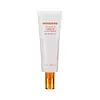
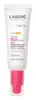
innisfree Vitamin C Tone Up Sunscreen SPF 50+ Versus Labore Dermalab Revolutionaire Anti Pigmentation Brightening Physical Sunscreen SPF 50+ PA++++
This hybrid sunscreen covers the full UV range and blocks ~98% of UVB at SPF 50.
This mineral sunscreen covers the full UV range and blocks ~98% of UVB at SPF 50.


What's inside
What's inside
 Key Ingredients
Benefits
Concerns
Ingredients Side-by-side
Water
Skin ConditioningDibutyl Adipate
EmollientPropanediol
Solvent

Butyloctyl Salicylate
Skin Conditioning

Dicaprylyl Carbonate
EmollientTitanium Dioxide
Cosmetic Colorant
Diethylamino Hydroxybenzoyl Hexyl Benzoate
UV Filter
Polysilicone-15
UV Filter
Niacinamide
Smoothing










Ethylhexyl Triazone
UV Absorber
Polymethylsilsesquioxane
Glycerin
Humectant
CI 77891
Cosmetic Colorant1,2-Hexanediol
Skin Conditioning
Pentylene Glycol
Skin Conditioning
Acrylates Copolymer
Hydrogenated Polyisobutene
EmollientVp/Eicosene Copolymer
Stearyl Dimethicone
Emollient
Cetyl Dimethicone
Emollient
Methylpropanediol
SolventCoco-Caprylate/Caprate
Emollient
Polyglyceryl-2 Caprate
EmulsifyingPolyhydroxystearic Acid
Emulsifying

Ammonium Acryloyldimethyltaurate/Vp Copolymer
Sucrose Stearate
EmollientPolyacrylate Crosspolymer-6
Emulsion StabilisingSimmondsia Chinensis Seed Oil
Emollient
Stearic Acid
Cleansing
Ethylhexylglycerin
Skin ConditioningHydroxypropyl Methylcellulose Stearoxy Ether
Alumina
Abrasive
Inulin Lauryl Carbamate
Emulsion StabilisingGlyceryl Caprylate
EmollientCI 77492
Cosmetic ColorantXanthan Gum
EmulsifyingCI 77491
Cosmetic ColorantTriethoxycaprylylsilane
Aluminum Hydroxide
EmollientAdenosine
Skin Conditioning
Squalane
Emollient
Polyether-1
Sodium Polyacrylate
Absorbent
Tocopherol
Antioxidant

Methoxyphenylethenyl T-Butylbenzoate
UV AbsorberBiosaccharide Gum-1
Humectant
Ascorbic Acid
Antioxidant
Madecassoside
Antioxidant
3-O-Ethyl Ascorbic Acid
Skin Conditioning
Butylene Glycol
Humectant
Hydrolyzed Hyaluronic Acid
Humectant
Dimethylsilanol Hyaluronate
Humectant
Hydrolyzed Sodium Hyaluronate
Skin Conditioning
Sodium Hyaluronate
Humectant
Hyaluronic Acid
Humectant
Potassium Hyaluronate
Skin ConditioningSodium Hyaluronate Crosspolymer
Humectant
Hydroxypropyltrimonium Hyaluronate
Sodium Hyaluronate Dimethylsilanol
HumectantSodium Acetylated Hyaluronate
Humectant
Water, Dibutyl Adipate, Propanediol, Butyloctyl Salicylate, Dicaprylyl Carbonate, Titanium Dioxide, Diethylamino Hydroxybenzoyl Hexyl Benzoate, Polysilicone-15, Niacinamide, Ethylhexyl Triazone, Polymethylsilsesquioxane, Glycerin, CI 77891, 1,2-Hexanediol, Pentylene Glycol, Acrylates Copolymer, Hydrogenated Polyisobutene, Vp/Eicosene Copolymer, Stearyl Dimethicone, Cetyl Dimethicone, Methylpropanediol, Coco-Caprylate/Caprate, Polyglyceryl-2 Caprate, Polyhydroxystearic Acid, Ammonium Acryloyldimethyltaurate/Vp Copolymer, Sucrose Stearate, Polyacrylate Crosspolymer-6, Simmondsia Chinensis Seed Oil, Stearic Acid, Ethylhexylglycerin, Hydroxypropyl Methylcellulose Stearoxy Ether, Alumina, Inulin Lauryl Carbamate, Glyceryl Caprylate, CI 77492, Xanthan Gum, CI 77491, Triethoxycaprylylsilane, Aluminum Hydroxide, Adenosine, Squalane, Polyether-1, Sodium Polyacrylate, Tocopherol, Methoxyphenylethenyl T-Butylbenzoate, Biosaccharide Gum-1, Ascorbic Acid, Madecassoside, 3-O-Ethyl Ascorbic Acid, Butylene Glycol, Hydrolyzed Hyaluronic Acid, Dimethylsilanol Hyaluronate, Hydrolyzed Sodium Hyaluronate, Sodium Hyaluronate, Hyaluronic Acid, Potassium Hyaluronate, Sodium Hyaluronate Crosspolymer, Hydroxypropyltrimonium Hyaluronate, Sodium Hyaluronate Dimethylsilanol, Sodium Acetylated Hyaluronate
Water
Skin ConditioningZinc Oxide
Cosmetic Colorant
Dicaprylyl Ether
Emollient
Coco-Caprylate/Caprate
Emollient
Phenyl Trimethicone
Skin Conditioning
Caprylic/Capric Triglyceride
Masking
Polyhydroxystearic Acid
Emulsifying
Arachidyl Alcohol
Emollient
Niacinamide
Smoothing
Titanium Dioxide
Cosmetic Colorant
Triethoxycaprylylsilane
Behenyl Alcohol
Emollient
Hydroxyacetophenone
Antioxidant
Allantoin
Skin Conditioning
Nicotinamide Adenine Dinucleotide
Skin ConditioningMaltodextrin
Absorbent
Bacillus Lysate
Skin ProtectingGlycyrrhiza Glabra Root Extract
Bleaching
Squalane
Emollient
Cysteamine Hcl
Antioxidant
Lithospermum Erythrorhizon Root Extract
Skin ConditioningCyanocobalamin
Skin ConditioningTocopherol
Antioxidant
Artemisia Capillaris Flower Extract
Skin ConditioningBeta-Carotene
Skin ConditioningXanthophylls
Skin ConditioningPalmaria Palmata Extract
Skin ProtectingEthylhexylglycerin
Skin ConditioningHelianthus Annuus Seed Oil
Emollient
Rosmarinus Officinalis Leaf Extract
AntimicrobialLactobacillus Ferment Lysate
Skin Conditioning
Crambe Abyssinica Seed Oil
Skin Conditioning
Arachidyl Glucoside
EmulsifyingHydroxyethyl Acrylate/Sodium Acryloyldimethyl Taurate Copolymer
Emulsion StabilisingPropanediol
Solvent
Polysorbate 60
Emulsifying
Dipropylene Glycol
HumectantPolyacrylate Crosspolymer-6
Emulsion StabilisingOryza Sativa Extract
Absorbent
Propylene Glycol
Humectant
Glycerin
Humectant
Silica
Abrasive
Polyglyceryl-10 Laurate
Skin Conditioning
1,2-Hexanediol
Skin Conditioning
Lecithin
Emollient
Aminomethyl Propanol
BufferingSorbitan Isostearate
Emulsifying
Pentylene Glycol
Skin Conditioning
Water, Zinc Oxide, Dicaprylyl Ether, Coco-Caprylate/Caprate, Phenyl Trimethicone, Caprylic/Capric Triglyceride, Polyhydroxystearic Acid, Arachidyl Alcohol, Niacinamide, Titanium Dioxide, Triethoxycaprylylsilane, Behenyl Alcohol, Hydroxyacetophenone, Allantoin, Nicotinamide Adenine Dinucleotide, Maltodextrin, Bacillus Lysate, Glycyrrhiza Glabra Root Extract, Squalane, Cysteamine Hcl, Lithospermum Erythrorhizon Root Extract, Cyanocobalamin, Tocopherol, Artemisia Capillaris Flower Extract, Beta-Carotene, Xanthophylls, Palmaria Palmata Extract, Ethylhexylglycerin, Helianthus Annuus Seed Oil, Rosmarinus Officinalis Leaf Extract, Lactobacillus Ferment Lysate, Crambe Abyssinica Seed Oil, Arachidyl Glucoside, Hydroxyethyl Acrylate/Sodium Acryloyldimethyl Taurate Copolymer, Propanediol, Polysorbate 60, Dipropylene Glycol, Polyacrylate Crosspolymer-6, Oryza Sativa Extract, Propylene Glycol, Glycerin, Silica, Polyglyceryl-10 Laurate, 1,2-Hexanediol, Lecithin, Aminomethyl Propanol, Sorbitan Isostearate, Pentylene Glycol
Ingredients Explained
These ingredients are found in both products.
Ingredients higher up in an ingredient list are typically present in a larger amount.
1,2-Hexanediol is a synthetic liquid and another multi-functional powerhouse.
It is a:
- Humectant, drawing moisture into the skin
- Emollient, helping to soften skin
- Solvent, dispersing and stabilizing formulas
- Preservative booster, enhancing the antimicrobial activity of other preservatives
Coco-Caprylate/Caprate is a lightweight ester created from coconut oil fatty acids, caprylic acid, and capric acid.
It is an emollient that helps soften skin and reduce transepidermal water loss (TEWL). What sets it apart from heavier emollients is its ultralight, non-greasy feel.
Once applied, this ingredient dries down quickly and leaves a dry, silky finish behind. This also helps improve spreadability and texture.
This ingredient has an excellent safety-record and is non-irritating.
Typical concentrations for cosmetics range from 0.5-62%.
Research on Malassezia growth found no growth on fatty acid esters with chain lengths shorter than 12 carbons (it prefers C11-24).
Since Coco-Caprylate/Caprate is built on C8 and C10 fatty acids, it is out of the range that Malassezia metabolizes, and therefore safe for fungal acne.
Learn more about Coco-Caprylate/CaprateEthylhexylglycerin is created from glycerin. It is a multitasker ingredient that:
The CIR Expert Panel found minimal skin absorption or sensitization of any kind in a safety assessment. Though this ingredient is considered well-tolerated, a small number of cases of allergic dermatitis have been published since 2002. Just be sure to patch test if you are unsure.
Industry-reported use ranges from 8% in rinse-off products and 2% in leave-on formulations.
Learn more about EthylhexylglycerinGlycerin (or glycerol) is a compound naturally found in your skin. It's a powerhouse humectant that pulls water into the stratum corneum.
Topically, glycerin does several things at once:
Your skin makes glycerin on its own (mostly from sebaceous oil breakdown) and shuttles it to your outermost layer of skin, or your epidermis, via aquaporin-3.
Aquaporin-3 is a transporter that is essential for normal skin hydration, elasticity, and repair. Interestingly, mice lacking in AQP3 have dry and less elastic skin that can be fully corrected with glycerin.
This ingredient is non-irritating, plays well with almost every ingredient, and works across all skin types. Typical use is anywhere between 3-10% but can go up to 79% in some leave-on products.
Just know very high concentrations (>40%) can feel tacky in low humidity.
Glycerin is the name for this ingredient in American English. British English uses Glycerol/Glycerine.
Learn more about GlycerinNiacinamide is a multitasking form of vitamin B3 that strengthens the skin barrier, reduces pores and dark spots, regulates oil, and improves signs of aging.
And the best part? It's gentle and well-tolerated by most skin types, including sensitive and reactive skin.
You might have heard of "niacin flush", or the reddening of skin that causes itchiness. Niacinamide has not been found to cause this.
In very rare cases, some individuals may not be able to tolerate niacinamide at all or experience an allergic reaction to it.
If you are experiencing flaking, irritation, and dryness with this ingredient, be sure to double check all your products as this ingredient can be found in all categories of skincare.
When incorporating niacinamide into your routine, look out for concentration amounts. Typically, 5% niacinamide provides benefits such as fading dark spots. However, if you have sensitive skin, it is better to begin with a smaller concentration.
When you apply niacinamide to your skin, your body converts it into nicotinamide adenine dinucleotide (NAD). NAD is an essential coenzyme that is already found in your cells as "fuel" and powers countless biological processes.
In your skin, NAD helps repair cell damage, produce new healthy cells, support collagen production, strengthen the skin barrier, and fight environmental stressors (like UV and pollution).
Our natural NAD levels start to decline with age, leading to slower skin repair, visible aging, and a weaker skin barrier. By providing your skin niacinamide, you're recharging your skin's NAD levels. This leads to stronger, healthier, and younger looking skin.
Another name for vitamin B3 is nicotinamide. This vitamin is water-soluble and our bodies don't store it. We obtain Vitamin B3 from either food or skincare. Meat, fish, wheat, yeast, and leafy greens contain vitamin B3.
The type of niacinamide used in skincare is synthetically created.
Learn more about NiacinamidePentylene Glycol (1,2-pentanediol) is a multitasking little diol with three main roles in a formula:
Research on alkanediols (the family pentylene glycol belongs to) show they work by disrupting microbial cell membranes. This disruption helps the primary preservative system in a product work more effectively at lower doses.
On the safety side, the Cosmetic Ingredient Review Expert Panel has concluded this ingredient to be safe as used in current cosmetic practices + concentrations.
Typical use levels in a formula run about 1-5%.
Learn more about Pentylene GlycolPolyacrylate Crosspolymer-6 is a texture enhancer and pH adjuster.
It is be used to thicken water-based products and create a gel-texture with a velvet feel.
One manufacturer claims this ingredient to have a pH range of 2-8 and to be biodegradable.
This ingredient is also known as Sepimax Zen.
Learn more about Polyacrylate Crosspolymer-6Polyhydroxystearic Acid is a vegetable-derived soft wax made from castor oil. It's an emulsion stabilizer, thickener, and film former.
You'll likely see it in sunscreens because it helps disperse pigments and UV-reflecting minerals like titanium dioxide and zinc oxide evenly.
Depending on the concentration, it can drastically change the texture of a product from pasty solid (like lipstick) to sprayable liquid.
The CIR Expert Panel for Cosmetic Ingredient Safety has concluded this ingredient to be safe in cosmetics. The highest reported use concentration is 14.2% in lipsticks.
Learn more about Polyhydroxystearic AcidPropanediol is an all-star ingredient. It softens, hydrates, and smooths the skin.
It’s often used to:
Propanediol is not likely to cause sensitivity and considered safe to use. It is derived from corn or petroleum with a clear color and no scent.
Learn more about PropanediolSqualane is the hydrogenated and shelf-stable form of squalene (a lipid that naturally occurs in human sebum).
It is an emollient and skin conditioning agent that is able to integrate seamlessly into the skin's lipid barrier without clogging pores.
This is due to how structurally similar it is to what your skin already produces.
Though it is mostly an emollient that helps soften and hydrate skin, it also has some humectant and occlusive action. Humectants help the skin retain moisture while occlusives seal it in, making squalane a triple-threat moisturizer.
Research shows it has antioxidant capabilities that help protect against stressors like UV exposure, specifically UVA induced oxidative stress. This study also found that it supports collagen biosynthesis in human dermal fibroblasts.
No clinical study has reported significant adverse effects and irritation reactions are very rare from this ingredient (even at 100% concentration).
Overall, it's a fantastic ingredient for hydration and is suitable for all skin types.
This depends on the source. Squalane can be derived from both plants and animals. Most squalane used in skincare comes from plants.
Please note: the source of squalane is only known if disclosed by the brand. We recommend reaching out to the brand if you have any questions about their squalane.
Read more about squalene with an "e".
Though squalane is often called an oil, it’s technically not one. It is a hydrocarbon, meaning it is only made of carbon and hydrogen. True oils are triglycerides and made of fatty acids and glycerol.
The term “oil-free” isn’t regulated so companies can define it however they want. Some exclude all oils, while others just avoid mineral oil or comedogenic oils.
Squalane has a comedogenic rating of 1 from the original 1972 study that tested raw ingredients under occlusion on rabbit ears. This system is not standardized or peer-reviewed, and using the raw ingredients is very different from how diluted cosmetic formulations are used on human skin.
A comedogenic rating of 1 means it is "unlikely to clog pores" according to the original rating system.
The overall formula of a product matters more than the individual ingredients on whether or not it will cause clogged pores.
Learn more about SqualaneTitanium Dioxide (TD) is a mineral UV filter widely used in sunscreens and cosmetics.
It's one of only two UV filters officially classified as "mineral" by regulatory agencies (the other being Zinc Oxide).
A really common myth is that mineral filters work by reflecting UV light off your skin like tiny mirrors.
They don't only do that; modern research shows TD protects mostly by absorbing UV radiation, the same way chemical filters do.
When researchers measured this, reflection accounted for only about 4-5% of the protection (and less than SPF 2 on its own). The other ~95% comes from absorption: the UV photons hit the particle and their energy gets soaked up by its semiconductor band gap rather than bouncing off.
So "reflects vs. absorbs" was never really the right way to split mineral from chemical filters.
TD gives broad-spectrum protection that's strongest in the UVB and UVA-2 range and weaker in the UVA-1 range. Its UVA protection isn't quite as strong as Zinc Oxide's which is why you'll often see the two paired together.
Together, they make a solid broad-spectrum system.
TD is a great pick for sensitive, acne-prone, or redness-prone skin because it's non-irritating and chemically inert. Regulatory reviews classify it as a non-sensitizer and mild-to-non-irritant.
It's also unlikely to cause the "eye sting" some chemical filters are known for.
The main trade-off is cosmetic; TD can leave a white cast and has a thicker texture. This is why mineral sunscreens are often less cosmetically elegant than chemical or hybrid formulas (and harder to shade-match on deeper skin tones).
Formulators often use micronized or nano-sized TD to cut down on white case and improve spreadability. Smaller particles scatter less visible light so the formula looks less chalky while still filtering UV.
TD is almost always bundled with coatings like Alumina, Silica, Stearic Acid, or Dimethicone. These coatings do two important jobs:
TD can be used at up to 25% in a finished sunscreen; this is the regulatory ceiling in both the US and the EU.
In practice, the amount in any given product varies a lot depending on the target SPF and whether it's paired with other UV filters.
TD is one of the most heavily vetted sunscreen ingredients out there. It is approved as a UV filter in all major markets worldwide, including the US, EU, UK, Japan, Korea, China, Australia, and Canada.
The safety evidence is solid. There was an old worry that nano particles might absorb through skin into the body but multiple studies (including on damaged, sunburned, and UV-irradiated skin) have shown that TD stays on the surface and the layer of dead skin cells on top of everything else.
There's also no evidence of carcinogenicity, mutagenicity, or reproductive toxicity from dermal exposure of this ingredient.
For those who have seen the headline about a 2022 EU ban on TD, that was on TD as a food additive (a complete separate use from topical sunscreen).
There are ongoing questions about how nano-TD might affect marine ecosystems. As of now, there has been no conclusive evidence that any form of TD (or any other sunscreen filter) harms coral reefs or marine life.
The science is still developing and it's a space worth watching rather than packing over.
However, several destinations have reef-safety sunscreen rules that restrict certain chemical filters and steer visitors toward mineral, non-nano options. If you're traveling somewhere with these rules, a non-nano mineral sunscreen is the safe bet.
Learn more about Titanium DioxideTocopherol is a fat-soluble antioxidant known as Vitamin E.
You'll find this ingredient in the vast majority of skincare (for good reason). It works to neutralize free radicals, or unstable molecules generated by UV exposure, pollution, and other environmental stressors, before they can cause oxidative damage to your skin cells.
Topically applied tocopherol has been shown to protect against UV damage by ramping up the skin's own natural defense enzymes.
It also acts as a skin conditioning agent; some studies show that regular topical use can improve the skin's water-binding capacity over 2-4 weeks.
This ingredient is especially loved for being a team player. When combined with Vitamin C, the photoprotective effect of both ingredients roughly doubles and the combo also helps reduce UV-induced DNA damage.
This ingredient has some brightening potential but it's more of a prevention ingredient than spot-fader. Cell studies show it can slow down melanin production but it's worth noting that it's not the most powerful brightener out there.
In formulations, it also serves as a stabilizer that helps protect other oxidation-prone ingredients from degrading.
Concentrations usually range from 0.1-1% in most leave-on products.
Learn more about TocopherolTriethoxycaprylylsilane is a silicon-based surface modifier that makes sunscreens feel silky and makeup stay put.
Its main job is to coat mineral particles like titanium dioxide, zinc oxide, and color pigments in a thin, oily layer so they spread smoothly, don't clump, and stick to skin better.
This ingredient is typically used at low levels (up to 2.5% in eyeshadow and 1% in lipstick).
Learn more about TriethoxycaprylylsilaneWater. It's the most common cosmetic ingredient of all. You'll usually see it at the top of ingredient lists, meaning that it makes up the largest part of the product.
So why is it so popular? Water most often acts as a solvent - this means that it helps dissolve other ingredients into the formulation.
You'll also recognize water as that liquid we all need to stay alive. If you see this, drink a glass of water. Remember to stay hydrated!
Learn more about Water

