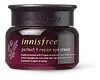
This anti-aging eye moisturizer is formulated around Niacinamide and Squalane to soften the look of wrinkles and hydrate skin.
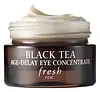
This anti-aging eye moisturizer is formulated around Squalane and Saccharomyces Ferment Filtrate to soften the look of wrinkles and hydrate skin.


What's inside
What's inside
 Key Ingredients
Benefits
Concerns
Ingredients Side-by-side
Water
Skin ConditioningButylene Glycol
Humectant

Glycerin
Humectant
Hydrogenated Polyisobutene
EmollientPentaerythrityl Tetraethylhexanoate
Emollient
Cetearyl Alcohol
Emollient






Niacinamide
Smoothing









Cyclopentasiloxane
Emollient
Dimethicone
Emollient
Glyceryl Stearate
Emollient
Cyclohexasiloxane
Emollient
Squalane
Emollient
Polymethyl Methacrylate
Cetyl Ethylhexanoate
EmollientButyrospermum Parkii Butter
Skin Conditioning
1,2-Hexanediol
Skin Conditioning
Stearic Acid
Cleansing
PEG-100 Stearate
Surfactant
Copernicia Cerifera Cera
Emollient
Pentaerythrityl Distearate
Emulsifying
Palmitic Acid
Emollient
Polyacrylate-13
Caprylic/Capric Triglyceride
Masking
Behenyl Alcohol
Emollient
Caffeine
Skin Conditioning
Cetearyl Glucoside
Emulsifying
Dimethicone/Vinyl Dimethicone Crosspolymer
Skin Conditioning
Polyglyceryl-10 Pentastearate
Skin Conditioning
Polyisobutene
Parfum
Masking


Propanediol
Solvent
Glyceryl Caprylate
EmollientSodium Stearoyl Lactylate
EmulsifyingEthylhexylglycerin
Skin ConditioningDisodium EDTA
ChelatingAdenosine
Skin Conditioning
Polysorbate 20
Emulsifying
Sorbitan Isostearate
Emulsifying
Hydrogenated Lecithin
Emulsifying
Dextrin
AbsorbentTheobroma Cacao Extract
Skin ConditioningBeta-Glucan
Skin Conditioning
Caprylyl Glycol
Emollient
Artemisia Vulgaris Extract
Skin Conditioning
Houttuynia Cordata Extract
Skin Conditioning
Rubus Idaeus Fruit Extract
AstringentPrunella Vulgaris Leaf Extract
Skin ConditioningLonicera Japonica Flower Extract
Skin ConditioningZanthoxylum Piperitum Fruit Extract
Skin ConditioningTaraxacum Officinale Rhizome/Root Extract
Skin ConditioningGanoderma Lucidum Extract
Skin Protecting
Glucose
Humectant
Myristic Acid
Cleansing
Arachidic Acid
Cleansing
Tocopherol
Antioxidant

Sparassis Crispa Extract
Emulsion StabilisingWater, Butylene Glycol, Glycerin, Hydrogenated Polyisobutene, Pentaerythrityl Tetraethylhexanoate, Cetearyl Alcohol, Niacinamide, Cyclopentasiloxane, Dimethicone, Glyceryl Stearate, Cyclohexasiloxane, Squalane, Polymethyl Methacrylate, Cetyl Ethylhexanoate, Butyrospermum Parkii Butter, 1,2-Hexanediol, Stearic Acid, PEG-100 Stearate, Copernicia Cerifera Cera, Pentaerythrityl Distearate, Palmitic Acid, Polyacrylate-13, Caprylic/Capric Triglyceride, Behenyl Alcohol, Caffeine, Cetearyl Glucoside, Dimethicone/Vinyl Dimethicone Crosspolymer, Polyglyceryl-10 Pentastearate, Polyisobutene, Parfum, Propanediol, Glyceryl Caprylate, Sodium Stearoyl Lactylate, Ethylhexylglycerin, Disodium EDTA, Adenosine, Polysorbate 20, Sorbitan Isostearate, Hydrogenated Lecithin, Dextrin, Theobroma Cacao Extract, Beta-Glucan, Caprylyl Glycol, Artemisia Vulgaris Extract, Houttuynia Cordata Extract, Rubus Idaeus Fruit Extract, Prunella Vulgaris Leaf Extract, Lonicera Japonica Flower Extract, Zanthoxylum Piperitum Fruit Extract, Taraxacum Officinale Rhizome/Root Extract, Ganoderma Lucidum Extract, Glucose, Myristic Acid, Arachidic Acid, Tocopherol, Sparassis Crispa Extract
Water
Skin ConditioningGlycerin
Humectant
Butylene Glycol
Humectant
Squalane
Emollient
Propylene Glycol Dicaprylate/Dicaprate
EmollientCaprylic/Capric Triglyceride
Masking
Methyl Methacrylate Crosspolymer
Pentylene Glycol
Skin Conditioning
Steareth-21
CleansingCetyl Alcohol
Emollient
Stearyl Alcohol
Emollient
C10-18 Triglycerides
Emollient
Limnanthes Alba Seed Oil
Skin Conditioning
Saccharomyces Ferment Filtrate
Humectant
Camellia Sinensis Leaf Extract
Antimicrobial
Avena Sativa Kernel Extract
Abrasive
Morinda Citrifolia Fruit Juice
Skin ConditioningSaccharomyces Cerevisiae Extract
Skin Conditioning
Litchi Chinensis Seed Extract
Skin ConditioningRubus Fruticosus Leaf Extract
MaskingTocopheryl Acetate
Antioxidant
Ascorbyl Tetraisopalmitate
Antioxidant
Tocopherol
Antioxidant
Biotin
AntiseborrhoeicGlyceryl Hydroxystearate
Emollient
Steareth-2
EmulsifyingStearalkonium Hectorite
Gel FormingSodium Polyacrylate
Absorbent
Parfum
Masking
Dimethicone
Emollient
Silica
Abrasive
Propylene Carbonate
SolventAcrylates/C10-30 Alkyl Acrylate Crosspolymer
Emulsion StabilisingSodium Hyaluronate
Humectant
Maltodextrin
Absorbent
Tromethamine
BufferingAdenosine
Skin Conditioning
CI 77891
Cosmetic ColorantBiosaccharide Gum-2
Skin ConditioningCaramel
Cosmetic ColorantHydroxyethylcellulose
Emulsion StabilisingAlgin
MaskingBHT
Antioxidant
Sodium Citrate
BufferingTin Oxide
Abrasive
Acacia Senegal Gum
MaskingCitric Acid
Buffering
Ethylhexylglycerin
Skin ConditioningPotassium Sorbate
Preservative
Serine
Masking
Phenoxyethanol
Preservative
Linalool
Perfuming
Water, Glycerin, Butylene Glycol, Squalane, Propylene Glycol Dicaprylate/Dicaprate, Caprylic/Capric Triglyceride, Methyl Methacrylate Crosspolymer, Pentylene Glycol, Steareth-21, Cetyl Alcohol, Stearyl Alcohol, C10-18 Triglycerides, Limnanthes Alba Seed Oil, Saccharomyces Ferment Filtrate, Camellia Sinensis Leaf Extract, Avena Sativa Kernel Extract, Morinda Citrifolia Fruit Juice, Saccharomyces Cerevisiae Extract, Litchi Chinensis Seed Extract, Rubus Fruticosus Leaf Extract, Tocopheryl Acetate, Ascorbyl Tetraisopalmitate, Tocopherol, Biotin, Glyceryl Hydroxystearate, Steareth-2, Stearalkonium Hectorite, Sodium Polyacrylate, Parfum, Dimethicone, Silica, Propylene Carbonate, Acrylates/C10-30 Alkyl Acrylate Crosspolymer, Sodium Hyaluronate, Maltodextrin, Tromethamine, Adenosine, CI 77891, Biosaccharide Gum-2, Caramel, Hydroxyethylcellulose, Algin, BHT, Sodium Citrate, Tin Oxide, Acacia Senegal Gum, Citric Acid, Ethylhexylglycerin, Potassium Sorbate, Serine, Phenoxyethanol, Linalool
Ingredients Explained
These ingredients are found in both products.
Ingredients higher up in an ingredient list are typically present in a larger amount.
Adenosine is a purine nucleoside that your body already makes in every cell. In skincare, it acts mainly as a skin conditioning and anti-aging agent.
The way it works is fairly well mapped out:
Your skin has cells called fibroblasts that build collagen (the stuff that keeps skin firm and smooth). Adenosine basically flips a switch on these cells that tells them to get to work making more collagen and other proteins. These cells slow down on their own as skin ages, so Adenosine helps give them a little nudge to keep going.
The clinical backing is pretty solid too.
A blind, randomized, placebo-controlled trial of 126 women aged 45-65 tested a 0.1% cream twice daily and found real improvements in crow's feet and frown lines using a precise 3D skin-mapping technique; these changes showed up by week 3 and held at 2 months.
A later study using Adenosine-loaded dissolving microneedle patches reported gains in wrinkle depth, dermal density, elasticity, and hydration.
On concentrations, South Korea's Ministry of Food and Drug Safety has set 0.04% as the approved functional anti-wrinkle level. You'll typically see this ingredient used somewhere in the 0.04-0.1% range since it works at low doses.
This ingredient has been found safe for cosmetics with the data showing no irritation or sensitization.
Overall, this is a great ingredient for any anti-aging routine and has no photosensitizing effect, so it suits both AM and PM use.
Learn more about AdenosineButylene Glycol (or BG) is used within cosmetic products for a few different reasons:
Overall, Butylene Glycol is a safe and well-rounded ingredient that works well with other ingredients.
Though this ingredient works well with most skin types, some people with sensitive skin may experience a reaction such as allergic rashes, closed comedones, or itchiness.
Learn more about Butylene GlycolCaprylic/Capric Triglyceride (aka MCT Oil) is a lightweight emollient, solvent, and texture enhancer. It is considered a skin-softener by helping to prevent moisture loss.
Though it behaves like an oil, it is not technically one due to its chemical composition. One perk of this ingredient is that it is very stable, resistant to oxidation, and unlikely to go rancid.
In practice, that translates to a long shelf life and a consistently elegant skin feel.
While there is an assumption Caprylic Triglyceride can clog pores due to it being derived from coconut oil, there is no research supporting this. Just patch test if you have concerns.
Fractionated coconut oil and MCT Oil are both listed as Caprylic/Capric Triglyceride according to INCI. This is because INCI names are based on the ingredient’s final chemical composition and not its marketing name or source.
This ingredient is treated as the gold standard fungal acne safe oil. Even though it is coconut derived, the problematic lauric acid is stripped out.
This leaves just caprylic (C8) and capric (C10) acid. These chain lengths actually trend antifungal; a 2020 study found caprylic acid was enough to disrupt Malassezia furfur cell membrane, with a caprylic acid derivative damaging membrane structures at concentrations as low as 0.2%.
Learn more about Caprylic/Capric TriglycerideDimethicone is a type of synthetic silicone created from natural materials such as quartz. It is also known as polydimethylsiloxane.
What it does:
Dimethicone comes in different viscosities:
Depending on the viscosity, dimethicone has different properties.
Ingredients lists don't always show which type is used, so we recommend reaching out to the brand if you have questions about the viscosity.
This ingredient is unlikely to cause irritation because it does not get absorbed into skin. However, people with silicone allergies should be careful about using this ingredient.
Note: Dimethicone may contribute to pilling. This is because it is not oil or water soluble, so pilling may occur when layered with products. When mixed with heavy oils in a formula, the outcome is also quite greasy.
Learn more about DimethiconeEthylhexylglycerin is created from glycerin. It is a multitasker ingredient that:
The CIR Expert Panel found minimal skin absorption or sensitization of any kind in a safety assessment. Though this ingredient is considered well-tolerated, a small number of cases of allergic dermatitis have been published since 2002. Just be sure to patch test if you are unsure.
Industry-reported use ranges from 8% in rinse-off products and 2% in leave-on formulations.
Learn more about EthylhexylglycerinGlycerin (or glycerol) is a compound naturally found in your skin. It's a powerhouse humectant that pulls water into the stratum corneum.
Topically, glycerin does several things at once:
Your skin makes glycerin on its own (mostly from sebaceous oil breakdown) and shuttles it to your outermost layer of skin, or your epidermis, via aquaporin-3.
Aquaporin-3 is a transporter that is essential for normal skin hydration, elasticity, and repair. Interestingly, mice lacking in AQP3 have dry and less elastic skin that can be fully corrected with glycerin.
This ingredient is non-irritating, plays well with almost every ingredient, and works across all skin types. Typical use is anywhere between 3-10% but can go up to 79% in some leave-on products.
Just know very high concentrations (>40%) can feel tacky in low humidity.
Glycerin is the name for this ingredient in American English. British English uses Glycerol/Glycerine.
Learn more about GlycerinParfum is a catch-all term for an ingredient or more that is used to give a scent to products.
Also called "fragrance", this ingredient can be a blend of hundreds of chemicals or plant oils. This means every product with "fragrance" or "parfum" in the ingredients list is a different mixture.
For instance, Habanolide is a proprietary trade name for a specific aroma chemical. When used as a fragrance ingredient in cosmetics, most aroma chemicals fall under the broad labeling category of “FRAGRANCE” or “PARFUM” according to EU and US regulations.
The term 'parfum' or 'fragrance' is not regulated in many countries. In many cases, it is up to the brand to define this term.
For instance, many brands choose to label themselves as "fragrance-free" because they are not using synthetic fragrances. However, their products may still contain ingredients such as essential oils that are considered a fragrance by INCI standards.
One example is Calendula flower extract. Calendula is an essential oil that still imparts a scent or 'fragrance'.
Depending on the blend, the ingredients in the mixture can cause allergies and sensitivities on the skin. Some ingredients that are known EU allergens include linalool and citronellol.
Parfum can also be used to mask or cover an unpleasant scent.
The bottom line is: not all fragrances/parfum/ingredients are created equally. If you are worried about fragrances, we recommend taking a closer look at an ingredient. And of course, we always recommend speaking with a professional.
Learn more about ParfumSqualane is the hydrogenated and shelf-stable form of squalene (a lipid that naturally occurs in human sebum).
It is an emollient and skin conditioning agent that is able to integrate seamlessly into the skin's lipid barrier without clogging pores.
This is due to how structurally similar it is to what your skin already produces.
Though it is mostly an emollient that helps soften and hydrate skin, it also has some humectant and occlusive action. Humectants help the skin retain moisture while occlusives seal it in, making squalane a triple-threat moisturizer.
Research shows it has antioxidant capabilities that help protect against stressors like UV exposure, specifically UVA induced oxidative stress. This study also found that it supports collagen biosynthesis in human dermal fibroblasts.
No clinical study has reported significant adverse effects and irritation reactions are very rare from this ingredient (even at 100% concentration).
Overall, it's a fantastic ingredient for hydration and is suitable for all skin types.
This depends on the source. Squalane can be derived from both plants and animals. Most squalane used in skincare comes from plants.
Please note: the source of squalane is only known if disclosed by the brand. We recommend reaching out to the brand if you have any questions about their squalane.
Read more about squalene with an "e".
Though squalane is often called an oil, it’s technically not one. It is a hydrocarbon, meaning it is only made of carbon and hydrogen. True oils are triglycerides and made of fatty acids and glycerol.
The term “oil-free” isn’t regulated so companies can define it however they want. Some exclude all oils, while others just avoid mineral oil or comedogenic oils.
Squalane has a comedogenic rating of 1 from the original 1972 study that tested raw ingredients under occlusion on rabbit ears. This system is not standardized or peer-reviewed, and using the raw ingredients is very different from how diluted cosmetic formulations are used on human skin.
A comedogenic rating of 1 means it is "unlikely to clog pores" according to the original rating system.
The overall formula of a product matters more than the individual ingredients on whether or not it will cause clogged pores.
Learn more about SqualaneTocopherol is a fat-soluble antioxidant known as Vitamin E.
You'll find this ingredient in the vast majority of skincare (for good reason). It works to neutralize free radicals, or unstable molecules generated by UV exposure, pollution, and other environmental stressors, before they can cause oxidative damage to your skin cells.
Topically applied tocopherol has been shown to protect against UV damage by ramping up the skin's own natural defense enzymes.
It also acts as a skin conditioning agent; some studies show that regular topical use can improve the skin's water-binding capacity over 2-4 weeks.
This ingredient is especially loved for being a team player. When combined with Vitamin C, the photoprotective effect of both ingredients roughly doubles and the combo also helps reduce UV-induced DNA damage.
This ingredient has some brightening potential but it's more of a prevention ingredient than spot-fader. Cell studies show it can slow down melanin production but it's worth noting that it's not the most powerful brightener out there.
In formulations, it also serves as a stabilizer that helps protect other oxidation-prone ingredients from degrading.
Concentrations usually range from 0.1-1% in most leave-on products.
Learn more about TocopherolWater. It's the most common cosmetic ingredient of all. You'll usually see it at the top of ingredient lists, meaning that it makes up the largest part of the product.
So why is it so popular? Water most often acts as a solvent - this means that it helps dissolve other ingredients into the formulation.
You'll also recognize water as that liquid we all need to stay alive. If you see this, drink a glass of water. Remember to stay hydrated!
Learn more about Water

