This brightening eye moisturizer is formulated around Tranexamic Acid and Tetrahexyldecyl Ascorbate to brighten dull-looking skin and soften the look of wrinkles.
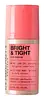
This brightening eye moisturizer is formulated around Niacinamide and Arbutin to fade the look of dark spots and brighten dull-looking skin.


What's inside
What's inside
 Key Ingredients
Benefits
Concerns
Ingredients Side-by-side
Water
Skin ConditioningPropanediol
Solvent

Caprylic/Capric Triglyceride
Masking
Coco-Caprylate
Emollient
Tranexamic Acid
Astringent




Dimethicone
Emollient

Glycerin
Humectant
Squalane
Emollient
Mangifera Indica Seed Butter
Skin Conditioning

Stearic Acid
Cleansing
Cetearyl Alcohol
Emollient


Dilinoleic Acid/Propanediol Copolymer
EmollientArachidyl Alcohol
Emollient
Butylene Glycol
Humectant
Hydrogenated Polydecene
EmollientBis-Diglyceryl Polyacyladipate-2
Emollient
Tetrahexyldecyl Ascorbate
Antioxidant



Bakuchiol
Antimicrobial

Nicotiana Benthamiana Hexapeptide-40 Sh-Polypeptide-76
Skin Conditioning
Palmitoyl Tripeptide-5
Skin Conditioning
Ascorbyl Glucoside
Antioxidant
3-O-Ethyl Ascorbic Acid
Skin Conditioning
Coffea Arabica Seed Extract
Masking
Sodium Hyaluronate
Humectant
Glycyrrhiza Glabra Root Extract
Bleaching
Cedrus Atlantica Bark Extract
Perfuming


Caffeine
Skin Conditioning
Oryza Sativa Bran Extract
Skin Conditioning
Pistacia Lentiscus Gum
MaskingBacillus Ferment
Skin Conditioning
Leuconostoc/Radish Root Ferment Filtrate
Antimicrobial
Vaccinium Myrtillus Fruit Extract
Skin ConditioningSodium PCA
Humectant
Allantoin
Skin Conditioning
Silica
Abrasive
Rosmarinus Officinalis Leaf Extract
AntimicrobialBisabolol
Antioxidant
Helianthus Annuus Extract
Emollient
Xanthan Gum
EmulsifyingGlucose
Humectant
Tocopherol
Antioxidant
Sorbitan Isostearate
Emulsifying
Phospholipids
Skin Conditioning
Phytonadione
Lecithin
Emollient
Glyceryl Caprylate
EmollientPolyglyceryl-3 Caprate
EmulsifyingGlyceryl Caprylate/Caprate
EmollientEthylhexyl Palmitate
Emollient
C12-15 Alkyl Benzoate
AntimicrobialBehenyl Alcohol
Emollient
Phenoxyethanol
Preservative
Sorbitan Sesquioleate
Emulsifying
1,2-Hexanediol
Skin Conditioning
Caprylyl Glycol
Emollient
Cetearyl Glucoside
Emulsifying
Arachidyl Glucoside
EmulsifyingHydroxyacetophenone
Antioxidant
Citric Acid
Buffering
Hydroxyethyl Acrylate/Sodium Acryloyldimethyl Taurate Copolymer
Emulsion StabilisingSodium Phytate
ChelatingSodium Polyacrylate
Absorbent
Pentylene Glycol
Skin Conditioning
Dicaprylyl Carbonate
EmollientSilica Dimethyl Silylate
EmollientTitanium Dioxide
Cosmetic Colorant

CI 77891
Cosmetic ColorantMica
Cosmetic ColorantIron Oxides
CI 77492
Cosmetic ColorantCI 77491
Cosmetic ColorantWater, Propanediol, Caprylic/Capric Triglyceride, Coco-Caprylate, Tranexamic Acid, Dimethicone, Glycerin, Squalane, Mangifera Indica Seed Butter, Stearic Acid, Cetearyl Alcohol, Dilinoleic Acid/Propanediol Copolymer, Arachidyl Alcohol, Butylene Glycol, Hydrogenated Polydecene, Bis-Diglyceryl Polyacyladipate-2, Tetrahexyldecyl Ascorbate, Bakuchiol, Nicotiana Benthamiana Hexapeptide-40 Sh-Polypeptide-76, Palmitoyl Tripeptide-5, Ascorbyl Glucoside, 3-O-Ethyl Ascorbic Acid, Coffea Arabica Seed Extract, Sodium Hyaluronate, Glycyrrhiza Glabra Root Extract, Cedrus Atlantica Bark Extract, Caffeine, Oryza Sativa Bran Extract, Pistacia Lentiscus Gum, Bacillus Ferment, Leuconostoc/Radish Root Ferment Filtrate, Vaccinium Myrtillus Fruit Extract, Sodium PCA, Allantoin, Silica, Rosmarinus Officinalis Leaf Extract, Bisabolol, Helianthus Annuus Extract, Xanthan Gum, Glucose, Tocopherol, Sorbitan Isostearate, Phospholipids, Phytonadione, Lecithin, Glyceryl Caprylate, Polyglyceryl-3 Caprate, Glyceryl Caprylate/Caprate, Ethylhexyl Palmitate, C12-15 Alkyl Benzoate, Behenyl Alcohol, Phenoxyethanol, Sorbitan Sesquioleate, 1,2-Hexanediol, Caprylyl Glycol, Cetearyl Glucoside, Arachidyl Glucoside, Hydroxyacetophenone, Citric Acid, Hydroxyethyl Acrylate/Sodium Acryloyldimethyl Taurate Copolymer, Sodium Phytate, Sodium Polyacrylate, Pentylene Glycol, Dicaprylyl Carbonate, Silica Dimethyl Silylate, Titanium Dioxide, CI 77891, Mica, Iron Oxides, CI 77492, CI 77491
Water
Skin ConditioningGlycerin
Humectant
Hydrogenated Polydecene
EmollientCaprylic/Capric Triglyceride
Masking
Niacinamide
Smoothing

1,2-Hexanediol
Skin Conditioning
Palmitic Acid
Emollient
Polyglyceryl-3 Distearate
Emulsifying
Butyrospermum Parkii Butter
Skin Conditioning
Polyglyceryl-3 Methylglucose Distearate
Emulsifying
Glyceryl Stearate
Emollient
Cetearyl Olivate
Ammonium Acryloyldimethyltaurate/Vp Copolymer
Sorbitan Olivate
Emulsifying
Polyacrylate Crosspolymer-6
Emulsion StabilisingCarbomer
Emulsion StabilisingTromethamine
BufferingEthylhexylglycerin
Skin ConditioningGlyceryl Stearate Citrate
Emollient
Disodium EDTA
ChelatingStearic Acid
Cleansing
Myristic Acid
Cleansing
Arbutin
Antioxidant
Caffeine
Skin Conditioning
Hyaluronic Acid
Humectant
T-Butyl Alcohol
Perfuming


Butylene Glycol
Humectant
Tranexamic Acid
Astringent
Bakuchiol
Antimicrobial
Camellia Sinensis Leaf Extract
Antimicrobial
Ceramide NP
Skin Conditioning
Glycyrrhiza Glabra Root Extract
Bleaching
Lactic Acid
Buffering
Centella Asiatica Extract
Cleansing
Water, Glycerin, Hydrogenated Polydecene, Caprylic/Capric Triglyceride, Niacinamide, 1,2-Hexanediol, Palmitic Acid, Polyglyceryl-3 Distearate, Butyrospermum Parkii Butter, Polyglyceryl-3 Methylglucose Distearate, Glyceryl Stearate, Cetearyl Olivate, Ammonium Acryloyldimethyltaurate/Vp Copolymer, Sorbitan Olivate, Polyacrylate Crosspolymer-6, Carbomer, Tromethamine, Ethylhexylglycerin, Glyceryl Stearate Citrate, Disodium EDTA, Stearic Acid, Myristic Acid, Arbutin, Caffeine, Hyaluronic Acid, T-Butyl Alcohol, Butylene Glycol, Tranexamic Acid, Bakuchiol, Camellia Sinensis Leaf Extract, Ceramide NP, Glycyrrhiza Glabra Root Extract, Lactic Acid, Centella Asiatica Extract
Ingredients Explained
These ingredients are found in both products.
Ingredients higher up in an ingredient list are typically present in a larger amount.
1,2-Hexanediol is a synthetic liquid and another multi-functional powerhouse.
It is a:
- Humectant, drawing moisture into the skin
- Emollient, helping to soften skin
- Solvent, dispersing and stabilizing formulas
- Preservative booster, enhancing the antimicrobial activity of other preservatives
Bakuchiol is a plant-derived antioxidant from the seeds of the Psoralea corylifolia plant. It has antimicrobial, emollient, skin conditioning, and antioxidant properties.
You'll likely see it called a "retinol replacement" but the two are technically not related. This is because bakuchiol is able to flip many of the same switches in your skin cells to tell them to:
1) produce more collagen (type I, III, and IV)
2) activate the same genes retinoids do
Unlike retinoids, this ingredient will not increase photosensitivity and is safe to use during pregnancy (but please still check in with your doctor!).
The flagship clinical trial from Dhaliwal et al. 2019 found 0.5% bakuchiol (twice daily) and 0.5% retinol (once daily) reduced wrinkles and hyperpigmentation equally, but bakuchiol had significantly less irritation.
Systematic reviews also back this up:
Bakuchiol is comparable to retinol for photoaging but with better tolerability. It also has mild antibacterial properties against Cutibacterium acnes and antifungal activity in vitro against Candida and dermatophytes.
The reason bakuchiol works well is due to its structure; it is a meroterpene phenol, or a hybrid molecule. The phenol half acts as an antioxidant while the terpene half is fat-loving. This helps the molecule slip through the skin barrier.
This ingredient is usually used between 0.5-2%. Only one case of contact dermatitis has ever been reported for this ingredient.
Learn more about BakuchiolButylene Glycol (or BG) is used within cosmetic products for a few different reasons:
Overall, Butylene Glycol is a safe and well-rounded ingredient that works well with other ingredients.
Though this ingredient works well with most skin types, some people with sensitive skin may experience a reaction such as allergic rashes, closed comedones, or itchiness.
Learn more about Butylene GlycolCaffeine is a naturally occurring plant compound found in coffee beans, tea leaves, cocoa pods, and guarana.
As an antioxidant, caffeine protects your skin from free radical damage caused by UV exposure and envionrmnetal stressors.
Early research also shows that caffeine can help calm redness, soothe irritated skin, and support hair growth by stimulating microcirculation in the scalp.
You might have seen eye creams marketing caffeine as a depuffing ingredient. This is because it is a vasoconstrictor meaning it can temporarily constrict blood vessels, though clinical evidence for this specific use is still limited.
Most skincare products contain this ingredient at concentrations between 1-6%. It is able to penetrate skin easily regardless of skin type or thickness.
Just so you know, a very small number of case reports describe caffeine-induced allergy. This ingredient is generally well-tolerated, non-irritating, and non-sensitizing for the majority of people.
Learn more about CaffeineCaprylic/Capric Triglyceride (aka MCT Oil) is a lightweight emollient, solvent, and texture enhancer. It is considered a skin-softener by helping to prevent moisture loss.
Though it behaves like an oil, it is not technically one due to its chemical composition. One perk of this ingredient is that it is very stable, resistant to oxidation, and unlikely to go rancid.
In practice, that translates to a long shelf life and a consistently elegant skin feel.
While there is an assumption Caprylic Triglyceride can clog pores due to it being derived from coconut oil, there is no research supporting this. Just patch test if you have concerns.
Fractionated coconut oil and MCT Oil are both listed as Caprylic/Capric Triglyceride according to INCI. This is because INCI names are based on the ingredient’s final chemical composition and not its marketing name or source.
This ingredient is treated as the gold standard fungal acne safe oil. Even though it is coconut derived, the problematic lauric acid is stripped out.
This leaves just caprylic (C8) and capric (C10) acid. These chain lengths actually trend antifungal; a 2020 study found caprylic acid was enough to disrupt Malassezia furfur cell membrane, with a caprylic acid derivative damaging membrane structures at concentrations as low as 0.2%.
Learn more about Caprylic/Capric TriglycerideGlycerin (or glycerol) is a compound naturally found in your skin. It's a powerhouse humectant that pulls water into the stratum corneum.
Topically, glycerin does several things at once:
Your skin makes glycerin on its own (mostly from sebaceous oil breakdown) and shuttles it to your outermost layer of skin, or your epidermis, via aquaporin-3.
Aquaporin-3 is a transporter that is essential for normal skin hydration, elasticity, and repair. Interestingly, mice lacking in AQP3 have dry and less elastic skin that can be fully corrected with glycerin.
This ingredient is non-irritating, plays well with almost every ingredient, and works across all skin types. Typical use is anywhere between 3-10% but can go up to 79% in some leave-on products.
Just know very high concentrations (>40%) can feel tacky in low humidity.
Glycerin is the name for this ingredient in American English. British English uses Glycerol/Glycerine.
Learn more about GlycerinGlycyrrhiza Glabra Root Extract is an extract of the roots of Licorice. It has been found to have several benefits such as skin hydrating, conditioning, and soothing.
One component, glabridin, has extra potent antioxidant and soothing properties. It has also been found to block pigmentation from UVB rays in guinea pigs.
Licorice Root also contains a flavonoid. Flavonoids are a natural substance from in plants. Flavonoids also have antioxidant properties.
Another component, glycyrrhizin, has been found to have anti-inflammatory and antimicrobial benefits. This may make licorice root extract effective at treating acne. However, more research is needed to support this.
Liquiritin is one of the flavone compounds found in licorice. It has been found to help lighten skin by preventing tyrosinase from reacting with tyrosine. When the two react, protein is converted to melanin. Melanin is the substance in your body that gives your features pigmentation.
Learn more about Glycyrrhiza Glabra Root ExtractHydrogenated Polydecene is a synthetic emollient. It forms a non-occlusive film on the skin's surface to provide a silky feel without being greasy.
In vivo studies in volunteers with atopic and dry skin showed no irritation or intolerance. The volunteers also saw a positive effect in dryness, scaling, and roughness after 28 days of use.
Concentrations up to 100% in guinea pig tests found it to be non-sensitizing and completely safe for use in cosmetics.
Learn more about Hydrogenated PolydeceneStearic Acid is a fatty acid that is already found in your skin. It's one of the free fatty acids that works alongside ceramides and cholesterols to maintain your barrier.
In cosmetics, it is a multitasker:
Safety-wise, the CIR Expert Panel has concluded it to be safe in cosmetics when formulated to be non-irritating and non-sensitizing.
Free stearic acid is a C18 fatty acid that the Malassezia yeast can substrate, so this ingredient may not be fungal acne safe.
This ingredient does have a comedogenic rating of 2-3, but this doesn't mean a formula with this ingredient will clog pores.
Human testing has proved that any finished product with this ingredient won't automatically make you break out; it really comes down to concentration, formula, and your skin.
Learn more about Stearic AcidTranexamic Acid (TXA) is a synthetic lysine derivative that is becoming one of the most exciting brightening ingredients in skincare.
Originally used in medicine as an anti-hemorrhagic agent, its skin brightening potential was discovered by accident; patients taking it orally started noticing their melasma was fading.
Unlike most brighteners that target tyrosinase (the enzyme that synthesizes melanin), TXA works further upstream. It basically blocks your cells from receiving the signal to produce pigment.
This makes it one of the rare actives that works on three pathways at once:
This makes it effective for treating melasma, post-inflammatory hyperpigmentation (PIH), and sun-induced dark spots.
The most effective cosmetic concentration sits between 2-5% and going higher doesn't boost results.
Side effects are generally mild; occasional irritation, flaking, or dryness have been reported at the start of use. Overall, this ingredient is pretty well tolerated, even by sensitive skin types.
Another perk of this ingredient is that it does not cause photosensitivity, so it's safe to use in the AM and PM.
"Does it actually penetrate?" is the part that gets argued about online and the honest answer from research + clinical trials at this time is "yes, but not easily."
TXA is a small molecule that loves water and carries both a positive and negative charge at the same time. Skin's outer layer is oily so a water-loving molecule like this has a hard time getting through it. Liu et al. 2021 showed that it doesn't really stick around well in the deeper layer where pigment-making cells actually live.
A 2025 paper puts it simply: penetration is poor and it depends heavily on how the product is formulated (Winn et al., J Cosmet Dermatol).
But "poor" isn't "none" and the research is fairly clear that topical TXA does something. A 2026 review that pooled results from multiple studies found it helped with moderate melasma but it didn't outperform hydroquinone. Some individual studies at 3% and 5% went head to head with hydroquinone and help up well.
So the fair takeaway is that it works, it's just slower and fussier about formulation than other actives (how the serum is built matters a lot).
There's real evidence here and it's not just clinic marketing. Reviews of microneedling plus TXA report less pigmentation, less melanin, and less redness (Zhang et al., Chinese Journal of Plastic and Reconstructive Surgery, 2024).
The most useful study compared 42 patients getting microneedling plus TXA against microneedling on its own; the group that got the acid saw much bigger improvement. This suggests the acid is pulling its weight and the needling isn't doing all the work.
Just two things worth flagging here:
Oral TXA also works well for melasma and gets used in clinics. However, it is a systemic drug with clotting-related risks and needs a prescription. Injections into the skin have also been studied with good results.
Neither is something a cosmetic product can do, but they help explain why so much attention goes into getting the topical version right.
Learn more about Tranexamic AcidWater. It's the most common cosmetic ingredient of all. You'll usually see it at the top of ingredient lists, meaning that it makes up the largest part of the product.
So why is it so popular? Water most often acts as a solvent - this means that it helps dissolve other ingredients into the formulation.
You'll also recognize water as that liquid we all need to stay alive. If you see this, drink a glass of water. Remember to stay hydrated!
Learn more about Water

