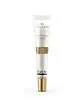
This eye moisturizer is formulated around Panthenol to hydrate skin.
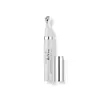
This calming eye moisturizer is formulated around Niacinamide and Caffeine to calm redness.


What's inside
What's inside
 Key Ingredients
Benefits
Concerns
Ingredients Side-by-side
Water
Skin ConditioningDicaprylyl Ether
Emollient
C15-19 Alkane
SolventButylene Glycol
Humectant
Silica
Abrasive


Caprylyl Methicone
Skin Conditioning
Propanediol
Solvent
Cetearyl Alcohol
Emollient






PEG-240/Hdi Copolymer Bis-Decyltetradeceth-20 Ether
StabilisingArachidyl Alcohol
Emollient
Panthenol
Skin Conditioning


Tocopheryl Acetate
Antioxidant


Cetyl Palmitate
Emollient
Caprylic/Capric Triglyceride
Masking
Marrubium Vulgare Meristem Cell Culture
Skin ProtectingColloidal Gold
AntimicrobialAcetyl Heptapeptide-9
Skin Conditioning
Solidago Virgaurea Extract
Skin ConditioningHyaluronic Acid
Humectant

Sodium Hyaluronate
Humectant
Sodium Stearoyl Glutamate
CleansingButyrospermum Parkii Butter
Skin Conditioning
Hydroxyacetophenone
Antioxidant
Arachidyl Glucoside
EmulsifyingAllantoin
Skin Conditioning
Lecithin
Emollient
Myristic Acid
Cleansing
Maltodextrin
Absorbent
Titanium Dioxide
Cosmetic Colorant

Stearic Acid
Cleansing
Behenyl Alcohol
Emollient
Phenoxyethanol
Preservative
Palmitic Acid
Emollient
1,2-Hexanediol
Skin Conditioning
Parfum
Masking


Dimethicone
Emollient
Xanthan Gum
EmulsifyingDisodium EDTA
ChelatingEthylhexylglycerin
Skin ConditioningSodium Hydroxide
BufferingTocopherol
Antioxidant
Ascorbyl Palmitate
Antioxidant
Potassium Laurate
EmulsifyingCitric Acid
Buffering
Glycerin
Humectant
Benzyl Salicylate
Perfuming
Hydroxycitronellal
Perfuming
Linalool
Perfuming
Hexyl Cinnamal
Perfuming
Limonene
Perfuming
Water, Dicaprylyl Ether, C15-19 Alkane, Butylene Glycol, Silica, Caprylyl Methicone, Propanediol, Cetearyl Alcohol, PEG-240/Hdi Copolymer Bis-Decyltetradeceth-20 Ether, Arachidyl Alcohol, Panthenol, Tocopheryl Acetate, Cetyl Palmitate, Caprylic/Capric Triglyceride, Marrubium Vulgare Meristem Cell Culture, Colloidal Gold, Acetyl Heptapeptide-9, Solidago Virgaurea Extract, Hyaluronic Acid, Sodium Hyaluronate, Sodium Stearoyl Glutamate, Butyrospermum Parkii Butter, Hydroxyacetophenone, Arachidyl Glucoside, Allantoin, Lecithin, Myristic Acid, Maltodextrin, Titanium Dioxide, Stearic Acid, Behenyl Alcohol, Phenoxyethanol, Palmitic Acid, 1,2-Hexanediol, Parfum, Dimethicone, Xanthan Gum, Disodium EDTA, Ethylhexylglycerin, Sodium Hydroxide, Tocopherol, Ascorbyl Palmitate, Potassium Laurate, Citric Acid, Glycerin, Benzyl Salicylate, Hydroxycitronellal, Linalool, Hexyl Cinnamal, Limonene
Titanium Dioxide
Cosmetic Colorant
Zinc Oxide
Cosmetic Colorant
Water
Skin ConditioningDimethicone
Emollient
Propanediol
Solvent
C12-15 Alkyl Benzoate
AntimicrobialCetyl PEG/PPG-10/1 Dimethicone
Emulsifying
Butyloctyl Salicylate
Skin Conditioning
Argania Spinosa Kernel Oil
Emollient
Tocopheryl Acetate
Antioxidant
Caprylic/Capric Triglyceride
Masking
Sodium Chloride
MaskingButylene Glycol
Humectant
Niacinamide
Smoothing


Caffeine
Skin Conditioning
Oligopeptide-24
Skin Conditioning
Sodium Hyaluronate
Humectant
Beta-Glucan
Skin Conditioning
Ascorbyl Palmitate
Antioxidant
Selaginella Lepidophylla Extract
EmollientPunica Granatum Seed Oil
Emollient
Persea Gratissima Oil
Skin Conditioning
Vitis Vinifera Seed Oil
Emollient
Dipotassium Glycyrrhizate
Humectant
Polymnia Sonchifolia Root Juice
Skin ConditioningCalendula Officinalis Flower Extract
Masking
Theobroma Cacao Seed Extract
Antioxidant
Agastache Mexicana Flower/Leaf/Stem Extract
Skin ConditioningZingiber Officinale Root Extract
Masking
Alteromonas Ferment Extract
Skin Conditioning
Olive Oil Polyglyceryl-6 Esters
Emollient
Butyrospermum Parkii Butter
Skin Conditioning
Bisabolol
Antioxidant
Alpha-Glucan Oligosaccharide
Cleansing
Polyglyceryl-3 Polyricinoleate
Emulsifying
Lecithin
Emollient
Isostearic Acid
Cleansing
Sodium Oleate
CleansingGlycine Soja Oil
Emollient
Polyglyceryl-4 Isostearate
Emulsifying
Hexyl Laurate
Emollient
Disteardimonium Hectorite
StabilisingPolysilicone-11
Caprylyl Glycol
Emollient
1,2-Hexanediol
Skin Conditioning
Magnesium Sulfate
Hydroxyacetophenone
Antioxidant
Polyglyceryl-6 Pentaoleate
Emulsifying
Pentylene Glycol
Skin Conditioning
Stearic Acid
Cleansing
Glycerin
Humectant
Silica
Abrasive
Polyhydroxystearic Acid
Emulsifying
Hydroxyphenyl Propamidobenzoic Acid
Skin ConditioningCellulose Acetate
Acrylates/Ammonium Methacrylate Copolymer
Lactobacillus Ferment
Skin Conditioning
Propylene Glycol Stearate
Skin Conditioning
Triethoxycaprylylsilane
Lactobacillus
Skin ConditioningMagnesium Stearate
Cosmetic ColorantHydrogenated Lecithin
Emulsifying
Maltodextrin
Absorbent
Phenoxyethanol
Preservative
Sodium Benzoate
Masking
Benzoic Acid
Masking
Disodium EDTA
ChelatingAlumina
Abrasive
CI 77491
Cosmetic ColorantCI 77891
Cosmetic ColorantTitanium Dioxide, Zinc Oxide, Water, Dimethicone, Propanediol, C12-15 Alkyl Benzoate, Cetyl PEG/PPG-10/1 Dimethicone, Butyloctyl Salicylate, Argania Spinosa Kernel Oil, Tocopheryl Acetate, Caprylic/Capric Triglyceride, Sodium Chloride, Butylene Glycol, Niacinamide, Caffeine, Oligopeptide-24, Sodium Hyaluronate, Beta-Glucan, Ascorbyl Palmitate, Selaginella Lepidophylla Extract, Punica Granatum Seed Oil, Persea Gratissima Oil, Vitis Vinifera Seed Oil, Dipotassium Glycyrrhizate, Polymnia Sonchifolia Root Juice, Calendula Officinalis Flower Extract, Theobroma Cacao Seed Extract, Agastache Mexicana Flower/Leaf/Stem Extract, Zingiber Officinale Root Extract, Alteromonas Ferment Extract, Olive Oil Polyglyceryl-6 Esters, Butyrospermum Parkii Butter, Bisabolol, Alpha-Glucan Oligosaccharide, Polyglyceryl-3 Polyricinoleate, Lecithin, Isostearic Acid, Sodium Oleate, Glycine Soja Oil, Polyglyceryl-4 Isostearate, Hexyl Laurate, Disteardimonium Hectorite, Polysilicone-11, Caprylyl Glycol, 1,2-Hexanediol, Magnesium Sulfate, Hydroxyacetophenone, Polyglyceryl-6 Pentaoleate, Pentylene Glycol, Stearic Acid, Glycerin, Silica, Polyhydroxystearic Acid, Hydroxyphenyl Propamidobenzoic Acid, Cellulose Acetate, Acrylates/Ammonium Methacrylate Copolymer, Lactobacillus Ferment, Propylene Glycol Stearate, Triethoxycaprylylsilane, Lactobacillus, Magnesium Stearate, Hydrogenated Lecithin, Maltodextrin, Phenoxyethanol, Sodium Benzoate, Benzoic Acid, Disodium EDTA, Alumina, CI 77491, CI 77891
Ingredients Explained
These ingredients are found in both products.
Ingredients higher up in an ingredient list are typically present in a larger amount.
1,2-Hexanediol is a synthetic liquid and another multi-functional powerhouse.
It is a:
- Humectant, drawing moisture into the skin
- Emollient, helping to soften skin
- Solvent, dispersing and stabilizing formulas
- Preservative booster, enhancing the antimicrobial activity of other preservatives
Ascorbyl Palmitate is a fat-soluble form of vitamin C (Ascorbic Acid) made by combining it with palmitic acid.
It is able to blend easily into creams and oil-based formulas because it dissolves in oils rather than water.
As you may know, regular vitamin C is notorious for breaking down when exposed to sunlight and air. Ascorbyl Palmitate is more stable and degrades at a slower rate.
Research on whether it converts efficiently into active vitamin C once it's applied on your skin is still limited.
Some in-vitro studies suggest it may support collagen production, but it is not considered one of the stronger vitamin C derivatives, like:
Due to the palmitic acid base, this ingredient may not be fungal acne safe. Comedogenic studies have also shown this ingredient to have a rating of 2.
It's also worth keeping in mind that comedogenic and irritancy ratings are tested on individual ingredients, not finished formulas. The final product's formulation, concentration, and other ingredients all play a role in how something actually behaves on your skin.
Learn more about Ascorbyl PalmitateButylene Glycol (or BG) is used within cosmetic products for a few different reasons:
Overall, Butylene Glycol is a safe and well-rounded ingredient that works well with other ingredients.
Though this ingredient works well with most skin types, some people with sensitive skin may experience a reaction such as allergic rashes, closed comedones, or itchiness.
Learn more about Butylene GlycolThis ingredient is also known as shea butter. It is a plant-derived extract from the nuts of the Africa shea tree and one of the most well-studied emollients.
Because it has a high concentration of fatty acids (primarily oleic, stearic, and linoleic) it is able to form a protective barrier on the skin's surface. This helps seal in moisture and prevents transepidermal water loss (TEWL).
In vitro research found an increase in skin hydration by 58% and a decrease in TEWL by 37.8% after 24 hours of applying this ingredient (pretty impressive for a single ingredient!).
Besides hydration, shea butter also contains triterpenes that have anti-inflammatory potential. In particule, lupeol cinnamate has shown the highest anti-inflammatory activity in vivo.
Shea butter also contains vitamins A and E which may contribute to antioxidant activity.
While Shea Butter has an SPF rating of about 3-4, it is not a sunscreen replacement.
This ingredient may not be fungal acne safe because its fatty acids fall within the C11-C24 range that the Malassezia yeast can metabolize.
This ingredient shows up on a lot of "pore-clogging" lists but there's no real evidence behind that. It doesn't even have a comedogenic rating from an actual study; the numbers you'll find online come from blogs citing other blogs.
Ratings for other ingredients mostly come from a 1980s rabbit ear test. This test doesn't translate well to human skin or to real products because the ingredient sits at a much lower percentage.
Some people still find it breaks them out. So if that's you, definitely trust your skin. Just know this one's based on experience and not evidence.
Learn more about Butyrospermum Parkii ButterCaprylic/Capric Triglyceride (aka MCT Oil) is a lightweight emollient, solvent, and texture enhancer. It is considered a skin-softener by helping to prevent moisture loss.
Though it behaves like an oil, it is not technically one due to its chemical composition. One perk of this ingredient is that it is very stable, resistant to oxidation, and unlikely to go rancid.
In practice, that translates to a long shelf life and a consistently elegant skin feel.
While there is an assumption Caprylic Triglyceride can clog pores due to it being derived from coconut oil, there is no research supporting this. Just patch test if you have concerns.
Fractionated coconut oil and MCT Oil are both listed as Caprylic/Capric Triglyceride according to INCI. This is because INCI names are based on the ingredient’s final chemical composition and not its marketing name or source.
This ingredient is treated as the gold standard fungal acne safe oil. Even though it is coconut derived, the problematic lauric acid is stripped out.
This leaves just caprylic (C8) and capric (C10) acid. These chain lengths actually trend antifungal; a 2020 study found caprylic acid was enough to disrupt Malassezia furfur cell membrane, with a caprylic acid derivative damaging membrane structures at concentrations as low as 0.2%.
Learn more about Caprylic/Capric TriglycerideDimethicone is a type of synthetic silicone created from natural materials such as quartz. It is also known as polydimethylsiloxane.
What it does:
Dimethicone comes in different viscosities:
Depending on the viscosity, dimethicone has different properties.
Ingredients lists don't always show which type is used, so we recommend reaching out to the brand if you have questions about the viscosity.
This ingredient is unlikely to cause irritation because it does not get absorbed into skin. However, people with silicone allergies should be careful about using this ingredient.
Note: Dimethicone may contribute to pilling. This is because it is not oil or water soluble, so pilling may occur when layered with products. When mixed with heavy oils in a formula, the outcome is also quite greasy.
Learn more about DimethiconeDisodium EDTA is a chelating agent. It grabs onto and deactivates metal ions that sneak into your products from water, packaging, or air.
This ingredient mainly works behind the scenes and helps with:
On top of that, this ingredient can counteract the effects of hard water by binding to the minerals in it.
One thing worth knowing is that Disodium EDTA has been shown to be a mild penetration enhancer. It can help other ingredients absorb into skin more effectively which can be a double-edged sword (great for actives, but can also make the active too strong if you have sensitive skin).
Clinical patch testing showed no significant skin irritation at typical use concentrations and minimal dermal absorption.
You'll most likely see this ingredient near the end of an ingredient list. It's typically found in concentrations less than 1%.
Learn more about Disodium EDTAGlycerin (or glycerol) is a compound naturally found in your skin. It's a powerhouse humectant that pulls water into the stratum corneum.
Topically, glycerin does several things at once:
Your skin makes glycerin on its own (mostly from sebaceous oil breakdown) and shuttles it to your outermost layer of skin, or your epidermis, via aquaporin-3.
Aquaporin-3 is a transporter that is essential for normal skin hydration, elasticity, and repair. Interestingly, mice lacking in AQP3 have dry and less elastic skin that can be fully corrected with glycerin.
This ingredient is non-irritating, plays well with almost every ingredient, and works across all skin types. Typical use is anywhere between 3-10% but can go up to 79% in some leave-on products.
Just know very high concentrations (>40%) can feel tacky in low humidity.
Glycerin is the name for this ingredient in American English. British English uses Glycerol/Glycerine.
Learn more about GlycerinHydroxyacetophenone is a small phenolic molecule that earns its place in a formulas as an antioxidant and preservative booster.
As a phenol, it is able to neutralize free radicals to protect both the product and the skin from oxidative stress.
Though it can't kill microbes on its own, it works as a good supporting agent when combined with other preservatives like Phenoxyethanol or 1,2-Hexanediol.
This ingredient naturally occurs as piceol in Norwegian spruce needles (~0.4-1.1% dry weight and in cloudberries). Though the cosmetic-grade material is synthesized for purity and consistency.
You'll usually see it used at low levels and suppliers recommend up to 1% added to a water phase.
Safety testing was done at concentrations like 0.05% in SPF products and 0.5% in a Human Repeated Insult Patch Test. The safety evidence is assuring; this ingredient is safe for cosmetics in current use and also holds safety status as a food flavoring as well.
An honest caveat: the "soothing" and "anti-inflammatory" claims come mostly from supplier marketing rather than published clinical trials. The Cosmetic Ingredient Review's own literature search found no useful efficacy studies on this ingredient.
So the antioxidant and preservative-boosting roles are the well supported ones while the calming benefit is plausible but thinly evidenced.
Overall, this is a well-tolerated, low-irritation multitasker that quietly helps a formula stay fresh and stable.
Learn more about HydroxyacetophenoneLecithin is a term for a group of substances found in the cell membranes of plants, animals, and humans. They are made up of phospholipids.
Thanks to its amphiphilic structure (water-loving head and oil-loving tail), it is a true multitasker:
It plays well with most ingredients and is typically used at 0.1-1%. However, concentrations up to 50% have been reported in moisturizers.
Learn more about LecithinMaltodextrin is a plant-derived carbohydrate made by breaking down starch (usually from corn, potato, or rice). In cosmetic formulas, it's a multitasking absorbent, emulsion stabilizer, and skin conditioner.
This ingredient is mostly used to stabilize emulsions and improve the powdery, non-greasy feel of products (like dry shampoos).
Safety-wise, this ingredient is pretty solid; it's even recognized as a food additive. Both animal and clinical studies found no adverse effects at the levels used in cosmetics.
Industry data shows this ingredient is used up to 45.7% in spray products and up to 33% in powder products.
Learn more about MaltodextrinPhenoxyethanol is one of the most widely used preservatives in skincare (and for good reason!).
It has a large spectrum of antimicrobial activity and especially effective bacteria, yeast, and mold while only having a weak effect on your skin's natural microbiome.
On a cellular level, it disrupts the cell membranes of microbes by poking holes that make the cell leak. This shuts down the chemical reactions the microbe needs to make energy so it can no longer survive.
Another perk of this ingredient is that it stays functional across a wide pH range (3-10).
You'll often see it paired with boosters like Ethylhexylglycerin; one study showed that a 1:9 ratio of Ethylhexylglycerin to Phenoxyethanol damages bacterial membranes as effectively as doubling the Phenoxyethanol concentration on its own.
Typical use concentrations range from 0.3-1% depending on the formula, and this ingredient is capped at 1% int the EU.
Safety-wise, the fear mongering does not hold up to the evidence. The EU's Scientific Committee on Consumer Safety and FDA consider it safe as a preservative at up to 1%, including for children of all ages.
Adverse systemic effects only showed up in animal studies at exposures roughly 200x higher than what people get from cosmetics. And despite its very widespread use, this ingredient is a rare sensitizer and allergic reactions are uncommon.
Learn more about PhenoxyethanolPropanediol is an all-star ingredient. It softens, hydrates, and smooths the skin.
It’s often used to:
Propanediol is not likely to cause sensitivity and considered safe to use. It is derived from corn or petroleum with a clear color and no scent.
Learn more about PropanediolSilica, also known as silicon dioxide, is a naturally occurring mineral. It is used as a fine, spherical, and porous powder in cosmetics.
Though it has exfoliant properties, the function of silica varies depending on the product.
The unique structure of silica enhances the spreadability and adds smoothness, making it a great texture enhancer.
It is also used as an active carrier, emulsifier, and mattifier due to its ability to absorb excess oil.
In some products, tiny microneedles called spicules are made from silica or hydrolyzed sponge. When you rub them in, they lightly polish away dead skin layers and enhance the penetration of active ingredients.
Learn more about SilicaSodium Hyaluronate is the salt form of hyaluronic acid. It is a long sugar chain that is naturally found in your skin, joints, and connective tissue that maintains hydration and elasticity.
In skincare, it works as a humectant. It pulls water from the environment and deeper layers of skin and binds it to the surface.
Interestingly, the size of the molecule affects its behavior:
Some clinical evidence links low molecular weight versions to improved wrinkle depth, elasticity, anti-inflammatory effects, and barrier repair.
Many serums use a blend of both weights so you can get surface hydration plus longer-lasting and deeper effects.
You'll typically see concentrations between 0.1-2% for this ingredient.
Learn more about Sodium HyaluronateStearic Acid is a fatty acid that is already found in your skin. It's one of the free fatty acids that works alongside ceramides and cholesterols to maintain your barrier.
In cosmetics, it is a multitasker:
Safety-wise, the CIR Expert Panel has concluded it to be safe in cosmetics when formulated to be non-irritating and non-sensitizing.
Free stearic acid is a C18 fatty acid that the Malassezia yeast can substrate, so this ingredient may not be fungal acne safe.
This ingredient does have a comedogenic rating of 2-3, but this doesn't mean a formula with this ingredient will clog pores.
Human testing has proved that any finished product with this ingredient won't automatically make you break out; it really comes down to concentration, formula, and your skin.
Learn more about Stearic AcidTitanium Dioxide (TD) is a mineral UV filter widely used in sunscreens and cosmetics.
It's one of only two UV filters officially classified as "mineral" by regulatory agencies (the other being Zinc Oxide).
A really common myth is that mineral filters work by reflecting UV light off your skin like tiny mirrors.
They don't only do that; modern research shows TD protects mostly by absorbing UV radiation, the same way chemical filters do.
When researchers measured this, reflection accounted for only about 4-5% of the protection (and less than SPF 2 on its own). The other ~95% comes from absorption: the UV photons hit the particle and their energy gets soaked up by its semiconductor band gap rather than bouncing off.
So "reflects vs. absorbs" was never really the right way to split mineral from chemical filters.
TD gives broad-spectrum protection that's strongest in the UVB and UVA-2 range and weaker in the UVA-1 range. Its UVA protection isn't quite as strong as Zinc Oxide's which is why you'll often see the two paired together.
Together, they make a solid broad-spectrum system.
TD is a great pick for sensitive, acne-prone, or redness-prone skin because it's non-irritating and chemically inert. Regulatory reviews classify it as a non-sensitizer and mild-to-non-irritant.
It's also unlikely to cause the "eye sting" some chemical filters are known for.
The main trade-off is cosmetic; TD can leave a white cast and has a thicker texture. This is why mineral sunscreens are often less cosmetically elegant than chemical or hybrid formulas (and harder to shade-match on deeper skin tones).
Formulators often use micronized or nano-sized TD to cut down on white case and improve spreadability. Smaller particles scatter less visible light so the formula looks less chalky while still filtering UV.
TD is almost always bundled with coatings like Alumina, Silica, Stearic Acid, or Dimethicone. These coatings do two important jobs:
TD can be used at up to 25% in a finished sunscreen; this is the regulatory ceiling in both the US and the EU.
In practice, the amount in any given product varies a lot depending on the target SPF and whether it's paired with other UV filters.
TD is one of the most heavily vetted sunscreen ingredients out there. It is approved as a UV filter in all major markets worldwide, including the US, EU, UK, Japan, Korea, China, Australia, and Canada.
The safety evidence is solid. There was an old worry that nano particles might absorb through skin into the body but multiple studies (including on damaged, sunburned, and UV-irradiated skin) have shown that TD stays on the surface and the layer of dead skin cells on top of everything else.
There's also no evidence of carcinogenicity, mutagenicity, or reproductive toxicity from dermal exposure of this ingredient.
For those who have seen the headline about a 2022 EU ban on TD, that was on TD as a food additive (a complete separate use from topical sunscreen).
There are ongoing questions about how nano-TD might affect marine ecosystems. As of now, there has been no conclusive evidence that any form of TD (or any other sunscreen filter) harms coral reefs or marine life.
The science is still developing and it's a space worth watching rather than packing over.
However, several destinations have reef-safety sunscreen rules that restrict certain chemical filters and steer visitors toward mineral, non-nano options. If you're traveling somewhere with these rules, a non-nano mineral sunscreen is the safe bet.
Learn more about Titanium DioxideTocopheryl Acetate is a stable, shelf-friendly form of vitamin E.
Formulators love it because plain vitamin E oxidizes quickly once it hits air. This acetate version stays stable and resists going off, helping to extend a product's shelf life.
It's actually inactive on its own and works like a slow-release "storage" form; the enzymes in your skin called esterases gradually convert it into active vitamin E over time.
One in vivo study showed 5% of the acetate in the living layer of the epidermis converted to vitamin E after 5 days of application. This study also found the skin gained protection against UV damage even though the conversion was slow and small.
Once converted, vitamin E acts as a skin's main fat-soluble antioxidant that fights free radicals to protect skin from damage.
Topical vitamin E generally boosts the skin's photoprotection, and it reduced UV-damage in animal models.
This ingredient has some brightening potential but it's more of a prevention ingredient than spot-fader. Cell studies show it can slow down melanin production but it's worth noting that it's not the most powerful brightener out there.
Overall, it has a pretty solid safety profile and has been found to be non-irritating and non-comedogenic. Allergic reactions may happen but stay rare due to how widely the ingredient gets used.
The concentration will vary depending on the formula; industry data shows 0.1% in baby lotions, 3% in lipsticks, and 5% in foot powders. You can also find this ingredient at 100% in a pure vitamin E oil.
Most leave-on skincare keeps it at the lower end, often between 0.5-1%.
Learn more about Tocopheryl AcetateWater. It's the most common cosmetic ingredient of all. You'll usually see it at the top of ingredient lists, meaning that it makes up the largest part of the product.
So why is it so popular? Water most often acts as a solvent - this means that it helps dissolve other ingredients into the formulation.
You'll also recognize water as that liquid we all need to stay alive. If you see this, drink a glass of water. Remember to stay hydrated!
Learn more about Water

