
What's inside
What's inside
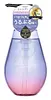 Key Ingredients
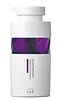
Benefits
Concerns
Ingredients Side-by-side
Water
Skin ConditioningSodium Lauroyl Methylalanine
Glycerin
Humectant


Cocamidopropyl Betaine
Cleansing



Sodium Methyl Cocoyl Taurate
Cleansing
Cocamide DEA
Emulsifying
Potassium Cocoyl Hydrolyzed Collagen
Skin Conditioning
Potassium Cocoyl Hydrolyzed Keratin
Skin Conditioning
Isostearamidopropyl Betaine
CleansingKeratin
Skin ConditioningHydrolyzed Keratin
Humectant
Hydrolyzed Pea Protein
EmollientHydrolyzed Royal Jelly Protein
Skin ConditioningHydrolyzed Rice Protein
Skin ConditioningHydrolyzed Soy Protein
Humectant
Isostearoyl Hydrolyzed Keratin
CleansingIsostearoyl Hydrolyzed Collagen
Cleansing
Hematin
Sodium Lauroyl Glutamate
SurfactantBis-Ethoxydiglycol Cyclohexane 1,4-Dicarboxylate
EmollientSteardimonium Hydroxypropyl Hydrolyzed Keratin
Skin ConditioningMeadowfoam Delta-Lactone
Skin ConditioningGamma-Docosalactone
Skin ConditioningQuaternium-33
Cholesterol
Emollient
Ceramide Ng
Skin Conditioning

Ceramide NP
Skin Conditioning
Ceramide AP
Skin Conditioning
Zein
Skin ConditioningPolyquaternium-10
Polyquaternium-65
Emulsion StabilisingFullerenes
AntimicrobialDipotassium Glycyrrhizate
Humectant
Hydrolyzed Collagen
Emollient
Hydrolyzed Conchiolin Protein
Skin ConditioningHydrolyzed Hyaluronic Acid
Humectant
Hydroxypropyltrimonium Hyaluronate
Dihydroxypropyl Arginine Hcl
HumectantHydrogenated Starch Hydrolysate
HumectantSaccharide Isomerate
Humectant
Glucosyl Ceramide
Skin Conditioning
Glycosyl Trehalose
Emulsion StabilisingBeta-Glucan
Skin Conditioning
Sodium PCA
Humectant
Sodium Lactate
Buffering
Arginine
Masking
Aspartic Acid
Masking
PCA
Humectant
Glycine
Buffering
Alanine
Masking
Serine
Masking
Valine
MaskingProline
Skin Conditioning
Threonine
Isoleucine
Skin ConditioningHistidine
Humectant
Phenylalanine
Masking
Argania Spinosa Kernel Oil
Emollient



Simmondsia Chinensis Seed Oil
Emollient
Juglans Regia Seed Oil
Skin Conditioning
Salvia Hispanica Seed Oil
Emollient
Oenothera Biennis Oil
Emollient
Anthemis Nobilis Flower Extract
Masking
Calendula Officinalis Flower Extract
Masking
Centaurea Cyanus Flower Extract
Astringent
Chamomilla Recutita Flower Extract
Masking
Hypericum Perforatum Flower/Leaf/Stem Extract
Skin ConditioningTilia Cordata Flower Extract
Skin Conditioning
PPG-3 Caprylyl Ether
Foam BoostingStearamidopropyl Dimethylamine
EmulsifyingDiethyl Sebacate
EmollientIsostearic Acid
Cleansing
Isononyl Isononanoate
EmollientDistearyldimonium Chloride
Sodium Benzoate
Masking
Disodium EDTA
ChelatingButylene Glycol
Humectant
Dipropylene Glycol
HumectantPropylene Glycol
Humectant
Pvp
Emulsion StabilisingAlcohol
Antimicrobial

Citric Acid
Buffering

Sodium Citrate
BufferingTocopherol
Antioxidant

Phenoxyethanol
Preservative
Parfum
Masking
Water, Sodium Lauroyl Methylalanine, Glycerin, Cocamidopropyl Betaine, Sodium Methyl Cocoyl Taurate, Cocamide DEA, Potassium Cocoyl Hydrolyzed Collagen, Potassium Cocoyl Hydrolyzed Keratin, Isostearamidopropyl Betaine, Keratin, Hydrolyzed Keratin, Hydrolyzed Pea Protein, Hydrolyzed Royal Jelly Protein, Hydrolyzed Rice Protein, Hydrolyzed Soy Protein, Isostearoyl Hydrolyzed Keratin, Isostearoyl Hydrolyzed Collagen, Hematin, Sodium Lauroyl Glutamate, Bis-Ethoxydiglycol Cyclohexane 1,4-Dicarboxylate, Steardimonium Hydroxypropyl Hydrolyzed Keratin, Meadowfoam Delta-Lactone, Gamma-Docosalactone, Quaternium-33, Cholesterol, Ceramide Ng, Ceramide NP, Ceramide AP, Zein, Polyquaternium-10, Polyquaternium-65, Fullerenes, Dipotassium Glycyrrhizate, Hydrolyzed Collagen, Hydrolyzed Conchiolin Protein, Hydrolyzed Hyaluronic Acid, Hydroxypropyltrimonium Hyaluronate, Dihydroxypropyl Arginine Hcl, Hydrogenated Starch Hydrolysate, Saccharide Isomerate, Glucosyl Ceramide, Glycosyl Trehalose, Beta-Glucan, Sodium PCA, Sodium Lactate, Arginine, Aspartic Acid, PCA, Glycine, Alanine, Serine, Valine, Proline, Threonine, Isoleucine, Histidine, Phenylalanine, Argania Spinosa Kernel Oil, Simmondsia Chinensis Seed Oil, Juglans Regia Seed Oil, Salvia Hispanica Seed Oil, Oenothera Biennis Oil, Anthemis Nobilis Flower Extract, Calendula Officinalis Flower Extract, Centaurea Cyanus Flower Extract, Chamomilla Recutita Flower Extract, Hypericum Perforatum Flower/Leaf/Stem Extract, Tilia Cordata Flower Extract, PPG-3 Caprylyl Ether, Stearamidopropyl Dimethylamine, Diethyl Sebacate, Isostearic Acid, Isononyl Isononanoate, Distearyldimonium Chloride, Sodium Benzoate, Disodium EDTA, Butylene Glycol, Dipropylene Glycol, Propylene Glycol, Pvp, Alcohol, Citric Acid, Sodium Citrate, Tocopherol, Phenoxyethanol, Parfum
Water
Skin ConditioningLauramidopropyl Betaine
CleansingCocamide DEA
Emulsifying
Cocamidopropyl Betaine
Cleansing
Disodium Laureth Sulfosuccinate
CleansingPotassium Cocoyl Hydrolyzed Collagen
Skin Conditioning
Sodium Lauroyl Hydrolyzed Silk
Skin ConditioningPotassium Cocoyl Hydrolyzed Keratin
Skin Conditioning
Sodium Taurine Cocoyl Methyltaurate
Cleansing
Sodium Lauroyl Methylalanine
Tea-Cocoyl Glutamate
Cleansing
Cocamide Mea
Emulsifying
Human Adipose Derived Mesenchymal Cell Exosomes
Skin ConditioningPropylenediammonium Dimaleate
Sodium Tosyl Valinate
Skin ConditioningHydrolyzed Keratin
Humectant
Hydrolyzed Collagen
Emollient
Hydrolyzed Sodium Hyaluronate
Skin Conditioning
Ceramide EOP
Skin Conditioning
Ceramide NP
Skin Conditioning
Ceramide AP
Skin Conditioning
Polyquaternium-64
Polyquaternium-61
Skin ConditioningHydroxypropyltrimonium Hyaluronate
Isostearoyl Hydrolyzed Keratin
CleansingArginine
Masking
Pyrrolidinyl Diaminopyrimidine Oxide
Trifolium Pratense Flower Extract
AstringentBiotinoyl Tripeptide-1

Acetyl Tetrapeptide-3
Skin Protecting
Azelaic Acid
Buffering



Soluble Proteoglycan
Skin ConditioningSodium Hyaluronate
Humectant
Sodium Hyaluronate Crosspolymer-2
HumectantPhytosphingosine
Skin Conditioning
Pentylene Glycol
Skin Conditioning
Panthenol
Skin Conditioning
Creatine
Skin ConditioningGlycerin
Humectant
Isononyl Isononanoate
EmollientDextran
Polyquaternium-10
Polyquaternium-47
Skin ConditioningEthylhexylglycerin
Skin ConditioningCholesterol
Emollient
Sodium Lauroyl Lactylate
EmulsifyingEthyl Lauroyl Arginate Hcl
Skin ConditioningCeteareth-60 Myristyl Glycol
EmulsifyingXanthan Gum
EmulsifyingCarbomer
Emulsion StabilisingCocamide Methyl Mea
Foam Boosting
BHT
Antioxidant
Pentasodium Pentetate
ChelatingMalic Acid
Buffering
Dipropylene Glycol
HumectantButylene Glycol
Humectant
Alcohol
Antimicrobial
Sodium Chloride
MaskingSodium Benzoate
Masking
Phenoxyethanol
Preservative
Parfum
Masking
Water, Lauramidopropyl Betaine, Cocamide DEA, Cocamidopropyl Betaine, Disodium Laureth Sulfosuccinate, Potassium Cocoyl Hydrolyzed Collagen, Sodium Lauroyl Hydrolyzed Silk, Potassium Cocoyl Hydrolyzed Keratin, Sodium Taurine Cocoyl Methyltaurate, Sodium Lauroyl Methylalanine, Tea-Cocoyl Glutamate, Cocamide Mea, Human Adipose Derived Mesenchymal Cell Exosomes, Propylenediammonium Dimaleate, Sodium Tosyl Valinate, Hydrolyzed Keratin, Hydrolyzed Collagen, Hydrolyzed Sodium Hyaluronate, Ceramide EOP, Ceramide NP, Ceramide AP, Polyquaternium-64, Polyquaternium-61, Hydroxypropyltrimonium Hyaluronate, Isostearoyl Hydrolyzed Keratin, Arginine, Pyrrolidinyl Diaminopyrimidine Oxide, Trifolium Pratense Flower Extract, Biotinoyl Tripeptide-1, Acetyl Tetrapeptide-3, Azelaic Acid, Soluble Proteoglycan, Sodium Hyaluronate, Sodium Hyaluronate Crosspolymer-2, Phytosphingosine, Pentylene Glycol, Panthenol, Creatine, Glycerin, Isononyl Isononanoate, Dextran, Polyquaternium-10, Polyquaternium-47, Ethylhexylglycerin, Cholesterol, Sodium Lauroyl Lactylate, Ethyl Lauroyl Arginate Hcl, Ceteareth-60 Myristyl Glycol, Xanthan Gum, Carbomer, Cocamide Methyl Mea, BHT, Pentasodium Pentetate, Malic Acid, Dipropylene Glycol, Butylene Glycol, Alcohol, Sodium Chloride, Sodium Benzoate, Phenoxyethanol, Parfum
Ingredients Explained
These ingredients are found in both products.
Ingredients higher up in an ingredient list are typically present in a larger amount.
This ingredient is also called ethanol or ethyl alcohol. It is denatured, meaning made undrinkable for cosmetic use.
In formulas, it:
Is it bad for your skin?
The answer comes down to concentration. Patch and wash studies have found highly concentrated alcohol-based hand rubs (60-100%) cause less barrier disruption than washing with a basic detergent like SLS. The only measurable effect in these studies was a temporary dip in skin hydration.
Concentrations below 12-15% in leave-on cosmetics is generally well-tolerated. Concentrations above start to see increased transepidermal water loss (TEWL) and reduced hydration.
In concentrations about 58%, it creates temporary channels in your skin's lipid layers to become more permeable and allow other ingredients to slip through easily.
This ingredient can be up to 80% of the formula in alcohol-based perfumes.
Overall, this ingredient is probably harmless if found lower down an ingredients list but worth side-eyeing if it's high up (especially if your barrier is already struggling).
Alcohol can worsen dry skin, eczema, and oily skin, especially at higher concentrations. This is because it can increase transepidermal water loss and decrease hydration to disrupt the skin barrier.
According to the National Rosacea Society based in the US, you should be mindful of products with these alcohols in the top half of ingredients.
True allergic contact dermatitis to ethanol is uncommon, but be sure to patch test if you have dry or sensitive skin.
Learn more about AlcoholArginine is a semi-essential amino acid. This just means our bodies can product a bit on its own, but sometimes needs a little boost from food sources.
It is a part of your skin's natural moisturizing factor (NMF), or the water-loving molecules in your outermost layer of skin (stratum corneum) that keeps everything hydrated and happy.
Here's an interesting thing about Arginine: your skin converts it into urea through the Krebs-Henseleit urea cycle. Urea is one of the most effective humectants your skin naturally produces.
A clinical study showed applying 2.5% arginine hydrochloride to atopic dermatitis skin showed significant urea levels in the stratum corneum and improved moisture in just four weeks.
Arginine is also a precursor to nitric oxide; nitric oxide improves microcirculation and supports wound healing and collagen synthesis.
One study found that an amino acid complex containing Arginine reduced skin irritation, improved hydration, and accelerated skin repair in clinical / in-vivo studies.
Arginine itself is an amino acid and not a fatty acid, oil, or ester. On its own, it's not a direct food source for Malassezia, or the yeast that causes fungal acne.
Learn more about ArginineButylene Glycol (or BG) is used within cosmetic products for a few different reasons:
Overall, Butylene Glycol is a safe and well-rounded ingredient that works well with other ingredients.
Though this ingredient works well with most skin types, some people with sensitive skin may experience a reaction such as allergic rashes, closed comedones, or itchiness.
Learn more about Butylene GlycolCeramide AP is is a skin-identical lipid that mimics what your skin already makes naturally. Ceramides help maintain epidermal integrity and barrier function.
You'll often see this ingredient paired with other ceramides (like ceramide NP), cholesterol, or fatty acids because this combination best mimics the natural lipid mix your skin already has.
The skin's ability to produce ceramides gets disrupted in skin conditions like eczema. This in turn weakens the skin barrier and applying ceramides topically has been shown to replenish what's been lost to restore barrier function.
Most of the studies with Ceramide AP test it as part of a multi-ceramide complex; studies reinforce ceramide AP's role in rebalancing ceramides in skin and improving skin hydration.
Learn more about Ceramide APCeramide NP (formerly known as Ceramide 3) is one of the skin's naturally occurring lipids.
Since ceramides are the major lipid components of the skin, they are crucial for maintaining skin barrier and hydration. Ceramide NP most closely mirrors the dominant kind in human skin amongst ceramide subtypes.
This ceramide works by slotting into gaps within the stratum corneum's lipid matrix to limit trans-epidermal water loss (TEWL) and shield the skin against external irritants.
A study with 312 patients found that using a ceramide-containing routine for 4 weeks reduced the severity of atopic dermatitis by over 61%.
Another clinical study in subjects aged 60 and older found that a ceramide body wash and moisturizer improved skin dryness and itchy skin in 15 days.
Overall, ceramides are considered non-irritating and safety tests have found little to no observable adverse effects from using this ingredient.
Ceramide NP is usually sourced from plants (like soybean or rice bran), or produced synthetically.
Learn more about Ceramide NPCholesterol is a lipid that is naturally found in human skin and is one of the three key components of your skin barrier. In skincare, it is an emollient and barrier-repairing ingredient.
It works by fitting directly into the lipid layers of skin to help restore structure and reduce transepidermal water loss (TEWL).
This is a great ingredient for dry, compromised, or aging skin; our skin starts to produce less cholesterol with age.
Research shows cholesterol works best in combination with ceramides and fatty acids, the other two major components in your skin barrier.
Cholesterol is also a well-establish penetration enhancer and can help other actives absorb more effectively.
Cosmetic-grade cholesterol is usually derived from lanolin but plant and synthetic options also exist. We recommend reaching out to the brand if you have questions about their source of cholesterol.
Learn more about CholesterolCocamide DEA is a coconut-derived cleansing agent that creates rich foam and helps to thicken the consistency of cleansing products.
This ingredient effectively removes dirt and oil while helping to stabilize formulations, making it a common addition to shampoos, body washes, and facial cleansers.
It has become less popular in recent formulations due to potential irritation in sensitive skin types and concerns about trace amounts of diethanolamine (DEA), which can potentially form nitrosamines.
While still considered safe at regulated concentrations, many manufacturers now opt for gentler alternatives like cocamidopropyl betaine or other surfactants that offer similar benefits with fewer potential drawbacks.
Learn more about Cocamide DEACocamidopropyl Betaine is a fatty acid created by mixing similar compounds in coconut oil and dimethylaminopropylamine, a compound with two amino groups.
This ingredient is a surfactant and cleanser. It helps gather the dirt, pollutants, and other impurities in your skin to be washed away. It also helps thicken a product and make the texture more creamy.
Being created from coconut oil means Cocamidopropyl Betaine is hydrating for the skin.
While Cocamidopropyl Betaine was believed to be an allergen, a study from 2012 disproved this. It found two compounds in unpure Cocamidopropyl Betaine to be the irritants: aminoamide and 3-dimethylaminopropylamine. High-grade and pure Cocamidopropyl Betaine did not induce allergic reactions during this study.
Learn more about Cocamidopropyl BetaineDipropylene Glycol is a synthetically created humectant, stabilizer, and solvent.
This ingredient helps:
Dipropylene glycol is technically an alcohol, but it belongs to the glycol family (often considered part of the ‘good’ alcohols). This means it is hydrating and gentle on skin unlike drying solvent alcohols like denatured alcohol.
As a masking agent, Dipropylene Glycol can be used to cover the smell of other ingredients. However, it does not have a scent.
Studies show Dipropylene Glycol is considered safe to use in skincare.
Learn more about Dipropylene GlycolGlycerin (or glycerol) is a compound naturally found in your skin. It's a powerhouse humectant that pulls water into the stratum corneum.
Topically, glycerin does several things at once:
Your skin makes glycerin on its own (mostly from sebaceous oil breakdown) and shuttles it to your outermost layer of skin, or your epidermis, via aquaporin-3.
Aquaporin-3 is a transporter that is essential for normal skin hydration, elasticity, and repair. Interestingly, mice lacking in AQP3 have dry and less elastic skin that can be fully corrected with glycerin.
This ingredient is non-irritating, plays well with almost every ingredient, and works across all skin types. Typical use is anywhere between 3-10% but can go up to 79% in some leave-on products.
Just know very high concentrations (>40%) can feel tacky in low humidity.
Glycerin is the name for this ingredient in American English. British English uses Glycerol/Glycerine.
Learn more about GlycerinHydrolyzed Collagen is Collagen (usually sourced from fish, bovine, or porcine byproducts) that's been broken down into smaller peptides. This makes it water-soluble and easy to blend into formulations.
In a formula, it works mainly as a skin-conditioning and moisturizing agent.
The small peptides and amino acids (including Natural Moisturizing Factor components like Hydroxyproline, Serine, and Aspartic Acid) help the surface of the skin hold onto water, feel softer, and look temporarily plumper.
This ingredient also has mild film-forming and antioxidant properties with research showing the antioxidant effect is stronger the lower the molecular weight of the peptides.
It's worth being realistic here:
Topically applied Hydrolyzed Collagen conditions the upper layers of skin rather than rebuilding the structural collagen deep in your dermis (the wrinkle-and-firmness benefits people associate with Collagen mostly come from oral supplements in studies, not topicals).
However, recent lab and skin-model work on Hydrolyzed Fish Collagen has shown promising effects on cell viability and wound healing when used as an active.
Typical concentrations range from 0.2-2%, but the percentage can go much higher in rinse-off or hair products (sometimes even above 50%).
Clinical studies on this ingredient showed no irritation, sensitization, or phototoxicity.
If you are looking for vegan collagen, it usually goes by a different INCI name like hydrolyzed soy protein. Vegan collagen is derived from yeast, bacteria, or plant sources.
The results are varied.
A study from 2021 found hydrolyzed collagen increased elasticity and improved wrinkles in 1,125 participants between age 20 and 70. Another study found increased skin thickness in participants between the ages of 45 to 59.
However, It is difficult to prove that oral collagen will end up working on your skin. Many of the studies using hydrolyzed collagen also add several vitamins and nutrients into the test mixture as well.
Further studies are needed at this time.
Learn more about Hydrolyzed CollagenHydrolyzed Keratin is derived from keratin. Keratin is a large protein that is naturally found in our hair and skin.
Studies show keratin is able to seal broken hair cuticles, helping to prevent split ends and breakage.
As a humectant, hydrolyzed keratin helps draw moisture from the air to your hair and skin. This helps keep your skin and hair hydrated.
Learn more about Hydrolyzed KeratinHydroxypropyltrimonium Hyaluronate is a positively charged version of hyaluronic acid.
This small change does a lot in a formula:
Regular hyaluronic acid carries a negative charge and so does the surface of your skin. This means the two repel each other and hyaluronic acid can be washed away easily. The positive charge here does the opposite: it makes the ingredient cling to your skin (also called "substantivity") so it keeps hydrating even in rinse-off products where it lays down a light, moisture-holding film.
The research backs this up too; a 2025 clinical study on a shower gel containing 0.1% positively charged hyaluronic acid increased skin hydration by 6.6% versus the baseline and 11.1% versus the placebo. This was measured 6 hours after 1 minute of contact and rinse, and on volunteers with very dry skin.
The same team's lab work showed it adhered to skin far better than unmodified hyaluronic acid (+107% vs. low molecular weight, +23% versus high molecular weight). They also found it increased two proteins tied to skin hydration, aquaporin-3 by 16% and filaggrin by 35%.
A separate 2024 study reached a similar conclusion and credited the hydrating benefits to its film-forming properties.
Both studies used the ingredient at 0.1% which also matches how much it usually shows up in products (at fractions of a percent).
One honesty note worth keeping in mind: the published research comes from the company that manufactures the ingredient so independent data would strengthen the picture. However, the results are consistent and the mechanism makes sense.
As a Hyaluronic Acid derivative, it has a well-tolerated profile and suits most skin types.
Learn more about Hydroxypropyltrimonium HyaluronateIsononyl Isononanoate is a synthetic skin-conditioner and texture enhancer. It is created from nonanoic acid, a fatty acid found in cocoa and lavender oil.
As an emollient, Isononyl Isononanoate helps keep your skin soft and smooth. This is because emollients create a barrier on the skin to trap moisture in.
Isononyl Isononanoate helps give products a velvet feel and improves spreadability.
Learn more about Isononyl IsononanoateWe don't have a description for Isostearoyl Hydrolyzed Keratin yet.
Parfum is a catch-all term for an ingredient or more that is used to give a scent to products.
Also called "fragrance", this ingredient can be a blend of hundreds of chemicals or plant oils. This means every product with "fragrance" or "parfum" in the ingredients list is a different mixture.
For instance, Habanolide is a proprietary trade name for a specific aroma chemical. When used as a fragrance ingredient in cosmetics, most aroma chemicals fall under the broad labeling category of “FRAGRANCE” or “PARFUM” according to EU and US regulations.
The term 'parfum' or 'fragrance' is not regulated in many countries. In many cases, it is up to the brand to define this term.
For instance, many brands choose to label themselves as "fragrance-free" because they are not using synthetic fragrances. However, their products may still contain ingredients such as essential oils that are considered a fragrance by INCI standards.
One example is Calendula flower extract. Calendula is an essential oil that still imparts a scent or 'fragrance'.
Depending on the blend, the ingredients in the mixture can cause allergies and sensitivities on the skin. Some ingredients that are known EU allergens include linalool and citronellol.
Parfum can also be used to mask or cover an unpleasant scent.
The bottom line is: not all fragrances/parfum/ingredients are created equally. If you are worried about fragrances, we recommend taking a closer look at an ingredient. And of course, we always recommend speaking with a professional.
Learn more about ParfumPhenoxyethanol is one of the most widely used preservatives in skincare (and for good reason!).
It has a large spectrum of antimicrobial activity and especially effective bacteria, yeast, and mold while only having a weak effect on your skin's natural microbiome.
On a cellular level, it disrupts the cell membranes of microbes by poking holes that make the cell leak. This shuts down the chemical reactions the microbe needs to make energy so it can no longer survive.
Another perk of this ingredient is that it stays functional across a wide pH range (3-10).
You'll often see it paired with boosters like Ethylhexylglycerin; one study showed that a 1:9 ratio of Ethylhexylglycerin to Phenoxyethanol damages bacterial membranes as effectively as doubling the Phenoxyethanol concentration on its own.
Typical use concentrations range from 0.3-1% depending on the formula, and this ingredient is capped at 1% int the EU.
Safety-wise, the fear mongering does not hold up to the evidence. The EU's Scientific Committee on Consumer Safety and FDA consider it safe as a preservative at up to 1%, including for children of all ages.
Adverse systemic effects only showed up in animal studies at exposures roughly 200x higher than what people get from cosmetics. And despite its very widespread use, this ingredient is a rare sensitizer and allergic reactions are uncommon.
Learn more about PhenoxyethanolPolyquaternium-10 is an ammonium salt of hydroxyethylcellulose. It is a white and granular powder used as a film-former and anti-static agent.
This ingredient is commonly found in hair conditioning products. According to a manufacturer, its positive charge makes it great for absorbing hair proteins. The manufacturer also states this ingredient helps with curl retention.
For haircare friends: this ingredient is not a silicone.
Learn more about Polyquaternium-10Potassium Cocoyl Hydrolyzed Collagen can help to reduce the effects of aging.
We don't have a description for Potassium Cocoyl Hydrolyzed Keratin yet.
Sodium Benzoate is a preservative. It's used in both cosmetic and food products to inhibit the growth of mold and bacteria. It is typically produced synthetically.
Both the US FDA and EU Health Committee have approved the use of sodium benzoate. In the US, levels of 0.1% (of the total product) are allowed.
Sodium benzoate works as a preservative by inhibiting the growth of bacteria inside of cells. It prevents the cell from fermenting a type of sugar using an enzyme called phosphofructokinase.
It is the salt of benzoic acid. Foods containing sodium benzoate include soda, salad dressings, condiments, fruit juices, wines, and snack foods.
Studies for using ascorbic acid and sodium benzoate in cosmetics are lacking, especially in skincare routines with multiple steps.
We always recommend speaking with a professional, such as a dermatologist, if you have any concerns.
Learn more about Sodium BenzoateWater. It's the most common cosmetic ingredient of all. You'll usually see it at the top of ingredient lists, meaning that it makes up the largest part of the product.
So why is it so popular? Water most often acts as a solvent - this means that it helps dissolve other ingredients into the formulation.
You'll also recognize water as that liquid we all need to stay alive. If you see this, drink a glass of water. Remember to stay hydrated!
Learn more about WaterWe don't have a description for Sodium Lauroyl Methylalanine yet.


