Haruharu Wonder Black Rice Moisture Airyfit Sunscreen SPF 50+ PA++++ Versus StriVectin Hyaluronic Tripeptide Gel-Cream for Eyes
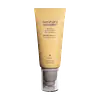
This chemical sunscreen covers the full UV range and blocks ~98% of UVB at SPF 50.
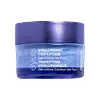
This anti-aging eye moisturizer is formulated around Sodium Hyaluronate and Palmitoyl Tripeptide-5 to soften the look of wrinkles and hydrate skin.


What's inside
What's inside
 Key Ingredients
Benefits
Concerns
Ingredients Side-by-side
Water
Skin ConditioningDibutyl Adipate
EmollientPropanediol
Solvent

Butyloctyl Salicylate
Skin Conditioning

Ethylhexyl Triazone
UV Absorber
Terephthalylidene Dicamphor Sulfonic Acid
UV Absorber
Glycerin
Humectant
Niacinamide
Smoothing









Tromethamine
BufferingPolyglyceryl-3 Distearate
Emulsifying

1,2-Hexanediol
Skin Conditioning
Pentylene Glycol
Skin Conditioning
Diethylamino Hydroxybenzoyl Hexyl Benzoate
UV Filter
Cetearyl Alcohol
Emollient




Caprylyl Methicone
Skin Conditioning
Polysilicone-15
UV Filter
Stellaria Media Extract
Skin ConditioningHelianthus Annuus Flower Extract
Skin ConditioningVaccinium Vitis-Idaea Fruit Extract
Antioxidant
Oryza Sativa Extract
Absorbent
Bellis Perennis Flower Extract
Skin ConditioningHouttuynia Cordata Extract
Skin Conditioning
Oryza Sativa Bran Oil
Emollient
Hydrogenated Lecithin
Emulsifying
Polymethylsilsesquioxane
Palmitic Acid
Emollient
Butylene Glycol
Humectant
Stearic Acid
Cleansing
Glyceryl Stearate
Emollient
Bis-Ethylhexyloxyphenol Methoxyphenyl Triazine
UV Absorber
Potassium Cetyl Phosphate
EmulsifyingPoly C10-30 Alkyl Acrylate
Emulsion StabilisingMethylpropanediol
SolventCarbomer
Emulsion StabilisingAmmonium Acryloyldimethyltaurate/Vp Copolymer
Acrylates/C10-30 Alkyl Acrylate Crosspolymer
Emulsion StabilisingGlyceryl Stearate Citrate
Emollient
Ethylhexylglycerin
Skin ConditioningAdenosine
Skin Conditioning
Polyether-1
Myristic Acid
Cleansing
Biosaccharide Gum-1
Humectant
Tocopherol
Antioxidant
Moringa Oleifera Seed Oil
Emollient
Ceramide NP
Skin Conditioning
Phytosphingosine
Skin Conditioning
Phenethyl Alcohol
MaskingSodium Chloride
MaskingDisodium Phosphate
BufferingPotassium Chloride
Potassium Phosphate
BufferingWater, Dibutyl Adipate, Propanediol, Butyloctyl Salicylate, Ethylhexyl Triazone, Terephthalylidene Dicamphor Sulfonic Acid, Glycerin, Niacinamide, Tromethamine, Polyglyceryl-3 Distearate, 1,2-Hexanediol, Pentylene Glycol, Diethylamino Hydroxybenzoyl Hexyl Benzoate, Cetearyl Alcohol, Caprylyl Methicone, Polysilicone-15, Stellaria Media Extract, Helianthus Annuus Flower Extract, Vaccinium Vitis-Idaea Fruit Extract, Oryza Sativa Extract, Bellis Perennis Flower Extract, Houttuynia Cordata Extract, Oryza Sativa Bran Oil, Hydrogenated Lecithin, Polymethylsilsesquioxane, Palmitic Acid, Butylene Glycol, Stearic Acid, Glyceryl Stearate, Bis-Ethylhexyloxyphenol Methoxyphenyl Triazine, Potassium Cetyl Phosphate, Poly C10-30 Alkyl Acrylate, Methylpropanediol, Carbomer, Ammonium Acryloyldimethyltaurate/Vp Copolymer, Acrylates/C10-30 Alkyl Acrylate Crosspolymer, Glyceryl Stearate Citrate, Ethylhexylglycerin, Adenosine, Polyether-1, Myristic Acid, Biosaccharide Gum-1, Tocopherol, Moringa Oleifera Seed Oil, Ceramide NP, Phytosphingosine, Phenethyl Alcohol, Sodium Chloride, Disodium Phosphate, Potassium Chloride, Potassium Phosphate
Water
Skin ConditioningIsododecane
EmollientDimethicone
Emollient
Glycerin
Humectant
Dimethicone Crosspolymer
Emulsion Stabilising
Pentylene Glycol
Skin Conditioning
Neopentyl Glycol Diheptanoate
EmollientPolymethylsilsesquioxane
Myristyl Nicotinate
Skin ConditioningTetrahexyldecyl Ascorbate
Antioxidant
Butylene Glycol
Humectant
Carbomer
Emulsion StabilisingCaprylyl Glycol
Emollient
Panthenol
Skin Conditioning
CI 77891
Cosmetic ColorantPhenoxyethanol
Preservative
Sodium Hydroxide
BufferingHelianthus Annuus Seed Oil
Emollient
Citrus Medica Vulgaris Fruit Extract
Antioxidant
Lens Esculenta Fruit Extract
Skin ConditioningPyrus Malus Fruit Extract
Skin Conditioning
Nicotiana Benthamiana Octapeptide-30 Sh-Oligopeptide-2
Skin Conditioning
Parfum
Masking


Ethylhexylglycerin
Skin ConditioningHexylene Glycol
EmulsifyingGlyceryl Acrylate/Acrylic Acid Copolymer
HumectantIsohexadecane
EmollientCarnosine
Skin Conditioning
Disodium EDTA
ChelatingAllantoin
Skin Conditioning
Sodium Hyaluronate
Humectant
Benzophenone-4
UV Absorber
Sodium Lactate
Buffering
Glycine Soja Oil
Emollient
Alumina
Abrasive
Isopropyl Titanium Triisostearate
Emollient
Dunaliella Salina Extract
Skin ConditioningLupinus Albus Seed Extract
Skin ConditioningSodium PCA
Humectant
Diglucosyl Gallic Acid
Bacillus/Sea Salt Ferment Filtrate
Skin ConditioningCitric Acid
Buffering
Ethylene/Propylene/Styrene Copolymer
Lecithin
Emollient
Sodium Benzoate
Masking
Polyhydroxystearic Acid
Emulsifying
Potassium Sorbate
Preservative
Oryza Sativa Extract
Absorbent
Benzyl Benzoate
Antimicrobial
Polyglyceryl-3 Diisostearate
Emulsifying
Limonene
Perfuming
Palmitoyl Tripeptide-5
Skin Conditioning
Pantolactone
Humectant
Butylene/Ethylene/Styrene Copolymer
Silica
Abrasive
Globularia Alypum Leaf Extract
Skin ConditioningLinalool
Perfuming
Plankton Extract
Skin ConditioningCitral
Perfuming
Citronellol
Perfuming
Tocopherol
Antioxidant
Geraniol
Perfuming
Benzyl Salicylate
Perfuming
Benzyl Alcohol
Perfuming
CI 42090
Cosmetic ColorantWater, Isododecane, Dimethicone, Glycerin, Dimethicone Crosspolymer, Pentylene Glycol, Neopentyl Glycol Diheptanoate, Polymethylsilsesquioxane, Myristyl Nicotinate, Tetrahexyldecyl Ascorbate, Butylene Glycol, Carbomer, Caprylyl Glycol, Panthenol, CI 77891, Phenoxyethanol, Sodium Hydroxide, Helianthus Annuus Seed Oil, Citrus Medica Vulgaris Fruit Extract, Lens Esculenta Fruit Extract, Pyrus Malus Fruit Extract, Nicotiana Benthamiana Octapeptide-30 Sh-Oligopeptide-2, Parfum, Ethylhexylglycerin, Hexylene Glycol, Glyceryl Acrylate/Acrylic Acid Copolymer, Isohexadecane, Carnosine, Disodium EDTA, Allantoin, Sodium Hyaluronate, Benzophenone-4, Sodium Lactate, Glycine Soja Oil, Alumina, Isopropyl Titanium Triisostearate, Dunaliella Salina Extract, Lupinus Albus Seed Extract, Sodium PCA, Diglucosyl Gallic Acid, Bacillus/Sea Salt Ferment Filtrate, Citric Acid, Ethylene/Propylene/Styrene Copolymer, Lecithin, Sodium Benzoate, Polyhydroxystearic Acid, Potassium Sorbate, Oryza Sativa Extract, Benzyl Benzoate, Polyglyceryl-3 Diisostearate, Limonene, Palmitoyl Tripeptide-5, Pantolactone, Butylene/Ethylene/Styrene Copolymer, Silica, Globularia Alypum Leaf Extract, Linalool, Plankton Extract, Citral, Citronellol, Tocopherol, Geraniol, Benzyl Salicylate, Benzyl Alcohol, CI 42090
Reviews
Ingredients Explained
These ingredients are found in both products.
Ingredients higher up in an ingredient list are typically present in a larger amount.
Butylene Glycol (or BG) is used within cosmetic products for a few different reasons:
Overall, Butylene Glycol is a safe and well-rounded ingredient that works well with other ingredients.
Though this ingredient works well with most skin types, some people with sensitive skin may experience a reaction such as allergic rashes, closed comedones, or itchiness.
Learn more about Butylene GlycolCarbomer is a synthetic thickening and gelling agent. It's basically the ingredient that gives a lot of serums, gels, creams, and sunscreens their smooth, non-sticky texture.
Although legally permitted at very high levels, carbomers are normally used at concentrations below 1%.
It also needs to be neutralized to actually thicken, and because it is a large molecule, it doesn't really penetrate the skin barrier.
Allergy-wise, the risk is very low. Clinical studies show carbomers have low potential for skin irritation/sensitization even at concentrations up to 100%.
A 2024 UK study patch-tested 1,302 patients and found true allergy to the parent group of carbomer to be rare with no confirmed relevant reactions.
Learn more about CarbomerEthylhexylglycerin is created from glycerin. It is a multitasker ingredient that:
The CIR Expert Panel found minimal skin absorption or sensitization of any kind in a safety assessment. Though this ingredient is considered well-tolerated, a small number of cases of allergic dermatitis have been published since 2002. Just be sure to patch test if you are unsure.
Industry-reported use ranges from 8% in rinse-off products and 2% in leave-on formulations.
Learn more about EthylhexylglycerinGlycerin (or glycerol) is a compound naturally found in your skin. It's a powerhouse humectant that pulls water into the stratum corneum.
Topically, glycerin does several things at once:
Your skin makes glycerin on its own (mostly from sebaceous oil breakdown) and shuttles it to your outermost layer of skin, or your epidermis, via aquaporin-3.
Aquaporin-3 is a transporter that is essential for normal skin hydration, elasticity, and repair. Interestingly, mice lacking in AQP3 have dry and less elastic skin that can be fully corrected with glycerin.
This ingredient is non-irritating, plays well with almost every ingredient, and works across all skin types. Typical use is anywhere between 3-10% but can go up to 79% in some leave-on products.
Just know very high concentrations (>40%) can feel tacky in low humidity.
Glycerin is the name for this ingredient in American English. British English uses Glycerol/Glycerine.
Learn more about GlycerinOryza Sativa Extract comes from the rice grain, Oryza sativa. Rice extract has wound healing, antioxidant, anti-inflammatory, and hydrating properties.
Rice grains contain numerous antioxidants which may help with anti-aging, such as vitamin E. Antioxidants help stabilize free-radical molecules. Unstable free-radical molecules may damage your skin cells and accelerate signs of aging.
A study from 2002 found rice to help increase the rate of wound healing. The same study found an improvement of skin barrier function in the patients after taking rice baths.
Numerous in-vitro studies have found rice water to help decrease sun damage by increasing collagen production and inhibiting the process of tyrosinase.
Long story short- tyrosinase is an enzyme that controls melanin production. Our bodies start producing melanin (AKA tanning) when exposed to UV radiation to protect against damage. Rice water is found to partially block this process.
Though more research is needed on rice's ability to help with UV protection, recent studies seem promising.
Wondering why rice is hydrating? The protein in rice have emollient properties. Emollients create a barrier on the skin to trap moisture in, keeping your skin moisturized.
Some rice extract may have mildly-exfoliating properties. These are mainly limited to Oryza Sativa (Rice) Bran and Oryza Sativa (Rice) Germ Powder.
This rice was first cultivated in China over 10,000 years ago. Many cultures throughout Asia have used rice water on skin and hair for centuries.
Learn more about Oryza Sativa ExtractPentylene Glycol (1,2-pentanediol) is a multitasking little diol with three main roles in a formula:
Research on alkanediols (the family pentylene glycol belongs to) show they work by disrupting microbial cell membranes. This disruption helps the primary preservative system in a product work more effectively at lower doses.
On the safety side, the Cosmetic Ingredient Review Expert Panel has concluded this ingredient to be safe as used in current cosmetic practices + concentrations.
Typical use levels in a formula run about 1-5%.
Learn more about Pentylene GlycolPolymethylsilsesquioxane is a silicone used as a film forming agent.
When applied to the skin, this ingredient creates an invisible film on the surface. This film still allows oxygen to pass through, but prevents moisture from escaping. This can help condition and hydrate the skin. It also leaves a silky feel when applied.
Polymethylsilsesquioxane has not been shown to clog pores. It has been deemed safe to use up to 55%, but most cosmetics use much less.
If you have concerns about using this ingredient, we recommend speaking with a professional.
Learn more about PolymethylsilsesquioxaneTocopherol is a fat-soluble antioxidant known as Vitamin E.
You'll find this ingredient in the vast majority of skincare (for good reason). It works to neutralize free radicals, or unstable molecules generated by UV exposure, pollution, and other environmental stressors, before they can cause oxidative damage to your skin cells.
Topically applied tocopherol has been shown to protect against UV damage by ramping up the skin's own natural defense enzymes.
It also acts as a skin conditioning agent; some studies show that regular topical use can improve the skin's water-binding capacity over 2-4 weeks.
This ingredient is especially loved for being a team player. When combined with Vitamin C, the photoprotective effect of both ingredients roughly doubles and the combo also helps reduce UV-induced DNA damage.
This ingredient has some brightening potential but it's more of a prevention ingredient than spot-fader. Cell studies show it can slow down melanin production but it's worth noting that it's not the most powerful brightener out there.
In formulations, it also serves as a stabilizer that helps protect other oxidation-prone ingredients from degrading.
Concentrations usually range from 0.1-1% in most leave-on products.
Learn more about TocopherolWater. It's the most common cosmetic ingredient of all. You'll usually see it at the top of ingredient lists, meaning that it makes up the largest part of the product.
So why is it so popular? Water most often acts as a solvent - this means that it helps dissolve other ingredients into the formulation.
You'll also recognize water as that liquid we all need to stay alive. If you see this, drink a glass of water. Remember to stay hydrated!
Learn more about Water

