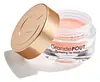
This hydrating lip mask is formulated around Petrolatum and Butyrospermum Parkii Butter to hydrate lips and soften the look of wrinkles.
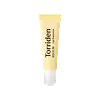
This barrier-repair lip moisturizer is formulated around Ceramide NP and Simmondsia Chinensis Seed Oil to strengthen the lip barrier and hydrate lips.


What's inside
What's inside
 Key Ingredients
Benefits
Concerns
Ingredients Side-by-side
Petrolatum
Emollient



Diisostearyl Malate
EmollientButyrospermum Parkii Butter
Skin Conditioning




Beeswax
Emulsion Stabilising
Microcrystalline Wax
Emulsion StabilisingAroma


Persea Gratissima Oil
Skin Conditioning
Cetearyl Alcohol
Emollient

Stearyl Alcohol
Emollient
Polybutene
Steareth-2
EmulsifyingGlycerin
Humectant
Cetyl Stearate
Emollient
Isostearyl Isostearate
Emollient
Cetyl Alcohol
Emollient
Potassium Cetyl Phosphate
EmulsifyingStearic Acid
Cleansing
Polyglyceryl-6 Distearate
Emulsifying
Jojoba Esters
Emollient
Polyglyceryl-3 Beeswax
Emulsifying
Helianthus Annuus Seed Oil
Emollient
Behenyl Alcohol
Emollient
Polyglyceryl-3 Stearate
Emulsifying
Theobroma Cacao Seed Butter
Emollient
Steareth-21
CleansingGlycol Distearate
Emollient
Candelilla/Jojoba/Rice Bran Polyglyceryl-3 Esters
Emulsifying
Glyceryl Stearate
Emollient
Sodium Stearoyl Lactylate
EmulsifyingCopernicia Cerifera Wax
Ricinus Communis Seed Oil
Masking
Hydrogenated Castor Oil
Emollient
Acrylates/Octylacrylamide Copolymer
Glycine Soja Oil
Emollient

Dimethicone
Emollient
Hydrogenated Polyisobutene
EmollientStyrene/Acrylates Copolymer
Acrylates/Dimethicone Copolymer
Skin Conditioning
Butylene Glycol
Humectant
Cetearyl Ethylhexanoate
Emollient
Sorbitan Isostearate
Emulsifying
Portulaca Pilosa Extract
Skin ConditioningSucrose Cocoate
Emulsifying
Palmitoyl Tripeptide-38
Skin Conditioning


Hydrogenated Poly(C6-14 Olefin)
EmollientPentaerythrityl Tetraisostearate
Emollient
Polyacrylate-21
Acrylates/Dimethylaminoethyl Methacrylate Copolymer
Menthol
Masking
Octyldodecanol
Emollient
Quaternium-90 Bentonite
Propylene Carbonate
SolventMethyl Nicotinate
SoothingCaffeine
Skin Conditioning
Niacin
SmoothingMentha Piperita Oil
Masking
Sodium Hyaluronate
Humectant

Carica Papaya Fruit Extract
Skin ConditioningEthylhexyl Palmitate
Emollient
Tribehenin
Emollient
Palmitoyl Tripeptide-1
Skin Conditioning
Litchi Chinensis Fruit Extract
Skin ConditioningTetrahexyldecyl Ascorbate
Antioxidant



Chenopodium Quinoa Seed Extract
Skin Conditioning
Beta-Glucan
Skin Conditioning
Raspberry Ketone
Masking
Alcohol Denat.
Antimicrobial
Titanium Dioxide
Cosmetic Colorant

CI 45410
Cosmetic ColorantCI 15850
Cosmetic ColorantCI 19140
Cosmetic ColorantPhenoxyethanol
Preservative
Ethylhexylglycerin
Skin ConditioningPetrolatum, Diisostearyl Malate, Butyrospermum Parkii Butter, Beeswax, Microcrystalline Wax, Aroma, Persea Gratissima Oil, Cetearyl Alcohol, Stearyl Alcohol, Polybutene, Steareth-2, Glycerin, Cetyl Stearate, Isostearyl Isostearate, Cetyl Alcohol, Potassium Cetyl Phosphate, Stearic Acid, Polyglyceryl-6 Distearate, Jojoba Esters, Polyglyceryl-3 Beeswax, Helianthus Annuus Seed Oil, Behenyl Alcohol, Polyglyceryl-3 Stearate, Theobroma Cacao Seed Butter, Steareth-21, Glycol Distearate, Candelilla/Jojoba/Rice Bran Polyglyceryl-3 Esters, Glyceryl Stearate, Sodium Stearoyl Lactylate, Copernicia Cerifera Wax, Ricinus Communis Seed Oil, Hydrogenated Castor Oil, Acrylates/Octylacrylamide Copolymer, Glycine Soja Oil, Dimethicone, Hydrogenated Polyisobutene, Styrene/Acrylates Copolymer, Acrylates/Dimethicone Copolymer, Butylene Glycol, Cetearyl Ethylhexanoate, Sorbitan Isostearate, Portulaca Pilosa Extract, Sucrose Cocoate, Palmitoyl Tripeptide-38, Hydrogenated Poly(C6-14 Olefin), Pentaerythrityl Tetraisostearate, Polyacrylate-21, Acrylates/Dimethylaminoethyl Methacrylate Copolymer, Menthol, Octyldodecanol, Quaternium-90 Bentonite, Propylene Carbonate, Methyl Nicotinate, Caffeine, Niacin, Mentha Piperita Oil, Sodium Hyaluronate, Carica Papaya Fruit Extract, Ethylhexyl Palmitate, Tribehenin, Palmitoyl Tripeptide-1, Litchi Chinensis Fruit Extract, Tetrahexyldecyl Ascorbate, Chenopodium Quinoa Seed Extract, Beta-Glucan, Raspberry Ketone, Alcohol Denat., Titanium Dioxide, CI 45410, CI 15850, CI 19140, Phenoxyethanol, Ethylhexylglycerin
Polyisobutene
Petrolatum
Emollient
Diisostearyl Malate
EmollientSimmondsia Chinensis Seed Oil
Emollient
Butyrospermum Parkii Butter
Skin Conditioning
Sorbitan Sesquioleate
Emulsifying
Macadamia Ternifolia Seed Oil
Emollient
Olea Europaea Fruit Oil
Masking
Adansonia Digitata Seed Oil
Emollient
Ceramide NP
Skin Conditioning
Ceramide Ns
Skin Conditioning
Ceramide As
Skin Conditioning
Ceramide EOP
Skin Conditioning
Ceramide AP
Skin Conditioning
Stearic Acid
Cleansing
Cholesterol
Emollient
Vinegar
Sodium Hyaluronate
Humectant
Panthenol
Skin Conditioning
Trehalose
Humectant
Hydrogenated Lecithin
Emulsifying
Microcrystalline Wax
Emulsion StabilisingSargassum Fusiforme Extract
Skin ProtectingGlycerin
Humectant
Butylene Glycol
Humectant
Water
Skin ConditioningCaprylic/Capric Triglyceride
Masking
1,2-Hexanediol
Skin Conditioning
Polyisobutene, Petrolatum, Diisostearyl Malate, Simmondsia Chinensis Seed Oil, Butyrospermum Parkii Butter, Sorbitan Sesquioleate, Macadamia Ternifolia Seed Oil, Olea Europaea Fruit Oil, Adansonia Digitata Seed Oil, Ceramide NP, Ceramide Ns, Ceramide As, Ceramide EOP, Ceramide AP, Stearic Acid, Cholesterol, Vinegar, Sodium Hyaluronate, Panthenol, Trehalose, Hydrogenated Lecithin, Microcrystalline Wax, Sargassum Fusiforme Extract, Glycerin, Butylene Glycol, Water, Caprylic/Capric Triglyceride, 1,2-Hexanediol
Reviews
Ingredients Explained
These ingredients are found in both products.
Ingredients higher up in an ingredient list are typically present in a larger amount.
Butylene Glycol (or BG) is used within cosmetic products for a few different reasons:
Overall, Butylene Glycol is a safe and well-rounded ingredient that works well with other ingredients.
Though this ingredient works well with most skin types, some people with sensitive skin may experience a reaction such as allergic rashes, closed comedones, or itchiness.
Learn more about Butylene GlycolThis ingredient is also known as shea butter. It is a plant-derived extract from the nuts of the Africa shea tree and one of the most well-studied emollients.
Because it has a high concentration of fatty acids (primarily oleic, stearic, and linoleic) it is able to form a protective barrier on the skin's surface. This helps seal in moisture and prevents transepidermal water loss (TEWL).
In vitro research found an increase in skin hydration by 58% and a decrease in TEWL by 37.8% after 24 hours of applying this ingredient (pretty impressive for a single ingredient!).
Besides hydration, shea butter also contains triterpenes that have anti-inflammatory potential. In particule, lupeol cinnamate has shown the highest anti-inflammatory activity in vivo.
Shea butter also contains vitamins A and E which may contribute to antioxidant activity.
While Shea Butter has an SPF rating of about 3-4, it is not a sunscreen replacement.
This ingredient may not be fungal acne safe because its fatty acids fall within the C11-C24 range that the Malassezia yeast can metabolize.
Learn more about Butyrospermum Parkii ButterDiisostearyl Malate is an emollient and most often used in lip products. It comes from isostearyl alcohol, a fatty acid, and malic acid, an AHA.
As an emollient, Diisostearyl Malate helps create a thin film on your skin to trap moisture in. This helps keep your skin soft and smooth.
Glycerin (or glycerol) is a compound naturally found in your skin. It's a powerhouse humectant that pulls water into the stratum corneum.
Topically, glycerin does several things at once:
Your skin makes glycerin on its own (mostly from sebaceous oil breakdown) and shuttles it to your outermost layer of skin, or your epidermis, via aquaporin-3.
Aquaporin-3 is a transporter that is essential for normal skin hydration, elasticity, and repair. Interestingly, mice lacking in AQP3 have dry and less elastic skin that can be fully corrected with glycerin.
This ingredient is non-irritating, plays well with almost every ingredient, and works across all skin types. Typical use is anywhere between 3-10% but can go up to 79% in some leave-on products.
Just know very high concentrations (>40%) can feel tacky in low humidity.
Glycerin is the name for this ingredient in American English. British English uses Glycerol/Glycerine.
Learn more about GlycerinMicrocrystalline Wax is derived from petroleum through a de-oiling process, then highly refined and purified before use in cosmetics.
In skincare formulations, it is used to improve texture and create a smooth, even consistency. It also helps stabilize products by preventing ingredients from separating.
Petrolatum is more commonly known as petroleum jelly. It is created by mixing waxes and mineral oils.
This ingredient is effective at reducing water loss by 99%. This is because it is an occlusive. Occlusives create a hydrophobic barrier on the skin to prevent evaporation. This property makes it great for hydrating dry skin.
Pro tip: Use occlusives, such as this ingredient, on damp skin for the best results.
The quality or origin of petrolatum is only known when disclosed by the brand. Most cosmetic petrolatum has gone through several purification stages.
Another benefit of occlusives is it protects your skin against infection or allergies.
Petrolatum is fungal acne safe. It is a hydrocarbon with no fatty acid structure, so Malassezia cannot metabolize it. In-vitro studies support negligible growth stimulation as well.
It's also worth noting that petrolatum has a comedogenic rating of 0. In updated rabbit ear testing (and in human testing), petrolatum was found to be not comedogenic. This means it didn’t promote comedone formation in standard models.
Learn more about PetrolatumSodium Hyaluronate is the salt form of hyaluronic acid. It is a long sugar chain that is naturally found in your skin, joints, and connective tissue that maintains hydration and elasticity.
In skincare, it works as a humectant. It pulls water from the environment and deeper layers of skin and binds it to the surface.
Interestingly, the size of the molecule affects its behavior:
Some clinical evidence links low molecular weight versions to improved wrinkle depth, elasticity, anti-inflammatory effects, and barrier repair.
Many serums use a blend of both weights so you can get surface hydration plus longer-lasting and deeper effects.
You'll typically see concentrations between 0.1-2% for this ingredient.
Learn more about Sodium HyaluronateStearic Acid is a fatty acid that is already found in your skin. It's one of the free fatty acids that works alongside ceramides and cholesterols to maintain your barrier.
In cosmetics, it is a multitasker:
Safety-wise, the CIR Expert Panel has concluded it to be safe in cosmetics when formulated to be non-irritating and non-sensitizing.
Free stearic acid is a C18 fatty acid that the Malassezia yeast can substrate, so this ingredient may not be fungal acne safe.
Learn more about Stearic Acid

