
What's inside
What's inside
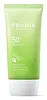 Key Ingredients
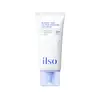
Benefits
Concerns
Ingredients Side-by-side
Water
Skin ConditioningEthylhexyl Methoxycinnamate
UV Absorber


Dipropylene Glycol
HumectantDibutyl Adipate
EmollientDiethylamino Hydroxybenzoyl Hexyl Benzoate
UV Filter
C12-15 Alkyl Benzoate
AntimicrobialNiacinamide
Smoothing











Titanium Dioxide
Cosmetic Colorant
Glyceryl Stearate
Emollient
Polysorbate 60
Emulsifying
1,2-Hexanediol
Skin Conditioning
Cetyl Alcohol
Emollient

Ethylhexyl Triazone
UV Absorber
PEG-100 Stearate
Silica
Abrasive
Hydroxyethyl Acrylate/Sodium Acryloyldimethyl Taurate Copolymer
Emulsion StabilisingTocopheryl Acetate
Antioxidant

Sorbitan Sesquioleate
Emulsifying
Dimethicone
Emollient
Ceteareth-23
CleansingAluminum Hydroxide
EmollientStearyl Alcohol
Emollient
Polyhydroxystearic Acid
Emulsifying
Methicone
Emollient
Erythritol
Humectant
Sodium Acrylate/Sodium Acryloyldimethyl Taurate Copolymer
Emulsion StabilisingPolyisobutene
Myristyl Alcohol
Emollient
Ethylhexylglycerin
Skin ConditioningAdenosine
Skin Conditioning
Sorbitan Isostearate
Emulsifying
Lauryl Alcohol
Emollient
Sorbitan Oleate
Emulsifying
Caprylyl/Capryl Glucoside
CleansingSodium Hyaluronate
Humectant
Tannic Acid
AstringentVitis Vinifera Fruit Extract
Skin ConditioningCoco-Caprylate/Caprate
Emollient
Butylene Glycol
Humectant
Vitis Vinifera Seed Oil
Emollient
Prunus Armeniaca Kernel Oil
Masking
Biosaccharide Gum-4
Skin Conditioning
Hyaluronic Acid
Humectant
Solanum Lycopersicum Seed Oil
Emollient
Punica Granatum Seed Oil
Emollient
Mangifera Indica Seed Oil
Emollient
Citrus Paradisi Seed Oil
Perfuming
Ulmus Davidiana Root Extract
Skin Conditioning
Pueraria Lobata Root Extract
HumectantPinus Palustris Leaf Extract
TonicOenothera Biennis Flower Extract
AstringentMalpighia Emarginata Fruit Extract
Skin ConditioningTocopherol
Antioxidant
Disodium EDTA
Parfum
Masking


Hexyl Cinnamal
Perfuming
Benzyl Salicylate
Perfuming
Linalool
Perfuming
Alpha-Isomethyl Ionone
Perfuming
Citronellol
Perfuming
Limonene
Perfuming
Geraniol
Perfuming
Amyl Cinnamal
Perfuming
Water, Ethylhexyl Methoxycinnamate, Dipropylene Glycol, Dibutyl Adipate, Diethylamino Hydroxybenzoyl Hexyl Benzoate, C12-15 Alkyl Benzoate, Niacinamide, Titanium Dioxide, Glyceryl Stearate, Polysorbate 60, 1,2-Hexanediol, Cetyl Alcohol, Ethylhexyl Triazone, PEG-100 Stearate, Silica, Hydroxyethyl Acrylate/Sodium Acryloyldimethyl Taurate Copolymer, Tocopheryl Acetate, Sorbitan Sesquioleate, Dimethicone, Ceteareth-23, Aluminum Hydroxide, Stearyl Alcohol, Polyhydroxystearic Acid, Methicone, Erythritol, Sodium Acrylate/Sodium Acryloyldimethyl Taurate Copolymer, Polyisobutene, Myristyl Alcohol, Ethylhexylglycerin, Adenosine, Sorbitan Isostearate, Lauryl Alcohol, Sorbitan Oleate, Caprylyl/Capryl Glucoside, Sodium Hyaluronate, Tannic Acid, Vitis Vinifera Fruit Extract, Coco-Caprylate/Caprate, Butylene Glycol, Vitis Vinifera Seed Oil, Prunus Armeniaca Kernel Oil, Biosaccharide Gum-4, Hyaluronic Acid, Solanum Lycopersicum Seed Oil, Punica Granatum Seed Oil, Mangifera Indica Seed Oil, Citrus Paradisi Seed Oil, Ulmus Davidiana Root Extract, Pueraria Lobata Root Extract, Pinus Palustris Leaf Extract, Oenothera Biennis Flower Extract, Malpighia Emarginata Fruit Extract, Tocopherol, Disodium EDTA, Parfum, Hexyl Cinnamal, Benzyl Salicylate, Linalool, Alpha-Isomethyl Ionone, Citronellol, Limonene, Geraniol, Amyl Cinnamal
Water
Skin ConditioningDibutyl Adipate
EmollientPropanediol
Solvent
C12-15 Alkyl Benzoate
Antimicrobial1,2-Hexanediol
Skin Conditioning
Ethylhexyl Triazone
UV Absorber
Niacinamide
Smoothing
Polymethylsilsesquioxane
Bis-Ethylhexyloxyphenol Methoxyphenyl Triazine
Skin Conditioning
Methylene Bis-Benzotriazolyl Tetramethylbutylphenol
UV Filter
Butylene Glycol
Humectant
Caprylyl Methicone
Skin Conditioning
Diethylamino Hydroxybenzoyl Hexyl Benzoate
UV Filter
Polyglyceryl-3 Methylglucose Distearate
Emulsifying
Behenyl Alcohol
Emollient
Potassium Cetyl Phosphate
EmulsifyingXylitylglucoside
Humectant
Anhydroxylitol
Humectant
Poly C10-30 Alkyl Acrylate
Emulsion StabilisingDecyl Glucoside
Cleansing
Tromethamine
BufferingXylitol
Humectant
Polyacrylate Crosspolymer-6
Emulsion StabilisingCarbomer
Emulsion StabilisingAcrylates/C10-30 Alkyl Acrylate Crosspolymer
Emulsion StabilisingXanthan Gum
EmulsifyingEthylhexylglycerin
Skin ConditioningAdenosine
Skin Conditioning
Glycerin
Humectant
Aloe Barbadensis Leaf Extract
Emollient
Dioscorea Japonica Root Extract
Skin Conditioning
Disodium EDTA
Laminaria Japonica Extract
Skin Protecting
Ulmus Davidiana Root Extract
Skin Conditioning
Viola Mandshurica Flower Extract
Antioxidant
Sodium Guaiazulene Sulfonate
Cynanchum Atratum Extract
Skin ConditioningT-Butyl Alcohol
Perfuming

Sodium Hyaluronate
Humectant
Euterpe Oleracea Fruit Extract
Ribes Nigrum Fruit Extract
Astringent
Rubus Fruticosus Fruit Extract
AstringentRubus Idaeus Fruit Extract
AstringentVaccinium Angustifolium Fruit Extract
Skin Protecting
Vaccinium Macrocarpon Fruit Extract
AstringentVaccinium Myrtillus Fruit Extract
Skin ConditioningHyaluronic Acid
Humectant
Hydrolyzed Hyaluronic Acid
Humectant
Hydrolyzed Sodium Hyaluronate
Skin Conditioning
Hydroxypropyltrimonium Hyaluronate
Potassium Hyaluronate
Skin ConditioningSodium Hyaluronate Crosspolymer
Humectant
Pentylene Glycol
Skin Conditioning
Sodium Acetylated Hyaluronate
Humectant
Water, Dibutyl Adipate, Propanediol, C12-15 Alkyl Benzoate, 1,2-Hexanediol, Ethylhexyl Triazone, Niacinamide, Polymethylsilsesquioxane, Bis-Ethylhexyloxyphenol Methoxyphenyl Triazine, Methylene Bis-Benzotriazolyl Tetramethylbutylphenol, Butylene Glycol, Caprylyl Methicone, Diethylamino Hydroxybenzoyl Hexyl Benzoate, Polyglyceryl-3 Methylglucose Distearate, Behenyl Alcohol, Potassium Cetyl Phosphate, Xylitylglucoside, Anhydroxylitol, Poly C10-30 Alkyl Acrylate, Decyl Glucoside, Tromethamine, Xylitol, Polyacrylate Crosspolymer-6, Carbomer, Acrylates/C10-30 Alkyl Acrylate Crosspolymer, Xanthan Gum, Ethylhexylglycerin, Adenosine, Glycerin, Aloe Barbadensis Leaf Extract, Dioscorea Japonica Root Extract, Disodium EDTA, Laminaria Japonica Extract, Ulmus Davidiana Root Extract, Viola Mandshurica Flower Extract, Sodium Guaiazulene Sulfonate, Cynanchum Atratum Extract, T-Butyl Alcohol, Sodium Hyaluronate, Euterpe Oleracea Fruit Extract, Ribes Nigrum Fruit Extract, Rubus Fruticosus Fruit Extract, Rubus Idaeus Fruit Extract, Vaccinium Angustifolium Fruit Extract, Vaccinium Macrocarpon Fruit Extract, Vaccinium Myrtillus Fruit Extract, Hyaluronic Acid, Hydrolyzed Hyaluronic Acid, Hydrolyzed Sodium Hyaluronate, Hydroxypropyltrimonium Hyaluronate, Potassium Hyaluronate, Sodium Hyaluronate Crosspolymer, Pentylene Glycol, Sodium Acetylated Hyaluronate
Reviews
Ingredients Explained
These ingredients are found in both products.
Ingredients higher up in an ingredient list are typically present in a larger amount.
1,2-Hexanediol is a synthetic liquid and another multi-functional powerhouse.
It is a:
- Humectant, drawing moisture into the skin
- Emollient, helping to soften skin
- Solvent, dispersing and stabilizing formulas
- Preservative booster, enhancing the antimicrobial activity of other preservatives
Adenosine is in every living organism. It is one of four components in nucleic acids that helps store our DNA.
Adenosine has many benefits when used. These benefits include hydrating the skin, smoothing skin, and reducing wrinkles. Once applied, adenosine increases collagen production. It also helps with improving firmness and tissue repair.
Studies have found adenosine may also help with wound healing.
In skincare products, Adenosine is usually derived from yeast.
Learn more about AdenosineButylene Glycol (or BG) is used within cosmetic products for a few different reasons:
Overall, Butylene Glycol is a safe and well-rounded ingredient that works well with other ingredients.
Though this ingredient works well with most skin types, some people with sensitive skin may experience a reaction such as allergic rashes, closed comedones, or itchiness.
Learn more about Butylene GlycolC12-15 Alkyl Benzoate is made up of Benzoic Acid and long chain alcohols. It has a low molecular weight.
C12-15 Alkyl Benzoate is an emollient and texture enhancer. Due to its solubility, it is often used in sunscreens to help evenly distribute active ingredients.
As an emollient, C12-15 Alkyl Benzoate helps soften and hydrate your skin. Emollients create a film on your skin that traps moisture within.
This ingredient has been reported to cause eye irritation.
Learn more about C12-15 Alkyl BenzoateDibutyl Adipate is an emollient and solvent. It is created from butyl alcohol and adipic acid.
As a solvent, Dibutyl Adipate helps mix and disperse ingredients evenly.
Dibutyl Adipate is soluble in water and organic solvents. It does not absorb UV rays.
Learn more about Dibutyl AdipateDiethylamino Hydroxybenzoyl Hexyl Benzoate (DHHB) is a chemical UV-A absorber. It is formulated for high UVA protection (320-400 nm).
DHHB is well-liked for:
DHHB has been approved by the EU, Japan, Taiwan, and South America for use up to 10%. Unfortunately, it has not been approved for use in the US or Canada due to slow regulatory processes.
This ingredient is soluble in oils, fats, and lipids.
Learn more about Diethylamino Hydroxybenzoyl Hexyl BenzoateDisodium EDTA is a chelating agent. It grabs onto and deactivates metal ions that sneak into your products from water, packaging, or air.
This ingredient mainly works behind the scenes and helps with:
On top of that, this ingredient can counteract the effects of hard water by binding to the minerals in it.
One thing worth knowing is that Disodium EDTA has been shown to be a mild penetration enhancer. It can help other ingredients absorb into skin more effectively which can be a double-edged sword (great for actives, but can also make the active too strong if you have sensitive skin).
Clinical patch testing showed no significant skin irritation at typical use concentrations and minimal dermal absorption.
You'll most likely see this ingredient near the end of an ingredient list. It's typically found in concentrations less than 1%.
Learn more about Disodium EDTAEthylhexyl Triazone is a modern chemical sunscreen that protects from UV-B radiation.
It is the most effective of existing UV-B filters, as it provides the highest level of photo-stable absorption. It protects from the entire UV-B range (280 to 320nm), with it's highest level of protection at 314nm.
Ethylhexyl Triazone is oil soluble, oderless and colorless, which mean it is able to be incorporated into a variety of different formulations.
It is not currently available within the United States due to slow changing FDA regulations. Outside of the US, it is used in formulations at concentrations up to 5%.
Learn more about Ethylhexyl TriazoneEthylhexylglycerin is created from glycerin. It is a multitasker ingredient that:
The CIR Expert Panel found minimal skin absorption or sensitization of any kind in a safety assessment. Though this ingredient is considered well-tolerated, a small number of cases of allergic dermatitis have been published since 2002. Just be sure to patch test if you are unsure.
Industry-reported use ranges from 8% in rinse-off products and 2% in leave-on formulations.
Learn more about EthylhexylglycerinHyaluronic acid (HA) is a glycosaminoglycan (basically a long sugar chain) that your skin already makes on its own. In your skin, HA lives in the extracellular matrix and acts as the body's moisture reservoir.
Topically, HA is a humectant that binds water and helps skin look more plump, smooth, and hydrated.
The only catch is that HA isn't a single thing; it actually comes in a wide range of molecular weights (~50 - 2,000+ kDA) and size matters.
Some clinical evidence links low molecular weight versions to improved wrinkle depth, elasticity, anti-inflammatory effects, and barrier repair.
This is why the best HA serums blend the two sizes together so you get the best of both worlds.
The majority of cosmetic HA is produced by bacterial fermentation, typically using Streptococcus or Bacillus strains. Typical use levels in skincare sit around 0.1-2%.
A clinical study using a 0.2% low-molecular weight HA gel showed improvement in facial seborrheic dermatitis with excellent tolerance.
These are some other common types of Hyaluronic Acid:
Learn more about Hyaluronic AcidNiacinamide is a multitasking form of vitamin B3 that strengthens the skin barrier, reduces pores and dark spots, regulates oil, and improves signs of aging.
And the best part? It's gentle and well-tolerated by most skin types, including sensitive and reactive skin.
You might have heard of "niacin flush", or the reddening of skin that causes itchiness. Niacinamide has not been found to cause this.
In very rare cases, some individuals may not be able to tolerate niacinamide at all or experience an allergic reaction to it.
If you are experiencing flaking, irritation, and dryness with this ingredient, be sure to double check all your products as this ingredient can be found in all categories of skincare.
When incorporating niacinamide into your routine, look out for concentration amounts. Typically, 5% niacinamide provides benefits such as fading dark spots. However, if you have sensitive skin, it is better to begin with a smaller concentration.
When you apply niacinamide to your skin, your body converts it into nicotinamide adenine dinucleotide (NAD). NAD is an essential coenzyme that is already found in your cells as "fuel" and powers countless biological processes.
In your skin, NAD helps repair cell damage, produce new healthy cells, support collagen production, strengthen the skin barrier, and fight environmental stressors (like UV and pollution).
Our natural NAD levels start to decline with age, leading to slower skin repair, visible aging, and a weaker skin barrier. By providing your skin niacinamide, you're recharging your skin's NAD levels. This leads to stronger, healthier, and younger looking skin.
Another name for vitamin B3 is nicotinamide. This vitamin is water-soluble and our bodies don't store it. We obtain Vitamin B3 from either food or skincare. Meat, fish, wheat, yeast, and leafy greens contain vitamin B3.
The type of niacinamide used in skincare is synthetically created.
Learn more about NiacinamideSodium Hyaluronate is the salt form of hyaluronic acid. It is a long sugar chain that is naturally found in your skin, joints, and connective tissue that maintains hydration and elasticity.
In skincare, it works as a humectant. It pulls water from the environment and deeper layers of skin and binds it to the surface.
Interestingly, the size of the molecule affects its behavior:
Some clinical evidence links low molecular weight versions to improved wrinkle depth, elasticity, anti-inflammatory effects, and barrier repair.
Many serums use a blend of both weights so you can get surface hydration plus longer-lasting and deeper effects.
You'll typically see concentrations between 0.1-2% for this ingredient.
Learn more about Sodium HyaluronateThis tree is also known as the David Elm. It contains the ingredient bakuchiol.
Other great compounds found in this ingredient include galactose, glucose, and phenolics. The sugar content gives it great skin hydrating properties. Phenolics are potent antioxidants commonly found in fruits and veggies.
A 2020 study found the phenolics of this root to have an anti-inflammatory effect.
Fun fact: This ingredient is used in traditional Asian medicine.
Learn more about Ulmus Davidiana Root ExtractWater. It's the most common cosmetic ingredient of all. You'll usually see it at the top of ingredient lists, meaning that it makes up the largest part of the product.
So why is it so popular? Water most often acts as a solvent - this means that it helps dissolve other ingredients into the formulation.
You'll also recognize water as that liquid we all need to stay alive. If you see this, drink a glass of water. Remember to stay hydrated!
Learn more about Water
