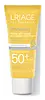
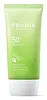
Uriage Bariésun Anti-Brown Spot Fluid SPF 50+ Versus Frudia Green Grape Sebum Control Cooling Sun Gel SPF50+ PA++++
This chemical sunscreen covers the full UV range and blocks ~98% of UVB at SPF 50.
This hybrid sunscreen covers the full UV range and blocks ~98% of UVB at SPF 50.


What's inside
What's inside
 Key Ingredients
Benefits
Concerns
Ingredients Side-by-side
Water
Skin ConditioningDicaprylyl Carbonate
EmollientMethylene Bis-Benzotriazolyl Tetramethylbutylphenol
UV Filter
Ethylhexyl Triazone
UV Absorber
Butyl Methoxydibenzoylmethane
UV Absorber
Dimethicone
Emollient

Diisopropyl Sebacate
EmollientPropylene Glycol Dicaprylate/Dicaprate
EmollientC12-15 Alkyl Benzoate
AntimicrobialDiisopropyl Adipate
EmollientBis-Ethylhexyloxyphenol Methoxyphenyl Triazine
UV Absorber
Silica
Abrasive


Triacontanyl Pvp
HumectantGlycerin
Humectant

C20-22 Alkyl Phosphate
EmulsifyingAscorbyl Tetraisopalmitate
Antioxidant




C20-22 Alcohols
Emulsion Stabilising
Decyl Glucoside
Cleansing
Maltodextrin
Absorbent
Butylene Glycol
Humectant
Glycyrrhetinic Acid
Skin Conditioning
Glucose
Humectant
Xanthan Gum
EmulsifyingCoco-Glucoside
Cleansing
Sucrose Dilaurate
Emollient
Benzoic Acid
Masking

Tetrasodium EDTA
Coconut Alcohol
Emollient
Hydrogenated Polydecene
EmollientTocopheryl Acetate
Antioxidant

O-Cymen-5-Ol
Antimicrobial
Sodium Cocoyl Glutamate
Cleansing
Trehalose
Humectant
Propylene Glycol
Humectant
Pisum Sativum Extract
Skin ConditioningCitric Acid
Buffering
Sodium Hydroxide
BufferingTocopherol
Antioxidant
Spirulina Platensis Extract
Skin ProtectingPolyquaternium-51
Skin Conditioning
Water, Dicaprylyl Carbonate, Methylene Bis-Benzotriazolyl Tetramethylbutylphenol, Ethylhexyl Triazone, Butyl Methoxydibenzoylmethane, Dimethicone, Diisopropyl Sebacate, Propylene Glycol Dicaprylate/Dicaprate, C12-15 Alkyl Benzoate, Diisopropyl Adipate, Bis-Ethylhexyloxyphenol Methoxyphenyl Triazine, Silica, Triacontanyl Pvp, Glycerin, C20-22 Alkyl Phosphate, Ascorbyl Tetraisopalmitate, C20-22 Alcohols, Decyl Glucoside, Maltodextrin, Butylene Glycol, Glycyrrhetinic Acid, Glucose, Xanthan Gum, Coco-Glucoside, Sucrose Dilaurate, Benzoic Acid, Tetrasodium EDTA, Coconut Alcohol, Hydrogenated Polydecene, Tocopheryl Acetate, O-Cymen-5-Ol, Sodium Cocoyl Glutamate, Trehalose, Propylene Glycol, Pisum Sativum Extract, Citric Acid, Sodium Hydroxide, Tocopherol, Spirulina Platensis Extract, Polyquaternium-51
Water
Skin ConditioningEthylhexyl Methoxycinnamate
UV Absorber

Dipropylene Glycol
HumectantDibutyl Adipate
EmollientDiethylamino Hydroxybenzoyl Hexyl Benzoate
UV Filter
C12-15 Alkyl Benzoate
AntimicrobialNiacinamide
Smoothing



Titanium Dioxide
Cosmetic Colorant
Glyceryl Stearate
Emollient
Polysorbate 60
Emulsifying
1,2-Hexanediol
Skin Conditioning
Cetyl Alcohol
Emollient
Ethylhexyl Triazone
UV Absorber
PEG-100 Stearate
Surfactant
Silica
Abrasive
Hydroxyethyl Acrylate/Sodium Acryloyldimethyl Taurate Copolymer
Emulsion StabilisingTocopheryl Acetate
Antioxidant
Sorbitan Sesquioleate
Emulsifying
Dimethicone
Emollient
Ceteareth-23
CleansingAluminum Hydroxide
EmollientStearyl Alcohol
Emollient
Polyhydroxystearic Acid
Emulsifying
Methicone
Emollient
Erythritol
Humectant
Sodium Acrylate/Sodium Acryloyldimethyl Taurate Copolymer
Emulsion StabilisingPolyisobutene
Myristyl Alcohol
Emollient
Ethylhexylglycerin
Skin ConditioningAdenosine
Skin Conditioning
Sorbitan Isostearate
Emulsifying
Lauryl Alcohol
Emollient
Sorbitan Oleate
Emulsifying
Caprylyl/Capryl Glucoside
CleansingSodium Hyaluronate
Humectant
Tannic Acid
AstringentVitis Vinifera Fruit Extract
Skin ConditioningCoco-Caprylate/Caprate
Emollient
Butylene Glycol
Humectant
Vitis Vinifera Seed Oil
Emollient
Prunus Armeniaca Kernel Oil
Masking
Biosaccharide Gum-4
Skin Conditioning
Hyaluronic Acid
Humectant
Solanum Lycopersicum Seed Oil
Emollient
Punica Granatum Seed Oil
Emollient
Mangifera Indica Seed Oil
Emollient
Citrus Paradisi Seed Oil
Perfuming
Ulmus Davidiana Root Extract
Skin Conditioning
Pueraria Lobata Root Extract
HumectantPinus Palustris Leaf Extract
TonicOenothera Biennis Flower Extract
AstringentMalpighia Emarginata Fruit Extract
Skin ConditioningTocopherol
Antioxidant
Disodium EDTA
Parfum
Masking
Hexyl Cinnamal
Perfuming
Benzyl Salicylate
Perfuming
Linalool
Perfuming
Alpha-Isomethyl Ionone
Perfuming
Citronellol
Perfuming
Limonene
Perfuming
Geraniol
Perfuming
Amyl Cinnamal
Perfuming
Water, Ethylhexyl Methoxycinnamate, Dipropylene Glycol, Dibutyl Adipate, Diethylamino Hydroxybenzoyl Hexyl Benzoate, C12-15 Alkyl Benzoate, Niacinamide, Titanium Dioxide, Glyceryl Stearate, Polysorbate 60, 1,2-Hexanediol, Cetyl Alcohol, Ethylhexyl Triazone, PEG-100 Stearate, Silica, Hydroxyethyl Acrylate/Sodium Acryloyldimethyl Taurate Copolymer, Tocopheryl Acetate, Sorbitan Sesquioleate, Dimethicone, Ceteareth-23, Aluminum Hydroxide, Stearyl Alcohol, Polyhydroxystearic Acid, Methicone, Erythritol, Sodium Acrylate/Sodium Acryloyldimethyl Taurate Copolymer, Polyisobutene, Myristyl Alcohol, Ethylhexylglycerin, Adenosine, Sorbitan Isostearate, Lauryl Alcohol, Sorbitan Oleate, Caprylyl/Capryl Glucoside, Sodium Hyaluronate, Tannic Acid, Vitis Vinifera Fruit Extract, Coco-Caprylate/Caprate, Butylene Glycol, Vitis Vinifera Seed Oil, Prunus Armeniaca Kernel Oil, Biosaccharide Gum-4, Hyaluronic Acid, Solanum Lycopersicum Seed Oil, Punica Granatum Seed Oil, Mangifera Indica Seed Oil, Citrus Paradisi Seed Oil, Ulmus Davidiana Root Extract, Pueraria Lobata Root Extract, Pinus Palustris Leaf Extract, Oenothera Biennis Flower Extract, Malpighia Emarginata Fruit Extract, Tocopherol, Disodium EDTA, Parfum, Hexyl Cinnamal, Benzyl Salicylate, Linalool, Alpha-Isomethyl Ionone, Citronellol, Limonene, Geraniol, Amyl Cinnamal
Reviews
Ingredients Explained
These ingredients are found in both products.
Ingredients higher up in an ingredient list are typically present in a larger amount.
Butylene Glycol (or BG) is used within cosmetic products for a few different reasons:
Overall, Butylene Glycol is a safe and well-rounded ingredient that works well with other ingredients.
Though this ingredient works well with most skin types, some people with sensitive skin may experience a reaction such as allergic rashes, closed comedones, or itchiness.
Learn more about Butylene GlycolC12-15 Alkyl Benzoate is a lightweight emollient made by combinig benzoic acid with fatty alcohols that are 12-15 carbons long.
In cosmetics, it plays several roles:
The Cosmetic Review Expert Panel has concluded the alkyl benzoate group to be safe as used in cosmetics; it wasn't found to be a skin irritant and unlikely to be absorbed due to its low water solubility.
This report recorded almost 1000 reported uses with concentrations up to 59% in leave-on products but your cosmetics will typically use 0.5-15% depending on the product.
It's often called a "SPF booster": this is because it keeps UV filters properly dissolved and evenly distributed to support a sunscreen's performance. It doesn't actually raise SPF on its own.
Overall, this ingredient is well tolerated.
This ingredient is fungal acne safe because it is an ester of benzoic acid.
Think of this ingredient as two parts stuck together: an oily part and an acid part. Malassezia only gets a meal when it can snip off a fatty acid to eat. With C12-15 Alkyl Benzoate, the acid part is benzoic acid, which isn't a fatty acid and which the yeast can't use as food.
Benzoic acid is actually used as a preservative to stop yeast from growing.
The oily part is a blend of C12-15 fatty alcohols but fatty alcohols in this size range can support only a little Malassezia growth (mostly for one species of Malassezia as well).
In the ingredient, those alcohols stay locked inside the molecule. The yeast can only reach them by snipping the benzoate bond, and that type of bond is harder for it to cut than a normal fatty bond.
So not much gets released. And whatever does get snipped comes packaged with benzoic acid, which discourages yeast growth.
Learn more about C12-15 Alkyl BenzoateDimethicone is a type of synthetic silicone created from natural materials such as quartz. It is also known as polydimethylsiloxane.
What it does:
Dimethicone comes in different viscosities:
Depending on the viscosity, dimethicone has different properties.
Ingredients lists don't always show which type is used, so we recommend reaching out to the brand if you have questions about the viscosity.
This ingredient is unlikely to cause irritation because it does not get absorbed into skin. However, people with silicone allergies should be careful about using this ingredient.
Note: Dimethicone may contribute to pilling. This is because it is not oil or water soluble, so pilling may occur when layered with products. When mixed with heavy oils in a formula, the outcome is also quite greasy.
Learn more about DimethiconeEthylhexyl Triazone (aka Octyl Triazone) is an oil-soluble organic UVB filter. It has peak absorption around 314 nm, right in the middle of the UVB range.
This ingredient is described as one of the most effective UVB filters available and small concentrations are enough to deliver a high SPF thanks to its strong UV absorbing power.
Formulators love it for its stability; its ability to filter UV stays practically unchanged even under intense radiation and it can also help boost the photostability of less stable filters like avobenzone.
It's also a great pick for water resistant products because it's insoluble in water and has a good affinity for keratin.
Because it's a big, heavy molecule, the European Scientific Committee has found to to have very low dermal penetration and negative results for allergenicity.
In vitro testing also showed a low absorption rate and clean results on irritation.
Typical use levels are 1-5% with 5% being the maximum in the EU, Japan, and other markets that allow it. However, this ingredient is not approved yet in the US or Canada.
Learn more about Ethylhexyl TriazoneSilica, also known as silicon dioxide, is a naturally occurring mineral. It is used as a fine, spherical, and porous powder in cosmetics.
Though it has exfoliant properties, the function of silica varies depending on the product.
The unique structure of silica enhances the spreadability and adds smoothness, making it a great texture enhancer.
It is also used as an active carrier, emulsifier, and mattifier due to its ability to absorb excess oil.
In some products, tiny microneedles called spicules are made from silica or hydrolyzed sponge. When you rub them in, they lightly polish away dead skin layers and enhance the penetration of active ingredients.
Learn more about SilicaTocopherol is a fat-soluble antioxidant known as Vitamin E.
You'll find this ingredient in the vast majority of skincare (for good reason). It works to neutralize free radicals, or unstable molecules generated by UV exposure, pollution, and other environmental stressors, before they can cause oxidative damage to your skin cells.
Topically applied tocopherol has been shown to protect against UV damage by ramping up the skin's own natural defense enzymes.
It also acts as a skin conditioning agent; some studies show that regular topical use can improve the skin's water-binding capacity over 2-4 weeks.
This ingredient is especially loved for being a team player. When combined with Vitamin C, the photoprotective effect of both ingredients roughly doubles and the combo also helps reduce UV-induced DNA damage.
This ingredient has some brightening potential but it's more of a prevention ingredient than spot-fader. Cell studies show it can slow down melanin production but it's worth noting that it's not the most powerful brightener out there.
In formulations, it also serves as a stabilizer that helps protect other oxidation-prone ingredients from degrading.
Concentrations usually range from 0.1-1% in most leave-on products.
Learn more about TocopherolTocopheryl Acetate is a stable, shelf-friendly form of vitamin E.
Formulators love it because plain vitamin E oxidizes quickly once it hits air. This acetate version stays stable and resists going off, helping to extend a product's shelf life.
It's actually inactive on its own and works like a slow-release "storage" form; the enzymes in your skin called esterases gradually convert it into active vitamin E over time.
One in vivo study showed 5% of the acetate in the living layer of the epidermis converted to vitamin E after 5 days of application. This study also found the skin gained protection against UV damage even though the conversion was slow and small.
Once converted, vitamin E acts as a skin's main fat-soluble antioxidant that fights free radicals to protect skin from damage.
Topical vitamin E generally boosts the skin's photoprotection, and it reduced UV-damage in animal models.
This ingredient has some brightening potential but it's more of a prevention ingredient than spot-fader. Cell studies show it can slow down melanin production but it's worth noting that it's not the most powerful brightener out there.
Overall, it has a pretty solid safety profile and has been found to be non-irritating and non-comedogenic. Allergic reactions may happen but stay rare due to how widely the ingredient gets used.
The concentration will vary depending on the formula; industry data shows 0.1% in baby lotions, 3% in lipsticks, and 5% in foot powders. You can also find this ingredient at 100% in a pure vitamin E oil.
Most leave-on skincare keeps it at the lower end, often between 0.5-1%.
Learn more about Tocopheryl AcetateWater. It's the most common cosmetic ingredient of all. You'll usually see it at the top of ingredient lists, meaning that it makes up the largest part of the product.
So why is it so popular? Water most often acts as a solvent - this means that it helps dissolve other ingredients into the formulation.
You'll also recognize water as that liquid we all need to stay alive. If you see this, drink a glass of water. Remember to stay hydrated!
Learn more about Water

