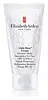
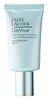
Elizabeth Arden Eight Hour Cream Intensive Daily Moisturizer for Face SPF15 Versus Estée Lauder DayWear Multi-Protection Anti-Oxidant Sheer Tint Release Moisturizer SPF 15
This barrier-repair day moisturizer is formulated around Butyrospermum Parkii Butter and Petrolatum to strengthen the skin barrier and hydrate skin.
This anti-aging day moisturizer is formulated around Camellia Sinensis Leaf Extract and Coffea Arabica Seed Extract to soften the look of wrinkles and hydrate skin.

What's inside
What's inside
 Key Ingredients
Benefits
Concerns
Ingredients Side-by-side
Ethylhexyl Methoxycinnamate 6%
UV Absorber


Benzophenone-3 3%
UV Absorber
Water 2%
Skin ConditioningCyclopentasiloxane
Emollient
Glycerin
Humectant


Dimethicone
Emollient
Butyloctyl Salicylate
Skin Conditioning
Steareth-2
EmulsifyingMethylheptyl Isostearate
Skin ConditioningButyrospermum Parkii Butter
Skin Conditioning



Petrolatum
Emollient
Cetearyl Glucoside
Emulsifying
Aluminum Starch Octenylsuccinate
Absorbent
Butylene Glycol
Humectant
Aloe Barbadensis Leaf Juice
Skin Conditioning

Sodium Hyaluronate
Humectant

Tocopheryl Acetate
Antioxidant


Sodium PCA
Humectant
Trehalose
Humectant
Urea
Buffering

Allantoin
Skin Conditioning
C10-30 Cholesterol/Lanosterol Esters
Emulsifying
Panthenol
Skin Conditioning
Phospholipids
Skin Conditioning
Stearyl Alcohol
Emollient
PEG/PPG-20/15 Dimethicone
Emulsifying
Steareth-21
CleansingPolyquaternium-51
Skin Conditioning
Acrylates/C10-30 Alkyl Acrylate Crosspolymer
Emulsion StabilisingPolyethylene
Abrasive
Triethanolamine
BufferingDisodium EDTA
ChelatingDimethicone Crosspolymer
Emulsion Stabilising
Phenyl Methicone
Emollient
Parfum
Masking

Citral
Perfuming
Citronellol
Perfuming
Geraniol
Perfuming
Limonene
Perfuming
Linalool
Perfuming
Benzoic Acid
Masking
Methylparaben
Preservative
Phenoxyethanol
Preservative
Propylparaben
Preservative
Chlorphenesin
Antimicrobial
Ethylhexyl Methoxycinnamate 6%, Benzophenone-3 3%, Water 2%, Cyclopentasiloxane, Glycerin, Dimethicone, Butyloctyl Salicylate, Steareth-2, Methylheptyl Isostearate, Butyrospermum Parkii Butter, Petrolatum, Cetearyl Glucoside, Aluminum Starch Octenylsuccinate, Butylene Glycol, Aloe Barbadensis Leaf Juice, Sodium Hyaluronate, Tocopheryl Acetate, Sodium PCA, Trehalose, Urea, Allantoin, C10-30 Cholesterol/Lanosterol Esters, Panthenol, Phospholipids, Stearyl Alcohol, PEG/PPG-20/15 Dimethicone, Steareth-21, Polyquaternium-51, Acrylates/C10-30 Alkyl Acrylate Crosspolymer, Polyethylene, Triethanolamine, Disodium EDTA, Dimethicone Crosspolymer, Phenyl Methicone, Parfum, Citral, Citronellol, Geraniol, Limonene, Linalool, Benzoic Acid, Methylparaben, Phenoxyethanol, Propylparaben, Chlorphenesin
Ethylhexyl Methoxycinnamate 7.5%
UV Absorber
Ethylhexyl Salicylate 5%
UV Absorber
Butyl Methoxydibenzoylmethane 2%
UV Absorber
Water
Skin ConditioningDimethicone
Emollient
Caprylic/Capric/Myristic/Stearic Triglyceride
EmollientButylene Glycol
Humectant
Cyclopentasiloxane
Emollient
Cetyl Ricinoleate
Emollient
Steareth-2
EmulsifyingDi-C12-15 Alkyl Fumarate
EmollientPolysilicone-11
Pentylene Glycol
Skin Conditioning
Steareth-21
CleansingAspalathus Linearis Leaf Extract
Skin ConditioningCamellia Sinensis Leaf Extract
Antimicrobial
Coffea Arabica Seed Extract
Masking
Polygonum Cuspidatum Root Extract
Antioxidant
Triticum Vulgare Germ Extract
Skin ConditioningBetula Alba Bark Extract
Masking
Laminaria Ochroleuca Extract
Skin Conditioning
Hordeum Vulgare Extract
EmollientSaccharomyces Lysate Extract
Humectant
Rosmarinus Officinalis Extract
AntimicrobialVitis Vinifera Seed Extract
Antimicrobial
Ethylbisiminomethylguaiacol Manganese Chloride
Antioxidant
Cholesterol
Emollient
Phospholipids
Skin Conditioning
Maltodextrin
Absorbent
Ascorbyl Tocopheryl Maleate
Antioxidant
Cyclodextrin
AbsorbentSodium Hyaluronate
Humectant
Hydrogenated Lecithin
Emulsifying
Trehalose
Humectant
Nordihydroguaiaretic Acid
Antioxidant
Palmitoyl Hydroxypropyltrimonium Amylopectin/Glycerin Crosspolymer
Skin ConditioningPantethine
EmollientLinolenic Acid
Cleansing
Oryzanol
Skin ConditioningLecithin
Emollient
Squalane
Emollient
Linoleic Acid
Cleansing
Glycerin
Humectant
Sodium PCA
Humectant
Urea
Buffering
Caprylic/Capric Triglyceride
Masking
Polyethylene
Abrasive
Isopropyl Myristate
Emollient
Behenyl Alcohol
Emollient
Sodium Carbomer
Emulsion StabilisingTromethamine
BufferingStearyl Alcohol
Emollient
Vp/Hexadecene Copolymer
Polymethyl Methacrylate
Polyquaternium-51
Skin Conditioning
Carbomer
Emulsion StabilisingParfum
Masking
Disodium EDTA
ChelatingSorbic Acid
Preservative
Potassium Sorbate
Preservative
Sodium Dehydroacetate
Preservative
Chlorphenesin
Antimicrobial
Phenoxyethanol
Preservative
Linalool
Perfuming
Butylphenyl Methylpropional
Perfuming
Hydroxyisohexyl 3-Cyclohexene Carboxaldehyde
Masking
Benzyl Salicylate
Perfuming
CI 77891
Cosmetic ColorantCI 77491
Cosmetic ColorantCI 77492
Cosmetic ColorantCI 77499
Cosmetic ColorantEthylhexyl Methoxycinnamate 7.5%, Ethylhexyl Salicylate 5%, Butyl Methoxydibenzoylmethane 2%, Water, Dimethicone, Caprylic/Capric/Myristic/Stearic Triglyceride, Butylene Glycol, Cyclopentasiloxane, Cetyl Ricinoleate, Steareth-2, Di-C12-15 Alkyl Fumarate, Polysilicone-11, Pentylene Glycol, Steareth-21, Aspalathus Linearis Leaf Extract, Camellia Sinensis Leaf Extract, Coffea Arabica Seed Extract, Polygonum Cuspidatum Root Extract, Triticum Vulgare Germ Extract, Betula Alba Bark Extract, Laminaria Ochroleuca Extract, Hordeum Vulgare Extract, Saccharomyces Lysate Extract, Rosmarinus Officinalis Extract, Vitis Vinifera Seed Extract, Ethylbisiminomethylguaiacol Manganese Chloride, Cholesterol, Phospholipids, Maltodextrin, Ascorbyl Tocopheryl Maleate, Cyclodextrin, Sodium Hyaluronate, Hydrogenated Lecithin, Trehalose, Nordihydroguaiaretic Acid, Palmitoyl Hydroxypropyltrimonium Amylopectin/Glycerin Crosspolymer, Pantethine, Linolenic Acid, Oryzanol, Lecithin, Squalane, Linoleic Acid, Glycerin, Sodium PCA, Urea, Caprylic/Capric Triglyceride, Polyethylene, Isopropyl Myristate, Behenyl Alcohol, Sodium Carbomer, Tromethamine, Stearyl Alcohol, Vp/Hexadecene Copolymer, Polymethyl Methacrylate, Polyquaternium-51, Carbomer, Parfum, Disodium EDTA, Sorbic Acid, Potassium Sorbate, Sodium Dehydroacetate, Chlorphenesin, Phenoxyethanol, Linalool, Butylphenyl Methylpropional, Hydroxyisohexyl 3-Cyclohexene Carboxaldehyde, Benzyl Salicylate, CI 77891, CI 77491, CI 77492, CI 77499
Ingredients Explained
These ingredients are found in both products.
Ingredients higher up in an ingredient list are typically present in a larger amount.
Butylene Glycol (or BG) is used within cosmetic products for a few different reasons:
Overall, Butylene Glycol is a safe and well-rounded ingredient that works well with other ingredients.
Though this ingredient works well with most skin types, some people with sensitive skin may experience a reaction such as allergic rashes, closed comedones, or itchiness.
Learn more about Butylene GlycolChlorphenesin is a synthetic preservative. It helps protect a product against bacteria in order to extend shelf life. In most cases, Chlorphenesin is paired with other preservatives such as phenoxyethanol and caprylyl glycol.
Chlorphenesin is a biocide. This means it is able to help fight the microorganisms on our skin. It is also able to fight odor-releasing bacteria.
Chlorphenesin is soluble in both water and glycerin.
Studies show Chlorphenesin is easily absorbed by our skin. You should speak with a skincare professional if you have concerns about using Chlorphenesin.
Learn more about ChlorphenesinCyclopentasiloxane (D5) is a lightweight silicone that mostly acts as an emollient and solvent in cosmetics. Its the reason your products feel silky, fast-spreading, and non-greasy.
Since D5 is volatile, it does its thing and then evaporates off the skin quickly.
The safety profile of this ingredient is reassuring; the US CIR Expert Panel concluded D5 is safe as used in cosmetics and Health Canada concluded that D5 is not harmful to human health or the environment as currently used in cosmetics
There's a study that people mention about D5 in a rat study showing tumors. This study is related to long-term inhalation of high D5 levels.
Regulatory bodies have judged this study to be not applicable in topical skincare since skin absorption of D5 is very low and we're not really inhaling huge amounts of D5.
The only restriction for this ingredient is environmental. The European Chemicals Agency (ECHA) restricted D5 in wash-off cosmetics at or above 0.1% due to their persistence in water.
Learn more about CyclopentasiloxaneDimethicone is a type of synthetic silicone created from natural materials such as quartz. It is also known as polydimethylsiloxane.
What it does:
Dimethicone comes in different viscosities:
Depending on the viscosity, dimethicone has different properties.
Ingredients lists don't always show which type is used, so we recommend reaching out to the brand if you have questions about the viscosity.
This ingredient is unlikely to cause irritation because it does not get absorbed into skin. However, people with silicone allergies should be careful about using this ingredient.
Note: Dimethicone may contribute to pilling. This is because it is not oil or water soluble, so pilling may occur when layered with products. When mixed with heavy oils in a formula, the outcome is also quite greasy.
Learn more about DimethiconeDisodium EDTA is a chelating agent. It grabs onto and deactivates metal ions that sneak into your products from water, packaging, or air.
This ingredient mainly works behind the scenes and helps with:
On top of that, this ingredient can counteract the effects of hard water by binding to the minerals in it.
One thing worth knowing is that Disodium EDTA has been shown to be a mild penetration enhancer. It can help other ingredients absorb into skin more effectively which can be a double-edged sword (great for actives, but can also make the active too strong if you have sensitive skin).
Clinical patch testing showed no significant skin irritation at typical use concentrations and minimal dermal absorption.
You'll most likely see this ingredient near the end of an ingredient list. It's typically found in concentrations less than 1%.
Learn more about Disodium EDTAThis ingredient is also known as Octinoxate and is one of the oldest and most widely used chemical UV filters in skincare.
It has a simple job: soap up UVB radiation (290-320 nm), the wavelengths responsible for sunburn and a big chunk of long-term sun damage.
In formulas, it's always paired with a separate UVA filter because octinoxate solely protects skin from UVB.
Because it's an oil-soluble liquid, it's easy to blend into the oil phase of lotions/creams and gives a cosmetically elegant feel.
The one quirk about formulating this ingredient is photostability; the molecule slowly changes shape into a less effective version when sunlight hits it. So the longer you're in the sun, the weaker its protection gets. The drop can be more than 30% in some formulas.
It also doesn't play nice with Avobenzone (the common UVA filter) since avobenzone destabilizes octinoxate and the two degrade each other. But don't worry: brands have solved this issue by adding photostabilizers like Tinosorb S to prevent degradation and keep SPF stable under heavy UV exposure.
The maximum allowed level is 10% in the EU and Australia, 7.5% in the US and Canada, and 20% in Japan.
The Cosmetic Ingredient Review Panel has concluded this ingredient to be safe in cosmetics up to 10%.
One last thing worth knowing for context:
Octinoxate has been the subject of ongoing review in Europe where the Scientific Committee on Consumer Safety's (SCCS) 2025 final opinion is that this ingredient is an endocrine-active substance.
Lab and animal studies suggest it can act a bit like a hormone in the body (mildly mimicking estrogen and slightly blocking male hormones). It's important to know this hasn't really been shown to happen in everyday human use.
This ingredient is also banned in Hawaii over coral reef concerns.
Learn more about Ethylhexyl MethoxycinnamateGlycerin (or glycerol) is a compound naturally found in your skin. It's a powerhouse humectant that pulls water into the stratum corneum.
Topically, glycerin does several things at once:
Your skin makes glycerin on its own (mostly from sebaceous oil breakdown) and shuttles it to your outermost layer of skin, or your epidermis, via aquaporin-3.
Aquaporin-3 is a transporter that is essential for normal skin hydration, elasticity, and repair. Interestingly, mice lacking in AQP3 have dry and less elastic skin that can be fully corrected with glycerin.
This ingredient is non-irritating, plays well with almost every ingredient, and works across all skin types. Typical use is anywhere between 3-10% but can go up to 79% in some leave-on products.
Just know very high concentrations (>40%) can feel tacky in low humidity.
Glycerin is the name for this ingredient in American English. British English uses Glycerol/Glycerine.
Learn more about GlycerinLinalool is a small, naturally occurring scent molecule found in plants like lavender, coriander, bergamot, and more.
It is one of the two most-used fragrance ingredients in cosmetics and added purely for smell. Since it's not used for a skin benefit, there's no "effective dose". Concentration depends on the fragrance load of the product.
The EU requires it to be named on the label above 0.001% in leave-on and 0.01% in rinse-off products.
Fresh linalool is a weak sensitizer but air exposure turns some of it into hydroperoxides, which are strong sensitizers. Those oxidation products are the actual allergy concern.
Patch-test clinics see positive reactions to linalool hydroperoxides in about 4% to 12% of dermatitis patients depending on country and test concentration.
Resassuringly, one analytical study found hydroperoxide levels in real fragranced products to be orders of magnitude below what induced sensitization in animal studies with no evidence of oxidation building up during normal storage.
The practical takeaway is that linalool is fine for most people but worth avoiding if you have a confirmed fragrance contact allergy or a badly compromised barrier.
Products stored a long time after opening are also the high-risk scenario since that is when oxidation happens.
The scent of linalool is described as floral, spicy tropical, and citrus-like.
Learn more about LinaloolParfum is a catch-all term for an ingredient or more that is used to give a scent to products.
Also called "fragrance", this ingredient can be a blend of hundreds of chemicals or plant oils. This means every product with "fragrance" or "parfum" in the ingredients list is a different mixture.
For instance, Habanolide is a proprietary trade name for a specific aroma chemical. When used as a fragrance ingredient in cosmetics, most aroma chemicals fall under the broad labeling category of “FRAGRANCE” or “PARFUM” according to EU and US regulations.
The term 'parfum' or 'fragrance' is not regulated in many countries. In many cases, it is up to the brand to define this term.
For instance, many brands choose to label themselves as "fragrance-free" because they are not using synthetic fragrances. However, their products may still contain ingredients such as essential oils that are considered a fragrance by INCI standards.
One example is Calendula flower extract. Calendula is an essential oil that still imparts a scent or 'fragrance'.
Depending on the blend, the ingredients in the mixture can cause allergies and sensitivities on the skin. Some ingredients that are known EU allergens include linalool and citronellol.
Parfum can also be used to mask or cover an unpleasant scent.
The bottom line is: not all fragrances/parfum/ingredients are created equally. If you are worried about fragrances, we recommend taking a closer look at an ingredient. And of course, we always recommend speaking with a professional.
Learn more about ParfumPhenoxyethanol is one of the most widely used preservatives in skincare (and for good reason!).
It has a large spectrum of antimicrobial activity and especially effective bacteria, yeast, and mold while only having a weak effect on your skin's natural microbiome.
On a cellular level, it disrupts the cell membranes of microbes by poking holes that make the cell leak. This shuts down the chemical reactions the microbe needs to make energy so it can no longer survive.
Another perk of this ingredient is that it stays functional across a wide pH range (3-10).
You'll often see it paired with boosters like Ethylhexylglycerin; one study showed that a 1:9 ratio of Ethylhexylglycerin to Phenoxyethanol damages bacterial membranes as effectively as doubling the Phenoxyethanol concentration on its own.
Typical use concentrations range from 0.3-1% depending on the formula, and this ingredient is capped at 1% int the EU.
Safety-wise, the fear mongering does not hold up to the evidence. The EU's Scientific Committee on Consumer Safety and FDA consider it safe as a preservative at up to 1%, including for children of all ages.
Adverse systemic effects only showed up in animal studies at exposures roughly 200x higher than what people get from cosmetics. And despite its very widespread use, this ingredient is a rare sensitizer and allergic reactions are uncommon.
Learn more about PhenoxyethanolPhospholipids are a family of skin-identical lipids that makeup the structural backbone of every cell membrane in your body.
In cosmetics, they function as skin conditioning agents with emulsifier and surfactant properties. They're typically sourced from soybean or sunflower lecithin (or sometimes egg yolk or marine sources).
Because they mirror the lipids naturally found in the deeper layers of your skin, topical phospholipids help reinforce the lipid matrix, reduce transepidermal water loss, and leave skin feeling conditioned.
They're also used to form liposomes, or tiny self-assembling vesible used to stabilize actives like vitamin c or retinol. This helps these ingredients integrate into the upper layers of skin more easily.
Phospholipids are compatible with everything and the CIR Expert Panel has concluded them to be safe at current use levels.
Some types of phospholipids include:
Learn more about PhospholipidsPolyethylene is a synthetic ingredient that helps the skin retain moisture. It is a polymer.
It is also typically used within product formulations to help bind solid ingredients together and thicken oil-based ingredients. When added to balms and emulsions, it helps increase the melting point temperature.
Polyquaternium-51 is a polymer salt. It helps hydrate the skin by creating a film on top. This film traps moisture in, keeping your skin soft and hydrated.
Sodium Hyaluronate is the salt form of hyaluronic acid. It is a long sugar chain that is naturally found in your skin, joints, and connective tissue that maintains hydration and elasticity.
In skincare, it works as a humectant. It pulls water from the environment and deeper layers of skin and binds it to the surface.
Interestingly, the size of the molecule affects its behavior:
Some clinical evidence links low molecular weight versions to improved wrinkle depth, elasticity, anti-inflammatory effects, and barrier repair.
Many serums use a blend of both weights so you can get surface hydration plus longer-lasting and deeper effects.
You'll typically see concentrations between 0.1-2% for this ingredient.
Learn more about Sodium HyaluronateSodium PCA (the salt of PCA) is one of the most well-established humectants in skincare.
Why is it so special? Your skin already makes it naturally; it's a natural component of your skin's Natural Moisturizing Factor (NMF), or the mix of water-binding compounds inside your skin cells that keeps things soft and hydrated.
As a cosmetic ingredient, it grabs water and holds it in the upper layers of skin to smooth roughness and ease dehydration.
There's some clinical support for the NMF approach with a study showing that a cream built to mimic the skin's NMF significantly boosted hydration.
Safety-wise, this ingredient non-irritating, non-comedogenic, and non-phototoxic in testing, with minimal skin absorption.
It also works really well with other hydrators like glycerin or hyaluronic acid, and typical usage is somewhere between 0.2-4%.
Learn more about Sodium PCASteareth-2 is a waxy compound used to emulsify ingredients. It is created from polyethylene glycol and stearyl alcohol. The 2 stands for the number of ethylene oxide units used to create this ingredient.
Due to the low degree of ethoxylation, the molecule stays mostly oil-loving. That's why you'll often see it paired with water-loving steareth-20 or steareth-21 to create elegant emulsions.
In testing, this ingredient was nontoxic in acute oral studies and not a skin irritant or sensitizer.
You might hear concerns about 1,4-dioxane as a byproduct of ethoxylation; this is well-known in the industry and is controlled through purification steps before the ingredient is blended into finished products.
Learn more about Steareth-2Steareth-21 is a nonionic emulsifier made by reacting stearyl alcohol with 21 units of ethylene oxide. It is mainly a cleansing agent and emulsifier.
The "21" in the name just tells you it has a longer water-loving chain. This makes it more gentle and less likely to irritate skin compared to lower-numbered steareths.
You'll most likely see it paired with steareth-2 because the two work together to create stable formulations.
1,4-dioxane is often brought up as a concern but this is usually removed through purification.
Learn more about Steareth-21Stearyl Alcohol is a type of fatty alcohol from stearic acid. It is a white, waxy compound used to emulsify ingredients used as an emollient or to thicken a product.
Emollients help soothe and hydrate the skin by trapping moisture.
Fatty alcohols are usually derived from natural fats and oils and therefore do not have the same drying or irritating effect as solvent (ethanol) alcohols.
The FDA allows products labeled "alcohol-free" to have fatty alcohols.
This ingredient may not be fungal acne safe. It is a primary fatty alcohol with a chain length above 12 carbons. A study from 2019 show Malassezia can feed on fatty alcohols in this range, so it may trigger fungal acne in those prone to it.
Learn more about Stearyl AlcoholTrehalose is a disaccharide made of two glucose molecules (glucose is sugar!). Trehalose is used to help moisturize skin. It also has antioxidant properties.
As a humectant, trehalose helps draw moisture from the air to your skin. This helps keep your skin hydrated.
Due to its antioxidant properties, trehalose may help with signs of aging. Antioxidants help fight free-radical molecules, unstable molecules that may damage your skin.
In medicine, trehalose and hyaluronic acid are used to help treat dry eyes.
Some animals, plants, and bacteria create trehalose as a source of energy to survive freeze or lack of water.
Learn more about TrehaloseUrea is also called carbamide and is the diamide of carbonic acid. In cosmetics, urea is used to hydrate the skin. It also provides exfoliation in higher concentrations.
As a humectant, urea helps draw moisture from the air and from deep within the skin. This helps hydrate your skin. Studies show urea is an effective moisturizer for dry skin conditions. 40% urea is typical in medications for treating eczema and other skin conditions.
Urea has the strongest exfoliation effect in concentrations higher than 10%. It is a keratolytic agent, meaning it breaks down the keratin protein in the top layer of skin. This helps remove dead skin cells and flaking skin.
In medicine, urea has been shown to help increase the potency of other ingredients, such as fungal treatments.
Humans and animals use urea to metabolize nitrogen-containing compounds. Urea is highly soluble in water. Once dissolved, it is neither acidic nor alkaline.
Urea is actually one of the more well-studied and well-supported ingredients out there if you have eczema.
Clinical trials have shown that urea creams in the 5 - 10% range can:
Higher concentrations (20 -30%) can also help with thickened, scaly patches but is also more likely to sting on active flares.
Skip urea if you have rosacea. The AAD (American Academy of Dermatology) lists it alongside alcohol, menthol, and fragrance as a potential irritant for rosacea-prone skin. Urea's keratolytic and penetration-enhancing properties can trigger stinging, burning, and redness.
As always, your skin is unique, so definitely check in with your dermatologist.
Learn more about UreaWater. It's the most common cosmetic ingredient of all. You'll usually see it at the top of ingredient lists, meaning that it makes up the largest part of the product.
So why is it so popular? Water most often acts as a solvent - this means that it helps dissolve other ingredients into the formulation.
You'll also recognize water as that liquid we all need to stay alive. If you see this, drink a glass of water. Remember to stay hydrated!
Learn more about Water

