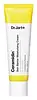
This barrier-repair moisturizer is formulated around Ceramide NP and Panthenol to strengthen the skin barrier and hydrate skin.
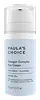
This barrier-repair eye moisturizer is formulated around Borago Officinalis Seed Oil and Niacinamide to strengthen the skin barrier and hydrate skin.


What's inside
What's inside
 Key Ingredients
Benefits
Concerns
Ingredients Side-by-side
Water
Skin ConditioningGlycerin
Humectant


Caprylic/Capric Triglyceride
Masking
Dipropylene Glycol
HumectantCetearyl Alcohol
Emollient





Hydrogenated Polydecene
EmollientMethyl Trimethicone
Skin Conditioning
Hydrogenated Poly(C6-14 Olefin)
EmollientButyrospermum Parkii Butter
Skin Conditioning
1,2-Hexanediol
Skin Conditioning
Phenyl Trimethicone
Skin Conditioning
Dicaprylyl Ether
Emollient
Cetearyl Olivate
Panthenol
Skin Conditioning

Glyceryl Stearate
Emollient
Behenyl Alcohol
Emollient
Sorbitan Olivate
Emulsifying
Theobroma Cacao Seed Extract
Antioxidant
2,3-Butanediol
HumectantCetearyl Glucoside
Emulsifying
Ceramide NP
Skin Conditioning

Ceramide Ng
Skin Conditioning
Ceramide Ns
Skin Conditioning
Ceramide As
Skin Conditioning
Ceramide AP
Skin Conditioning
Cholesterol
Emollient
Pentaerythrityl Distearate
Emulsifying
Hydrogenated Lecithin
Emulsifying
Palmitic Acid
Emollient
Stearic Acid
Cleansing
Microcrystalline Cellulose
AbsorbentGlyceryl Stearate Se
Emulsifying
Ammonium Acryloyldimethyltaurate/Vp Copolymer
Cellulose Gum
Emulsion StabilisingDextrin
AbsorbentGlyceryl Polymethacrylate
Pelargonium Graveolens Flower Oil
Masking




Olea Europaea Fruit Oil
Masking
Citrus Aurantium Bergamia Fruit Oil
Masking
Salvia Officinalis Oil
Masking
Citronellol
Perfuming
Tocopherol
Antioxidant


CI 19140
Cosmetic ColorantWater, Glycerin, Caprylic/Capric Triglyceride, Dipropylene Glycol, Cetearyl Alcohol, Hydrogenated Polydecene, Methyl Trimethicone, Hydrogenated Poly(C6-14 Olefin), Butyrospermum Parkii Butter, 1,2-Hexanediol, Phenyl Trimethicone, Dicaprylyl Ether, Cetearyl Olivate, Panthenol, Glyceryl Stearate, Behenyl Alcohol, Sorbitan Olivate, Theobroma Cacao Seed Extract, 2,3-Butanediol, Cetearyl Glucoside, Ceramide NP, Ceramide Ng, Ceramide Ns, Ceramide As, Ceramide AP, Cholesterol, Pentaerythrityl Distearate, Hydrogenated Lecithin, Palmitic Acid, Stearic Acid, Microcrystalline Cellulose, Glyceryl Stearate Se, Ammonium Acryloyldimethyltaurate/Vp Copolymer, Cellulose Gum, Dextrin, Glyceryl Polymethacrylate, Pelargonium Graveolens Flower Oil, Olea Europaea Fruit Oil, Citrus Aurantium Bergamia Fruit Oil, Salvia Officinalis Oil, Citronellol, Tocopherol, CI 19140
Water
Skin ConditioningCaprylic/Capric Triglyceride
Masking
Butylene Glycol
Humectant
Neopentyl Glycol Diheptanoate
EmollientCetyl Palmitate
Emollient
Nylon-12


Propanediol
Solvent
Ammonium Acryloyldimethyltaurate/Vp Copolymer
Propylene Glycol Dibenzoate
Skin ConditioningPersea Gratissima Oil
Skin Conditioning
Borago Officinalis Seed Oil
Emollient
Sodium Stearoyl Glutamate
CleansingSqualane
Emollient
Niacinamide
Smoothing



Salvia Hispanica Seed Oil
Emollient
Linum Usitatissimum Seed Oil
Perfuming
Limnanthes Alba Seed Oil
Skin Conditioning
Olea Europaea Fruit Oil
Masking
Passiflora Edulis Seed Oil
Emollient
Ceramide EOP
Skin Conditioning
Ceramide NP
Skin Conditioning
Ceramide AP
Skin Conditioning
Sodium Hyaluronate
Humectant
Cholesterol
Emollient
Morus Alba Root Extract
BleachingArctostaphylos Uva-Ursi Leaf Extract
Skin Conditioning
Glycyrrhiza Glabra Root Extract
Bleaching
Linoleic Acid
Cleansing
Linolenic Acid
Cleansing
Serine
Masking
Alanine
Masking
Proline
Skin Conditioning
Arginine
Masking
Threonine
Phytosphingosine
Skin Conditioning
Phytosterols
Skin Conditioning
Sodium PCA
Humectant
Glycine
Buffering
Oleic Acid
Emollient
Glutamic Acid
Humectant
Lysine Hcl
Skin Conditioning
Lecithin
Emollient
Adenosine
Skin Conditioning
Sodium Lactate
Buffering
Hydrogenated Olive Oil
Skin Conditioning
Euterpe Oleracea Sterols
Skin ConditioningOlea Europaea Oil Unsaponifiables
Skin Conditioning
Phytic Acid
Chelating
Scutellaria Baicalensis Root Extract
Astringent
Anastatica Hierochuntica Extract
AstringentGlycerin
Humectant
PCA
Humectant
Betaine
Humectant
Pullulan
Carbomer
Emulsion StabilisingSclerotium Gum
Emulsion StabilisingSodium Citrate
BufferingCitric Acid
Buffering
Ascorbyl Palmitate
Antioxidant
Tocopheryl Acetate
Antioxidant
Silica
Abrasive
Sorbitan Oleate
Emulsifying
Xanthan Gum
EmulsifyingSodium Lauroyl Lactylate
EmulsifyingPhenoxyethanol
Preservative
Ethylhexylglycerin
Skin ConditioningChlorphenesin
Antimicrobial
Water, Caprylic/Capric Triglyceride, Butylene Glycol, Neopentyl Glycol Diheptanoate, Cetyl Palmitate, Nylon-12, Propanediol, Ammonium Acryloyldimethyltaurate/Vp Copolymer, Propylene Glycol Dibenzoate, Persea Gratissima Oil, Borago Officinalis Seed Oil, Sodium Stearoyl Glutamate, Squalane, Niacinamide, Salvia Hispanica Seed Oil, Linum Usitatissimum Seed Oil, Limnanthes Alba Seed Oil, Olea Europaea Fruit Oil, Passiflora Edulis Seed Oil, Ceramide EOP, Ceramide NP, Ceramide AP, Sodium Hyaluronate, Cholesterol, Morus Alba Root Extract, Arctostaphylos Uva-Ursi Leaf Extract, Glycyrrhiza Glabra Root Extract, Linoleic Acid, Linolenic Acid, Serine, Alanine, Proline, Arginine, Threonine, Phytosphingosine, Phytosterols, Sodium PCA, Glycine, Oleic Acid, Glutamic Acid, Lysine Hcl, Lecithin, Adenosine, Sodium Lactate, Hydrogenated Olive Oil, Euterpe Oleracea Sterols, Olea Europaea Oil Unsaponifiables, Phytic Acid, Scutellaria Baicalensis Root Extract, Anastatica Hierochuntica Extract, Glycerin, PCA, Betaine, Pullulan, Carbomer, Sclerotium Gum, Sodium Citrate, Citric Acid, Ascorbyl Palmitate, Tocopheryl Acetate, Silica, Sorbitan Oleate, Xanthan Gum, Sodium Lauroyl Lactylate, Phenoxyethanol, Ethylhexylglycerin, Chlorphenesin
Reviews
Ingredients Explained
These ingredients are found in both products.
Ingredients higher up in an ingredient list are typically present in a larger amount.
Ammonium Acryloyldimethyltaurate/Vp Copolymer is a synthetically created polymer. It's used as a film-forming agent and used to thicken the consistency of products.
Think of it as a supportive ingredient that helps your gel-creams feel silky, "cloud cream-like", and spread evenly without being greasy.
The Cosmetic Ingredient Review (CIR) Expert Panel evaluated it (along with 22 other acryloyldimethyltaurate polymers) and concluded it's:
Due to its large molecular size, it sits on the surface of skin rather than penetrating it.
Learn more about Ammonium Acryloyldimethyltaurate/Vp CopolymerCaprylic/Capric Triglyceride (aka MCT Oil) is a lightweight emollient, solvent, and texture enhancer. It is considered a skin-softener by helping to prevent moisture loss.
Though it behaves like an oil, it is not technically one due to its chemical composition. One perk of this ingredient is that it is very stable, resistant to oxidation, and unlikely to go rancid.
In practice, that translates to a long shelf life and a consistently elegant skin feel.
While there is an assumption Caprylic Triglyceride can clog pores due to it being derived from coconut oil, there is no research supporting this. Just patch test if you have concerns.
Fractionated coconut oil and MCT Oil are both listed as Caprylic/Capric Triglyceride according to INCI. This is because INCI names are based on the ingredient’s final chemical composition and not its marketing name or source.
This ingredient is treated as the gold standard fungal acne safe oil. Even though it is coconut derived, the problematic lauric acid is stripped out.
This leaves just caprylic (C8) and capric (C10) acid. These chain lengths actually trend antifungal; a 2020 study found caprylic acid was enough to disrupt Malassezia furfur cell membrane, with a caprylic acid derivative damaging membrane structures at concentrations as low as 0.2%.
Learn more about Caprylic/Capric TriglycerideCeramide AP is is a skin-identical lipid that mimics what your skin already makes naturally. Ceramides help maintain epidermal integrity and barrier function.
You'll often see this ingredient paired with other ceramides (like ceramide NP), cholesterol, or fatty acids because this combination best mimics the natural lipid mix your skin already has.
The skin's ability to produce ceramides gets disrupted in skin conditions like eczema. This in turn weakens the skin barrier and applying ceramides topically has been shown to replenish what's been lost to restore barrier function.
Most of the studies with Ceramide AP test it as part of a multi-ceramide complex; studies reinforce ceramide AP's role in rebalancing ceramides in skin and improving skin hydration.
Learn more about Ceramide APCeramide NP (formerly known as Ceramide 3) is one of the skin's naturally occurring lipids.
Since ceramides are the major lipid components of the skin, they are crucial for maintaining skin barrier and hydration. Ceramide NP most closely mirrors the dominant kind in human skin amongst ceramide subtypes.
This ceramide works by slotting into gaps within the stratum corneum's lipid matrix to limit trans-epidermal water loss (TEWL) and shield the skin against external irritants.
A study with 312 patients found that using a ceramide-containing routine for 4 weeks reduced the severity of atopic dermatitis by over 61%.
Another clinical study in subjects aged 60 and older found that a ceramide body wash and moisturizer improved skin dryness and itchy skin in 15 days.
Overall, ceramides are considered non-irritating and safety tests have found little to no observable adverse effects from using this ingredient.
Ceramide NP is usually sourced from plants (like soybean or rice bran), or produced synthetically.
Learn more about Ceramide NPCholesterol is a lipid that is naturally found in human skin and is one of the three key components of your skin barrier. In skincare, it is an emollient and barrier-repairing ingredient.
It works by fitting directly into the lipid layers of skin to help restore structure and reduce transepidermal water loss (TEWL).
This is a great ingredient for dry, compromised, or aging skin; our skin starts to produce less cholesterol with age.
Research shows cholesterol works best in combination with ceramides and fatty acids, the other two major components in your skin barrier.
Cholesterol is also a well-establish penetration enhancer and can help other actives absorb more effectively.
Cosmetic-grade cholesterol is usually derived from lanolin but plant and synthetic options also exist. We recommend reaching out to the brand if you have questions about their source of cholesterol.
Learn more about CholesterolGlycerin (or glycerol) is a compound naturally found in your skin. It's a powerhouse humectant that pulls water into the stratum corneum.
Topically, glycerin does several things at once:
Your skin makes glycerin on its own (mostly from sebaceous oil breakdown) and shuttles it to your outermost layer of skin, or your epidermis, via aquaporin-3.
Aquaporin-3 is a transporter that is essential for normal skin hydration, elasticity, and repair. Interestingly, mice lacking in AQP3 have dry and less elastic skin that can be fully corrected with glycerin.
This ingredient is non-irritating, plays well with almost every ingredient, and works across all skin types. Typical use is anywhere between 3-10% but can go up to 79% in some leave-on products.
Just know very high concentrations (>40%) can feel tacky in low humidity.
Glycerin is the name for this ingredient in American English. British English uses Glycerol/Glycerine.
Learn more about GlycerinThis ingredient is also known as olive oil. It has been used in skincare for centuries and science largely backs up its reputation as a nourishing emollient.
The main components of olive oil are oleic acid (55-83%), linoleic acid (3.5-20%), and palmitic acid (7-20%). Oleic acid promotes skin regeneration and helps regulate inflammatory responses.
Squalene is also naturally present in olive oil and exhibits moisturizing and antioxidant properties.
The polyphenols in olive oil also show anti-aging promise; one clinical study found a measurable improvement in skin appearance after 30 days of topical serum use.
Just be aware that applying olive oil directly to skin can weaken the barrier and cause redness. One study with volunteers found even people without sensitive skin experienced a significant reduction in stratum corneum integrity and induced mild erythema.
It's best to use this ingredient as part of a carefully crafted formula (instead of putting it on skin directly from the bottle).
Because it has a 0-2 on the comedogenic scale, it is low risk for acne-prone skin. Just remember the overall formulation of a product matters more than a few ingredients with comedogenic ratings.
This ingredient may not be fungal acne safe because of the oleic and palmitic acid content. These fall within the C11-24 fatty acid range that the Malassezia yeast can metabolize to grow.
Overall, olive oil is a well-studied and nourishing skincare ingredient.
Learn more about Olea Europaea Fruit OilWater. It's the most common cosmetic ingredient of all. You'll usually see it at the top of ingredient lists, meaning that it makes up the largest part of the product.
So why is it so popular? Water most often acts as a solvent - this means that it helps dissolve other ingredients into the formulation.
You'll also recognize water as that liquid we all need to stay alive. If you see this, drink a glass of water. Remember to stay hydrated!
Learn more about Water

