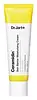
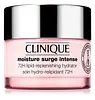
Dr. Jart+ Ceramidin™ Skin Barrier Moisturizing Cream Versus Clinique Moisture Surge Intense 72H Lipid-Replenishing Hydrator Moisturizer
This barrier-repair moisturizer is formulated around Ceramide NP and Panthenol to strengthen the skin barrier and hydrate skin.
This barrier-repair moisturizer is formulated around Squalane and Sodium Hyaluronate to strengthen the skin barrier and hydrate skin.


What's inside
What's inside
 Key Ingredients
Benefits
Concerns
Ingredients Side-by-side
Water
Skin ConditioningGlycerin
Humectant


Caprylic/Capric Triglyceride
Masking
Dipropylene Glycol
HumectantCetearyl Alcohol
Emollient





Hydrogenated Polydecene
EmollientMethyl Trimethicone
Skin Conditioning
Hydrogenated Poly(C6-14 Olefin)
EmollientButyrospermum Parkii Butter
Skin Conditioning
1,2-Hexanediol
Skin Conditioning
Phenyl Trimethicone
Skin Conditioning
Dicaprylyl Ether
Emollient
Cetearyl Olivate
Panthenol
Skin Conditioning

Glyceryl Stearate
Emollient
Behenyl Alcohol
Emollient
Sorbitan Olivate
Emulsifying
Theobroma Cacao Seed Extract
Antioxidant
2,3-Butanediol
HumectantCetearyl Glucoside
Emulsifying
Ceramide NP
Skin Conditioning

Ceramide Ng
Skin Conditioning
Ceramide Ns
Skin Conditioning
Ceramide As
Skin Conditioning
Ceramide AP
Skin Conditioning
Cholesterol
Emollient
Pentaerythrityl Distearate
Emulsifying
Hydrogenated Lecithin
Emulsifying
Palmitic Acid
Emollient
Stearic Acid
Cleansing
Microcrystalline Cellulose
AbsorbentGlyceryl Stearate Se
Emulsifying
Ammonium Acryloyldimethyltaurate/Vp Copolymer
Cellulose Gum
Emulsion StabilisingDextrin
AbsorbentGlyceryl Polymethacrylate
Pelargonium Graveolens Flower Oil
Masking




Olea Europaea Fruit Oil
Masking
Citrus Aurantium Bergamia Fruit Oil
Masking
Salvia Officinalis Oil
Masking
Citronellol
Perfuming
Tocopherol
Antioxidant


CI 19140
Cosmetic ColorantWater, Glycerin, Caprylic/Capric Triglyceride, Dipropylene Glycol, Cetearyl Alcohol, Hydrogenated Polydecene, Methyl Trimethicone, Hydrogenated Poly(C6-14 Olefin), Butyrospermum Parkii Butter, 1,2-Hexanediol, Phenyl Trimethicone, Dicaprylyl Ether, Cetearyl Olivate, Panthenol, Glyceryl Stearate, Behenyl Alcohol, Sorbitan Olivate, Theobroma Cacao Seed Extract, 2,3-Butanediol, Cetearyl Glucoside, Ceramide NP, Ceramide Ng, Ceramide Ns, Ceramide As, Ceramide AP, Cholesterol, Pentaerythrityl Distearate, Hydrogenated Lecithin, Palmitic Acid, Stearic Acid, Microcrystalline Cellulose, Glyceryl Stearate Se, Ammonium Acryloyldimethyltaurate/Vp Copolymer, Cellulose Gum, Dextrin, Glyceryl Polymethacrylate, Pelargonium Graveolens Flower Oil, Olea Europaea Fruit Oil, Citrus Aurantium Bergamia Fruit Oil, Salvia Officinalis Oil, Citronellol, Tocopherol, CI 19140
Water
Skin ConditioningGlycerin
Humectant
Dimethicone
Emollient
Isopropyl Isostearate
Emollient
Dipropylene Glycol
HumectantSqualane
Emollient
PEG/PPG-18/18 Dimethicone
Emulsifying
Silica
Abrasive


Tocopheryl Acetate
Antioxidant
Sodium Hyaluronate
Humectant
Olea Europaea Fruit Extract
BleachingCentella Asiatica Extract
Cleansing
Aloe Barbadensis Leaf Water
MaskingPalmitoyl Hexapeptide-12
Skin Conditioning
Triticum Vulgare Bran Extract
Skin ConditioningCaffeine
Skin Conditioning
Methyl Trimethicone
Skin Conditioning
Sorbitol
Humectant
Sodium Polyaspartate
HumectantPetrolatum
Emollient
Trehalose
Humectant
Whey Protein
Skin ConditioningLinoleic Acid
Cleansing
Pyridoxine Dipalmitate
Skin ConditioningButylene Glycol
Humectant
Cholesterol
Emollient
Sucrose
Humectant
Polysilicone-11
Glyceryl Polymethacrylate
PEG-150
HumectantPEG-8
HumectantHydroxyethyl Urea
Humectant
Hydroxyacetophenone
Antioxidant
BHT
Antioxidant
Disodium EDTA
ChelatingSodium Hexametaphosphate
ChelatingSodium Benzoate
Masking
Potassium Sorbate
Preservative
Phenoxyethanol
Preservative
Water, Glycerin, Dimethicone, Isopropyl Isostearate, Dipropylene Glycol, Squalane, PEG/PPG-18/18 Dimethicone, Silica, Tocopheryl Acetate, Sodium Hyaluronate, Olea Europaea Fruit Extract, Centella Asiatica Extract, Aloe Barbadensis Leaf Water, Palmitoyl Hexapeptide-12, Triticum Vulgare Bran Extract, Caffeine, Methyl Trimethicone, Sorbitol, Sodium Polyaspartate, Petrolatum, Trehalose, Whey Protein, Linoleic Acid, Pyridoxine Dipalmitate, Butylene Glycol, Cholesterol, Sucrose, Polysilicone-11, Glyceryl Polymethacrylate, PEG-150, PEG-8, Hydroxyethyl Urea, Hydroxyacetophenone, BHT, Disodium EDTA, Sodium Hexametaphosphate, Sodium Benzoate, Potassium Sorbate, Phenoxyethanol
Reviews
Ingredients Explained
These ingredients are found in both products.
Ingredients higher up in an ingredient list are typically present in a larger amount.
Cholesterol is a lipid that is naturally found in human skin and is one of the three key components of your skin barrier. In skincare, it is an emollient and barrier-repairing ingredient.
It works by fitting directly into the lipid layers of skin to help restore structure and reduce transepidermal water loss (TEWL).
This is a great ingredient for dry, compromised, or aging skin; our skin starts to produce less cholesterol with age.
Research shows cholesterol works best in combination with ceramides and fatty acids, the other two major components in your skin barrier.
Cholesterol is also a well-establish penetration enhancer and can help other actives absorb more effectively.
Cosmetic-grade cholesterol is usually derived from lanolin but plant and synthetic options also exist. We recommend reaching out to the brand if you have questions about their source of cholesterol.
Learn more about CholesterolDipropylene Glycol is a synthetically created humectant, stabilizer, and solvent.
This ingredient helps:
Dipropylene glycol is technically an alcohol, but it belongs to the glycol family (often considered part of the ‘good’ alcohols). This means it is hydrating and gentle on skin unlike drying solvent alcohols like denatured alcohol.
As a masking agent, Dipropylene Glycol can be used to cover the smell of other ingredients. However, it does not have a scent.
Studies show Dipropylene Glycol is considered safe to use in skincare.
Learn more about Dipropylene GlycolGlycerin (or glycerol) is a compound naturally found in your skin. It's a powerhouse humectant that pulls water into the stratum corneum.
Topically, glycerin does several things at once:
Your skin makes glycerin on its own (mostly from sebaceous oil breakdown) and shuttles it to your outermost layer of skin, or your epidermis, via aquaporin-3.
Aquaporin-3 is a transporter that is essential for normal skin hydration, elasticity, and repair. Interestingly, mice lacking in AQP3 have dry and less elastic skin that can be fully corrected with glycerin.
This ingredient is non-irritating, plays well with almost every ingredient, and works across all skin types. Typical use is anywhere between 3-10% but can go up to 79% in some leave-on products.
Just know very high concentrations (>40%) can feel tacky in low humidity.
Glycerin is the name for this ingredient in American English. British English uses Glycerol/Glycerine.
Learn more about GlycerinThis is a synthetic polymer made by combining glycerin with polymethacrylic acid.
It is a non-drying, non-greasy moisturizer that helps enhance the feel and slip of formulations, helps stabilize emulsions, creates a film, and controls viscosity.
As a film former, it creates a light and flexible layer on the skin's surface. This helps lock in moisture without feeling heavy.
It's typically used at concentrations up to 1.9% in leave-on products. CIR has concluded that these ingredients are safe in cosmetics at current use levels.
Due to its large molecule size, it doesn't readily penetrate into skin and mostly just sits on the surface. A large UK-based patch test study of over 1,300 patients found that sensitization to related acrylate copolymers is rare.
Learn more about Glyceryl PolymethacrylateMethyl Trimethicone is a type of silicone. It is a solvent and emulsifier.
Solvents are used to keep ingredients together in a product. They can help dissolve ingredients to stable bases or help evenly distribute ingredients throughout the product.
Emulsifiers help stabilize a product. It does this by preventing certain ingredients from separating.
Methyl Trimethicone does not get absorbed into the skin.
Learn more about Methyl TrimethiconeWater. It's the most common cosmetic ingredient of all. You'll usually see it at the top of ingredient lists, meaning that it makes up the largest part of the product.
So why is it so popular? Water most often acts as a solvent - this means that it helps dissolve other ingredients into the formulation.
You'll also recognize water as that liquid we all need to stay alive. If you see this, drink a glass of water. Remember to stay hydrated!
Learn more about Water

