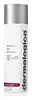
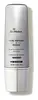
Dermalogica Dynamic Skin Recovery SPF50 Moisturizer Versus SkinMedica Total Defense Repair SPF 34 Tinted
This chemical sunscreen covers most of the UV range, lighter on the deep UVA that drives aging.
This hybrid sunscreen covers the full UV range and blocks ~97% of UVB at SPF 34.

What's inside
What's inside
 Key Ingredients
Benefits
Concerns
Ingredients Side-by-side
Butyl Methoxydibenzoylmethane 3%
UV Absorber
Homosalate 5%
Skin Conditioning
Ethylhexyl Salicylate 3%
UV Absorber
Octocrylene 7%
UV Absorber

Water
Skin ConditioningCarthamus Tinctorius Oleosomes
Emollient

Butylene Glycol
Humectant

Dimethicone
Emollient

C12-15 Alkyl Benzoate
AntimicrobialPropanediol
Solvent
Polysorbate 80
Emulsifying
Palmitoyl Tetrapeptide-7
Skin Conditioning


Dipotassium Glycyrrhizate
Humectant

Aniba Rosodora Wood Oil
Astringent
Camellia Sinensis Leaf Extract
Antimicrobial



Helianthus Annuus Seed Oil
Emollient
Pelargonium Graveolens Flower Oil
Masking


Eugenia Caryophyllus Leaf Oil
Masking
Saccharomyces Cerevisiae Extract
Skin Conditioning
Laminaria Digitata Extract
Skin Protecting
Rosa Damascena Flower Oil
Masking
Eugenia Caryophyllus Bud Oil
Masking
Citrus Limon Peel Oil
Masking
Cymbopogon Schoenanthus Oil
Masking
Cymbopogon Martini Oil
Masking
Cupressus Sempervirens Leaf Oil
Masking
Citrus Limon Peel Extract
EmollientEucalyptus Globulus Leaf Oil
Perfuming
Tocopherol
Antioxidant

Squalane
Emollient
Caprylyl Glycol
Emollient
Carnosine
Skin Conditioning
Acrylates/C10-30 Alkyl Acrylate Crosspolymer
Emulsion StabilisingLecithin
Emollient
Urea
Buffering
Caprylic/Capric Triglyceride
Masking
Glycerin
Humectant
Pentylene Glycol
Skin Conditioning
Bisabolol
Antioxidant
Glucosamine Hcl
Ethylhexylglycerin
Skin Conditioning1,2-Hexanediol
Skin Conditioning
Gluconolactone
Skin Conditioning

Polysorbate 60
Emulsifying
Trisodium Ethylenediamine Disuccinate
Sorbitan Isostearate
Emulsifying
Decyl Glucoside
Cleansing
Aminomethyl Propanol
BufferingHydroxyethyl Acrylate/Sodium Acryloyldimethyl Taurate Copolymer
Emulsion StabilisingPolysilicone-11
Sodium Acrylates Copolymer
Phenethyl Alcohol
MaskingSodium Benzoate
Masking
Linalool
Perfuming
Eugenol
Perfuming
Limonene
Perfuming
Citronellol
Perfuming
Geraniol
Perfuming
Benzyl Benzoate
Antimicrobial
Citral
Perfuming
CI 77891
Cosmetic ColorantButyl Methoxydibenzoylmethane 3%, Homosalate 5%, Ethylhexyl Salicylate 3%, Octocrylene 7%, Water, Carthamus Tinctorius Oleosomes, Butylene Glycol, Dimethicone, C12-15 Alkyl Benzoate, Propanediol, Polysorbate 80, Palmitoyl Tetrapeptide-7, Dipotassium Glycyrrhizate, Aniba Rosodora Wood Oil, Camellia Sinensis Leaf Extract, Helianthus Annuus Seed Oil, Pelargonium Graveolens Flower Oil, Eugenia Caryophyllus Leaf Oil, Saccharomyces Cerevisiae Extract, Laminaria Digitata Extract, Rosa Damascena Flower Oil, Eugenia Caryophyllus Bud Oil, Citrus Limon Peel Oil, Cymbopogon Schoenanthus Oil, Cymbopogon Martini Oil, Cupressus Sempervirens Leaf Oil, Citrus Limon Peel Extract, Eucalyptus Globulus Leaf Oil, Tocopherol, Squalane, Caprylyl Glycol, Carnosine, Acrylates/C10-30 Alkyl Acrylate Crosspolymer, Lecithin, Urea, Caprylic/Capric Triglyceride, Glycerin, Pentylene Glycol, Bisabolol, Glucosamine Hcl, Ethylhexylglycerin, 1,2-Hexanediol, Gluconolactone, Polysorbate 60, Trisodium Ethylenediamine Disuccinate, Sorbitan Isostearate, Decyl Glucoside, Aminomethyl Propanol, Hydroxyethyl Acrylate/Sodium Acryloyldimethyl Taurate Copolymer, Polysilicone-11, Sodium Acrylates Copolymer, Phenethyl Alcohol, Sodium Benzoate, Linalool, Eugenol, Limonene, Citronellol, Geraniol, Benzyl Benzoate, Citral, CI 77891
Ethylhexyl Methoxycinnamate 7.5%
UV Absorber
Ethylhexyl Salicylate 3%
UV Absorber
Titanium Dioxide 3.5%
Cosmetic Colorant
Zinc Oxide 8%
Cosmetic Colorant
Water
Skin ConditioningCaprylic/Capric Triglyceride
Masking
Squalane
Emollient
Silica
Abrasive
Glycerin
Humectant
Niacinamide
Smoothing
Dimethicone
Emollient
Glyceryl Stearate
Emollient
PEG-100 Stearate
Surfactant
Cetearyl Alcohol
Emollient
Butyrospermum Parkii Butter
Skin Conditioning
Polygonum Aviculare Extract
EmollientPhysalis Angulata Extract
Skin ProtectingDunaliella Salina Extract
Skin ConditioningUbiquinone
Antioxidant
Camellia Sinensis Leaf Extract
Antimicrobial
Tremella Fuciformis Sporocarp Extract
Antioxidant
Betaine
Humectant
Melanin
Skin ProtectingTocopheryl Acetate
Antioxidant
Tocopherol
Antioxidant
Hydroxyacetophenone
Antioxidant
Batyl Alcohol
EmollientC12-15 Alkyl Benzoate
AntimicrobialPEG-12 Dimethicone
Skin Conditioning
Panthenol
Skin Conditioning
Butylene Glycol
Humectant
Ceteareth-20
Cleansing
Polyhydroxystearic Acid
Emulsifying
Isostearic Acid
Cleansing
Xanthan Gum
EmulsifyingEthylhexylglycerin
Skin ConditioningDisodium EDTA
Aminomethyl Propanol
BufferingCaprylyl Glycol
Emollient
Potassium Sorbate
Preservative
Sorbic Acid
Preservative
Phenoxyethanol
Preservative
Iron Oxides
Ethylhexyl Methoxycinnamate 7.5%, Ethylhexyl Salicylate 3%, Titanium Dioxide 3.5%, Zinc Oxide 8%, Water, Caprylic/Capric Triglyceride, Squalane, Silica, Glycerin, Niacinamide, Dimethicone, Glyceryl Stearate, PEG-100 Stearate, Cetearyl Alcohol, Butyrospermum Parkii Butter, Polygonum Aviculare Extract, Physalis Angulata Extract, Dunaliella Salina Extract, Ubiquinone, Camellia Sinensis Leaf Extract, Tremella Fuciformis Sporocarp Extract, Betaine, Melanin, Tocopheryl Acetate, Tocopherol, Hydroxyacetophenone, Batyl Alcohol, C12-15 Alkyl Benzoate, PEG-12 Dimethicone, Panthenol, Butylene Glycol, Ceteareth-20, Polyhydroxystearic Acid, Isostearic Acid, Xanthan Gum, Ethylhexylglycerin, Disodium EDTA, Aminomethyl Propanol, Caprylyl Glycol, Potassium Sorbate, Sorbic Acid, Phenoxyethanol, Iron Oxides
Reviews
Ingredients Explained
These ingredients are found in both products.
Ingredients higher up in an ingredient list are typically present in a larger amount.
Aminomethyl Propanol is used to adjust the pH of products. It is also used as a base to create other organic compounds. Having a balanced pH is important for protecting your skin.
Aminomethyl propanol is safe to use in cosmetics up to 1%. It is soluble in water.
Butylene Glycol (or BG) is used within cosmetic products for a few different reasons:
Overall, Butylene Glycol is a safe and well-rounded ingredient that works well with other ingredients.
Though this ingredient works well with most skin types, some people with sensitive skin may experience a reaction such as allergic rashes, closed comedones, or itchiness.
Learn more about Butylene GlycolC12-15 Alkyl Benzoate is a lightweight emollient made by combinig benzoic acid with fatty alcohols that are 12-15 carbons long.
In cosmetics, it plays several roles:
The Cosmetic Review Expert Panel has concluded the alkyl benzoate group to be safe as used in cosmetics; it wasn't found to be a skin irritant and unlikely to be absorbed due to its low water solubility.
This report recorded almost 1000 reported uses with concentrations up to 59% in leave-on products but your cosmetics will typically use 0.5-15% depending on the product.
It's often called a "SPF booster": this is because it keeps UV filters properly dissolved and evenly distributed to support a sunscreen's performance. It doesn't actually raise SPF on its own.
Overall, this ingredient is well tolerated.
This ingredient is fungal acne safe because it is an ester of benzoic acid.
Think of this ingredient as two parts stuck together: an oily part and an acid part. Malassezia only gets a meal when it can snip off a fatty acid to eat. With C12-15 Alkyl Benzoate, the acid part is benzoic acid, which isn't a fatty acid and which the yeast can't use as food.
Benzoic acid is actually used as a preservative to stop yeast from growing.
The oily part is a blend of C12-15 fatty alcohols but fatty alcohols in this size range can support only a little Malassezia growth (mostly for one species of Malassezia as well).
In the ingredient, those alcohols stay locked inside the molecule. The yeast can only reach them by snipping the benzoate bond, and that type of bond is harder for it to cut than a normal fatty bond.
So not much gets released. And whatever does get snipped comes packaged with benzoic acid, which discourages yeast growth.
Learn more about C12-15 Alkyl BenzoateCamellia Sinensis Leaf Extract (tea extract) is one of the most well-researched plant extracts in skincare with an impressive resume.
Black tea, green tea, and oolong tea are all harvested from the Camellia Sinensis plant.
Studies show green tea extract and its catechins (like epigallocatechin gallate (EGCG)) help your skin cells product energy more efficiently and reducing the number of free-radicals that can damage your skin from the inside.
In lab-grown skin models, this translated to younger, healthier, and stronger skin.
There's also good sun protection data; researchers saw less DNA damage and redness on human skin when green tea was applied before UVB exposure. And the more they applied, the better the protection.
Needless to say, this ingredient shouldn't replace your sunscreen. But it is a great supportive ingredient that you can already find in many sunscreens and antioxidant serums.
A 2009 study found a 2% green tea lotion was effective for mild-to-moderate acne thanks to its anti-inflammatory and mild antimicrobial activity.
The quality of the extract matters a lot here:
Good extracts contain 50-90% catechins while lower quality ones are mostly there for marketing. We recommend reaching out to the brand if you have questions about the quality or source of their ingredients.
Human Repeated Insult Patch Testing showed no irritation or sensitization at use concentrations (0.86% in leave-on products and up to 30% as leaf water).
Learn more about Camellia Sinensis Leaf ExtractCaprylic/Capric Triglyceride (aka MCT Oil) is a lightweight emollient, solvent, and texture enhancer. It is considered a skin-softener by helping to prevent moisture loss.
Though it behaves like an oil, it is not technically one due to its chemical composition. One perk of this ingredient is that it is very stable, resistant to oxidation, and unlikely to go rancid.
In practice, that translates to a long shelf life and a consistently elegant skin feel.
While there is an assumption Caprylic Triglyceride can clog pores due to it being derived from coconut oil, there is no research supporting this. Just patch test if you have concerns.
Fractionated coconut oil and MCT Oil are both listed as Caprylic/Capric Triglyceride according to INCI. This is because INCI names are based on the ingredient’s final chemical composition and not its marketing name or source.
This ingredient is treated as the gold standard fungal acne safe oil. Even though it is coconut derived, the problematic lauric acid is stripped out.
This leaves just caprylic (C8) and capric (C10) acid. These chain lengths actually trend antifungal; a 2020 study found caprylic acid was enough to disrupt Malassezia furfur cell membrane, with a caprylic acid derivative damaging membrane structures at concentrations as low as 0.2%.
Learn more about Caprylic/Capric TriglycerideCaprylyl Glycol is a humectant, skin conditioner, emollient, and preservative booster derived from either caprylic acid or synthetically created.
Typical use levels vary from 0.3-1% as a preservative booster and go up to 2% to condition skin.
Because it is not a free-fatty acid, this ingredient is fungal acne safe (there's nothing for Malassezia to feed on).
Learn more about Caprylyl GlycolDimethicone is a type of synthetic silicone created from natural materials such as quartz. It is also known as polydimethylsiloxane.
What it does:
Dimethicone comes in different viscosities:
Depending on the viscosity, dimethicone has different properties.
Ingredients lists don't always show which type is used, so we recommend reaching out to the brand if you have questions about the viscosity.
This ingredient is unlikely to cause irritation because it does not get absorbed into skin. However, people with silicone allergies should be careful about using this ingredient.
Note: Dimethicone may contribute to pilling. This is because it is not oil or water soluble, so pilling may occur when layered with products. When mixed with heavy oils in a formula, the outcome is also quite greasy.
Learn more about DimethiconeEthylhexyl Salicylate (also called Octisalate or Octyl Salicylate) is an oil-soluble organic UV filter that's been used in sunscreen since the 1950's.
It absorbs UVB light in the 280-320 nm range with a peak absorbance around 306 nm.
You'll often see it paired with other UV filters to boost overall SPF because octisalate is a fairly week filter on its own.
The reason you'll see it so often is because it can help solubilize and stabilize the trickier filters like oxybenzone and avobenzone.
Unlike these filters, octisalate has pretty good photostability and doesn't create skin-damaging free radicals when exposed to sunlight.
The fatty-alcohol part of the molecule also gives it a light, emollient feel so it doubles as a nice texture enhancer.
Usage levels vary around the world:
Safety-wise, this ingredient has a pretty reassuring track record. The EU's Scientific Committee on Consumer Products (SCCP) found very low skin penetration in human skin tests and negative results for irritation, phototoxicity, and photoallergy.
The real-world allergy risk is pretty low too; a 2012 European study of 1,031 people recorded only 2 reactions to it (a rate of 0.19%).
You might have seen scary headlines about sunscreen getting into your blood.
In 2019, the FDA found that several chemical filters can absorb through the skin and show up in the bloodstream at small but measurable levels.
Here's the important part: these tiny levels are just a cutoff the FDA uses to decide which ingredients need more testing and doesn't mean anything harmful was found.
The researchers were clear that the results are no reason to stop wearing sunscreen.
Learn more about Ethylhexyl SalicylateEthylhexylglycerin is created from glycerin. It is a multitasker ingredient that:
The CIR Expert Panel found minimal skin absorption or sensitization of any kind in a safety assessment. Though this ingredient is considered well-tolerated, a small number of cases of allergic dermatitis have been published since 2002. Just be sure to patch test if you are unsure.
Industry-reported use ranges from 8% in rinse-off products and 2% in leave-on formulations.
Learn more about EthylhexylglycerinGlycerin (or glycerol) is a compound naturally found in your skin. It's a powerhouse humectant that pulls water into the stratum corneum.
Topically, glycerin does several things at once:
Your skin makes glycerin on its own (mostly from sebaceous oil breakdown) and shuttles it to your outermost layer of skin, or your epidermis, via aquaporin-3.
Aquaporin-3 is a transporter that is essential for normal skin hydration, elasticity, and repair. Interestingly, mice lacking in AQP3 have dry and less elastic skin that can be fully corrected with glycerin.
This ingredient is non-irritating, plays well with almost every ingredient, and works across all skin types. Typical use is anywhere between 3-10% but can go up to 79% in some leave-on products.
Just know very high concentrations (>40%) can feel tacky in low humidity.
Glycerin is the name for this ingredient in American English. British English uses Glycerol/Glycerine.
Learn more about GlycerinSqualane is the hydrogenated and shelf-stable form of squalene (a lipid that naturally occurs in human sebum).
It is an emollient and skin conditioning agent that is able to integrate seamlessly into the skin's lipid barrier without clogging pores.
This is due to how structurally similar it is to what your skin already produces.
Though it is mostly an emollient that helps soften and hydrate skin, it also has some humectant and occlusive action. Humectants help the skin retain moisture while occlusives seal it in, making squalane a triple-threat moisturizer.
Research shows it has antioxidant capabilities that help protect against stressors like UV exposure, specifically UVA induced oxidative stress. This study also found that it supports collagen biosynthesis in human dermal fibroblasts.
No clinical study has reported significant adverse effects and irritation reactions are very rare from this ingredient (even at 100% concentration).
Overall, it's a fantastic ingredient for hydration and is suitable for all skin types.
This depends on the source. Squalane can be derived from both plants and animals. Most squalane used in skincare comes from plants.
Please note: the source of squalane is only known if disclosed by the brand. We recommend reaching out to the brand if you have any questions about their squalane.
Read more about squalene with an "e".
Though squalane is often called an oil, it’s technically not one. It is a hydrocarbon, meaning it is only made of carbon and hydrogen. True oils are triglycerides and made of fatty acids and glycerol.
The term “oil-free” isn’t regulated so companies can define it however they want. Some exclude all oils, while others just avoid mineral oil or comedogenic oils.
Squalane has a comedogenic rating of 1 from the original 1972 study that tested raw ingredients under occlusion on rabbit ears. This system is not standardized or peer-reviewed, and using the raw ingredients is very different from how diluted cosmetic formulations are used on human skin.
A comedogenic rating of 1 means it is "unlikely to clog pores" according to the original rating system.
The overall formula of a product matters more than the individual ingredients on whether or not it will cause clogged pores.
Learn more about SqualaneTocopherol is a fat-soluble antioxidant known as Vitamin E.
You'll find this ingredient in the vast majority of skincare (for good reason). It works to neutralize free radicals, or unstable molecules generated by UV exposure, pollution, and other environmental stressors, before they can cause oxidative damage to your skin cells.
Topically applied tocopherol has been shown to protect against UV damage by ramping up the skin's own natural defense enzymes.
It also acts as a skin conditioning agent; some studies show that regular topical use can improve the skin's water-binding capacity over 2-4 weeks.
This ingredient is especially loved for being a team player. When combined with Vitamin C, the photoprotective effect of both ingredients roughly doubles and the combo also helps reduce UV-induced DNA damage.
This ingredient has some brightening potential but it's more of a prevention ingredient than spot-fader. Cell studies show it can slow down melanin production but it's worth noting that it's not the most powerful brightener out there.
In formulations, it also serves as a stabilizer that helps protect other oxidation-prone ingredients from degrading.
Concentrations usually range from 0.1-1% in most leave-on products.
Learn more about TocopherolWater. It's the most common cosmetic ingredient of all. You'll usually see it at the top of ingredient lists, meaning that it makes up the largest part of the product.
So why is it so popular? Water most often acts as a solvent - this means that it helps dissolve other ingredients into the formulation.
You'll also recognize water as that liquid we all need to stay alive. If you see this, drink a glass of water. Remember to stay hydrated!
Learn more about Water

