Corthe Rich M Creme Versus Glutanex Cica Cream
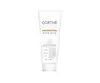
This barrier-repair moisturizer is formulated around Squalane and Butyrospermum Parkii Butter to strengthen the skin barrier and hydrate skin.
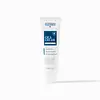
This calming moisturizer is formulated around Asiaticoside and Madecassic Acid to calm redness and strengthen the skin barrier.

What's inside
What's inside
 Key Ingredients
Benefits
Concerns
Ingredients Side-by-side
Water
Skin ConditioningGlycerin
Humectant


Methylpropanediol
SolventButylene Glycol Dicaprylate/Dicaprate
EmollientSqualane
Emollient
Caprylic/Capric Triglyceride
Masking
Butyrospermum Parkii Butter
Skin Conditioning




Cyclopentasiloxane
Emollient
Sorbitan Stearate
Emulsifying
Undaria Pinnatifida Extract
Skin ConditioningCetyl Dimethicone
Emollient
Oenothera Biennis Flower Extract
AstringentFructan
Skin ConditioningCentella Asiatica Leaf Extract
Skin Conditioning

Portulaca Oleracea Extract
Skin Conditioning
Hamamelis Virginiana Extract
Antiseborrhoeic

Algae Extract
Emollient
Gelidium Cartilagineum Extract
Skin ProtectingGelidium Sesquipedale Extract
Skin ProtectingCodium Tomentosum Extract
Skin ProtectingSodium Hyaluronate
Humectant
Hydrolyzed Hyaluronic Acid
Humectant
Sodium Acetylated Hyaluronate
Humectant
Sodium PCA
Humectant
Sorbitol
Humectant
Serine
Masking
Glycine
Buffering
Glutamic Acid
Humectant
Alanine
Masking
Lysine
Skin ConditioningThreonine
Proline
Skin Conditioning
Biosaccharide Gum-1
Humectant
Sodium Polyacryloyldimethyl Taurate
Emulsion StabilisingHydrogenated Polydecene
EmollientTrideceth-10
CleansingArachidyl Alcohol
Emollient
Behenyl Alcohol
Emollient
Arachidyl Glucoside
EmulsifyingTocopheryl Acetate
Antioxidant


Polysorbate 60
Emulsifying
Cetearyl Alcohol
Emollient
Ceramide NP
Skin Conditioning
Hydrogenated Lecithin
Emulsifying
PEG-10 Rapeseed Sterol
CleansingGlyceryl Stearate
Emollient
Glycereth-20
HumectantDipropylene Glycol
HumectantArginine
Masking
Carbomer
Emulsion StabilisingBetaine
Humectant
Allantoin
Skin Conditioning
Dipotassium Glycyrrhizate
Humectant
Butylene Glycol
Humectant
Illicium Verum Fruit Extract
Perfuming
Scutellaria Baicalensis Root Extract
Astringent
Ethylhexylglycerin
Skin Conditioning1,2-Hexanediol
Skin Conditioning
Water, Glycerin, Methylpropanediol, Butylene Glycol Dicaprylate/Dicaprate, Squalane, Caprylic/Capric Triglyceride, Butyrospermum Parkii Butter, Cyclopentasiloxane, Sorbitan Stearate, Undaria Pinnatifida Extract, Cetyl Dimethicone, Oenothera Biennis Flower Extract, Fructan, Centella Asiatica Leaf Extract, Portulaca Oleracea Extract, Hamamelis Virginiana Extract, Algae Extract, Gelidium Cartilagineum Extract, Gelidium Sesquipedale Extract, Codium Tomentosum Extract, Sodium Hyaluronate, Hydrolyzed Hyaluronic Acid, Sodium Acetylated Hyaluronate, Sodium PCA, Sorbitol, Serine, Glycine, Glutamic Acid, Alanine, Lysine, Threonine, Proline, Biosaccharide Gum-1, Sodium Polyacryloyldimethyl Taurate, Hydrogenated Polydecene, Trideceth-10, Arachidyl Alcohol, Behenyl Alcohol, Arachidyl Glucoside, Tocopheryl Acetate, Polysorbate 60, Cetearyl Alcohol, Ceramide NP, Hydrogenated Lecithin, PEG-10 Rapeseed Sterol, Glyceryl Stearate, Glycereth-20, Dipropylene Glycol, Arginine, Carbomer, Betaine, Allantoin, Dipotassium Glycyrrhizate, Butylene Glycol, Illicium Verum Fruit Extract, Scutellaria Baicalensis Root Extract, Ethylhexylglycerin, 1,2-Hexanediol
Water
Skin ConditioningPropylene Glycol
Humectant
Cetyl Alcohol
Emollient
Argania Spinosa Kernel Oil
Emollient


Cyclopentasiloxane
Emollient
Alcohol
Antimicrobial
Polysorbate 60
Emulsifying
Asiaticoside
Antioxidant
Madecassic Acid
Skin Conditioning
Asiatic Acid
Skin Conditioning
Beeswax
Emulsion Stabilising
Vitis Vinifera Seed Oil
Emollient
Microcrystalline Wax
Emulsion StabilisingStearyl Alcohol
Emollient
Glyceryl Stearate
Emollient
Panthenol
Skin Conditioning
Sorbitan Sesquioleate
Emulsifying
PEG-100 Stearate
Surfactant
Palmitic Acid
Emollient
Stearic Acid
Cleansing
Tocopheryl Acetate
Antioxidant
Glutathione
Silica
Abrasive

Xanthan Gum
EmulsifyingDimethicone
Emollient
Salmon Egg Extract
Camellia Sinensis Leaf Extract
Antimicrobial
Portulaca Oleracea Extract
Skin Conditioning
Centella Asiatica Extract
Cleansing
Artemisia Vulgaris Extract
Skin Conditioning
Houttuynia Cordata Extract
Skin Conditioning
Olea Europaea Leaf Extract
Perfuming
Scutellaria Baicalensis Root Extract
Astringent
Butylene Glycol
Humectant
1,2-Hexanediol
Skin Conditioning
Carbomer
Emulsion StabilisingPotassium Hydroxide
BufferingDisodium EDTA
ChelatingHydrolyzed Swiftlet Nest Extract
Skin ConditioningMyristyl Alcohol
Emollient
Myristic Acid
Cleansing
Arachidyl Alcohol
Emollient
Phenoxyethanol
Preservative
Parfum
Masking
Hexyl Cinnamal
Perfuming
Limonene
Perfuming
Linalool
Perfuming
Water, Propylene Glycol, Cetyl Alcohol, Argania Spinosa Kernel Oil, Cyclopentasiloxane, Alcohol, Polysorbate 60, Asiaticoside, Madecassic Acid, Asiatic Acid, Beeswax, Vitis Vinifera Seed Oil, Microcrystalline Wax, Stearyl Alcohol, Glyceryl Stearate, Panthenol, Sorbitan Sesquioleate, PEG-100 Stearate, Palmitic Acid, Stearic Acid, Tocopheryl Acetate, Glutathione, Silica, Xanthan Gum, Dimethicone, Salmon Egg Extract, Camellia Sinensis Leaf Extract, Portulaca Oleracea Extract, Centella Asiatica Extract, Artemisia Vulgaris Extract, Houttuynia Cordata Extract, Olea Europaea Leaf Extract, Scutellaria Baicalensis Root Extract, Butylene Glycol, 1,2-Hexanediol, Carbomer, Potassium Hydroxide, Disodium EDTA, Hydrolyzed Swiftlet Nest Extract, Myristyl Alcohol, Myristic Acid, Arachidyl Alcohol, Phenoxyethanol, Parfum, Hexyl Cinnamal, Limonene, Linalool
Reviews
Ingredients Explained
These ingredients are found in both products.
Ingredients higher up in an ingredient list are typically present in a larger amount.
1,2-Hexanediol is a synthetic liquid and another multi-functional powerhouse.
It is a:
- Humectant, drawing moisture into the skin
- Emollient, helping to soften skin
- Solvent, dispersing and stabilizing formulas
- Preservative booster, enhancing the antimicrobial activity of other preservatives
Arachidyl Alcohol is a fatty alcohol made from the the arachidic acid found in peanut oil.
Despite having "alcohol" in the name, it is not related to denatured alcohol or ethanol.
This ingredient is a multitasker:
Just be sure to patch this ingredient if you have a peanut allergy (though this ingredient is highly processed and the allergenic proteins are typically removed).
Learn more about Arachidyl AlcoholButylene Glycol (or BG) is used within cosmetic products for a few different reasons:
Overall, Butylene Glycol is a safe and well-rounded ingredient that works well with other ingredients.
Though this ingredient works well with most skin types, some people with sensitive skin may experience a reaction such as allergic rashes, closed comedones, or itchiness.
Learn more about Butylene GlycolCarbomer is a synthetic thickening and gelling agent. It's basically the ingredient that gives a lot of serums, gels, creams, and sunscreens their smooth, non-sticky texture.
Although legally permitted at very high levels, carbomers are normally used at concentrations below 1%.
It also needs to be neutralized to actually thicken, and because it is a large molecule, it doesn't really penetrate the skin barrier.
Allergy-wise, the risk is very low. Clinical studies show carbomers have low potential for skin irritation/sensitization even at concentrations up to 100%.
A 2024 UK study patch-tested 1,302 patients and found true allergy to the parent group of carbomer to be rare with no confirmed relevant reactions.
Learn more about CarbomerCyclopentasiloxane (D5) is a lightweight silicone that mostly acts as an emollient and solvent in cosmetics. Its the reason your products feel silky, fast-spreading, and non-greasy.
Since D5 is volatile, it does its thing and then evaporates off the skin quickly.
The safety profile of this ingredient is reassuring; the US CIR Expert Panel concluded D5 is safe as used in cosmetics and Health Canada concluded that D5 is not harmful to human health or the environment as currently used in cosmetics
There's a study that people mention about D5 in a rat study showing tumors. This study is related to long-term inhalation of high D5 levels.
Regulatory bodies have judged this study to be not applicable in topical skincare since skin absorption of D5 is very low and we're not really inhaling huge amounts of D5.
The only restriction for this ingredient is environmental. The European Chemicals Agency (ECHA) restricted D5 in wash-off cosmetics at or above 0.1% due to their persistence in water.
Learn more about CyclopentasiloxaneGlyceryl Stearate is made by reacting glycerin with stearic acid (typically sourced from plant oils like palm or coconut). It's an emulsifier, emollient, and mild occlusive.
Emulsifiers help ingredients like oil and water stay mixed so your formula stays nicely blended and uniform in texture.
This ingredient is typically used in concentrations between 1-10%. Studies have found it to be non-sensitizing, non-phototoxic, and non-photoallergenic.
A close cousin of this ingredient is Glyceryl Stearate SE ("self-emulsifying"). This just has a small amount of sodium or potassium stearate added so it can emulsify without a co-emulsifier.
Since this ingredient is an ester of a C18 fatty acid, it may not be fungal acne safe. The Malassezia yeast can potentially metabolize within the C11-C24 range.
Fun fact: The human body also creates Glyceryl Stearate naturally.
Learn more about Glyceryl StearatePolysorbate 60 is used to help stabilize products. It is a surfactant and emulsifier. These properties help keep ingredients together in a product. Surfactants help reduce surface tension between ingredients with different states, such as liquids and solids. Emulsifiers help prevent oils and waters from separating.
Polysorbate 60 is sorbitol-based and created from the ethoxylation of sorbitan. Ethoxylation is a chemical reaction used to add ethylene oxide. Sorbitan is a the dehydrated version of sorbitol, a sugar found in fruits.
In this case, the 60 comes from reacting 60 units of ethylene oxide with sorbitan.
Polysorbates are commonly used in medicine and foods.
Learn more about Polysorbate 60This extract comes from Purslane, a succulent. It has anti-inflammatory, antioxidant, and hydrating properties.
Purslane is very nutritious. It contains omega-3 fatty acids, NMFs, many vitamins, minerals, and antioxidants. The vitamins found in purslane include: Vitamin C, Vitamin A, and Vitamin E.
Fun fact: Purslane is a succulent with an extensive habitat. It is used in traditional Korean medicine to treat irritated skin.
Nowadays, purslane is becoming a superfood due to its highly nutritious content.
Learn more about Portulaca Oleracea ExtractScutellaria Baicalensis Root Extract comes from the Baikal skullcap or Chinese skullcap plant. This plant is native to Northeast Asia and can be found in China, Mongolia, Korea, and Siberia.
In cosmetics, Scutellaria Baicalensis Root Extract provides antioxidant and anti-inflammatory benefits. This is due to the flavonoid composition of Scutellaria Baicalensis Root Extract.
In Chinese traditional folk medicine, Scutellaria Baicalensis Root Extract is used to help treat lung issues and hypertension.
Learn more about Scutellaria Baicalensis Root ExtractTocopheryl Acetate is a stable, shelf-friendly form of vitamin E.
Formulators love it because plain vitamin E oxidizes quickly once it hits air. This acetate version stays stable and resists going off, helping to extend a product's shelf life.
It's actually inactive on its own and works like a slow-release "storage" form; the enzymes in your skin called esterases gradually convert it into active vitamin E over time.
One in vivo study showed 5% of the acetate in the living layer of the epidermis converted to vitamin E after 5 days of application. This study also found the skin gained protection against UV damage even though the conversion was slow and small.
Once converted, vitamin E acts as a skin's main fat-soluble antioxidant that fights free radicals to protect skin from damage.
Topical vitamin E generally boosts the skin's photoprotection, and it reduced UV-damage in animal models.
This ingredient has some brightening potential but it's more of a prevention ingredient than spot-fader. Cell studies show it can slow down melanin production but it's worth noting that it's not the most powerful brightener out there.
Overall, it has a pretty solid safety profile and has been found to be non-irritating and non-comedogenic. Allergic reactions may happen but stay rare due to how widely the ingredient gets used.
The concentration will vary depending on the formula; industry data shows 0.1% in baby lotions, 3% in lipsticks, and 5% in foot powders. You can also find this ingredient at 100% in a pure vitamin E oil.
Most leave-on skincare keeps it at the lower end, often between 0.5-1%.
Learn more about Tocopheryl AcetateWater. It's the most common cosmetic ingredient of all. You'll usually see it at the top of ingredient lists, meaning that it makes up the largest part of the product.
So why is it so popular? Water most often acts as a solvent - this means that it helps dissolve other ingredients into the formulation.
You'll also recognize water as that liquid we all need to stay alive. If you see this, drink a glass of water. Remember to stay hydrated!
Learn more about Water

