Centellian24 Madeca Acnience Pore Pack Cleanser Versus Torriden Dive-In Low Molecule Hyaluronic Acid Multi Pad
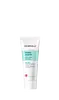
This salicylic acid clay cleanser is formulated around Salicylic Acid to clear breakouts and unclog pores.
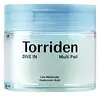
This hydrating exfoliating pad uses a pre-saturated pad with Sodium Hyaluronate and Panthenol to hydrate skin and strengthen the skin barrier.

What's inside
What's inside
 Key Ingredients
Benefits
Concerns
Ingredients Side-by-side
Water
Skin ConditioningButylene Glycol
Humectant

Glycerin
Humectant
Hydrogenated Palm Acid
Kaolin
Abrasive



Dipropylene Glycol
HumectantSorbeth-30 Tetraoleate
Emulsifying

Potassium Hydroxide
BufferingPalmitic Acid
Emollient


Glyceryl Stearate
Emollient
Centella Asiatica Extract
Cleansing



Centella Asiatica Leaf Extract
Skin Conditioning
Melaleuca Alternifolia Leaf Oil
Antioxidant




Mentha Piperita Oil
Masking

Citrus Aurantium Bergamia Fruit Oil
Masking
Quillaja Saponaria Bark Extract
CleansingMelaleuca Alternifolia Leaf Extract
Perfuming
Melaleuca Alternifolia Flower/Leaf/Stem Extract
Skin ConditioningCryptomeria Japonica Leaf Extract
HumectantNelumbo Nucifera Leaf Extract
Skin ConditioningSaccharomyces Ferment
Skin Conditioning
Artemisia Absinthium Extract
Skin ConditioningXylitol
Humectant
Pinus Pinaster Bark Extract
Antioxidant
Bentonite
Absorbent
Caprylic/Capric Triglyceride
Masking
Glycol Distearate
Emollient
Stearic Acid
Cleansing
Coco-Glucoside
Cleansing
Salicylic Acid
Masking


Glycol Stearate
Emollient
Cocamidopropyl Betaine
Cleansing
Acrylates/C10-30 Alkyl Acrylate Crosspolymer
Emulsion StabilisingPerlite
Absorbent
Sodium Cocoyl Isethionate
Cleansing
1,2-Hexanediol
Skin Conditioning
Silica
Abrasive
Sodium Chloride
MaskingSodium Phytate
ChelatingPentylene Glycol
Skin Conditioning
Citric Acid
Buffering
Ethylhexylglycerin
Skin ConditioningCeteareth-20
Cleansing
Erythritol
Humectant
Montmorillonite
AbsorbentHydrogenated Lecithin
Emulsifying
Illite
Abrasive
Asiaticoside
Antioxidant
Madecassic Acid
Skin Conditioning
Asiatic Acid
Skin Conditioning
Allantoin
Skin Conditioning
Totarol
Antioxidant
Xanthan Gum
EmulsifyingSodium Benzoate
Masking
Limonene
Perfuming
Linalool
Perfuming
CI 77289
Cosmetic ColorantCI 77492
Cosmetic ColorantWater, Butylene Glycol, Glycerin, Hydrogenated Palm Acid, Kaolin, Dipropylene Glycol, Sorbeth-30 Tetraoleate, Potassium Hydroxide, Palmitic Acid, Glyceryl Stearate, Centella Asiatica Extract, Centella Asiatica Leaf Extract, Melaleuca Alternifolia Leaf Oil, Mentha Piperita Oil, Citrus Aurantium Bergamia Fruit Oil, Quillaja Saponaria Bark Extract, Melaleuca Alternifolia Leaf Extract, Melaleuca Alternifolia Flower/Leaf/Stem Extract, Cryptomeria Japonica Leaf Extract, Nelumbo Nucifera Leaf Extract, Saccharomyces Ferment, Artemisia Absinthium Extract, Xylitol, Pinus Pinaster Bark Extract, Bentonite, Caprylic/Capric Triglyceride, Glycol Distearate, Stearic Acid, Coco-Glucoside, Salicylic Acid, Glycol Stearate, Cocamidopropyl Betaine, Acrylates/C10-30 Alkyl Acrylate Crosspolymer, Perlite, Sodium Cocoyl Isethionate, 1,2-Hexanediol, Silica, Sodium Chloride, Sodium Phytate, Pentylene Glycol, Citric Acid, Ethylhexylglycerin, Ceteareth-20, Erythritol, Montmorillonite, Hydrogenated Lecithin, Illite, Asiaticoside, Madecassic Acid, Asiatic Acid, Allantoin, Totarol, Xanthan Gum, Sodium Benzoate, Limonene, Linalool, CI 77289, CI 77492
Water
Skin ConditioningButylene Glycol
Humectant
Glycerin
Humectant
Dipropylene Glycol
Humectant1,2-Hexanediol
Skin Conditioning
Propanediol
Solvent
Allantoin
Skin Conditioning
Sodium Hyaluronate
Humectant
Sodium Hyaluronate Crosspolymer
Humectant
Hydrolyzed Sodium Hyaluronate
Skin Conditioning
Hyaluronic Acid
Humectant
Hydrolyzed Hyaluronic Acid
Humectant
Panthenol
Skin Conditioning
Aloe Ferox Leaf Extract
Skin ConditioningSalix Alba Bark Extract
Astringent
Melaleuca Alternifolia Leaf Extract
Perfuming
Betaine
Humectant
Ceramide NP
Skin Conditioning
Hamamelis Virginiana Water
Astringent
Pyrus Malus Fruit Water
MaskingAlthaea Rosea Flower Extract
Skin ConditioningGluconolactone
Chelating
Sodium Citrate
BufferingCaprylyl Glycol
Emollient
Polyglyceryl-10 Laurate
Skin Conditioning
Hydrogenated Lecithin
Emulsifying
Sodium Carboxymethyl Beta-Glucan
CleansingBenzyl Glycol
SolventHydrolyzed Glycosaminoglycans
HumectantPentylene Glycol
Skin Conditioning
Octanediol
Polyglutamic Acid
Skin Conditioning
Melia Azadirachta Leaf Extract
Skin ConditioningMelia Azadirachta Flower Extract
Skin ConditioningCoccinia Indica Fruit Extract
Skin Conditioning
Solanum Melongena Fruit Extract
Skin ConditioningAloe Barbadensis Flower Extract
EmollientOcimum Sanctum Leaf Extract
Skin ConditioningCurcuma Longa Root Extract
Antioxidant
Corallina Officinalis Extract
Skin Conditioning
Caffeine
Skin Conditioning
Glyceryl Acrylate/Acrylic Acid Copolymer
HumectantPvm/Ma Copolymer
Emulsion StabilisingDipotassium Glycyrrhizate
Humectant
Citric Acid
Buffering
Disodium EDTA
ChelatingEthylhexylglycerin
Skin ConditioningMalachite Extract
Antioxidant
Scutellaria Baicalensis Root Extract
Astringent
Paeonia Suffruticosa Root Extract
Skin ProtectingWater, Butylene Glycol, Glycerin, Dipropylene Glycol, 1,2-Hexanediol, Propanediol, Allantoin, Sodium Hyaluronate, Sodium Hyaluronate Crosspolymer, Hydrolyzed Sodium Hyaluronate, Hyaluronic Acid, Hydrolyzed Hyaluronic Acid, Panthenol, Aloe Ferox Leaf Extract, Salix Alba Bark Extract, Melaleuca Alternifolia Leaf Extract, Betaine, Ceramide NP, Hamamelis Virginiana Water, Pyrus Malus Fruit Water, Althaea Rosea Flower Extract, Gluconolactone, Sodium Citrate, Caprylyl Glycol, Polyglyceryl-10 Laurate, Hydrogenated Lecithin, Sodium Carboxymethyl Beta-Glucan, Benzyl Glycol, Hydrolyzed Glycosaminoglycans, Pentylene Glycol, Octanediol, Polyglutamic Acid, Melia Azadirachta Leaf Extract, Melia Azadirachta Flower Extract, Coccinia Indica Fruit Extract, Solanum Melongena Fruit Extract, Aloe Barbadensis Flower Extract, Ocimum Sanctum Leaf Extract, Curcuma Longa Root Extract, Corallina Officinalis Extract, Caffeine, Glyceryl Acrylate/Acrylic Acid Copolymer, Pvm/Ma Copolymer, Dipotassium Glycyrrhizate, Citric Acid, Disodium EDTA, Ethylhexylglycerin, Malachite Extract, Scutellaria Baicalensis Root Extract, Paeonia Suffruticosa Root Extract
Reviews
Ingredients Explained
These ingredients are found in both products.
Ingredients higher up in an ingredient list are typically present in a larger amount.
1,2-Hexanediol is a synthetic liquid and another multi-functional powerhouse.
It is a:
- Humectant, drawing moisture into the skin
- Emollient, helping to soften skin
- Solvent, dispersing and stabilizing formulas
- Preservative booster, enhancing the antimicrobial activity of other preservatives
Allantoin is a soothing ingredient known for its protective and moisturizing properties; it's basically a quiet workhorse ingredient you can find in a huge range of cosmetics.
Though it can be derived from the comfrey plant, allantoin is produced synthetically for cosmetic products to ensure purity.
Research shows it can encourage your skin cells to turn over and renew by stimulating keratinocyte and fibroblast proliferation.
It also has mild keratolytic properties to help loosen and shed dead skin cells without being harsh.
Studies also suggest allantoin can help calm inflammation by dialing down some of the chemical signals your skin sends out when it is irritated.
This ingredient is typically used in the 0.1-0.5% range, and the FDA recognizes it as a skin protectant in OTC products up to 2%.
Overall, allantoin is a wonderful addition to most routines; it is stable across a wide pH range (~4-8), works well with other ingredients, and is considered non-sensitizing/non-irritating.
Fun fact: Allantoin is naturally occurring in comfrey root, beets, chamomile, and wheat sprouts. Our bodies even produce it as a byproduct of uric acid metabolism.
Learn more about AllantoinButylene Glycol (or BG) is used within cosmetic products for a few different reasons:
Overall, Butylene Glycol is a safe and well-rounded ingredient that works well with other ingredients.
Though this ingredient works well with most skin types, some people with sensitive skin may experience a reaction such as allergic rashes, closed comedones, or itchiness.
Learn more about Butylene GlycolCitric Acid is an alpha hydroxy acid (AHA) naturally found in citrus fruits like oranges, lemons, and limes.
Like other AHAs, citric acid can exfoliate skin by breaking down the bonds that hold dead skin cells together. This helps reveal smoother and brighter skin underneath.
However, this exfoliating effect only happens at high concentrations (20%) which can be hard to find in cosmetic products.
Due to this, citric acid is usually included in small amounts as a pH adjuster. This helps keep products slightly more acidic and compatible with skin's natural pH.
In skincare formulas, citric acid can:
While it can provide some skin benefits, research shows lactic acid and glycolic acid are generally more effective and less irritating exfoliants.
Most citric acid used in skincare today is made by fermenting sugars (usually from molasses). This synthetic version is identical to the natural citrus form but easier to stabilize and use in formulations.
Rosacea skin has a lower threshold for acids generally, with 62.5% of rosacea subjects in one study reacting to lactic acid in a sting test. This is why we mark citric acid as a potential rosacea trigger.
However, this ingredient shows up as a pH adjuster or chelator at roughly 0.1-1% in many products. These low levels are unlikely to be an issue for rosacea skin and becomes a potential trigger at exfoliating concentrations (20%). Because everybody's skin is unique, we recommend a patch test if you are unsure.
Learn more about Citric AcidDipropylene Glycol is a synthetically created humectant, stabilizer, and solvent.
This ingredient helps:
Dipropylene glycol is technically an alcohol, but it belongs to the glycol family (often considered part of the ‘good’ alcohols). This means it is hydrating and gentle on skin unlike drying solvent alcohols like denatured alcohol.
As a masking agent, Dipropylene Glycol can be used to cover the smell of other ingredients. However, it does not have a scent.
Studies show Dipropylene Glycol is considered safe to use in skincare.
Learn more about Dipropylene GlycolEthylhexylglycerin is created from glycerin. It is a multitasker ingredient that:
The CIR Expert Panel found minimal skin absorption or sensitization of any kind in a safety assessment. Though this ingredient is considered well-tolerated, a small number of cases of allergic dermatitis have been published since 2002. Just be sure to patch test if you are unsure.
Industry-reported use ranges from 8% in rinse-off products and 2% in leave-on formulations.
Learn more about EthylhexylglycerinGlycerin (or glycerol) is a compound naturally found in your skin. It's a powerhouse humectant that pulls water into the stratum corneum.
Topically, glycerin does several things at once:
Your skin makes glycerin on its own (mostly from sebaceous oil breakdown) and shuttles it to your outermost layer of skin, or your epidermis, via aquaporin-3.
Aquaporin-3 is a transporter that is essential for normal skin hydration, elasticity, and repair. Interestingly, mice lacking in AQP3 have dry and less elastic skin that can be fully corrected with glycerin.
This ingredient is non-irritating, plays well with almost every ingredient, and works across all skin types. Typical use is anywhere between 3-10% but can go up to 79% in some leave-on products.
Just know very high concentrations (>40%) can feel tacky in low humidity.
Glycerin is the name for this ingredient in American English. British English uses Glycerol/Glycerine.
Learn more about GlycerinHydrogenated Lecithin is a more stable version of lecithin.
It's made by taking lecithin (a phospholipid commonly found in soybeans and egg yolks) and hydrogenating it. This just means the unsaturated fatty acids are turned into saturated ones so they don't go bad as easily.
This ingredient is an emollient, emulsifier, and penetration enhancer. As an emollient, it helps soften and hydrate skin by trapping moisture within. As an emulsifier, it prevents oil and water ingredients from separating.
Hydrogenated Lecithin can form tiny spherical structures made of phospholipid bilayers called liposomes. These liposomes are able to capture compounds inside their structure and deliver them through the skin barrier.
Because phospholipids are a natural component of our cell membranes, this ingredient is inherently compatible with skin.
A 2021 study found lecithin-based surfactants were less harsh and more tolerable comared to Sodium Lauryl Sulfate (SLS).
Learn more about Hydrogenated LecithinMelaleuca Alternifolia Leaf Extract comes from the Tea Tree, Melaleuca alternifolia, Myrtaceae. This tea tree is native to Australia.
Tea Leaf extract contains antimicrobial and anti-acne properties.
This ingredient has perfuming properties and contains linalool and limonene. These fragrance and terpinen components can cause skin sensitivity.
Learn more about the benefits of Tea Tree Oil here.
Learn more about Melaleuca Alternifolia Leaf ExtractPentylene Glycol (1,2-pentanediol) is a multitasking little diol with three main roles in a formula:
Research on alkanediols (the family pentylene glycol belongs to) show they work by disrupting microbial cell membranes. This disruption helps the primary preservative system in a product work more effectively at lower doses.
On the safety side, the Cosmetic Ingredient Review Expert Panel has concluded this ingredient to be safe as used in current cosmetic practices + concentrations.
Typical use levels in a formula run about 1-5%.
Learn more about Pentylene GlycolWater. It's the most common cosmetic ingredient of all. You'll usually see it at the top of ingredient lists, meaning that it makes up the largest part of the product.
So why is it so popular? Water most often acts as a solvent - this means that it helps dissolve other ingredients into the formulation.
You'll also recognize water as that liquid we all need to stay alive. If you see this, drink a glass of water. Remember to stay hydrated!
Learn more about Water

