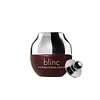
This anti-aging eye moisturizer is formulated around Niacinamide and Caffeine to soften the look of wrinkles and strengthen the skin barrier.
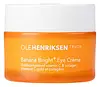
This brightening eye moisturizer is formulated around 3-O-Ethyl Ascorbic Acid and Simmondsia Chinensis Seed Oil to brighten dull-looking skin and hydrate skin.


What's inside
What's inside
 Key Ingredients
Benefits
Concerns
Ingredients Side-by-side
Water
Skin ConditioningPropanediol
Solvent

Cetyl Alcohol
Emollient



Glycerin
Humectant
Isopropyl Myristate
Emollient



Dimethicone
Emollient
Caprylic/Capric Triglyceride
Masking
Niacinamide
Smoothing









Rosa Damascena Flower Extract
Masking
Caffeine
Skin Conditioning
Silica
Abrasive
Glycereth-7 Triacetate
EmollientArachidyl Alcohol
Emollient
Phenoxyethanol
Preservative
Carbomer
Emulsion StabilisingTetrahexyldecyl Ascorbate
Antioxidant

Sucrose
Humectant
Glyceryl Stearate
Emollient
Behenyl Alcohol
Emollient
Potassium Hydroxide
BufferingC14-22 Alcohols
Emulsion Stabilising
Arachidyl Glucoside
Emulsifying1,2-Hexanediol
Skin Conditioning
Squalane
Emollient
Sodium Polyacrylate
Absorbent
Tocopheryl Acetate
Antioxidant
Glycolic Acid
Buffering
C12-20 Alkyl Glucoside
EmulsifyingEthylhexylglycerin
Skin ConditioningSodium Hyaluronate
Humectant
Butyrospermum Parkii Butter
Skin Conditioning
Leuconostoc/Radish Root Ferment Filtrate
Antimicrobial
Beta-Sitosterol
Emulsion Stabilising
Euphorbia Cerifera Wax
Oleic Acid
Emollient
Phytic Acid
Chelating
Glyceryl Behenate
Emollient
Polyglyceryl-4 Isostearate
Emulsifying
Sodium Lactate
Buffering
Potassium Carbonate
BufferingSodium Benzoate
Masking
Xanthan Gum
EmulsifyingLactic Acid
Buffering
Lauryl Glucoside
CleansingLecithin
Emollient
Potassium Sorbate
Preservative
Ceramide Ng
Skin Conditioning
Tocopherol
Antioxidant
Ceramide NP
Skin Conditioning
Palmitoyl Tetrapeptide-7
Skin Conditioning
Palmitoyl Tripeptide-1
Skin Conditioning
Hexapeptide-11
Skin Conditioning
Glucose
Humectant
Copper Tripeptide-1
Skin Conditioning
Water, Propanediol, Cetyl Alcohol, Glycerin, Isopropyl Myristate, Dimethicone, Caprylic/Capric Triglyceride, Niacinamide, Rosa Damascena Flower Extract, Caffeine, Silica, Glycereth-7 Triacetate, Arachidyl Alcohol, Phenoxyethanol, Carbomer, Tetrahexyldecyl Ascorbate, Sucrose, Glyceryl Stearate, Behenyl Alcohol, Potassium Hydroxide, C14-22 Alcohols, Arachidyl Glucoside, 1,2-Hexanediol, Squalane, Sodium Polyacrylate, Tocopheryl Acetate, Glycolic Acid, C12-20 Alkyl Glucoside, Ethylhexylglycerin, Sodium Hyaluronate, Butyrospermum Parkii Butter, Leuconostoc/Radish Root Ferment Filtrate, Beta-Sitosterol, Euphorbia Cerifera Wax, Oleic Acid, Phytic Acid, Glyceryl Behenate, Polyglyceryl-4 Isostearate, Sodium Lactate, Potassium Carbonate, Sodium Benzoate, Xanthan Gum, Lactic Acid, Lauryl Glucoside, Lecithin, Potassium Sorbate, Ceramide Ng, Tocopherol, Ceramide NP, Palmitoyl Tetrapeptide-7, Palmitoyl Tripeptide-1, Hexapeptide-11, Glucose, Copper Tripeptide-1
Water
Skin ConditioningSimmondsia Chinensis Seed Oil
Emollient
Butyrospermum Parkii Butter
Skin Conditioning
Isododecane
EmollientCoconut Alkanes
Emollient
3-O-Ethyl Ascorbic Acid
Skin Conditioning
Cetearyl Alcohol
Emollient
Glycerin
Humectant
C18-38 Alkyl Hydroxystearoyl Stearate
EmollientDilinoleic Acid/Propanediol Copolymer
EmollientPolymethylsilsesquioxane
Cocoyl Proline
Skin Conditioning
Dimethicone Crosspolymer
Emulsion Stabilising
Pentaerythrityl Tetraisostearate
Emollient
Tetrahexyldecyl Ascorbate
Antioxidant
Ascorbic Acid
Antioxidant
Gold
Cosmetic ColorantGlutathione
Citrus Nobilis Fruit Extract
MaskingCitrus Paradisi Peel Extract
Perfuming
Glucosyl Hesperidin
HumectantTocopherol
Antioxidant
Tamarindus Indica Seed Polysaccharide
Skin ConditioningPoncirus Trifoliata Fruit Extract
Skin ConditioningMorus Alba Root Extract
BleachingLinoleic Acid
Cleansing
Linolenic Acid
Cleansing
Jojoba Esters
Emollient
Caprylyl Glycol
Emollient
Coco-Caprylate/Caprate
Emollient
Propanediol
Solvent
Polyglyceryl-3 Cocoate
Emulsifying
Polyglyceryl-4 Caprate
EmulsifyingPolyglyceryl-6 Caprylate
EmulsifyingPolyglyceryl-6 Ricinoleate
Emulsifying
Hdi/Trimethylol Hexyllactone Crosspolymer
Polyacrylate-13
Butylene Glycol
Humectant
Polyglyceryl-3 Stearate
Emulsifying
Polysorbate 20
Emulsifying
Sodium Citrate
BufferingPolyisobutene
Beheneth-5
EmulsifyingAcrylates/C10-30 Alkyl Acrylate Crosspolymer
Emulsion StabilisingBehenyl Alcohol
Emollient
Sodium Hydroxide
BufferingSorbic Acid
Preservative
Sorbitan Isostearate
Emulsifying
Citric Acid
Buffering
Hydrolyzed Vegetable Protein
Skin ConditioningStearic Acid
Cleansing
Palmitic Acid
Emollient
Oleic Acid
Emollient
Sorbitol
Humectant
Silica
Abrasive
Sodium Benzoate
Masking
1,2-Hexanediol
Skin Conditioning
Xanthan Gum
EmulsifyingPhenoxyethanol
Preservative
Leuconostoc/Radish Root Ferment Filtrate
Antimicrobial
Mica
Cosmetic ColorantTitanium Dioxide
Cosmetic Colorant

CI 77891
Cosmetic ColorantCI 77491
Cosmetic ColorantWater, Simmondsia Chinensis Seed Oil, Butyrospermum Parkii Butter, Isododecane, Coconut Alkanes, 3-O-Ethyl Ascorbic Acid, Cetearyl Alcohol, Glycerin, C18-38 Alkyl Hydroxystearoyl Stearate, Dilinoleic Acid/Propanediol Copolymer, Polymethylsilsesquioxane, Cocoyl Proline, Dimethicone Crosspolymer, Pentaerythrityl Tetraisostearate, Tetrahexyldecyl Ascorbate, Ascorbic Acid, Gold, Glutathione, Citrus Nobilis Fruit Extract, Citrus Paradisi Peel Extract, Glucosyl Hesperidin, Tocopherol, Tamarindus Indica Seed Polysaccharide, Poncirus Trifoliata Fruit Extract, Morus Alba Root Extract, Linoleic Acid, Linolenic Acid, Jojoba Esters, Caprylyl Glycol, Coco-Caprylate/Caprate, Propanediol, Polyglyceryl-3 Cocoate, Polyglyceryl-4 Caprate, Polyglyceryl-6 Caprylate, Polyglyceryl-6 Ricinoleate, Hdi/Trimethylol Hexyllactone Crosspolymer, Polyacrylate-13, Butylene Glycol, Polyglyceryl-3 Stearate, Polysorbate 20, Sodium Citrate, Polyisobutene, Beheneth-5, Acrylates/C10-30 Alkyl Acrylate Crosspolymer, Behenyl Alcohol, Sodium Hydroxide, Sorbic Acid, Sorbitan Isostearate, Citric Acid, Hydrolyzed Vegetable Protein, Stearic Acid, Palmitic Acid, Oleic Acid, Sorbitol, Silica, Sodium Benzoate, 1,2-Hexanediol, Xanthan Gum, Phenoxyethanol, Leuconostoc/Radish Root Ferment Filtrate, Mica, Titanium Dioxide, CI 77891, CI 77491
Reviews
Ingredients Explained
These ingredients are found in both products.
Ingredients higher up in an ingredient list are typically present in a larger amount.
1,2-Hexanediol is a synthetic liquid and another multi-functional powerhouse.
It is a:
- Humectant, drawing moisture into the skin
- Emollient, helping to soften skin
- Solvent, dispersing and stabilizing formulas
- Preservative booster, enhancing the antimicrobial activity of other preservatives
Behenyl Alcohol is a type of fatty alcohol (these are different from the drying, solvent alcohols).
Fatty Alcohols have hydrating properties and are most often used as an emollient or to thicken a product. They are usually derived from natural fats and oils; behenyl alcohol is derived from the fats of vegetable oils.
Emollients help keep your skin soft and hydrated by creating a film that traps moisture in.
In 2000, Behenyl Alcohol was approved by the US as medicine to reduce the duration of cold sores.
Learn more about Behenyl AlcoholThis ingredient is also known as shea butter. It is a plant-derived extract from the nuts of the Africa shea tree and one of the most well-studied emollients.
Because it has a high concentration of fatty acids (primarily oleic, stearic, and linoleic) it is able to form a protective barrier on the skin's surface. This helps seal in moisture and prevents transepidermal water loss (TEWL).
In vitro research found an increase in skin hydration by 58% and a decrease in TEWL by 37.8% after 24 hours of applying this ingredient (pretty impressive for a single ingredient!).
Besides hydration, shea butter also contains triterpenes that have anti-inflammatory potential. In particule, lupeol cinnamate has shown the highest anti-inflammatory activity in vivo.
Shea butter also contains vitamins A and E which may contribute to antioxidant activity.
While Shea Butter has an SPF rating of about 3-4, it is not a sunscreen replacement.
This ingredient may not be fungal acne safe because its fatty acids fall within the C11-C24 range that the Malassezia yeast can metabolize.
This ingredient shows up on a lot of "pore-clogging" lists but there's no real evidence behind that. It doesn't even have a comedogenic rating from an actual study; the numbers you'll find online come from blogs citing other blogs.
Ratings for other ingredients mostly come from a 1980s rabbit ear test. This test doesn't translate well to human skin or to real products because the ingredient sits at a much lower percentage.
Some people still find it breaks them out. So if that's you, definitely trust your skin. Just know this one's based on experience and not evidence.
Learn more about Butyrospermum Parkii ButterGlycerin (or glycerol) is a compound naturally found in your skin. It's a powerhouse humectant that pulls water into the stratum corneum.
Topically, glycerin does several things at once:
Your skin makes glycerin on its own (mostly from sebaceous oil breakdown) and shuttles it to your outermost layer of skin, or your epidermis, via aquaporin-3.
Aquaporin-3 is a transporter that is essential for normal skin hydration, elasticity, and repair. Interestingly, mice lacking in AQP3 have dry and less elastic skin that can be fully corrected with glycerin.
This ingredient is non-irritating, plays well with almost every ingredient, and works across all skin types. Typical use is anywhere between 3-10% but can go up to 79% in some leave-on products.
Just know very high concentrations (>40%) can feel tacky in low humidity.
Glycerin is the name for this ingredient in American English. British English uses Glycerol/Glycerine.
Learn more about GlycerinLeuconostoc/Radish Root Ferment Filtrate is a natural preservative. It comes from fermenting radish roots with a bacteria called leuconostoc. The trade name for this ingredient is Leucidal.
Leuconostoc comes from lactic acid.
This ingredient has antimicrobial properties and helps prevent the growth of bacteria in a product.
Leuconostoc is used to make the traditional Korean side-dish, kimchi. It is also used to make sourdough bread (both incredibly yummy foods).
Learn more about Leuconostoc/Radish Root Ferment FiltrateOleic Acid is an Omega-9 fatty acid that can be found naturally in your skin's sebum and in many plant oils such as avocado and olive oil.
It is an emollient that helps soften skin and prevent moisture loss.
Research shows:
A 1998 study did find that applying oleic acid at higher concentrations may cause irritation and disrupt the skin barrier. Modern formulations typically use low levels that is well-tolerated.
The culprit behind fungal acne, the Malassezia yeast, feeds on fatty acids with carbon chain lengths between C11-C24. Oleic Acid, at C18, falls right into that sweet spot.
In vitro studies have shown that Oleic Acid is one of the fatty acids that induce rapid Malassezia growth in lab settings.
Oleic Acid is widely listed with a comedogenic rating but no published study has ever actually assigned it one.
The 0 to 5 scale everyone quotes comes from Fulton's 1989 survey in the Journal of the Society of Cosmetic Chemists and Oleic Acid does not appear in his fatty acid tables at all; what he did test were related ingredients built from it, like Decyl Oleate and Oleyl Alcohol (which did get ratings).
Somewhere along the way people seem to have borrowed those numbers for Oleic Acid itself.
So why is it considered comedogenic? Oleic Acid has been studied. Researchers in 1971 and 1983 applied it to rabbit ears (the standard test back then) and it did clog pores. The 1983 study also found something useful: oxidized Oleic Acid, meaning the kind that's gone rancid, clogged pores noticeably more than fresh Oleic Acid did.
It's just worth keeping in mind that these tests used rabbit skin which reacts more easily than ours. They also used much higher concentrations than you'd ever find in a real product.
A 2006 study on actual people found finished products made with comedogenic ingredients often turn out not to be comedogenic at all. As always, listen to your skin.
Learn more about Oleic AcidPhenoxyethanol is one of the most widely used preservatives in skincare (and for good reason!).
It has a large spectrum of antimicrobial activity and especially effective bacteria, yeast, and mold while only having a weak effect on your skin's natural microbiome.
On a cellular level, it disrupts the cell membranes of microbes by poking holes that make the cell leak. This shuts down the chemical reactions the microbe needs to make energy so it can no longer survive.
Another perk of this ingredient is that it stays functional across a wide pH range (3-10).
You'll often see it paired with boosters like Ethylhexylglycerin; one study showed that a 1:9 ratio of Ethylhexylglycerin to Phenoxyethanol damages bacterial membranes as effectively as doubling the Phenoxyethanol concentration on its own.
Typical use concentrations range from 0.3-1% depending on the formula, and this ingredient is capped at 1% int the EU.
Safety-wise, the fear mongering does not hold up to the evidence. The EU's Scientific Committee on Consumer Safety and FDA consider it safe as a preservative at up to 1%, including for children of all ages.
Adverse systemic effects only showed up in animal studies at exposures roughly 200x higher than what people get from cosmetics. And despite its very widespread use, this ingredient is a rare sensitizer and allergic reactions are uncommon.
Learn more about PhenoxyethanolPropanediol is an all-star ingredient. It softens, hydrates, and smooths the skin.
It’s often used to:
Propanediol is not likely to cause sensitivity and considered safe to use. It is derived from corn or petroleum with a clear color and no scent.
Learn more about PropanediolSilica, also known as silicon dioxide, is a naturally occurring mineral. It is used as a fine, spherical, and porous powder in cosmetics.
Though it has exfoliant properties, the function of silica varies depending on the product.
The unique structure of silica enhances the spreadability and adds smoothness, making it a great texture enhancer.
It is also used as an active carrier, emulsifier, and mattifier due to its ability to absorb excess oil.
In some products, tiny microneedles called spicules are made from silica or hydrolyzed sponge. When you rub them in, they lightly polish away dead skin layers and enhance the penetration of active ingredients.
Learn more about SilicaSodium Benzoate is a preservative. It's used in both cosmetic and food products to inhibit the growth of mold and bacteria. It is typically produced synthetically.
Both the US FDA and EU Health Committee have approved the use of sodium benzoate. In the US, levels of 0.1% (of the total product) are allowed.
Sodium benzoate works as a preservative by inhibiting the growth of bacteria inside of cells. It prevents the cell from fermenting a type of sugar using an enzyme called phosphofructokinase.
It is the salt of benzoic acid. Foods containing sodium benzoate include soda, salad dressings, condiments, fruit juices, wines, and snack foods.
Studies for using ascorbic acid and sodium benzoate in cosmetics are lacking, especially in skincare routines with multiple steps.
We always recommend speaking with a professional, such as a dermatologist, if you have any concerns.
Learn more about Sodium BenzoateTetrahexyldecyl Ascorbate (THD) is a stable and oil-soluble form of Vitamin C.
THD is special in that it has the ability to travel deeper into skin than traditional ascorbic acid while maintaining the same skin benefits (double win!).
Because it’s oil-soluble, THD dives deep into your skin’s fatty layers (think ceramides and cholesterol) to fight off the kind of free radicals that mess with your skin barrier. This makes it a great pair with water-based vitamin C (ascorbic acid) that mainly works on the surface.
Even at just 0.1%, THD is already showing great antioxidant activity. When used up to 2%, it helps keep your skin happy and calm, especially when it’s stressed from pollution or sun.
Want to fade dark spots or tackle hyperpigmentation? You’ll want 5% or more. Pairing it with brightening buddies like niacinamide or licorice root gives even better results. One study even used 30% THD with other brighteners and saw real results on stubborn discoloration, even in melasma-prone skin.
A note on THD: It’s has a slightly silky, oily texture and usually shows up colorless or pale yellow (though the exact shade can vary by supplier).
While you can sneak it into water-based formulas, it really shines when paired with silicones or oils, which help your skin soak it up better.
THD is pretty stable, but it’s still vulnerable to degradation like ascorbic acid. Too much light or heat (above 113°F / 45°C) can break it down over time. Go for dark and opaque packaging that keeps it safe and shady!
Read more about other types of Vitamin C:
Learn more about Tetrahexyldecyl AscorbateTocopherol is a fat-soluble antioxidant known as Vitamin E.
You'll find this ingredient in the vast majority of skincare (for good reason). It works to neutralize free radicals, or unstable molecules generated by UV exposure, pollution, and other environmental stressors, before they can cause oxidative damage to your skin cells.
Topically applied tocopherol has been shown to protect against UV damage by ramping up the skin's own natural defense enzymes.
It also acts as a skin conditioning agent; some studies show that regular topical use can improve the skin's water-binding capacity over 2-4 weeks.
This ingredient is especially loved for being a team player. When combined with Vitamin C, the photoprotective effect of both ingredients roughly doubles and the combo also helps reduce UV-induced DNA damage.
This ingredient has some brightening potential but it's more of a prevention ingredient than spot-fader. Cell studies show it can slow down melanin production but it's worth noting that it's not the most powerful brightener out there.
In formulations, it also serves as a stabilizer that helps protect other oxidation-prone ingredients from degrading.
Concentrations usually range from 0.1-1% in most leave-on products.
Learn more about TocopherolWater. It's the most common cosmetic ingredient of all. You'll usually see it at the top of ingredient lists, meaning that it makes up the largest part of the product.
So why is it so popular? Water most often acts as a solvent - this means that it helps dissolve other ingredients into the formulation.
You'll also recognize water as that liquid we all need to stay alive. If you see this, drink a glass of water. Remember to stay hydrated!
Learn more about WaterXanthan gum is used as a stabilizer and thickener within cosmetic products. It helps give products a sticky, thick feeling - preventing them from being too runny.
On the technical side of things, xanthan gum is a polysaccharide - a combination consisting of multiple sugar molecules bonded together.
Xanthan gum is a pretty common and great ingredient. It is a natural, non-toxic, non-irritating ingredient that is also commonly used in food products.
Learn more about Xanthan Gum

