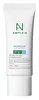
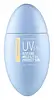
AMPLE:N Hyaluron Shot Sun Care SPF 50+ / PA++++ IRF 20 Versus Neogen Sur.Medic Azulene Mild 5.5 UV Protect Sun
This hybrid sunscreen covers the full UV range and blocks ~98% of UVB at SPF 50.
This chemical sunscreen covers the full UV range, though its SPF isn't confirmed on file yet.

What's inside
What's inside
 Key Ingredients
Benefits
Concerns
Ingredients Side-by-side
Water
Skin ConditioningEthylhexyl Methoxycinnamate
UV Absorber


Alcohol
Antimicrobial



Butylene Glycol
Humectant

C12-15 Alkyl Benzoate
AntimicrobialTitanium Dioxide
Cosmetic Colorant
Dicaprylyl Carbonate
EmollientDiethylamino Hydroxybenzoyl Hexyl Benzoate
UV Filter
Bis-Ethylhexyloxyphenol Methoxyphenyl Triazine
UV Absorber
Propanediol
Solvent
Cyclopentasiloxane
Emollient
Dimethicone
Emollient
Hydroxyethyl Acrylate/Sodium Acryloyldimethyl Taurate Copolymer
Emulsion StabilisingPhyllostachys Nigra Leaf Extract
Skin ConditioningPolymethyl Methacrylate

Phenoxyethanol
Preservative
Dimethicone Crosspolymer
Emulsion Stabilising
Aluminum Hydroxide
EmollientC14-22 Alcohols
Emulsion Stabilising
Polyacrylate-13
Polyhydroxystearic Acid
Emulsifying
Stearic Acid
Cleansing
PEG-100 Stearate
Surfactant
Glycerin
Humectant
Polyisobutene
C12-20 Alkyl Glucoside
EmulsifyingEthylhexylglycerin
Skin ConditioningOctyldodecanol
Emollient
Disodium EDTA
ChelatingCitrus Aurantium Bergamia Fruit Oil
Masking


Citrus Grandis Peel Oil
Masking
Polysorbate 20
Emulsifying
Hydrogenated Lecithin
Emulsifying
Sodium Hyaluronate
Humectant


Ceramide NP
Skin Conditioning

Zinc Oxide
Cosmetic Colorant
Xylitylglucoside
Humectant
Lavandula Hybrida Oil
Emollient
Lavandula Angustifolia Oil
Masking
Pelargonium Graveolens Flower Oil
Masking
Anhydroxylitol
Humectant
Citrus Unshiu Peel Extract
MaskingWater, Ethylhexyl Methoxycinnamate, Alcohol, Butylene Glycol, C12-15 Alkyl Benzoate, Titanium Dioxide, Dicaprylyl Carbonate, Diethylamino Hydroxybenzoyl Hexyl Benzoate, Bis-Ethylhexyloxyphenol Methoxyphenyl Triazine, Propanediol, Cyclopentasiloxane, Dimethicone, Hydroxyethyl Acrylate/Sodium Acryloyldimethyl Taurate Copolymer, Phyllostachys Nigra Leaf Extract, Polymethyl Methacrylate, Phenoxyethanol, Dimethicone Crosspolymer, Aluminum Hydroxide, C14-22 Alcohols, Polyacrylate-13, Polyhydroxystearic Acid, Stearic Acid, PEG-100 Stearate, Glycerin, Polyisobutene, C12-20 Alkyl Glucoside, Ethylhexylglycerin, Octyldodecanol, Disodium EDTA, Citrus Aurantium Bergamia Fruit Oil, Citrus Grandis Peel Oil, Polysorbate 20, Hydrogenated Lecithin, Sodium Hyaluronate, Ceramide NP, Zinc Oxide, Xylitylglucoside, Lavandula Hybrida Oil, Lavandula Angustifolia Oil, Pelargonium Graveolens Flower Oil, Anhydroxylitol, Citrus Unshiu Peel Extract
Water
Skin ConditioningDibutyl Adipate
EmollientDiethylamino Hydroxybenzoyl Hexyl Benzoate
UV Filter
Ethylhexyl Triazone
UV Absorber
Methylpropanediol
SolventButyloctyl Salicylate
Skin Conditioning
Dicaprylyl Carbonate
EmollientPropanediol
Solvent
Bis-Ethylhexyloxyphenol Methoxyphenyl Triazine
UV Absorber
Niacinamide
Smoothing





C20-22 Alkyl Phosphate
EmulsifyingCetearyl Alcohol
Emollient

C20-22 Alcohols
Emulsion Stabilising
Butylene Glycol
Humectant
1,2-Hexanediol
Skin Conditioning
Pentylene Glycol
Skin Conditioning
Guaiazulene
Antimicrobial
Behenyl Alcohol
Emollient
Glyceryl Stearate
Emollient
Alcohol
Antimicrobial
Polyacrylate Crosspolymer-6
Emulsion StabilisingTromethamine
BufferingAmmonium Acryloyldimethyltaurate/Vp Copolymer
Sodium Acrylate/Sodium Acryloyldimethyl Taurate Copolymer
Emulsion StabilisingPolyisobutene
Ethylhexylglycerin
Skin ConditioningAdenosine
Skin Conditioning
Caprylyl/Capryl Glucoside
CleansingSorbitan Oleate
Emulsifying
T-Butyl Alcohol
Perfuming
Tocopherol
Antioxidant

Glycerin
Humectant
Panthenol
Skin Conditioning
Arbutin
Antioxidant
Mentha Piperita Oil
Masking
Hydrogenated Lecithin
Emulsifying
Stearic Acid
Cleansing
Bifida Ferment Lysate
Skin Conditioning
Centella Asiatica Extract
Cleansing
Prunus Serrulata Flower Extract
Skin ConditioningMoringa Oleifera Seed Extract
Skin Conditioning
Lavandula Angustifolia Flower Extract
Cleansing
Calendula Officinalis Flower Extract
Masking
Terminalia Ferdinandiana Fruit Extract
Antioxidant
Camellia Sinensis Leaf Extract
Antimicrobial
Portulaca Oleracea Extract
Skin Conditioning
Brassica Oleracea Italica Extract
AstringentCeramide NP
Skin Conditioning
Potassium Sorbate
Preservative
Hydroxypropyl Cyclodextrin
MaskingCeramide Ns
Skin Conditioning
Phytosphingosine
Skin Conditioning
Cholesterol
Emollient
Hyaluronic Acid
Humectant
Ceramide As
Skin Conditioning
Ceramide AP
Skin Conditioning
Glutathione
Disodium EDTA
ChelatingHydrolyzed Hyaluronic Acid
Humectant
Sodium Hyaluronate
Humectant
Ceramide EOP
Skin Conditioning
Parfum
Masking
Water, Dibutyl Adipate, Diethylamino Hydroxybenzoyl Hexyl Benzoate, Ethylhexyl Triazone, Methylpropanediol, Butyloctyl Salicylate, Dicaprylyl Carbonate, Propanediol, Bis-Ethylhexyloxyphenol Methoxyphenyl Triazine, Niacinamide, C20-22 Alkyl Phosphate, Cetearyl Alcohol, C20-22 Alcohols, Butylene Glycol, 1,2-Hexanediol, Pentylene Glycol, Guaiazulene, Behenyl Alcohol, Glyceryl Stearate, Alcohol, Polyacrylate Crosspolymer-6, Tromethamine, Ammonium Acryloyldimethyltaurate/Vp Copolymer, Sodium Acrylate/Sodium Acryloyldimethyl Taurate Copolymer, Polyisobutene, Ethylhexylglycerin, Adenosine, Caprylyl/Capryl Glucoside, Sorbitan Oleate, T-Butyl Alcohol, Tocopherol, Glycerin, Panthenol, Arbutin, Mentha Piperita Oil, Hydrogenated Lecithin, Stearic Acid, Bifida Ferment Lysate, Centella Asiatica Extract, Prunus Serrulata Flower Extract, Moringa Oleifera Seed Extract, Lavandula Angustifolia Flower Extract, Calendula Officinalis Flower Extract, Terminalia Ferdinandiana Fruit Extract, Camellia Sinensis Leaf Extract, Portulaca Oleracea Extract, Brassica Oleracea Italica Extract, Ceramide NP, Potassium Sorbate, Hydroxypropyl Cyclodextrin, Ceramide Ns, Phytosphingosine, Cholesterol, Hyaluronic Acid, Ceramide As, Ceramide AP, Glutathione, Disodium EDTA, Hydrolyzed Hyaluronic Acid, Sodium Hyaluronate, Ceramide EOP, Parfum
Ingredients Explained
These ingredients are found in both products.
Ingredients higher up in an ingredient list are typically present in a larger amount.
This ingredient is also called ethanol or ethyl alcohol. It is denatured, meaning made undrinkable for cosmetic use.
In formulas, it:
Is it bad for your skin?
The answer comes down to concentration. Patch and wash studies have found highly concentrated alcohol-based hand rubs (60-100%) cause less barrier disruption than washing with a basic detergent like SLS. The only measurable effect in these studies was a temporary dip in skin hydration.
Concentrations below 12-15% in leave-on cosmetics is generally well-tolerated. Concentrations above start to see increased transepidermal water loss (TEWL) and reduced hydration.
In concentrations about 58%, it creates temporary channels in your skin's lipid layers to become more permeable and allow other ingredients to slip through easily.
This ingredient can be up to 80% of the formula in alcohol-based perfumes.
Overall, this ingredient is probably harmless if found lower down an ingredients list but worth side-eyeing if it's high up (especially if your barrier is already struggling).
Alcohol can worsen dry skin, eczema, and oily skin, especially at higher concentrations. This is because it can increase transepidermal water loss and decrease hydration to disrupt the skin barrier.
According to the National Rosacea Society based in the US, you should be mindful of products with these alcohols in the top half of ingredients.
True allergic contact dermatitis to ethanol is uncommon, but be sure to patch test if you have dry or sensitive skin.
Learn more about AlcoholThis ingredient is better known as bemotrizinol or Tinosorb S and is one of the best broad-spectrum UV filters in modern sunscreen.
It works by absorbing UV light across a whole range (280-400 nm) with peaks around 310 nm (UVB) and 340-345 nm (UVA). This means it covers UVB plus the deeper UVA wavelengths that drive photoaging and pigmentation.
Another pro?
It's exceptionally photostable, barely degrades in sunlight, and acts as a "bodyguard" for less stable filters.
That's why you'll see it paired with avobenzone or octinoxate; this team up ensures they keep working through sun exposure.
Safety reviews have been reassuring across the board. This ingredient shows low absorption through the skin, rarely irritates, and lab studies found it doesn't act like a hormone in the body (a concern that's been raised about some older sunscreen filters).
On maximum concentrations:
In 2026, the US F.D.A finally added it as an OTC sunscreen ingredient at concentrations up to 6% for adults / children 6 months and older
Learn more about Bis-Ethylhexyloxyphenol Methoxyphenyl TriazineButylene Glycol (or BG) is used within cosmetic products for a few different reasons:
Overall, Butylene Glycol is a safe and well-rounded ingredient that works well with other ingredients.
Though this ingredient works well with most skin types, some people with sensitive skin may experience a reaction such as allergic rashes, closed comedones, or itchiness.
Learn more about Butylene GlycolCeramide NP (formerly known as Ceramide 3) is one of the skin's naturally occurring lipids.
Since ceramides are the major lipid components of the skin, they are crucial for maintaining skin barrier and hydration. Ceramide NP most closely mirrors the dominant kind in human skin amongst ceramide subtypes.
This ceramide works by slotting into gaps within the stratum corneum's lipid matrix to limit trans-epidermal water loss (TEWL) and shield the skin against external irritants.
A study with 312 patients found that using a ceramide-containing routine for 4 weeks reduced the severity of atopic dermatitis by over 61%.
Another clinical study in subjects aged 60 and older found that a ceramide body wash and moisturizer improved skin dryness and itchy skin in 15 days.
Overall, ceramides are considered non-irritating and safety tests have found little to no observable adverse effects from using this ingredient.
Ceramide NP is usually sourced from plants (like soybean or rice bran), or produced synthetically.
Learn more about Ceramide NPDicaprylyl Carbonate comes from carbonic acid and caprylyl alcohol, a fatty alcohol. It is an emollient and gives skin a velvet feel. The sources of Dicaprylyl Carbonate may be synthetic or from animals.
As an emollient, Dicaprylyl Carbonate creates a film on the skin. This film traps moisture in, keeping your skin soft and hydrated.
Diethylamino Hydroxybenzoyl Hexyl Benzoate (DHHB) is a chemical UV-A absorber. It is formulated for high UVA protection (320-400 nm).
DHHB is well-liked for:
DHHB has been approved by the EU, Japan, Taiwan, and South America for use up to 10%. Unfortunately, it has not been approved for use in the US or Canada due to slow regulatory processes.
This ingredient is soluble in oils, fats, and lipids.
Learn more about Diethylamino Hydroxybenzoyl Hexyl BenzoateDisodium EDTA is a chelating agent. It grabs onto and deactivates metal ions that sneak into your products from water, packaging, or air.
This ingredient mainly works behind the scenes and helps with:
On top of that, this ingredient can counteract the effects of hard water by binding to the minerals in it.
One thing worth knowing is that Disodium EDTA has been shown to be a mild penetration enhancer. It can help other ingredients absorb into skin more effectively which can be a double-edged sword (great for actives, but can also make the active too strong if you have sensitive skin).
Clinical patch testing showed no significant skin irritation at typical use concentrations and minimal dermal absorption.
You'll most likely see this ingredient near the end of an ingredient list. It's typically found in concentrations less than 1%.
Learn more about Disodium EDTAEthylhexylglycerin is created from glycerin. It is a multitasker ingredient that:
The CIR Expert Panel found minimal skin absorption or sensitization of any kind in a safety assessment. Though this ingredient is considered well-tolerated, a small number of cases of allergic dermatitis have been published since 2002. Just be sure to patch test if you are unsure.
Industry-reported use ranges from 8% in rinse-off products and 2% in leave-on formulations.
Learn more about EthylhexylglycerinGlycerin (or glycerol) is a compound naturally found in your skin. It's a powerhouse humectant that pulls water into the stratum corneum.
Topically, glycerin does several things at once:
Your skin makes glycerin on its own (mostly from sebaceous oil breakdown) and shuttles it to your outermost layer of skin, or your epidermis, via aquaporin-3.
Aquaporin-3 is a transporter that is essential for normal skin hydration, elasticity, and repair. Interestingly, mice lacking in AQP3 have dry and less elastic skin that can be fully corrected with glycerin.
This ingredient is non-irritating, plays well with almost every ingredient, and works across all skin types. Typical use is anywhere between 3-10% but can go up to 79% in some leave-on products.
Just know very high concentrations (>40%) can feel tacky in low humidity.
Glycerin is the name for this ingredient in American English. British English uses Glycerol/Glycerine.
Learn more about GlycerinHydrogenated Lecithin is a more stable version of lecithin.
It's made by taking lecithin (a phospholipid commonly found in soybeans and egg yolks) and hydrogenating it. This just means the unsaturated fatty acids are turned into saturated ones so they don't go bad as easily.
This ingredient is an emollient, emulsifier, and penetration enhancer. As an emollient, it helps soften and hydrate skin by trapping moisture within. As an emulsifier, it prevents oil and water ingredients from separating.
Hydrogenated Lecithin can form tiny spherical structures made of phospholipid bilayers called liposomes. These liposomes are able to capture compounds inside their structure and deliver them through the skin barrier.
Because phospholipids are a natural component of our cell membranes, this ingredient is inherently compatible with skin.
A 2021 study found lecithin-based surfactants were less harsh and more tolerable comared to Sodium Lauryl Sulfate (SLS).
Learn more about Hydrogenated LecithinPolyisobutene is a synthetic polymer made from isobutene.
It is a film-forming agent and helps bind ingredients together.
Polyisobutene is not absorbed by the skin.
Learn more about PolyisobutenePropanediol is an all-star ingredient. It softens, hydrates, and smooths the skin.
It’s often used to:
Propanediol is not likely to cause sensitivity and considered safe to use. It is derived from corn or petroleum with a clear color and no scent.
Learn more about PropanediolSodium Hyaluronate is the salt form of hyaluronic acid. It is a long sugar chain that is naturally found in your skin, joints, and connective tissue that maintains hydration and elasticity.
In skincare, it works as a humectant. It pulls water from the environment and deeper layers of skin and binds it to the surface.
Interestingly, the size of the molecule affects its behavior:
Some clinical evidence links low molecular weight versions to improved wrinkle depth, elasticity, anti-inflammatory effects, and barrier repair.
Many serums use a blend of both weights so you can get surface hydration plus longer-lasting and deeper effects.
You'll typically see concentrations between 0.1-2% for this ingredient.
Learn more about Sodium HyaluronateStearic Acid is a fatty acid that is already found in your skin. It's one of the free fatty acids that works alongside ceramides and cholesterols to maintain your barrier.
In cosmetics, it is a multitasker:
Safety-wise, the CIR Expert Panel has concluded it to be safe in cosmetics when formulated to be non-irritating and non-sensitizing.
Free stearic acid is a C18 fatty acid that the Malassezia yeast can substrate, so this ingredient may not be fungal acne safe.
This ingredient does have a comedogenic rating of 2-3, but this doesn't mean a formula with this ingredient will clog pores.
Human testing has proved that any finished product with this ingredient won't automatically make you break out; it really comes down to concentration, formula, and your skin.
Learn more about Stearic AcidWater. It's the most common cosmetic ingredient of all. You'll usually see it at the top of ingredient lists, meaning that it makes up the largest part of the product.
So why is it so popular? Water most often acts as a solvent - this means that it helps dissolve other ingredients into the formulation.
You'll also recognize water as that liquid we all need to stay alive. If you see this, drink a glass of water. Remember to stay hydrated!
Learn more about Water

