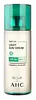
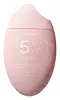
AHC Beauty Safe On Light Sun Serum SPF50+ PA++++ Versus Fairy Skin Premium Brightening Sunscreen SPF50 PA+++
This chemical sunscreen covers the full UV range and blocks ~98% of UVB at SPF 50.
This hybrid sunscreen covers the full UV range and blocks ~98% of UVB at SPF 50.


What's inside
What's inside
 Key Ingredients
Benefits
Concerns
Ingredients Side-by-side
Water
Skin ConditioningDibutyl Adipate
EmollientDiethylamino Hydroxybenzoyl Hexyl Benzoate
UV Filter
Bis-Ethylhexyloxyphenol Methoxyphenyl Triazine
UV Absorber
Alcohol Denat.
Antimicrobial




Niacinamide
Smoothing











Butyloctyl Salicylate
Skin Conditioning
Ethylhexyl Triazone
UV Absorber
Butylene Glycol
Humectant
Eclipta Prostrata Extract
Skin Conditioning
Melia Azadirachta Leaf Extract
Skin ConditioningMoringa Oleifera Seed Oil
Emollient


Peucedanum Graveolens Extract
TonicCitrus Aurantium Bergamia Fruit Oil
Masking

Hibiscus Abelmoschus Seed Extract
Masking
Thymus Serpyllum Extract
Skin ConditioningAchillea Millefolium Extract
CleansingAlpha-Arbutin
Antioxidant

Crithmum Maritimum Callus Culture Filtrate
Skin ProtectingPhyllanthus Emblica Fruit Extract
HumectantCamellia Sinensis Seed Oil
Humectant
Caesalpinia Spinosa Fruit Extract
Skin ProtectingXylitylglucoside
Humectant
Gossypium Herbaceum Extract
Skin ConditioningKappaphycus Alvarezii Extract
Skin Conditioning
Xylitol
Humectant
Yeast Ferment Extract
Skin ConditioningCichorium Intybus Root Extract
MaskingVanilla Tahitensis Fruit Extract
Skin ConditioningOrthosiphon Stamineus Extract
Skin ConditioningThermus Thermophillus Ferment
Skin ConditioningCandida Bombicola/Glucose/Methyl Rapeseedate Ferment
AntimicrobialMentha Suaveolens Leaf Extract
AstringentCamellia Sinensis Leaf Extract
Antimicrobial
Thymus Vulgaris Leaf Extract
Skin ProtectingImperata Cylindrica Root Extract
Skin ConditioningCalamine
AbsorbentChlorella Ferment
Skin Conditioning
Hydrolyzed Hyaluronic Acid
Humectant
Opuntia Ficus-Indica Stem Extract
Skin Conditioning
Panax Ginseng Root Extract
Emollient
Perilla Frutescens Extract
Skin ConditioningAdansonia Digitata Seed Extract
Skin ConditioningAdenium Obesum Leaf Cell Extract
MaskingEugenia Caryophyllus Bud Extract
Perfuming
Solidago Virgaurea Extract
Skin ConditioningSoluble Collagen
Humectant
Caprylyl Methicone
Skin Conditioning
Hexyl Laurate
Emollient
Isoamyl P-Methoxycinnamate
UV Absorber
Polysilicone-15
UV Filter
1,2-Hexanediol
Skin Conditioning
Pentylene Glycol
Skin Conditioning
Sodium Acrylates Crosspolymer-2
AbsorbentPolymethylsilsesquioxane
Silica
Abrasive
Dibutyl Lauroyl Glutamide
Skin ConditioningHydroxyethyl Urea
Humectant
Isopropyl Myristate
Emollient
Sodium Polyacryloyldimethyl Taurate
Emulsion StabilisingDibutyl Ethylhexanoyl Glutamide
Skin ConditioningHydroxyacetophenone
Antioxidant
C30-45 Alkyldimethylsilyl Polypropylsilsesquioxane
Trehalose
Humectant
Ammonium Acryloyldimethyltaurate/Vp Copolymer
Adenosine
Skin Conditioning
Propanediol
Solvent
Allantoin
Skin Conditioning
Biosaccharide Gum-1
Humectant
Albatrellus Confluens Extract
Humectant
Ethylhexylglycerin
Skin ConditioningCitric Acid
Buffering
Glycerin
Humectant
Ascorbic Acid
Antioxidant
Madecassoside
Antioxidant
Ectoin
Skin Conditioning
Glutathione
Hydroxystearic Acid
Cleansing
Panthenol
Skin Conditioning
Phenylethyl Resorcinol
Antioxidant
Tranexamic Acid
Astringent
Palmitoyl Glycine
CleansingEllagic Acid
Skin Conditioning
4-T-Butylcyclohexanol
Masking
Anhydroxylitol
Humectant
Lactic Acid/Glycolic Acid Copolymer
Skin ConditioningCaprylic/Capric Triglyceride
Masking
C12-15 Alkyl Benzoate
AntimicrobialDipotassium Phosphate
BufferingAcetyl Glutamine
Skin ConditioningCerium Oxide
Hydrogen Dimethicone
Triethoxycaprylylsilane
Hydrogenated Lecithin
Emulsifying
Hydroxyphenyl Propamidobenzoic Acid
Skin ConditioningBiosaccharide Gum-4
Skin Conditioning
Ceramide NP
Skin Conditioning
Maltodextrin
Absorbent
Gluconolactone
Chelating
Polyhydroxystearic Acid
Emulsifying
Caprylyl Glycol
Emollient
Ascorbyl Palmitate
Antioxidant
Cellulose Gum
Emulsion StabilisingCalcium Gluconate
HumectantSodium Stearoyl Glutamate
CleansingDisodium EDTA
ChelatingXanthan Gum
EmulsifyingSodium Benzoate
Masking
Mica
Cosmetic ColorantWater, Dibutyl Adipate, Diethylamino Hydroxybenzoyl Hexyl Benzoate, Bis-Ethylhexyloxyphenol Methoxyphenyl Triazine, Alcohol Denat., Niacinamide, Butyloctyl Salicylate, Ethylhexyl Triazone, Butylene Glycol, Eclipta Prostrata Extract, Melia Azadirachta Leaf Extract, Moringa Oleifera Seed Oil, Peucedanum Graveolens Extract, Citrus Aurantium Bergamia Fruit Oil, Hibiscus Abelmoschus Seed Extract, Thymus Serpyllum Extract, Achillea Millefolium Extract, Alpha-Arbutin, Crithmum Maritimum Callus Culture Filtrate, Phyllanthus Emblica Fruit Extract, Camellia Sinensis Seed Oil, Caesalpinia Spinosa Fruit Extract, Xylitylglucoside, Gossypium Herbaceum Extract, Kappaphycus Alvarezii Extract, Xylitol, Yeast Ferment Extract, Cichorium Intybus Root Extract, Vanilla Tahitensis Fruit Extract, Orthosiphon Stamineus Extract, Thermus Thermophillus Ferment, Candida Bombicola/Glucose/Methyl Rapeseedate Ferment, Mentha Suaveolens Leaf Extract, Camellia Sinensis Leaf Extract, Thymus Vulgaris Leaf Extract, Imperata Cylindrica Root Extract, Calamine, Chlorella Ferment, Hydrolyzed Hyaluronic Acid, Opuntia Ficus-Indica Stem Extract, Panax Ginseng Root Extract, Perilla Frutescens Extract, Adansonia Digitata Seed Extract, Adenium Obesum Leaf Cell Extract, Eugenia Caryophyllus Bud Extract, Solidago Virgaurea Extract, Soluble Collagen, Caprylyl Methicone, Hexyl Laurate, Isoamyl P-Methoxycinnamate, Polysilicone-15, 1,2-Hexanediol, Pentylene Glycol, Sodium Acrylates Crosspolymer-2, Polymethylsilsesquioxane, Silica, Dibutyl Lauroyl Glutamide, Hydroxyethyl Urea, Isopropyl Myristate, Sodium Polyacryloyldimethyl Taurate, Dibutyl Ethylhexanoyl Glutamide, Hydroxyacetophenone, C30-45 Alkyldimethylsilyl Polypropylsilsesquioxane, Trehalose, Ammonium Acryloyldimethyltaurate/Vp Copolymer, Adenosine, Propanediol, Allantoin, Biosaccharide Gum-1, Albatrellus Confluens Extract, Ethylhexylglycerin, Citric Acid, Glycerin, Ascorbic Acid, Madecassoside, Ectoin, Glutathione, Hydroxystearic Acid, Panthenol, Phenylethyl Resorcinol, Tranexamic Acid, Palmitoyl Glycine, Ellagic Acid, 4-T-Butylcyclohexanol, Anhydroxylitol, Lactic Acid/Glycolic Acid Copolymer, Caprylic/Capric Triglyceride, C12-15 Alkyl Benzoate, Dipotassium Phosphate, Acetyl Glutamine, Cerium Oxide, Hydrogen Dimethicone, Triethoxycaprylylsilane, Hydrogenated Lecithin, Hydroxyphenyl Propamidobenzoic Acid, Biosaccharide Gum-4, Ceramide NP, Maltodextrin, Gluconolactone, Polyhydroxystearic Acid, Caprylyl Glycol, Ascorbyl Palmitate, Cellulose Gum, Calcium Gluconate, Sodium Stearoyl Glutamate, Disodium EDTA, Xanthan Gum, Sodium Benzoate, Mica
Water
Skin ConditioningEthylhexyl Methoxycinnamate
UV Absorber
Octocrylene
UV Absorber
Butyl Methoxydibenzoylmethane
UV Absorber
Bis-Ethylhexyloxyphenol Methoxyphenyl Triazine
UV Absorber
Titanium Dioxide
Cosmetic Colorant
Zinc Oxide
Cosmetic Colorant
Bifida Ferment Lysate
Skin Conditioning
Niacinamide
Smoothing
Pentylene Glycol
Skin Conditioning
Glycerin
Humectant
Phenoxyethanol
Preservative
Ethylhexylglycerin
Skin ConditioningButylene Glycol
Humectant
Centella Asiatica Leaf Extract
Skin Conditioning
Polygonum Cuspidatum Root Extract
Antioxidant
Scutellaria Baicalensis Root Extract
Astringent
Camellia Sinensis Leaf Extract
Antimicrobial
Glycyrrhiza Glabra Root Extract
Bleaching
Chamomilla Recutita Flower Extract
Masking
Rosmarinus Officinalis Leaf Extract
AntimicrobialSodium Polyacrylate
Absorbent
Caprylic/Capric Triglyceride
Masking
Paraffinum Liquidum
Emollient
Tri-PPG-3 Myristyl Ether Citrate
Skin ConditioningSorbitan Laurate
Emulsifying
Trideceth-6
EmulsifyingMagnolia Kobus Bark Extract
Skin ConditioningCaprylic/Capric/Succinic Triglyceride
EmollientWater, Ethylhexyl Methoxycinnamate, Octocrylene, Butyl Methoxydibenzoylmethane, Bis-Ethylhexyloxyphenol Methoxyphenyl Triazine, Titanium Dioxide, Zinc Oxide, Bifida Ferment Lysate, Niacinamide, Pentylene Glycol, Glycerin, Phenoxyethanol, Ethylhexylglycerin, Butylene Glycol, Centella Asiatica Leaf Extract, Polygonum Cuspidatum Root Extract, Scutellaria Baicalensis Root Extract, Camellia Sinensis Leaf Extract, Glycyrrhiza Glabra Root Extract, Chamomilla Recutita Flower Extract, Rosmarinus Officinalis Leaf Extract, Sodium Polyacrylate, Caprylic/Capric Triglyceride, Paraffinum Liquidum, Tri-PPG-3 Myristyl Ether Citrate, Sorbitan Laurate, Trideceth-6, Magnolia Kobus Bark Extract, Caprylic/Capric/Succinic Triglyceride
Reviews
Ingredients Explained
These ingredients are found in both products.
Ingredients higher up in an ingredient list are typically present in a larger amount.
This ingredient is better known as bemotrizinol or Tinosorb S and is one of the best broad-spectrum UV filters in modern sunscreen.
It works by absorbing UV light across a whole range (280-400 nm) with peaks around 310 nm (UVB) and 340-345 nm (UVA). This means it covers UVB plus the deeper UVA wavelengths that drive photoaging and pigmentation.
Another pro?
It's exceptionally photostable, barely degrades in sunlight, and acts as a "bodyguard" for less stable filters.
That's why you'll see it paired with avobenzone or octinoxate; this team up ensures they keep working through sun exposure.
Safety reviews have been reassuring across the board. This ingredient shows low absorption through the skin, rarely irritates, and lab studies found it doesn't act like a hormone in the body (a concern that's been raised about some older sunscreen filters).
On maximum concentrations:
In 2026, the US F.D.A finally added it as an OTC sunscreen ingredient at concentrations up to 6% for adults / children 6 months and older
Learn more about Bis-Ethylhexyloxyphenol Methoxyphenyl TriazineButylene Glycol (or BG) is used within cosmetic products for a few different reasons:
Overall, Butylene Glycol is a safe and well-rounded ingredient that works well with other ingredients.
Though this ingredient works well with most skin types, some people with sensitive skin may experience a reaction such as allergic rashes, closed comedones, or itchiness.
Learn more about Butylene GlycolCamellia Sinensis Leaf Extract (tea extract) is one of the most well-researched plant extracts in skincare with an impressive resume.
Black tea, green tea, and oolong tea are all harvested from the Camellia Sinensis plant.
Studies show green tea extract and its catechins (like epigallocatechin gallate (EGCG)) help your skin cells product energy more efficiently and reducing the number of free-radicals that can damage your skin from the inside.
In lab-grown skin models, this translated to younger, healthier, and stronger skin.
There's also good sun protection data; researchers saw less DNA damage and redness on human skin when green tea was applied before UVB exposure. And the more they applied, the better the protection.
Needless to say, this ingredient shouldn't replace your sunscreen. But it is a great supportive ingredient that you can already find in many sunscreens and antioxidant serums.
A 2009 study found a 2% green tea lotion was effective for mild-to-moderate acne thanks to its anti-inflammatory and mild antimicrobial activity.
The quality of the extract matters a lot here:
Good extracts contain 50-90% catechins while lower quality ones are mostly there for marketing. We recommend reaching out to the brand if you have questions about the quality or source of their ingredients.
Human Repeated Insult Patch Testing showed no irritation or sensitization at use concentrations (0.86% in leave-on products and up to 30% as leaf water).
Learn more about Camellia Sinensis Leaf ExtractCaprylic/Capric Triglyceride (aka MCT Oil) is a lightweight emollient, solvent, and texture enhancer. It is considered a skin-softener by helping to prevent moisture loss.
Though it behaves like an oil, it is not technically one due to its chemical composition. One perk of this ingredient is that it is very stable, resistant to oxidation, and unlikely to go rancid.
In practice, that translates to a long shelf life and a consistently elegant skin feel.
While there is an assumption Caprylic Triglyceride can clog pores due to it being derived from coconut oil, there is no research supporting this. Just patch test if you have concerns.
Fractionated coconut oil and MCT Oil are both listed as Caprylic/Capric Triglyceride according to INCI. This is because INCI names are based on the ingredient’s final chemical composition and not its marketing name or source.
This ingredient is treated as the gold standard fungal acne safe oil. Even though it is coconut derived, the problematic lauric acid is stripped out.
This leaves just caprylic (C8) and capric (C10) acid. These chain lengths actually trend antifungal; a 2020 study found caprylic acid was enough to disrupt Malassezia furfur cell membrane, with a caprylic acid derivative damaging membrane structures at concentrations as low as 0.2%.
Learn more about Caprylic/Capric TriglycerideEthylhexylglycerin is created from glycerin. It is a multitasker ingredient that:
The CIR Expert Panel found minimal skin absorption or sensitization of any kind in a safety assessment. Though this ingredient is considered well-tolerated, a small number of cases of allergic dermatitis have been published since 2002. Just be sure to patch test if you are unsure.
Industry-reported use ranges from 8% in rinse-off products and 2% in leave-on formulations.
Learn more about EthylhexylglycerinGlycerin (or glycerol) is a compound naturally found in your skin. It's a powerhouse humectant that pulls water into the stratum corneum.
Topically, glycerin does several things at once:
Your skin makes glycerin on its own (mostly from sebaceous oil breakdown) and shuttles it to your outermost layer of skin, or your epidermis, via aquaporin-3.
Aquaporin-3 is a transporter that is essential for normal skin hydration, elasticity, and repair. Interestingly, mice lacking in AQP3 have dry and less elastic skin that can be fully corrected with glycerin.
This ingredient is non-irritating, plays well with almost every ingredient, and works across all skin types. Typical use is anywhere between 3-10% but can go up to 79% in some leave-on products.
Just know very high concentrations (>40%) can feel tacky in low humidity.
Glycerin is the name for this ingredient in American English. British English uses Glycerol/Glycerine.
Learn more about GlycerinNiacinamide is a multitasking form of vitamin B3 that strengthens the skin barrier, reduces pores and dark spots, regulates oil, and improves signs of aging.
And the best part? It's gentle and well-tolerated by most skin types, including sensitive and reactive skin.
You might have heard of "niacin flush", or the reddening of skin that causes itchiness. Niacinamide has not been found to cause this.
In very rare cases, some individuals may not be able to tolerate niacinamide at all or experience an allergic reaction to it.
If you are experiencing flaking, irritation, and dryness with this ingredient, be sure to double check all your products as this ingredient can be found in all categories of skincare.
When incorporating niacinamide into your routine, look out for concentration amounts. Typically, 5% niacinamide provides benefits such as fading dark spots. However, if you have sensitive skin, it is better to begin with a smaller concentration.
When you apply niacinamide to your skin, your body converts it into nicotinamide adenine dinucleotide (NAD). NAD is an essential coenzyme that is already found in your cells as "fuel" and powers countless biological processes.
In your skin, NAD helps repair cell damage, produce new healthy cells, support collagen production, strengthen the skin barrier, and fight environmental stressors (like UV and pollution).
Our natural NAD levels start to decline with age, leading to slower skin repair, visible aging, and a weaker skin barrier. By providing your skin niacinamide, you're recharging your skin's NAD levels. This leads to stronger, healthier, and younger looking skin.
Another name for vitamin B3 is nicotinamide. This vitamin is water-soluble and our bodies don't store it. We obtain Vitamin B3 from either food or skincare. Meat, fish, wheat, yeast, and leafy greens contain vitamin B3.
The type of niacinamide used in skincare is synthetically created.
Learn more about NiacinamidePentylene Glycol (1,2-pentanediol) is a multitasking little diol with three main roles in a formula:
Research on alkanediols (the family pentylene glycol belongs to) show they work by disrupting microbial cell membranes. This disruption helps the primary preservative system in a product work more effectively at lower doses.
On the safety side, the Cosmetic Ingredient Review Expert Panel has concluded this ingredient to be safe as used in current cosmetic practices + concentrations.
Typical use levels in a formula run about 1-5%.
Learn more about Pentylene GlycolWater. It's the most common cosmetic ingredient of all. You'll usually see it at the top of ingredient lists, meaning that it makes up the largest part of the product.
So why is it so popular? Water most often acts as a solvent - this means that it helps dissolve other ingredients into the formulation.
You'll also recognize water as that liquid we all need to stay alive. If you see this, drink a glass of water. Remember to stay hydrated!
Learn more about Water

