
What's inside
What's inside
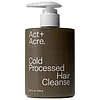 Key Ingredients
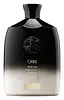
No key ingredients
Benefits
Concerns
Ingredients Side-by-side
Water
Skin ConditioningSodium Lauroyl Methyl Isethionate
CleansingSodium Cocoyl Apple Amino Acids
Foam Boosting
Triethyl Citrate
Masking

Sorbitan Oleate Decylglucoside Crosspolymer
CleansingHydroxypropyl Starch Phosphate
Lauramidopropyl Betaine
CleansingGlycerin
Humectant


Acrylates Copolymer
Acrylates/Beheneth-25 Methacrylate Copolymer
Adansonia Digitata Seed Oil
Emollient


Amaranthus Caudatus Seed Oil
Emollient
Amyris Balsamifera Bark Oil
Masking

Aquilaria Agallocha Wood Oil
Masking
Cananga Odorata Flower Oil
Masking

Caprylyl Glycol
Emollient
Cistus Ladaniferus Leaf/Stem Extract
MaskingCitric Acid
Buffering

Cocamide Mipa
Emulsifying
Dimethylheptenal
Perfuming
Elettaria Cardamomum Seed Oil
Masking
Gamma-Nonalactone
Masking
Glycol Distearate
Emollient
Helianthus Annuus Seed Oil
Emollient
Hexenyl Acetate
Masking
Hexylene Glycol
EmulsifyingIonone
Astringent
Juniperus Virginiana Oil
Masking
Lavandula Angustifolia Oil
Masking
Menthyl Ethylamido Oxalate
Skin ConditioningMoringa Oleifera Seed Oil
Emollient

Panthenol
Skin Conditioning
Phenoxyethanol
Preservative
Pogostemon Cablin Leaf Oil
Masking
Potassium Sorbate
Preservative
Rosmarinus Officinalis Leaf Extract
AntimicrobialSodium Hydroxide
BufferingSodium Lauroamphoacetate
CleansingSteareth-4
EmulsifyingTetrasodium Glutamate Diacetate
ChelatingVanillin
Masking
Viola Odorata Flower/Leaf Extract
MaskingXanthan Gum
EmulsifyingWater, Sodium Lauroyl Methyl Isethionate, Sodium Cocoyl Apple Amino Acids, Triethyl Citrate, Sorbitan Oleate Decylglucoside Crosspolymer, Hydroxypropyl Starch Phosphate, Lauramidopropyl Betaine, Glycerin, Acrylates Copolymer, Acrylates/Beheneth-25 Methacrylate Copolymer, Adansonia Digitata Seed Oil, Amaranthus Caudatus Seed Oil, Amyris Balsamifera Bark Oil, Aquilaria Agallocha Wood Oil, Cananga Odorata Flower Oil, Caprylyl Glycol, Cistus Ladaniferus Leaf/Stem Extract, Citric Acid, Cocamide Mipa, Dimethylheptenal, Elettaria Cardamomum Seed Oil, Gamma-Nonalactone, Glycol Distearate, Helianthus Annuus Seed Oil, Hexenyl Acetate, Hexylene Glycol, Ionone, Juniperus Virginiana Oil, Lavandula Angustifolia Oil, Menthyl Ethylamido Oxalate, Moringa Oleifera Seed Oil, Panthenol, Phenoxyethanol, Pogostemon Cablin Leaf Oil, Potassium Sorbate, Rosmarinus Officinalis Leaf Extract, Sodium Hydroxide, Sodium Lauroamphoacetate, Steareth-4, Tetrasodium Glutamate Diacetate, Vanillin, Viola Odorata Flower/Leaf Extract, Xanthan Gum
Water
Skin ConditioningSodium Lauroyl Methyl Isethionate
CleansingSodium Cocoyl Isethionate
Cleansing
Sodium Lauroyl Sarcosinate
CleansingCocamide Mipa
Emulsifying
Dimethicone
Emollient
Capryloyl/Caproyl Methyl Glucamide
EmulsifyingLauroyl/Myristoyl Methyl Glucamide
EmollientGlycerin
Humectant
Acrylates/Beheneth-25 Methacrylate Copolymer
Coconut Acid
Cleansing
Parfum
Masking
Sodium Lauroyl Lactylate
EmulsifyingSodium Lauroamphoacetate
CleansingAmodimethicone
Pentylene Glycol
Skin Conditioning
Propanediol
Solvent
Sodium Isethionate
CleansingPropylene Glycol
Humectant
Caprylyl Glycol
Emollient
Guar Hydroxypropyltrimonium Chloride
Skin ConditioningHydroxyacetophenone
Antioxidant
Sodium Benzoate
Masking
Trisodium Ethylenediamine Disuccinate
ChelatingPolyquaternium-7
Ethylhexylglycerin
Skin ConditioningDisodium EDTA
ChelatingLaureth-23
Cleansing
Laureth-4
Emulsifying
Panthenol
Skin Conditioning
Cetrimonium Chloride
Antimicrobial
Trideceth-15
EmulsifyingTrideceth-3
EmulsifyingBHT
Antioxidant
Rice Oil Glycereth-8 Esters
Cleansing
Shea Butter Glycereth-8 Esters
Cleansing
Synthetic Fluorphlogopite
Silicone Quaternium-22
Sorbitol
Humectant
Phenoxyethanol
Preservative
Salicylic Acid
Masking





Quaternium-95
UV AbsorberCitric Acid
Buffering
Caffeine
Skin Conditioning
Dipropylene Glycol
HumectantPolyglyceryl-3 Caprate
EmulsifyingButylene Glycol
Humectant
Alcohol
Antimicrobial
Cocamidopropyl Betaine
Cleansing
Acetic Acid
BufferingChondrus Crispus Extract
Skin Conditioning
Citrus Limon Fruit Extract
Masking
Jasminum Officinale Flower Extract
Masking
Passiflora Incarnata Extract
AstringentRibes Nigrum Fruit Extract
Astringent
Cystine Bis-Pg-Propyl Silanetriol
Skin ConditioningHydrolyzed Vegetable Protein Pg-Propyl Silanetriol
Skin ConditioningHydrolyzed Vegetable Protein
Skin ConditioningBromelain
Skin Conditioning
Citrus Aurantium Bergamia Leaf Extract
AstringentLeontopodium Alpinum Extract
Skin ConditioningNiacinamide
Smoothing

Palmitamidopropyltrimonium Chloride
Santalum Album Extract
CleansingAmber Extract
Skin ConditioningCitrullus Lanatus Fruit Extract
Skin Conditioning
Tin Oxide
Abrasive
Potassium Sorbate
Preservative
Vegetable Amino Acids
Skin ConditioningCupressus Sempervirens Seed Extract
Perfuming
Oryza Sativa Seed Protein
Antioxidant
Camellia Sinensis Leaf Extract
Antimicrobial
Leuconostoc/Radish Root Ferment Filtrate
Antimicrobial
Phytic Acid
Chelating
Oryza Sativa Extract
Absorbent
Citrulline
Skin ConditioningGluconolactone
Chelating
Adansonia Digitata Seed Oil
Emollient
Argania Spinosa Kernel Oil
Emollient
Biotin
AntiseborrhoeicButyrospermum Parkii Butter
Skin Conditioning
Litchi Chinensis Pericarp Extract
Skin ConditioningPentaerythrityl Tetra-Di-T-Butyl Hydroxyhydrocinnamate
Antioxidant
Benzyl Alcohol
Perfuming
Calcium Gluconate
HumectantLimonene
Perfuming
Hexyl Cinnamal
Perfuming
Linalool
Perfuming
CI 77891
Cosmetic ColorantWater, Sodium Lauroyl Methyl Isethionate, Sodium Cocoyl Isethionate, Sodium Lauroyl Sarcosinate, Cocamide Mipa, Dimethicone, Capryloyl/Caproyl Methyl Glucamide, Lauroyl/Myristoyl Methyl Glucamide, Glycerin, Acrylates/Beheneth-25 Methacrylate Copolymer, Coconut Acid, Parfum, Sodium Lauroyl Lactylate, Sodium Lauroamphoacetate, Amodimethicone, Pentylene Glycol, Propanediol, Sodium Isethionate, Propylene Glycol, Caprylyl Glycol, Guar Hydroxypropyltrimonium Chloride, Hydroxyacetophenone, Sodium Benzoate, Trisodium Ethylenediamine Disuccinate, Polyquaternium-7, Ethylhexylglycerin, Disodium EDTA, Laureth-23, Laureth-4, Panthenol, Cetrimonium Chloride, Trideceth-15, Trideceth-3, BHT, Rice Oil Glycereth-8 Esters, Shea Butter Glycereth-8 Esters, Synthetic Fluorphlogopite, Silicone Quaternium-22, Sorbitol, Phenoxyethanol, Salicylic Acid, Quaternium-95, Citric Acid, Caffeine, Dipropylene Glycol, Polyglyceryl-3 Caprate, Butylene Glycol, Alcohol, Cocamidopropyl Betaine, Acetic Acid, Chondrus Crispus Extract, Citrus Limon Fruit Extract, Jasminum Officinale Flower Extract, Passiflora Incarnata Extract, Ribes Nigrum Fruit Extract, Cystine Bis-Pg-Propyl Silanetriol, Hydrolyzed Vegetable Protein Pg-Propyl Silanetriol, Hydrolyzed Vegetable Protein, Bromelain, Citrus Aurantium Bergamia Leaf Extract, Leontopodium Alpinum Extract, Niacinamide, Palmitamidopropyltrimonium Chloride, Santalum Album Extract, Amber Extract, Citrullus Lanatus Fruit Extract, Tin Oxide, Potassium Sorbate, Vegetable Amino Acids, Cupressus Sempervirens Seed Extract, Oryza Sativa Seed Protein, Camellia Sinensis Leaf Extract, Leuconostoc/Radish Root Ferment Filtrate, Phytic Acid, Oryza Sativa Extract, Citrulline, Gluconolactone, Adansonia Digitata Seed Oil, Argania Spinosa Kernel Oil, Biotin, Butyrospermum Parkii Butter, Litchi Chinensis Pericarp Extract, Pentaerythrityl Tetra-Di-T-Butyl Hydroxyhydrocinnamate, Benzyl Alcohol, Calcium Gluconate, Limonene, Hexyl Cinnamal, Linalool, CI 77891
Alternatives
Ingredients Explained
These ingredients are found in both products.
Ingredients higher up in an ingredient list are typically present in a larger amount.
We don't have a description for Acrylates/Beheneth-25 Methacrylate Copolymer yet.
This ingredient is also known as Baobab Seed Oil. Like most plant oils, it works by sitting on the skin's surface to slow water loss and keep skin soft.
The fatty acid content of this oil is roughly 25-36% linoleic acid, 20-30% oleic acid, and 25-30% palmitic acid. Plus, it has smaller amounts of stearic and linolenic acid.
Linoleic acid is the most abundant fatty acid naturally found in your epidermis and your skin uses it to build ceramides.
Baobab seed oil also brings some Vitamin E that provides mild antioxidant activity and helps keep the oil itself stable.
An actual human study that ran a 48-hour occlusive patch test found this ingredient caused no significant irritation.
Because this ingredient is full of C16-18 fatty acids that Malassezia feeds on, this ingredient may not be fungal acne safe.
Learn more about Adansonia Digitata Seed OilCaprylyl Glycol is a humectant, skin conditioner, emollient, and preservative booster derived from either caprylic acid or synthetically created.
Typical use levels vary from 0.3-1% as a preservative booster and go up to 2% to condition skin.
Because it is not a free-fatty acid, this ingredient is fungal acne safe (there's nothing for Malassezia to feed on).
Learn more about Caprylyl GlycolCitric Acid is an alpha hydroxy acid (AHA) naturally found in citrus fruits like oranges, lemons, and limes.
Like other AHAs, citric acid can exfoliate skin by breaking down the bonds that hold dead skin cells together. This helps reveal smoother and brighter skin underneath.
However, this exfoliating effect only happens at high concentrations (20%) which can be hard to find in cosmetic products.
Due to this, citric acid is usually included in small amounts as a pH adjuster. This helps keep products slightly more acidic and compatible with skin's natural pH.
In skincare formulas, citric acid can:
While it can provide some skin benefits, research shows lactic acid and glycolic acid are generally more effective and less irritating exfoliants.
Most citric acid used in skincare today is made by fermenting sugars (usually from molasses). This synthetic version is identical to the natural citrus form but easier to stabilize and use in formulations.
Rosacea skin has a lower threshold for acids generally, with 62.5% of rosacea subjects in one study reacting to lactic acid in a sting test. This is why we mark citric acid as a potential rosacea trigger.
However, this ingredient shows up as a pH adjuster or chelator at roughly 0.1-1% in many products. These low levels are unlikely to be an issue for rosacea skin and becomes a potential trigger at exfoliating concentrations (20%). Because everybody's skin is unique, we recommend a patch test if you are unsure.
Learn more about Citric AcidWe don't have a description for Cocamide Mipa yet.
Glycerin (or glycerol) is a compound naturally found in your skin. It's a powerhouse humectant that pulls water into the stratum corneum.
Topically, glycerin does several things at once:
Your skin makes glycerin on its own (mostly from sebaceous oil breakdown) and shuttles it to your outermost layer of skin, or your epidermis, via aquaporin-3.
Aquaporin-3 is a transporter that is essential for normal skin hydration, elasticity, and repair. Interestingly, mice lacking in AQP3 have dry and less elastic skin that can be fully corrected with glycerin.
This ingredient is non-irritating, plays well with almost every ingredient, and works across all skin types. Typical use is anywhere between 3-10% but can go up to 79% in some leave-on products.
Just know very high concentrations (>40%) can feel tacky in low humidity.
Glycerin is the name for this ingredient in American English. British English uses Glycerol/Glycerine.
Learn more about GlycerinPanthenol is a common ingredient that helps hydrate and soothe the skin. It is found naturally in our skin and hair.
There are two forms of panthenol: D and L.
D-panthenol is also known as dexpanthenol. Most cosmetics use dexpanthenol or a mixture of D and L-panthenol.
Panthenol is famous due to its ability to go deeper into the skin's layers. Using this ingredient has numerous pros (and no cons):
Like hyaluronic acid, panthenol is a humectant. Humectants are able to bind and hold large amounts of water to keep skin hydrated.
This ingredient works well for wound healing. It works by increasing tissue in the wound and helps close open wounds.
Once oxidized, panthenol converts to pantothenic acid. Panthothenic acid is found in all living cells.
This ingredient is also referred to as pro-vitamin B5.
Learn more about PanthenolPhenoxyethanol is one of the most widely used preservatives in skincare (and for good reason!).
It has a large spectrum of antimicrobial activity and especially effective bacteria, yeast, and mold while only having a weak effect on your skin's natural microbiome.
On a cellular level, it disrupts the cell membranes of microbes by poking holes that make the cell leak. This shuts down the chemical reactions the microbe needs to make energy so it can no longer survive.
Another perk of this ingredient is that it stays functional across a wide pH range (3-10).
You'll often see it paired with boosters like Ethylhexylglycerin; one study showed that a 1:9 ratio of Ethylhexylglycerin to Phenoxyethanol damages bacterial membranes as effectively as doubling the Phenoxyethanol concentration on its own.
Typical use concentrations range from 0.3-1% depending on the formula, and this ingredient is capped at 1% int the EU.
Safety-wise, the fear mongering does not hold up to the evidence. The EU's Scientific Committee on Consumer Safety and FDA consider it safe as a preservative at up to 1%, including for children of all ages.
Adverse systemic effects only showed up in animal studies at exposures roughly 200x higher than what people get from cosmetics. And despite its very widespread use, this ingredient is a rare sensitizer and allergic reactions are uncommon.
Learn more about PhenoxyethanolPotassium Sorbate is a preservative used to prevent yeast and mold in products. It is commonly found in both cosmetic and food products.
This ingredient comes from potassium salt derived from sorbic acid. Sorbic acid is a natural antibiotic and effective against fungus.
Both potassium sorbate and sorbic acid can be found in baked goods, cheeses, dried meats, dried fruit, ice cream, pickles, wine, yogurt, and more.
You'll often find this ingredient used with other preservatives.
Learn more about Potassium SorbateWe don't have a description for Sodium Lauroamphoacetate yet.
Sodium Lauroyl Methyl Isethionate is a gentle, sulfate-free cleansing agent. It's basically a mild "soap" molecule derived from coconut that makes a soft, cream foam and is very soluble in water.
Typical concentration use ranges from ~0.6-10% in rinse off products and only trace amounts (~0.009%) in leave on products.
The Cosmetic Ingredient Review Expert Panel has assessed it and concluded it to be safe as used at these concentrations when formulated to be non-irritating.
Allergy and sensitization risk is low and often when someone reacts to a cleanser it's due to the fragrance or preservatives rather than this ingredient itself.
Learn more about Sodium Lauroyl Methyl IsethionateWater. It's the most common cosmetic ingredient of all. You'll usually see it at the top of ingredient lists, meaning that it makes up the largest part of the product.
So why is it so popular? Water most often acts as a solvent - this means that it helps dissolve other ingredients into the formulation.
You'll also recognize water as that liquid we all need to stay alive. If you see this, drink a glass of water. Remember to stay hydrated!
Learn more about Water

