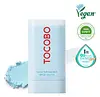
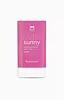
Tocobo Cotton Soft Sun Stick SPF50+ PA++++ Versus Banila Co Hello Sunny Essence Sun Stick SPF50 + PA++++ Glow
This hybrid sunscreen covers the full UV range and blocks ~98% of UVB at SPF 50.
This chemical sunscreen covers the full UV range and blocks ~98% of UVB at SPF 50.

What's inside
What's inside
 Key Ingredients
Benefits
Concerns
Ingredients Side-by-side
Synthetic Wax
Abrasive

Dibutyl Adipate
EmollientButylene Glycol Dicaprylate/Dicaprate
EmollientOctocrylene
UV Absorber



Methyl Methacrylate Crosspolymer

Vinyl Dimethicone/Methicone Silsesquioxane Crosspolymer

Ethylhexyl Methoxycinnamate
UV Absorber
Dicaprylyl Carbonate
EmollientCetyl Ethylhexanoate
EmollientSilica
Abrasive
Ethylhexyl Salicylate
UV Absorber
Diethylamino Hydroxybenzoyl Hexyl Benzoate
UV Filter
Bis-Ethylhexyloxyphenol Methoxyphenyl Triazine
UV Absorber
Tocopheryl Acetate
Antioxidant


Ozokerite
Emulsion StabilisingMelia Azadirachta Leaf Extract
Skin ConditioningMelia Azadirachta Flower Extract
Skin ConditioningCoccinia Indica Fruit Extract
Skin Conditioning

Solanum Melongena Fruit Extract
Skin ConditioningAloe Barbadensis Flower Extract
EmollientCardiospermum Halicacabum Flower/Leaf/Vine Extract
Skin ConditioningCurcuma Longa Root Extract
Antioxidant
Corallina Officinalis Extract
Skin Conditioning

Ocimum Sanctum Leaf Extract
Skin ConditioningGossypium Herbaceum Extract
Skin ConditioningSophora Flavescens Root Extract
Antioxidant
Rheum Palmatum Root/Stalk Extract
AstringentScutellaria Baicalensis Root Extract
Astringent
Phellodendron Amurense Bark Extract
Skin ConditioningOenothera Biennis Flower Extract
AstringentUlmus Davidiana Root Extract
Skin Conditioning
Pinus Palustris Leaf Extract
TonicPueraria Lobata Root Extract
HumectantEchium Plantagineum Seed Oil
Skin Conditioning


Simmondsia Chinensis Seed Oil
Emollient

Caprylyl Glycol
Emollient
Bisabolol
Antioxidant
Triethoxycaprylylsilane
Titanium Dioxide
Cosmetic Colorant
Polyglyceryl-2 Triisostearate
Emulsifying
Octyldodecanol
Emollient
Polyglyceryl-4 Diisostearate/Polyhydroxystearate/Sebacate
Emulsifying
Helianthus Annuus Seed Oil Unsaponifiables
Emollient
Tocopherol
Antioxidant

Water
Skin ConditioningButylene Glycol
Humectant
1,2-Hexanediol
Skin Conditioning
Parfum
Masking
Synthetic Wax, Dibutyl Adipate, Butylene Glycol Dicaprylate/Dicaprate, Octocrylene, Methyl Methacrylate Crosspolymer, Vinyl Dimethicone/Methicone Silsesquioxane Crosspolymer, Ethylhexyl Methoxycinnamate, Dicaprylyl Carbonate, Cetyl Ethylhexanoate, Silica, Ethylhexyl Salicylate, Diethylamino Hydroxybenzoyl Hexyl Benzoate, Bis-Ethylhexyloxyphenol Methoxyphenyl Triazine, Tocopheryl Acetate, Ozokerite, Melia Azadirachta Leaf Extract, Melia Azadirachta Flower Extract, Coccinia Indica Fruit Extract, Solanum Melongena Fruit Extract, Aloe Barbadensis Flower Extract, Cardiospermum Halicacabum Flower/Leaf/Vine Extract, Curcuma Longa Root Extract, Corallina Officinalis Extract, Ocimum Sanctum Leaf Extract, Gossypium Herbaceum Extract, Sophora Flavescens Root Extract, Rheum Palmatum Root/Stalk Extract, Scutellaria Baicalensis Root Extract, Phellodendron Amurense Bark Extract, Oenothera Biennis Flower Extract, Ulmus Davidiana Root Extract, Pinus Palustris Leaf Extract, Pueraria Lobata Root Extract, Echium Plantagineum Seed Oil, Simmondsia Chinensis Seed Oil, Caprylyl Glycol, Bisabolol, Triethoxycaprylylsilane, Titanium Dioxide, Polyglyceryl-2 Triisostearate, Octyldodecanol, Polyglyceryl-4 Diisostearate/Polyhydroxystearate/Sebacate, Helianthus Annuus Seed Oil Unsaponifiables, Tocopherol, Water, Butylene Glycol, 1,2-Hexanediol, Parfum
Octyldodecanol
Emollient
Polyamide-8
EmollientButylene Glycol Dicaprylate/Dicaprate
EmollientOctocrylene
UV Absorber
Ethylhexyl Methoxycinnamate
UV Absorber
Propylheptyl Caprylate
EmollientDicaprylyl Carbonate
EmollientEthylhexyl Salicylate
UV Absorber
Dibutyl Lauroyl Glutamide
Skin ConditioningCI 77163
Cosmetic Colorant
Dibutyl Ethylhexanoyl Glutamide
Skin ConditioningDiethylamino Hydroxybenzoyl Hexyl Benzoate
UV Filter
Bis-Ethylhexyloxyphenol Methoxyphenyl Triazine
UV Absorber
Tocopheryl Acetate
Antioxidant
Silica
Abrasive
Ethylhexyl Hydroxystearate
Emollient
Bisabolol
Antioxidant
Eclipta Prostrata Extract
Skin Conditioning
Citrus Aurantium Dulcis Oil
Masking
Lavandula Angustifolia Oil
Masking

Citrus Aurantium Bergamia Fruit Oil
Masking
Citrus Nobilis Peel Oil
Masking
Pentaerythrityl Tetra-Di-T-Butyl Hydroxyhydrocinnamate
Antioxidant
Dehydroacetic Acid
Preservative
Melia Azadirachta Leaf Extract
Skin ConditioningEchium Plantagineum Seed Oil
Skin Conditioning
Litsea Cubeba Fruit Oil
Masking
Moringa Oleifera Seed Oil
Emollient
Anthemis Nobilis Flower Oil
Masking
Cardiospermum Halicacabum Flower/Leaf/Vine Extract
Skin ConditioningHelianthus Annuus Seed Oil Unsaponifiables
Emollient
Water
Skin ConditioningTocopherol
Antioxidant
Betula Alba Juice
AstringentButylene Glycol
Humectant
Glycerin
Humectant
Ceramide AP
Skin Conditioning
1,2-Hexanediol
Skin Conditioning
Hypnea Musciformis Extract
Skin Protecting
Ulva Lactuca Extract
Skin ConditioningEcklonia Cava Extract
Skin Conditioning
Codium Tomentosum Extract
Skin ProtectingAgarum Cribrosum Extract
Skin ConditioningEnteromorpha Compressa Extract
Skin Protecting
Laminaria Japonica Extract
Skin Protecting
Bellis Perennis Flower Extract
Skin ConditioningDunaliella Salina Extract
Skin ConditioningSargassum Fulvellum Extract
Skin ConditioningSargassum Muticum Extract
Skin ProtectingPorphyra Yezoensis Extract
Skin ConditioningFucus Vesiculosus Extract
Emollient
Laminaria Saccharina Extract
Skin Protecting
Spirulina Platensis Extract
Skin ProtectingJania Rubens Extract
Skin Conditioning
Gelidium Cartilagineum Extract
Skin ProtectingEuglena Gracilis Extract
Skin ConditioningMacrocystis Pyrifera Extract
Skin Conditioning
Paeonia Lactiflora Root Extract
Skin ConditioningUndaria Pinnatifida Extract
Skin ConditioningCodium Fragile Extract
Skin Conditioning
Laminaria Cloustoni Extract
Skin ProtectingCladosiphon Okamuranus Extract
Skin Conditioning
Chlorella Ferment
Skin Conditioning
Chlorella Minutissima Extract
Skin ConditioningHizikia Fusiforme Extract
Skin Conditioning
Salicornia Herbacea Extract
Skin ConditioningPhenoxyethanol
Preservative
Plankton Extract
Skin ConditioningPikea Robusta Extract
Antioxidant
Hydrolyzed Ulva Lactuca Extract
Skin ConditioningHaematococcus Pluvialis Extract
Antioxidant
Laminaria Digitata Extract
Skin Protecting
Hibiscus Sabdariffa Flower Extract
Skin ConditioningDisodium EDTA
ChelatingEthylhexylglycerin
Skin ConditioningMacrocystis Pyrifera Protein
Skin ConditioningHydrolyzed Enteromorpha Compressa
Skin ConditioningOctyldodecanol, Polyamide-8, Butylene Glycol Dicaprylate/Dicaprate, Octocrylene, Ethylhexyl Methoxycinnamate, Propylheptyl Caprylate, Dicaprylyl Carbonate, Ethylhexyl Salicylate, Dibutyl Lauroyl Glutamide, CI 77163, Dibutyl Ethylhexanoyl Glutamide, Diethylamino Hydroxybenzoyl Hexyl Benzoate, Bis-Ethylhexyloxyphenol Methoxyphenyl Triazine, Tocopheryl Acetate, Silica, Ethylhexyl Hydroxystearate, Bisabolol, Eclipta Prostrata Extract, Citrus Aurantium Dulcis Oil, Lavandula Angustifolia Oil, Citrus Aurantium Bergamia Fruit Oil, Citrus Nobilis Peel Oil, Pentaerythrityl Tetra-Di-T-Butyl Hydroxyhydrocinnamate, Dehydroacetic Acid, Melia Azadirachta Leaf Extract, Echium Plantagineum Seed Oil, Litsea Cubeba Fruit Oil, Moringa Oleifera Seed Oil, Anthemis Nobilis Flower Oil, Cardiospermum Halicacabum Flower/Leaf/Vine Extract, Helianthus Annuus Seed Oil Unsaponifiables, Water, Tocopherol, Betula Alba Juice, Butylene Glycol, Glycerin, Ceramide AP, 1,2-Hexanediol, Hypnea Musciformis Extract, Ulva Lactuca Extract, Ecklonia Cava Extract, Codium Tomentosum Extract, Agarum Cribrosum Extract, Enteromorpha Compressa Extract, Laminaria Japonica Extract, Bellis Perennis Flower Extract, Dunaliella Salina Extract, Sargassum Fulvellum Extract, Sargassum Muticum Extract, Porphyra Yezoensis Extract, Fucus Vesiculosus Extract, Laminaria Saccharina Extract, Spirulina Platensis Extract, Jania Rubens Extract, Gelidium Cartilagineum Extract, Euglena Gracilis Extract, Macrocystis Pyrifera Extract, Paeonia Lactiflora Root Extract, Undaria Pinnatifida Extract, Codium Fragile Extract, Laminaria Cloustoni Extract, Cladosiphon Okamuranus Extract, Chlorella Ferment, Chlorella Minutissima Extract, Hizikia Fusiforme Extract, Salicornia Herbacea Extract, Phenoxyethanol, Plankton Extract, Pikea Robusta Extract, Hydrolyzed Ulva Lactuca Extract, Haematococcus Pluvialis Extract, Laminaria Digitata Extract, Hibiscus Sabdariffa Flower Extract, Disodium EDTA, Ethylhexylglycerin, Macrocystis Pyrifera Protein, Hydrolyzed Enteromorpha Compressa
Reviews
Ingredients Explained
These ingredients are found in both products.
Ingredients higher up in an ingredient list are typically present in a larger amount.
1,2-Hexanediol is a synthetic liquid and another multi-functional powerhouse.
It is a:
- Humectant, drawing moisture into the skin
- Emollient, helping to soften skin
- Solvent, dispersing and stabilizing formulas
- Preservative booster, enhancing the antimicrobial activity of other preservatives
This ingredient is better known as bemotrizinol or Tinosorb S and is one of the best broad-spectrum UV filters in modern sunscreen.
It works by absorbing UV light across a whole range (280-400 nm) with peaks around 310 nm (UVB) and 340-345 nm (UVA). This means it covers UVB plus the deeper UVA wavelengths that drive photoaging and pigmentation.
Another pro?
It's exceptionally photostable, barely degrades in sunlight, and acts as a "bodyguard" for less stable filters.
That's why you'll see it paired with avobenzone or octinoxate; this team up ensures they keep working through sun exposure.
Safety reviews have been reassuring across the board. This ingredient shows low absorption through the skin, rarely irritates, and lab studies found it doesn't act like a hormone in the body (a concern that's been raised about some older sunscreen filters).
On maximum concentrations:
In 2026, the US F.D.A finally added it as an OTC sunscreen ingredient at concentrations up to 6% for adults / children 6 months and older
Learn more about Bis-Ethylhexyloxyphenol Methoxyphenyl TriazineBisabolol is a gentle skin conditioner, antioxidant, and soothing ingredient.
It's primary claim to fame is soothing and research shows topically applied bisabolol can quiet the chemical messengers that cause your skin to become inflamed, helping to sooth any irritation.
A clinical study found that applying 0.5% bisabolol daily for 8 weeks produced an average 9% decrease in skin pigmentation. Researchers found it can also suppress the process that leads to excess melanin production in skin.
In vitro studies found that bisabolol combined with propylene glycol significantly increased skin permeability by increasing lipid fluidity in the stratum corneum.
You'll likely see use concentrations quite low, usually 0.1-0.2%.
Overall, this is a well-tolerated ingredient that works well in formulas designed for sensitive, reactive, or post-procedure skin.
Learn more about BisabololButylene Glycol (or BG) is used within cosmetic products for a few different reasons:
Overall, Butylene Glycol is a safe and well-rounded ingredient that works well with other ingredients.
Though this ingredient works well with most skin types, some people with sensitive skin may experience a reaction such as allergic rashes, closed comedones, or itchiness.
Learn more about Butylene GlycolThis is a lightweight diester (caprylic/capric acid + butylene glycol) with emollient and skin conditioning properties.
According to a manufacturer, this ingredient can help add a "cushiony" oil phase without making it heavy.
Cardiospermum halicacabum extract is more commonly known as Balloon Vine Extract.
Dicaprylyl Carbonate comes from carbonic acid and caprylyl alcohol, a fatty alcohol. It is an emollient and gives skin a velvet feel. The sources of Dicaprylyl Carbonate may be synthetic or from animals.
As an emollient, Dicaprylyl Carbonate creates a film on the skin. This film traps moisture in, keeping your skin soft and hydrated.
Diethylamino Hydroxybenzoyl Hexyl Benzoate (DHHB) is a chemical UV-A absorber. It is formulated for high UVA protection (320-400 nm).
DHHB is well-liked for:
DHHB has been approved by the EU, Japan, Taiwan, and South America for use up to 10%. Unfortunately, it has not been approved for use in the US or Canada due to slow regulatory processes.
This ingredient is soluble in oils, fats, and lipids.
Learn more about Diethylamino Hydroxybenzoyl Hexyl BenzoateEchium Plantagineum Seed Oil is an oil and isn't fungal acne safe. It can help to reduce redness.
This ingredient is also known as Octinoxate and is one of the oldest and most widely used chemical UV filters in skincare.
It has a simple job: soap up UVB radiation (290-320 nm), the wavelengths responsible for sunburn and a big chunk of long-term sun damage.
In formulas, it's always paired with a separate UVA filter because octinoxate solely protects skin from UVB.
Because it's an oil-soluble liquid, it's easy to blend into the oil phase of lotions/creams and gives a cosmetically elegant feel.
The one quirk about formulating this ingredient is photostability; the molecule slowly changes shape into a less effective version when sunlight hits it. So the longer you're in the sun, the weaker its protection gets. The drop can be more than 30% in some formulas.
It also doesn't play nice with Avobenzone (the common UVA filter) since avobenzone destabilizes octinoxate and the two degrade each other. But don't worry: brands have solved this issue by adding photostabilizers like Tinosorb S to prevent degradation and keep SPF stable under heavy UV exposure.
The maximum allowed level is 10% in the EU and Australia, 7.5% in the US and Canada, and 20% in Japan.
The Cosmetic Ingredient Review Panel has concluded this ingredient to be safe in cosmetics up to 10%.
One last thing worth knowing for context:
Octinoxate has been the subject of ongoing review in Europe where the Scientific Committee on Consumer Safety's (SCCS) 2025 final opinion is that this ingredient is an endocrine-active substance.
Lab and animal studies suggest it can act a bit like a hormone in the body (mildly mimicking estrogen and slightly blocking male hormones). It's important to know this hasn't really been shown to happen in everyday human use.
This ingredient is also banned in Hawaii over coral reef concerns.
Learn more about Ethylhexyl MethoxycinnamateEthylhexyl Salicylate (also called Octisalate or Octyl Salicylate) is an oil-soluble organic UV filter that's been used in sunscreen since the 1950's.
It absorbs UVB light in the 280-320 nm range with a peak absorbance around 306 nm.
You'll often see it paired with other UV filters to boost overall SPF because octisalate is a fairly week filter on its own.
The reason you'll see it so often is because it can help solubilize and stabilize the trickier filters like oxybenzone and avobenzone.
Unlike these filters, octisalate has pretty good photostability and doesn't create skin-damaging free radicals when exposed to sunlight.
The fatty-alcohol part of the molecule also gives it a light, emollient feel so it doubles as a nice texture enhancer.
Usage levels vary around the world:
Safety-wise, this ingredient has a pretty reassuring track record. The EU's Scientific Committee on Consumer Products (SCCP) found very low skin penetration in human skin tests and negative results for irritation, phototoxicity, and photoallergy.
The real-world allergy risk is pretty low too; a 2012 European study of 1,031 people recorded only 2 reactions to it (a rate of 0.19%).
You might have seen scary headlines about sunscreen getting into your blood.
In 2019, the FDA found that several chemical filters can absorb through the skin and show up in the bloodstream at small but measurable levels.
Here's the important part: these tiny levels are just a cutoff the FDA uses to decide which ingredients need more testing and doesn't mean anything harmful was found.
The researchers were clear that the results are no reason to stop wearing sunscreen.
Learn more about Ethylhexyl SalicylateThis ingredient is the small fraction of sunflower seed oil (~1.5-2% of the whole oil) that cannot be turned into soap.
This concentrated fraction is rich in skin-nourishing compounds like free fatty acids, tocopherols, and phytosterols. Linoleic acid makes up about 48-74% of its composition.
Unsaponifiables have high antioxidant potential due to the tocopherols, carotenoids, and phenolic acids that help protect skin from free radical damage. On the other hand, linoleic acid supports the skin's barrier by replenishing ceramides and reducing transepidermal water loss.
A manufacturer-sponsored clinical study found that a cream with 2% of this ingredient increased skin moisturization by 48.6% after 1 hour and 34.2% after 24 hours.
Using this cream twice-daily for 4 weeks showed meaningful improvement in dryness, roughness, and desquamation (the shedding of dead skin cells).
Keep in mind this is a small, industry-funded study so it'd be great to see independent replication. However, the mechanism is consistent with well-establish linoleic and phytosterol research.
While this ingredient is generally considered safe, those with an Asteraceae/Compositae plant allergy should patch test this ingredient.
Fungal acne: this ingredient is not considered safe for fungal acne because the Malassezia yeast preferentially metabolizes in the C11-24 range. Linoleic acid falls into this range at C18.
Learn more about Helianthus Annuus Seed Oil UnsaponifiablesThis ingredient is also known as neem leaf extract. It contains natural compounds like nimbidin, quercetin, and other polyphenols that give it antibacterial, antifungal, and anti-inflammatory activity.
Lab studies have shown neem leaf extract can inhibit acne-related bacteria and help calm skin. Animal studies on wound gels using 1-3% neem leaf extract found it sped up healing without causing irritation.
A wound-healing study testing gels with the extract at 1%, 2%, and 3% concentrations and found none of them irritated the skin.
Most commercial products also use it in a similar low range (typically under 5%).
Allergy-wise, there are some case reports on neem oil causing allergic contact dermatitis so people with plant/botanical sensitivities may want to patch test first.
Learn more about Melia Azadirachta Leaf ExtractOctocrylene is an oil-soluble organic UV filter that mainly absorbs UVB and short wave UVA II light.
Its real superpower is teamwork: octocrylene is remarkably photostable and is most famous for stabilizing avobenzone (the workhorse UVA filter).
This ingredient is commonly used to enhance both UVB and UVA protection due to its unique property in stabilizing avobenzone. It also pulls double duty by boosting water resistance and giving formulas a smooth, spreadable feel.
The EU's Scientific Committee on Consumer Safety (SCCS) has deemed octocrylene to be safe as a UV-filter at concentrations up to 10% (capped at 9% in propellant sprays). The US also permits it up to 10%.
Two things worth knowing:
You'll usually see this ingredient used in concentrations between 2-10% (higher amounts when used as a stabilizer for avobenzone).
Learn more about OctocryleneOctyldodecanol is a fatty alcohol sourced from plant oils like coconut or palm (or made synthetically).
It is:
You'll likely see this in many BHA products because this is the go-to solvent for salicylic acid.
This ingredient is typically used at levels between 2-20%.
Regarding fungal acne:
In 2019, this ingredient was tested against multiple Malassezia species (the yeast that causes fungal acne) and showed no growth.
Silica, also known as silicon dioxide, is a naturally occurring mineral. It is used as a fine, spherical, and porous powder in cosmetics.
Though it has exfoliant properties, the function of silica varies depending on the product.
The unique structure of silica enhances the spreadability and adds smoothness, making it a great texture enhancer.
It is also used as an active carrier, emulsifier, and mattifier due to its ability to absorb excess oil.
In some products, tiny microneedles called spicules are made from silica or hydrolyzed sponge. When you rub them in, they lightly polish away dead skin layers and enhance the penetration of active ingredients.
Learn more about SilicaTocopherol is a fat-soluble antioxidant known as Vitamin E.
You'll find this ingredient in the vast majority of skincare (for good reason). It works to neutralize free radicals, or unstable molecules generated by UV exposure, pollution, and other environmental stressors, before they can cause oxidative damage to your skin cells.
Topically applied tocopherol has been shown to protect against UV damage by ramping up the skin's own natural defense enzymes.
It also acts as a skin conditioning agent; some studies show that regular topical use can improve the skin's water-binding capacity over 2-4 weeks.
This ingredient is especially loved for being a team player. When combined with Vitamin C, the photoprotective effect of both ingredients roughly doubles and the combo also helps reduce UV-induced DNA damage.
This ingredient has some brightening potential but it's more of a prevention ingredient than spot-fader. Cell studies show it can slow down melanin production but it's worth noting that it's not the most powerful brightener out there.
In formulations, it also serves as a stabilizer that helps protect other oxidation-prone ingredients from degrading.
Concentrations usually range from 0.1-1% in most leave-on products.
Learn more about TocopherolTocopheryl Acetate is a stable, shelf-friendly form of vitamin E.
Formulators love it because plain vitamin E oxidizes quickly once it hits air. This acetate version stays stable and resists going off, helping to extend a product's shelf life.
It's actually inactive on its own and works like a slow-release "storage" form; the enzymes in your skin called esterases gradually convert it into active vitamin E over time.
One in vivo study showed 5% of the acetate in the living layer of the epidermis converted to vitamin E after 5 days of application. This study also found the skin gained protection against UV damage even though the conversion was slow and small.
Once converted, vitamin E acts as a skin's main fat-soluble antioxidant that fights free radicals to protect skin from damage.
Topical vitamin E generally boosts the skin's photoprotection, and it reduced UV-damage in animal models.
This ingredient has some brightening potential but it's more of a prevention ingredient than spot-fader. Cell studies show it can slow down melanin production but it's worth noting that it's not the most powerful brightener out there.
Overall, it has a pretty solid safety profile and has been found to be non-irritating and non-comedogenic. Allergic reactions may happen but stay rare due to how widely the ingredient gets used.
The concentration will vary depending on the formula; industry data shows 0.1% in baby lotions, 3% in lipsticks, and 5% in foot powders. You can also find this ingredient at 100% in a pure vitamin E oil.
Most leave-on skincare keeps it at the lower end, often between 0.5-1%.
Learn more about Tocopheryl AcetateWater. It's the most common cosmetic ingredient of all. You'll usually see it at the top of ingredient lists, meaning that it makes up the largest part of the product.
So why is it so popular? Water most often acts as a solvent - this means that it helps dissolve other ingredients into the formulation.
You'll also recognize water as that liquid we all need to stay alive. If you see this, drink a glass of water. Remember to stay hydrated!
Learn more about Water

