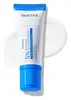
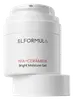
Skintific 5% B5 Ceramide Barrier Relief Moisturizer Versus ELFORMULA Nia-Ceramide Bright Moisture Gel
This barrier-repair moisturizer is formulated around Panthenol and Ceramide NP to strengthen the skin barrier and calm redness.
This brightening moisturizer is formulated around Niacinamide and Alpha-Arbutin to brighten dull-looking skin and strengthen the skin barrier.


What's inside
What's inside
 Key Ingredients
Benefits
Concerns
Ingredients Side-by-side
Water
Skin ConditioningPanthenol
Skin Conditioning




Dimethicone
Emollient
Butylene Glycol
Humectant
Glycerin
Humectant
Caprylic/Capric Triglyceride
Masking
Diethylhexyl Carbonate
EmollientSimmondsia Chinensis Seed Oil
Emollient


Astrocaryum Murumuru Seed Butter
Emollient

Behenyl Alcohol
Emollient
Polyglycerin-3
Humectant
Ceramide NP
Skin Conditioning

Ceramide Ns
Skin Conditioning
Ceramide As
Skin Conditioning
Ceramide AP
Skin Conditioning
Ceramide EOP
Skin Conditioning
Centella Asiatica Extract
Cleansing
Asiaticoside
Antioxidant
Madecassic Acid
Skin Conditioning
Asiatic Acid
Skin Conditioning
Hydroxyphenyl Propionamide
Antioxidant
Niacinamide
Smoothing





Ascorbyl Palmitate
Antioxidant
Trehalose
Humectant
Allantoin
Skin Conditioning
Sodium Hyaluronate
Humectant
Ectoin
Skin Conditioning
Tocopherol
Antioxidant
Lysine Hcl
Skin Conditioning
Histidine Hcl
Skin ConditioningArginine
Masking
Proline
Skin Conditioning
Glutamic Acid
Humectant
Threonine
Valine
MaskingLeucine
Skin ConditioningGlycine
Buffering
Isoleucine
Skin ConditioningPhenylalanine
Masking
Sodium Acetylated Hyaluronate
Humectant
Sodium Hyaluronate Crosspolymer
Humectant
Hydrolyzed Sodium Hyaluronate
Skin Conditioning
Serine
Masking
Phenoxyethanol
Preservative
Cetearyl Olivate
Hydroxyethyl Acrylate/Sodium Acryloyldimethyl Taurate Copolymer
Emulsion StabilisingHydrogenated Lecithin
Emulsifying
Divinyldimethicone/Dimethicone Crosspolymer
Skin Conditioning
Lauroyl Lysine
Skin Conditioning
Isopropyl Lauroyl Sarcosinate
Skin ConditioningAmmonium Acryloyldimethyltaurate/Beheneth-25 Methacrylate Crosspolymer
Emulsion StabilisingPentylene Glycol
Skin Conditioning
Sodium Polyacryloyldimethyl Taurate
Emulsion StabilisingTocopheryl Acetate
Antioxidant
Stearyl Glycyrrhetinate
Skin ConditioningEthylhexylglycerin
Skin ConditioningHydrogenated Polydecene
EmollientSorbitan Isostearate
Emulsifying
Polysorbate 60
Emulsifying
Ubiquinone
Antioxidant
Sodium PCA
Humectant
Opuntia Ficus-Indica Stem Extract
Skin Conditioning
Trideceth-10
CleansingBeta-Glucan
Skin Conditioning
Taurine
Buffering1,2-Hexanediol
Skin Conditioning
Hydroxyacetophenone
Antioxidant
Laminaria Digitata Extract
Skin Protecting
Tapioca Starch
Cetyl-Pg Hydroxyethyl Palmitamide
Skin ConditioningCholesterol
Emollient
Water, Panthenol, Dimethicone, Butylene Glycol, Glycerin, Caprylic/Capric Triglyceride, Diethylhexyl Carbonate, Simmondsia Chinensis Seed Oil, Astrocaryum Murumuru Seed Butter, Behenyl Alcohol, Polyglycerin-3, Ceramide NP, Ceramide Ns, Ceramide As, Ceramide AP, Ceramide EOP, Centella Asiatica Extract, Asiaticoside, Madecassic Acid, Asiatic Acid, Hydroxyphenyl Propionamide, Niacinamide, Ascorbyl Palmitate, Trehalose, Allantoin, Sodium Hyaluronate, Ectoin, Tocopherol, Lysine Hcl, Histidine Hcl, Arginine, Proline, Glutamic Acid, Threonine, Valine, Leucine, Glycine, Isoleucine, Phenylalanine, Sodium Acetylated Hyaluronate, Sodium Hyaluronate Crosspolymer, Hydrolyzed Sodium Hyaluronate, Serine, Phenoxyethanol, Cetearyl Olivate, Hydroxyethyl Acrylate/Sodium Acryloyldimethyl Taurate Copolymer, Hydrogenated Lecithin, Divinyldimethicone/Dimethicone Crosspolymer, Lauroyl Lysine, Isopropyl Lauroyl Sarcosinate, Ammonium Acryloyldimethyltaurate/Beheneth-25 Methacrylate Crosspolymer, Pentylene Glycol, Sodium Polyacryloyldimethyl Taurate, Tocopheryl Acetate, Stearyl Glycyrrhetinate, Ethylhexylglycerin, Hydrogenated Polydecene, Sorbitan Isostearate, Polysorbate 60, Ubiquinone, Sodium PCA, Opuntia Ficus-Indica Stem Extract, Trideceth-10, Beta-Glucan, Taurine, 1,2-Hexanediol, Hydroxyacetophenone, Laminaria Digitata Extract, Tapioca Starch, Cetyl-Pg Hydroxyethyl Palmitamide, Cholesterol
Water
Skin ConditioningDimethicone
Emollient
Butylene Glycol
Humectant
Niacinamide
Smoothing
PEG/PPG/Polybutylene Glycol-8/5/3 Glycerin
HumectantPEG/PPG-17/6 Copolymer
SolventAlpha-Arbutin
Antioxidant
Betaine
Humectant
Cyclopentasiloxane
Emollient
1,2-Hexanediol
Skin Conditioning
Hydroxyacetophenone
Antioxidant
Acetyl Glucosamine
Skin Conditioning
PEG-12 Dimethicone
Skin Conditioning
Ammonium Acryloyldimethyltaurate/Vp Copolymer
Sodium Acrylate/Sodium Acryloyldimethyl Taurate Copolymer
Emulsion StabilisingPanthenol
Skin Conditioning
Acrylates/C10-30 Alkyl Acrylate Crosspolymer
Emulsion StabilisingTriethanolamine
BufferingIsohexadecane
EmollientPolysilicone-3
Skin Conditioning
Bisabolol
Antioxidant
Polysorbate 80
Emulsifying
Bis-PEG-15 Methyl Ether Dimethicone
Emulsifying
Disodium EDTA
ChelatingLaureth-7
EmulsifyingSaccharomyces/Rice Ferment Filtrate
Skin Conditioning
Sodium Hyaluronate
Humectant
Ceramide EOP
Skin Conditioning
Ceramide AP
Skin Conditioning
Beta-Glucan
Skin Conditioning
Saururus Chinensis Leaf/Root Extract
Antimicrobial
Taraxacum Officinale Leaf Extract
Skin ConditioningPropanediol
Solvent
Sorbitan Oleate
Emulsifying
Hydrolyzed Oats
Skin ConditioningFructose
Humectant
Glycerin
Humectant
Stephania Tetrandra Root Extract
Skin ConditioningPhosphatidylcholine
EmulsifyingChrysanthellum Indicum Extract
Skin Conditioning
Calendula Officinalis Flower Extract
Masking
CI 16255
Cosmetic ColorantCeramide NP
Skin Conditioning
Polyglyceryl-10 Oleate
Skin Conditioning
Lespedeza Capitata Leaf/Stem Extract
Skin ConditioningCentella Asiatica Root Extract
Skin Conditioning
Tocopherol
Antioxidant
Sodium Stearoyl Glutamate
CleansingPhenoxyethanol
Preservative
Glyceryl Caprylate
EmollientEthylhexylglycerin
Skin ConditioningWater, Dimethicone, Butylene Glycol, Niacinamide, PEG/PPG/Polybutylene Glycol-8/5/3 Glycerin, PEG/PPG-17/6 Copolymer, Alpha-Arbutin, Betaine, Cyclopentasiloxane, 1,2-Hexanediol, Hydroxyacetophenone, Acetyl Glucosamine, PEG-12 Dimethicone, Ammonium Acryloyldimethyltaurate/Vp Copolymer, Sodium Acrylate/Sodium Acryloyldimethyl Taurate Copolymer, Panthenol, Acrylates/C10-30 Alkyl Acrylate Crosspolymer, Triethanolamine, Isohexadecane, Polysilicone-3, Bisabolol, Polysorbate 80, Bis-PEG-15 Methyl Ether Dimethicone, Disodium EDTA, Laureth-7, Saccharomyces/Rice Ferment Filtrate, Sodium Hyaluronate, Ceramide EOP, Ceramide AP, Beta-Glucan, Saururus Chinensis Leaf/Root Extract, Taraxacum Officinale Leaf Extract, Propanediol, Sorbitan Oleate, Hydrolyzed Oats, Fructose, Glycerin, Stephania Tetrandra Root Extract, Phosphatidylcholine, Chrysanthellum Indicum Extract, Calendula Officinalis Flower Extract, CI 16255, Ceramide NP, Polyglyceryl-10 Oleate, Lespedeza Capitata Leaf/Stem Extract, Centella Asiatica Root Extract, Tocopherol, Sodium Stearoyl Glutamate, Phenoxyethanol, Glyceryl Caprylate, Ethylhexylglycerin
Ingredients Explained
These ingredients are found in both products.
Ingredients higher up in an ingredient list are typically present in a larger amount.
1,2-Hexanediol is a synthetic liquid and another multi-functional powerhouse.
It is a:
- Humectant, drawing moisture into the skin
- Emollient, helping to soften skin
- Solvent, dispersing and stabilizing formulas
- Preservative booster, enhancing the antimicrobial activity of other preservatives
Beta-Glucan is a soluble polysaccharide (a chain of glucose sugars) sourced from the cells walls of oats, baker's yeast, mushrooms, and seaweed.
It's a rare ingredient that pulls double-duty as a heavy-duty hydrator and skin-soothing repair agent.
On the surface, it acts as a humectant that holds water in place and reduces moisture loss for a plumper, smoother feel, while its anti-inflammatory and antioxidant properties make it a great pick for calming redness or sensitive skin
The more interesting story is underneath:
Despite its large molecular size, oat beta-glucan has been shown to penetrate the epidermis and reach the dermis by slipping between skin cells. Here, it interacts with fibroblasts and macrophages to nudge collagen synthesis and support wound repair.
A small 2005 split-face clinical study of 27 subjects found topical beta-glucan produced measurable reductions in wrinkle depth, height, and roughness after 8 weeks of use.
It is worth noting the trial was small and the penetration testing used frozen, irradiated skin so the anti-aging data is encouraging rather than definitive.
This ingredient gets along with pretty much everything and is typically used around 0.1-1%.
Fungal acne: This ingredient is not a food source for the Malassezia yeast because it is a glucose polysaccharide with no fatty acid or ester component.
Learn more about Beta-GlucanButylene Glycol (or BG) is used within cosmetic products for a few different reasons:
Overall, Butylene Glycol is a safe and well-rounded ingredient that works well with other ingredients.
Though this ingredient works well with most skin types, some people with sensitive skin may experience a reaction such as allergic rashes, closed comedones, or itchiness.
Learn more about Butylene GlycolCeramide AP is is a skin-identical lipid that mimics what your skin already makes naturally. Ceramides help maintain epidermal integrity and barrier function.
You'll often see this ingredient paired with other ceramides (like ceramide NP), cholesterol, or fatty acids because this combination best mimics the natural lipid mix your skin already has.
The skin's ability to produce ceramides gets disrupted in skin conditions like eczema. This in turn weakens the skin barrier and applying ceramides topically has been shown to replenish what's been lost to restore barrier function.
Most of the studies with Ceramide AP test it as part of a multi-ceramide complex; studies reinforce ceramide AP's role in rebalancing ceramides in skin and improving skin hydration.
Learn more about Ceramide APCeramide EOP is formally known as Ceramide 1.
It is naturally found in skin and part of the intercellular "mortar" holding everything together in your outermost layer.
EOP stands for a linked Ester fatty acid, a linked Omega hydroxy fatty acid, and the Phytosphingosine base.
What makes Ceramide EOP special is its ultra-long fatty acid chain; this unique structure allows it to bridge the lipid layers in your skin barrier to prevent water loss (something no other ceramide can do).
Low levels of Ceramide EOP have been found in people with eczema and psoriasis.
Using it together with other ceramides, cholesterol, and linoleic acid have been shown to meaningfully improve hydration and reduce water loss.
In one clinical study, a regimen using Ceramide EOP, NP, and AP led to significant symptom improvements in patients with eczema, psoriasis, and dry skin in just 4 weeks.
You'll usually see concentrations between 0.1-0.5% in formulations. Overall, this is a well-tolerated and safe ingredient for cosmetic use.
Learn more about Ceramide EOPCeramide NP (formerly known as Ceramide 3) is one of the skin's naturally occurring lipids.
Since ceramides are the major lipid components of the skin, they are crucial for maintaining skin barrier and hydration. Ceramide NP most closely mirrors the dominant kind in human skin amongst ceramide subtypes.
This ceramide works by slotting into gaps within the stratum corneum's lipid matrix to limit trans-epidermal water loss (TEWL) and shield the skin against external irritants.
A study with 312 patients found that using a ceramide-containing routine for 4 weeks reduced the severity of atopic dermatitis by over 61%.
Another clinical study in subjects aged 60 and older found that a ceramide body wash and moisturizer improved skin dryness and itchy skin in 15 days.
Overall, ceramides are considered non-irritating and safety tests have found little to no observable adverse effects from using this ingredient.
Ceramide NP is usually sourced from plants (like soybean or rice bran), or produced synthetically.
Learn more about Ceramide NPDimethicone is a type of synthetic silicone created from natural materials such as quartz. It is also known as polydimethylsiloxane.
What it does:
Dimethicone comes in different viscosities:
Depending on the viscosity, dimethicone has different properties.
Ingredients lists don't always show which type is used, so we recommend reaching out to the brand if you have questions about the viscosity.
This ingredient is unlikely to cause irritation because it does not get absorbed into skin. However, people with silicone allergies should be careful about using this ingredient.
Note: Dimethicone may contribute to pilling. This is because it is not oil or water soluble, so pilling may occur when layered with products. When mixed with heavy oils in a formula, the outcome is also quite greasy.
Learn more about DimethiconeEthylhexylglycerin is created from glycerin. It is a multitasker ingredient that:
The CIR Expert Panel found minimal skin absorption or sensitization of any kind in a safety assessment. Though this ingredient is considered well-tolerated, a small number of cases of allergic dermatitis have been published since 2002. Just be sure to patch test if you are unsure.
Industry-reported use ranges from 8% in rinse-off products and 2% in leave-on formulations.
Learn more about EthylhexylglycerinGlycerin (or glycerol) is a compound naturally found in your skin. It's a powerhouse humectant that pulls water into the stratum corneum.
Topically, glycerin does several things at once:
Your skin makes glycerin on its own (mostly from sebaceous oil breakdown) and shuttles it to your outermost layer of skin, or your epidermis, via aquaporin-3.
Aquaporin-3 is a transporter that is essential for normal skin hydration, elasticity, and repair. Interestingly, mice lacking in AQP3 have dry and less elastic skin that can be fully corrected with glycerin.
This ingredient is non-irritating, plays well with almost every ingredient, and works across all skin types. Typical use is anywhere between 3-10% but can go up to 79% in some leave-on products.
Just know very high concentrations (>40%) can feel tacky in low humidity.
Glycerin is the name for this ingredient in American English. British English uses Glycerol/Glycerine.
Learn more about GlycerinHydroxyacetophenone is a small phenolic molecule that earns its place in a formulas as an antioxidant and preservative booster.
As a phenol, it is able to neutralize free radicals to protect both the product and the skin from oxidative stress.
Though it can't kill microbes on its own, it works as a good supporting agent when combined with other preservatives like Phenoxyethanol or 1,2-Hexanediol.
This ingredient naturally occurs as piceol in Norwegian spruce needles (~0.4-1.1% dry weight and in cloudberries). Though the cosmetic-grade material is synthesized for purity and consistency.
You'll usually see it used at low levels and suppliers recommend up to 1% added to a water phase.
Safety testing was done at concentrations like 0.05% in SPF products and 0.5% in a Human Repeated Insult Patch Test. The safety evidence is assuring; this ingredient is safe for cosmetics in current use and also holds safety status as a food flavoring as well.
An honest caveat: the "soothing" and "anti-inflammatory" claims come mostly from supplier marketing rather than published clinical trials. The Cosmetic Ingredient Review's own literature search found no useful efficacy studies on this ingredient.
So the antioxidant and preservative-boosting roles are the well supported ones while the calming benefit is plausible but thinly evidenced.
Overall, this is a well-tolerated, low-irritation multitasker that quietly helps a formula stay fresh and stable.
Learn more about HydroxyacetophenoneNiacinamide is a multitasking form of vitamin B3 that strengthens the skin barrier, reduces pores and dark spots, regulates oil, and improves signs of aging.
And the best part? It's gentle and well-tolerated by most skin types, including sensitive and reactive skin.
You might have heard of "niacin flush", or the reddening of skin that causes itchiness. Niacinamide has not been found to cause this.
In very rare cases, some individuals may not be able to tolerate niacinamide at all or experience an allergic reaction to it.
If you are experiencing flaking, irritation, and dryness with this ingredient, be sure to double check all your products as this ingredient can be found in all categories of skincare.
When incorporating niacinamide into your routine, look out for concentration amounts. Typically, 5% niacinamide provides benefits such as fading dark spots. However, if you have sensitive skin, it is better to begin with a smaller concentration.
When you apply niacinamide to your skin, your body converts it into nicotinamide adenine dinucleotide (NAD). NAD is an essential coenzyme that is already found in your cells as "fuel" and powers countless biological processes.
In your skin, NAD helps repair cell damage, produce new healthy cells, support collagen production, strengthen the skin barrier, and fight environmental stressors (like UV and pollution).
Our natural NAD levels start to decline with age, leading to slower skin repair, visible aging, and a weaker skin barrier. By providing your skin niacinamide, you're recharging your skin's NAD levels. This leads to stronger, healthier, and younger looking skin.
Another name for vitamin B3 is nicotinamide. This vitamin is water-soluble and our bodies don't store it. We obtain Vitamin B3 from either food or skincare. Meat, fish, wheat, yeast, and leafy greens contain vitamin B3.
The type of niacinamide used in skincare is synthetically created.
Learn more about NiacinamidePanthenol is a common ingredient that helps hydrate and soothe the skin. It is found naturally in our skin and hair.
There are two forms of panthenol: D and L.
D-panthenol is also known as dexpanthenol. Most cosmetics use dexpanthenol or a mixture of D and L-panthenol.
Panthenol is famous due to its ability to go deeper into the skin's layers. Using this ingredient has numerous pros (and no cons):
Like hyaluronic acid, panthenol is a humectant. Humectants are able to bind and hold large amounts of water to keep skin hydrated.
This ingredient works well for wound healing. It works by increasing tissue in the wound and helps close open wounds.
Once oxidized, panthenol converts to pantothenic acid. Panthothenic acid is found in all living cells.
This ingredient is also referred to as pro-vitamin B5.
Learn more about PanthenolPhenoxyethanol is one of the most widely used preservatives in skincare (and for good reason!).
It has a large spectrum of antimicrobial activity and especially effective bacteria, yeast, and mold while only having a weak effect on your skin's natural microbiome.
On a cellular level, it disrupts the cell membranes of microbes by poking holes that make the cell leak. This shuts down the chemical reactions the microbe needs to make energy so it can no longer survive.
Another perk of this ingredient is that it stays functional across a wide pH range (3-10).
You'll often see it paired with boosters like Ethylhexylglycerin; one study showed that a 1:9 ratio of Ethylhexylglycerin to Phenoxyethanol damages bacterial membranes as effectively as doubling the Phenoxyethanol concentration on its own.
Typical use concentrations range from 0.3-1% depending on the formula, and this ingredient is capped at 1% int the EU.
Safety-wise, the fear mongering does not hold up to the evidence. The EU's Scientific Committee on Consumer Safety and FDA consider it safe as a preservative at up to 1%, including for children of all ages.
Adverse systemic effects only showed up in animal studies at exposures roughly 200x higher than what people get from cosmetics. And despite its very widespread use, this ingredient is a rare sensitizer and allergic reactions are uncommon.
Learn more about PhenoxyethanolSodium Hyaluronate is the salt form of hyaluronic acid. It is a long sugar chain that is naturally found in your skin, joints, and connective tissue that maintains hydration and elasticity.
In skincare, it works as a humectant. It pulls water from the environment and deeper layers of skin and binds it to the surface.
Interestingly, the size of the molecule affects its behavior:
Some clinical evidence links low molecular weight versions to improved wrinkle depth, elasticity, anti-inflammatory effects, and barrier repair.
Many serums use a blend of both weights so you can get surface hydration plus longer-lasting and deeper effects.
You'll typically see concentrations between 0.1-2% for this ingredient.
Learn more about Sodium HyaluronateTocopherol is a fat-soluble antioxidant known as Vitamin E.
You'll find this ingredient in the vast majority of skincare (for good reason). It works to neutralize free radicals, or unstable molecules generated by UV exposure, pollution, and other environmental stressors, before they can cause oxidative damage to your skin cells.
Topically applied tocopherol has been shown to protect against UV damage by ramping up the skin's own natural defense enzymes.
It also acts as a skin conditioning agent; some studies show that regular topical use can improve the skin's water-binding capacity over 2-4 weeks.
This ingredient is especially loved for being a team player. When combined with Vitamin C, the photoprotective effect of both ingredients roughly doubles and the combo also helps reduce UV-induced DNA damage.
This ingredient has some brightening potential but it's more of a prevention ingredient than spot-fader. Cell studies show it can slow down melanin production but it's worth noting that it's not the most powerful brightener out there.
In formulations, it also serves as a stabilizer that helps protect other oxidation-prone ingredients from degrading.
Concentrations usually range from 0.1-1% in most leave-on products.
Learn more about TocopherolWater. It's the most common cosmetic ingredient of all. You'll usually see it at the top of ingredient lists, meaning that it makes up the largest part of the product.
So why is it so popular? Water most often acts as a solvent - this means that it helps dissolve other ingredients into the formulation.
You'll also recognize water as that liquid we all need to stay alive. If you see this, drink a glass of water. Remember to stay hydrated!
Learn more about Water

