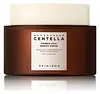
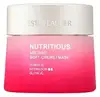
SKIN1004 Madagascar Centella Probio-Cica Enrich Cream Versus Estée Lauder Nutritious Melting Soft Creme/Mask Moisturizer
This barrier-repair moisturizer is formulated around Centella Asiatica Extract and Niacinamide to strengthen the skin barrier and calm redness.
This calming moisturizer is formulated around Niacinamide and Lactobacillus Ferment to calm redness.


What's inside
What's inside
 Key Ingredients
Benefits
Concerns
Ingredients Side-by-side
Centella Asiatica Extract
Cleansing





Glycerin
Humectant
Diglycerin
Humectant
1,2-Hexanediol
Skin Conditioning
Butylene Glycol
Humectant
Niacinamide
Smoothing





Water
Skin ConditioningPolyglyceryl-3 Distearate
Emulsifying

Caprylic/Capric Triglyceride
Masking
Neopentyl Glycol Diheptanoate
EmollientIsostearyl Isostearate
Emollient


Pentaerythrityl Tetraisostearate
Emollient
Hydrogenated Poly(C6-14 Olefin)
EmollientHeptyl Undecylenate
EmollientLactobacillus/Centella Asiatica Extract Ferment Filtrate
Skin ConditioningBis-Diglyceryl Polyacyladipate-2
Emollient
Glyceryl Stearate
Emollient
C14-22 Alcohols
Emulsion Stabilising
Cetearyl Alcohol
Emollient
Butyrospermum Parkii Butter
Skin Conditioning
Polyglyceryl-2 Stearate
Emulsifying
Sodium Acrylate/Sodium Acryloyldimethyl Taurate Copolymer
Emulsion StabilisingGlyceryl Stearate Citrate
Emollient
Arginine
Masking
Stearyl Alcohol
Emollient
Polyisobutene
C12-20 Alkyl Glucoside
EmulsifyingSqualane
Emollient
Sodium Surfactin
CleansingSodium Polyacrylate
Absorbent
Acrylates/C10-30 Alkyl Acrylate Crosspolymer
Emulsion StabilisingCarbomer
Emulsion StabilisingHydroxystearic Acid
Cleansing
Ethylhexylglycerin
Skin ConditioningAdenosine
Skin Conditioning
Hydrogenated Lecithin
Emulsifying
Sorbitan Oleate
Emulsifying
Caprylyl/Capryl Glucoside
CleansingMacadamia Ternifolia Seed Oil
Emollient
Sodium Hyaluronate
Humectant
Moringa Oleifera Seed Oil
Emollient
Sodium Phytate
ChelatingCeramide NP
Skin Conditioning
Dextrin
AbsorbentTheobroma Cacao Extract
Skin ConditioningGlyceryl Acrylate/Acrylic Acid Copolymer
HumectantPolyglyceryl-10 Myristate
Skin Conditioning
Glucose
Humectant
Stearic Acid
Cleansing
Phytosphingosine
Skin Conditioning
Madecassic Acid
Skin Conditioning
Asiaticoside
Antioxidant
Sucrose Distearate
Emollient
Asiatic Acid
Skin Conditioning
Lauric Acid
Cleansing
Phytosterols
Skin Conditioning
Polyglutamic Acid
Skin Conditioning
Centella Asiatica Extract, Glycerin, Diglycerin, 1,2-Hexanediol, Butylene Glycol, Niacinamide, Water, Polyglyceryl-3 Distearate, Caprylic/Capric Triglyceride, Neopentyl Glycol Diheptanoate, Isostearyl Isostearate, Pentaerythrityl Tetraisostearate, Hydrogenated Poly(C6-14 Olefin), Heptyl Undecylenate, Lactobacillus/Centella Asiatica Extract Ferment Filtrate, Bis-Diglyceryl Polyacyladipate-2, Glyceryl Stearate, C14-22 Alcohols, Cetearyl Alcohol, Butyrospermum Parkii Butter, Polyglyceryl-2 Stearate, Sodium Acrylate/Sodium Acryloyldimethyl Taurate Copolymer, Glyceryl Stearate Citrate, Arginine, Stearyl Alcohol, Polyisobutene, C12-20 Alkyl Glucoside, Squalane, Sodium Surfactin, Sodium Polyacrylate, Acrylates/C10-30 Alkyl Acrylate Crosspolymer, Carbomer, Hydroxystearic Acid, Ethylhexylglycerin, Adenosine, Hydrogenated Lecithin, Sorbitan Oleate, Caprylyl/Capryl Glucoside, Macadamia Ternifolia Seed Oil, Sodium Hyaluronate, Moringa Oleifera Seed Oil, Sodium Phytate, Ceramide NP, Dextrin, Theobroma Cacao Extract, Glyceryl Acrylate/Acrylic Acid Copolymer, Polyglyceryl-10 Myristate, Glucose, Stearic Acid, Phytosphingosine, Madecassic Acid, Asiaticoside, Sucrose Distearate, Asiatic Acid, Lauric Acid, Phytosterols, Polyglutamic Acid
Water
Skin ConditioningHeptyl Undecylenate
EmollientButylene Glycol
Humectant
Glycerin
Humectant
Polyglyceryl-6 Distearate
Emulsifying
Trimethylolpropane Tricaprylate/Tricaprate
EmollientButyrospermum Parkii Butter
Skin Conditioning
Cetyl Alcohol
Emollient
Niacinamide
Smoothing
Laminaria Saccharina Extract
Skin Protecting
Porphyridium Cruentum Extract
Skin ConditioningLactobacillus Ferment
Skin Conditioning
Hydrolyzed Rice Extract
Skin Conditioning
Punica Granatum Extract
AstringentZinc PCA
Humectant
Dipotassium Glycyrrhizate
Humectant
Camellia Sinensis Leaf Extract
Antimicrobial
Sodium Hyaluronate
Humectant
Caffeine
Skin Conditioning
Narcissus Tazetta Bulb Extract
Astringent

Cucumis Sativus Fruit Extract
Emollient
Jojoba Esters
Emollient
Helianthus Annuus Seed Extract
Skin Conditioning
Hordeum Vulgare Extract
EmollientSucrose
Humectant
Saccharide Isomerate
Humectant
Tocopheryl Acetate
Antioxidant
Sodium Phytate
ChelatingSodium Citrate
BufferingCitric Acid
Buffering
Pentylene Glycol
Skin Conditioning
Sodium Dehydroacetate
Preservative
Propylene Glycol Dicaprate
EmollientXanthan Gum
EmulsifyingEthylhexylglycerin
Skin ConditioningTocopherol
Antioxidant
Potassium Cetyl Phosphate
EmulsifyingCarbomer
Emulsion StabilisingSodium Hydroxide
BufferingAmmonium Acryloyldimethyltaurate/Vp Copolymer
Acrylates/C10-30 Alkyl Acrylate Crosspolymer
Emulsion StabilisingPhenoxyethanol
Preservative
Water, Heptyl Undecylenate, Butylene Glycol, Glycerin, Polyglyceryl-6 Distearate, Trimethylolpropane Tricaprylate/Tricaprate, Butyrospermum Parkii Butter, Cetyl Alcohol, Niacinamide, Laminaria Saccharina Extract, Porphyridium Cruentum Extract, Lactobacillus Ferment, Hydrolyzed Rice Extract, Punica Granatum Extract, Zinc PCA, Dipotassium Glycyrrhizate, Camellia Sinensis Leaf Extract, Sodium Hyaluronate, Caffeine, Narcissus Tazetta Bulb Extract, Cucumis Sativus Fruit Extract, Jojoba Esters, Helianthus Annuus Seed Extract, Hordeum Vulgare Extract, Sucrose, Saccharide Isomerate, Tocopheryl Acetate, Sodium Phytate, Sodium Citrate, Citric Acid, Pentylene Glycol, Sodium Dehydroacetate, Propylene Glycol Dicaprate, Xanthan Gum, Ethylhexylglycerin, Tocopherol, Potassium Cetyl Phosphate, Carbomer, Sodium Hydroxide, Ammonium Acryloyldimethyltaurate/Vp Copolymer, Acrylates/C10-30 Alkyl Acrylate Crosspolymer, Phenoxyethanol
Reviews
Ingredients Explained
These ingredients are found in both products.
Ingredients higher up in an ingredient list are typically present in a larger amount.
Acrylates/C10-30 Alkyl Acrylate Crosspolymer is a synthetic polymer. It is used to thicken, emulsify, and improve the texture of products.
As an emulsifier, it helps stabilize oil-in-water emulsions to give products an elegant feel when applied.
It can also form a thin protective film on skin. One study found that a formula using this polymer helped slow down how quickly other ingredients (like DEET) were absorbed through skin.
A 2024 study of over 1,300 patients confirmed that sensitization to this ingredient is rare. It is also non-mutagenic and has a clean track record.
Learn more about Acrylates/C10-30 Alkyl Acrylate CrosspolymerButylene Glycol (or BG) is used within cosmetic products for a few different reasons:
Overall, Butylene Glycol is a safe and well-rounded ingredient that works well with other ingredients.
Though this ingredient works well with most skin types, some people with sensitive skin may experience a reaction such as allergic rashes, closed comedones, or itchiness.
Learn more about Butylene GlycolThis ingredient is also known as shea butter. It is a plant-derived extract from the nuts of the Africa shea tree and one of the most well-studied emollients.
Because it has a high concentration of fatty acids (primarily oleic, stearic, and linoleic) it is able to form a protective barrier on the skin's surface. This helps seal in moisture and prevents transepidermal water loss (TEWL).
In vitro research found an increase in skin hydration by 58% and a decrease in TEWL by 37.8% after 24 hours of applying this ingredient (pretty impressive for a single ingredient!).
Besides hydration, shea butter also contains triterpenes that have anti-inflammatory potential. In particule, lupeol cinnamate has shown the highest anti-inflammatory activity in vivo.
Shea butter also contains vitamins A and E which may contribute to antioxidant activity.
While Shea Butter has an SPF rating of about 3-4, it is not a sunscreen replacement.
This ingredient may not be fungal acne safe because its fatty acids fall within the C11-C24 range that the Malassezia yeast can metabolize.
This ingredient shows up on a lot of "pore-clogging" lists but there's no real evidence behind that. It doesn't even have a comedogenic rating from an actual study; the numbers you'll find online come from blogs citing other blogs.
Ratings for other ingredients mostly come from a 1980s rabbit ear test. This test doesn't translate well to human skin or to real products because the ingredient sits at a much lower percentage.
Some people still find it breaks them out. So if that's you, definitely trust your skin. Just know this one's based on experience and not evidence.
Learn more about Butyrospermum Parkii ButterCarbomer is a synthetic thickening and gelling agent. It's basically the ingredient that gives a lot of serums, gels, creams, and sunscreens their smooth, non-sticky texture.
Although legally permitted at very high levels, carbomers are normally used at concentrations below 1%.
It also needs to be neutralized to actually thicken, and because it is a large molecule, it doesn't really penetrate the skin barrier.
Allergy-wise, the risk is very low. Clinical studies show carbomers have low potential for skin irritation/sensitization even at concentrations up to 100%.
A 2024 UK study patch-tested 1,302 patients and found true allergy to the parent group of carbomer to be rare with no confirmed relevant reactions.
Learn more about CarbomerEthylhexylglycerin is created from glycerin. It is a multitasker ingredient that:
The CIR Expert Panel found minimal skin absorption or sensitization of any kind in a safety assessment. Though this ingredient is considered well-tolerated, a small number of cases of allergic dermatitis have been published since 2002. Just be sure to patch test if you are unsure.
Industry-reported use ranges from 8% in rinse-off products and 2% in leave-on formulations.
Learn more about EthylhexylglycerinGlycerin (or glycerol) is a compound naturally found in your skin. It's a powerhouse humectant that pulls water into the stratum corneum.
Topically, glycerin does several things at once:
Your skin makes glycerin on its own (mostly from sebaceous oil breakdown) and shuttles it to your outermost layer of skin, or your epidermis, via aquaporin-3.
Aquaporin-3 is a transporter that is essential for normal skin hydration, elasticity, and repair. Interestingly, mice lacking in AQP3 have dry and less elastic skin that can be fully corrected with glycerin.
This ingredient is non-irritating, plays well with almost every ingredient, and works across all skin types. Typical use is anywhere between 3-10% but can go up to 79% in some leave-on products.
Just know very high concentrations (>40%) can feel tacky in low humidity.
Glycerin is the name for this ingredient in American English. British English uses Glycerol/Glycerine.
Learn more about GlycerinWe don't have a description for Heptyl Undecylenate yet.
Niacinamide is a multitasking form of vitamin B3 that strengthens the skin barrier, reduces pores and dark spots, regulates oil, and improves signs of aging.
And the best part? It's gentle and well-tolerated by most skin types, including sensitive and reactive skin.
You might have heard of "niacin flush", or the reddening of skin that causes itchiness. Niacinamide has not been found to cause this.
In very rare cases, some individuals may not be able to tolerate niacinamide at all or experience an allergic reaction to it.
If you are experiencing flaking, irritation, and dryness with this ingredient, be sure to double check all your products as this ingredient can be found in all categories of skincare.
When incorporating niacinamide into your routine, look out for concentration amounts. Typically, 5% niacinamide provides benefits such as fading dark spots. However, if you have sensitive skin, it is better to begin with a smaller concentration.
When you apply niacinamide to your skin, your body converts it into nicotinamide adenine dinucleotide (NAD). NAD is an essential coenzyme that is already found in your cells as "fuel" and powers countless biological processes.
In your skin, NAD helps repair cell damage, produce new healthy cells, support collagen production, strengthen the skin barrier, and fight environmental stressors (like UV and pollution).
Our natural NAD levels start to decline with age, leading to slower skin repair, visible aging, and a weaker skin barrier. By providing your skin niacinamide, you're recharging your skin's NAD levels. This leads to stronger, healthier, and younger looking skin.
Another name for vitamin B3 is nicotinamide. This vitamin is water-soluble and our bodies don't store it. We obtain Vitamin B3 from either food or skincare. Meat, fish, wheat, yeast, and leafy greens contain vitamin B3.
The type of niacinamide used in skincare is synthetically created.
Learn more about NiacinamideSodium Hyaluronate is the salt form of hyaluronic acid. It is a long sugar chain that is naturally found in your skin, joints, and connective tissue that maintains hydration and elasticity.
In skincare, it works as a humectant. It pulls water from the environment and deeper layers of skin and binds it to the surface.
Interestingly, the size of the molecule affects its behavior:
Some clinical evidence links low molecular weight versions to improved wrinkle depth, elasticity, anti-inflammatory effects, and barrier repair.
Many serums use a blend of both weights so you can get surface hydration plus longer-lasting and deeper effects.
You'll typically see concentrations between 0.1-2% for this ingredient.
Learn more about Sodium HyaluronateSodium Phytate is the sodium salt of Phytic acid, a compound that plants store phosphorus in. It's the plant-derived alternative to ingredients like Disodium EDTA.
In skincare, this ingredient is a chelator that grabs onto trace metal ions like iron and copper that sneak into formulas through water/raw materials.
Those metals speed up oxidation so binding them keeps oils, fragrance, and actives from going off, stops color changes, and helps the preservative system work harder.
Survey data shows usage levels range from 0.0099%-0.5% in leave-on products, 0.025%-0.3% in rinse-off, and up to 0.05% in eye-area products. Suppliers typically recommend a range between 0.05-0.5%.
Learn more about Sodium PhytateWater. It's the most common cosmetic ingredient of all. You'll usually see it at the top of ingredient lists, meaning that it makes up the largest part of the product.
So why is it so popular? Water most often acts as a solvent - this means that it helps dissolve other ingredients into the formulation.
You'll also recognize water as that liquid we all need to stay alive. If you see this, drink a glass of water. Remember to stay hydrated!
Learn more about Water

