SKIN1004 Madagascar Centella Probio-Cica Enrich Cream Versus COSRX Salicylic Acid Daily Gentle Cleanser
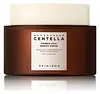
This barrier-repair moisturizer is formulated around Centella Asiatica Extract and Niacinamide to strengthen the skin barrier and calm redness.
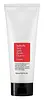
This salicylic acid cream cleanser is formulated around Salicylic Acid to clear breakouts and unclog pores.

What's inside
What's inside
 Key Ingredients
Benefits
Concerns
Ingredients Side-by-side
Centella Asiatica Extract
Cleansing





Glycerin
Humectant
Diglycerin
Humectant
1,2-Hexanediol
Skin Conditioning
Butylene Glycol
Humectant
Niacinamide
Smoothing





Water
Skin ConditioningPolyglyceryl-3 Distearate
Emulsifying

Caprylic/Capric Triglyceride
Masking
Neopentyl Glycol Diheptanoate
EmollientIsostearyl Isostearate
Emollient


Pentaerythrityl Tetraisostearate
Emollient
Hydrogenated Poly(C6-14 Olefin)
EmollientHeptyl Undecylenate
EmollientLactobacillus/Centella Asiatica Extract Ferment Filtrate
Skin ConditioningBis-Diglyceryl Polyacyladipate-2
Emollient
Glyceryl Stearate
Emollient
C14-22 Alcohols
Emulsion Stabilising
Cetearyl Alcohol
Emollient
Butyrospermum Parkii Butter
Skin Conditioning
Polyglyceryl-2 Stearate
Emulsifying
Sodium Acrylate/Sodium Acryloyldimethyl Taurate Copolymer
Emulsion StabilisingGlyceryl Stearate Citrate
Emollient
Arginine
Masking
Stearyl Alcohol
Emollient
Polyisobutene
C12-20 Alkyl Glucoside
EmulsifyingSqualane
Emollient
Sodium Surfactin
CleansingSodium Polyacrylate
Absorbent
Acrylates/C10-30 Alkyl Acrylate Crosspolymer
Emulsion StabilisingCarbomer
Emulsion StabilisingHydroxystearic Acid
Cleansing
Ethylhexylglycerin
Skin ConditioningAdenosine
Skin Conditioning
Hydrogenated Lecithin
Emulsifying
Sorbitan Oleate
Emulsifying
Caprylyl/Capryl Glucoside
CleansingMacadamia Ternifolia Seed Oil
Emollient
Sodium Hyaluronate
Humectant
Moringa Oleifera Seed Oil
Emollient
Sodium Phytate
ChelatingCeramide NP
Skin Conditioning
Dextrin
AbsorbentTheobroma Cacao Extract
Skin ConditioningGlyceryl Acrylate/Acrylic Acid Copolymer
HumectantPolyglyceryl-10 Myristate
Skin Conditioning
Glucose
Humectant
Stearic Acid
Cleansing
Phytosphingosine
Skin Conditioning
Madecassic Acid
Skin Conditioning
Asiaticoside
Antioxidant
Sucrose Distearate
Emollient
Asiatic Acid
Skin Conditioning
Lauric Acid
Cleansing
Phytosterols
Skin Conditioning
Polyglutamic Acid
Skin Conditioning
Centella Asiatica Extract, Glycerin, Diglycerin, 1,2-Hexanediol, Butylene Glycol, Niacinamide, Water, Polyglyceryl-3 Distearate, Caprylic/Capric Triglyceride, Neopentyl Glycol Diheptanoate, Isostearyl Isostearate, Pentaerythrityl Tetraisostearate, Hydrogenated Poly(C6-14 Olefin), Heptyl Undecylenate, Lactobacillus/Centella Asiatica Extract Ferment Filtrate, Bis-Diglyceryl Polyacyladipate-2, Glyceryl Stearate, C14-22 Alcohols, Cetearyl Alcohol, Butyrospermum Parkii Butter, Polyglyceryl-2 Stearate, Sodium Acrylate/Sodium Acryloyldimethyl Taurate Copolymer, Glyceryl Stearate Citrate, Arginine, Stearyl Alcohol, Polyisobutene, C12-20 Alkyl Glucoside, Squalane, Sodium Surfactin, Sodium Polyacrylate, Acrylates/C10-30 Alkyl Acrylate Crosspolymer, Carbomer, Hydroxystearic Acid, Ethylhexylglycerin, Adenosine, Hydrogenated Lecithin, Sorbitan Oleate, Caprylyl/Capryl Glucoside, Macadamia Ternifolia Seed Oil, Sodium Hyaluronate, Moringa Oleifera Seed Oil, Sodium Phytate, Ceramide NP, Dextrin, Theobroma Cacao Extract, Glyceryl Acrylate/Acrylic Acid Copolymer, Polyglyceryl-10 Myristate, Glucose, Stearic Acid, Phytosphingosine, Madecassic Acid, Asiaticoside, Sucrose Distearate, Asiatic Acid, Lauric Acid, Phytosterols, Polyglutamic Acid
Water
Skin ConditioningMyristic Acid
Cleansing
Sodium Chloride
MaskingEthyl Hexanediol
SolventCocamidopropyl Betaine
Cleansing
Citrus Limon Fruit Oil
Astringent
Sodium Methyl Cocoyl Taurate
Cleansing
Ethylhexylglycerin
Skin ConditioningStearic Acid
Cleansing
PEG-60 Hydrogenated Castor Oil
Emulsifying
Polysorbate 80
Emulsifying
Caprylyl Glycol
Emollient
Glycerin
Humectant
Potassium Hydroxide
BufferingSalicylic Acid
Masking


Lauric Acid
Cleansing
Butylene Glycol
Humectant
Salix Alba Bark Water
Astringent
1,2-Hexanediol
Skin Conditioning
Disodium EDTA
ChelatingGlycol Distearate
Emollient
Melaleuca Alternifolia Leaf Oil
Antioxidant

Citric Acid
Buffering
Water, Myristic Acid, Sodium Chloride, Ethyl Hexanediol, Cocamidopropyl Betaine, Citrus Limon Fruit Oil, Sodium Methyl Cocoyl Taurate, Ethylhexylglycerin, Stearic Acid, PEG-60 Hydrogenated Castor Oil, Polysorbate 80, Caprylyl Glycol, Glycerin, Potassium Hydroxide, Salicylic Acid, Lauric Acid, Butylene Glycol, Salix Alba Bark Water, 1,2-Hexanediol, Disodium EDTA, Glycol Distearate, Melaleuca Alternifolia Leaf Oil, Citric Acid
Reviews
Ingredients Explained
These ingredients are found in both products.
Ingredients higher up in an ingredient list are typically present in a larger amount.
1,2-Hexanediol is a synthetic liquid and another multi-functional powerhouse.
It is a:
- Humectant, drawing moisture into the skin
- Emollient, helping to soften skin
- Solvent, dispersing and stabilizing formulas
- Preservative booster, enhancing the antimicrobial activity of other preservatives
Butylene Glycol (or BG) is used within cosmetic products for a few different reasons:
Overall, Butylene Glycol is a safe and well-rounded ingredient that works well with other ingredients.
Though this ingredient works well with most skin types, some people with sensitive skin may experience a reaction such as allergic rashes, closed comedones, or itchiness.
Learn more about Butylene GlycolEthylhexylglycerin is created from glycerin. It is a multitasker ingredient that:
The CIR Expert Panel found minimal skin absorption or sensitization of any kind in a safety assessment. Though this ingredient is considered well-tolerated, a small number of cases of allergic dermatitis have been published since 2002. Just be sure to patch test if you are unsure.
Industry-reported use ranges from 8% in rinse-off products and 2% in leave-on formulations.
Learn more about EthylhexylglycerinGlycerin (or glycerol) is a compound naturally found in your skin. It's a powerhouse humectant that pulls water into the stratum corneum.
Topically, glycerin does several things at once:
Your skin makes glycerin on its own (mostly from sebaceous oil breakdown) and shuttles it to your outermost layer of skin, or your epidermis, via aquaporin-3.
Aquaporin-3 is a transporter that is essential for normal skin hydration, elasticity, and repair. Interestingly, mice lacking in AQP3 have dry and less elastic skin that can be fully corrected with glycerin.
This ingredient is non-irritating, plays well with almost every ingredient, and works across all skin types. Typical use is anywhere between 3-10% but can go up to 79% in some leave-on products.
Just know very high concentrations (>40%) can feel tacky in low humidity.
Glycerin is the name for this ingredient in American English. British English uses Glycerol/Glycerine.
Learn more about GlycerinLauric Acid is a saturated fatty acid naturally found in coconut oil, palm kernel oil, and even breast milk.
In cosmetics, it is an:
Lab studies have found that lauric acid is surprisingly good at killing acne-causing bacteria. However, these tests were done on bacteria in a petri dish and not on real skin, so we can't say for certain it works the same in a formulation on a real face.
The comedogenic rating of 4 comes from the 1972 rabbit ear model using undiluted ingredients. Comedogenicity is highly individual and one comedogenic ingredient cannot predict how a formula will behave on skin.
This ingredient is not fungal acne safe and research has confirmed Malassezia can use it as a food source. Even though "fungal acne" has the word "acne" in it, they are completely different. Regular acne is driven by a bacteria called Cutibacterium acnes, clogged pores, and excess oil. Fungal acne isn't really acne; it's caused by an overgrowth of a yeast called Malassezia that already lives on everyone's skin. Because one is bacterial and the other is fungal, they respond to different ingredients.
Learn more about Lauric AcidStearic Acid is a fatty acid that is already found in your skin. It's one of the free fatty acids that works alongside ceramides and cholesterols to maintain your barrier.
In cosmetics, it is a multitasker:
Safety-wise, the CIR Expert Panel has concluded it to be safe in cosmetics when formulated to be non-irritating and non-sensitizing.
Free stearic acid is a C18 fatty acid that the Malassezia yeast can substrate, so this ingredient may not be fungal acne safe.
This ingredient does have a comedogenic rating of 2-3, but this doesn't mean a formula with this ingredient will clog pores.
Human testing has proved that any finished product with this ingredient won't automatically make you break out; it really comes down to concentration, formula, and your skin.
Learn more about Stearic AcidWater. It's the most common cosmetic ingredient of all. You'll usually see it at the top of ingredient lists, meaning that it makes up the largest part of the product.
So why is it so popular? Water most often acts as a solvent - this means that it helps dissolve other ingredients into the formulation.
You'll also recognize water as that liquid we all need to stay alive. If you see this, drink a glass of water. Remember to stay hydrated!
Learn more about Water

