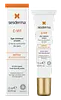
This anti-aging eye moisturizer is formulated around Superoxide Dismutase and Palmitoyl Tetrapeptide-7 to soften the look of wrinkles and brighten dull-looking skin.
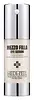
This anti-aging eye moisturizer is formulated around Niacinamide and Adenosine to soften the look of wrinkles and refine skin texture.


What's inside
What's inside
 Key Ingredients
Benefits
Concerns
Ingredients Side-by-side
Water
Skin ConditioningCyclopentasiloxane
Emollient
Propanediol
Solvent

Pentylene Glycol
Skin Conditioning
Caprylic/Capric Triglyceride
Masking
Propylene Glycol
Humectant

Isostearyl Isostearate
Emollient


Glycerin
Humectant
PEG-100 Stearate
Surfactant
Glyceryl Stearate
Emollient
PEG-40 Hydrogenated Castor Oil
Emulsifying
Glyceryl Behenate
Emollient
Cetyl Alcohol
Emollient
Arachidyl Alcohol
Emollient
Superoxide Dismutase
Antioxidant



Resveratrol Dimethyl Ether
Antioxidant
Quercetin
Antioxidant
Pinanediol
Skin ConditioningPalmitoyl Tetrapeptide-7
Skin Conditioning

Methylsilanol Mannuronate
Skin ConditioningMelilotus Officinalis Extract
AstringentHydrolyzed Rice Bran Protein
Skin ConditioningHesperidin Methyl Chalcone
Antioxidant
Glycine Soja Protein
EmulsifyingGinkgo Biloba Leaf Extract
Skin Conditioning
Dipeptide-2
Skin Conditioning
Citrus Aurantium Dulcis Fruit Extract
MaskingCamphanediol
Skin Conditioning3-O-Ethyl Ascorbic Acid
Skin Conditioning

Palmitoyl Dipeptide-5 Diaminohydroxybutyrate
Skin Conditioning
Palmitoyl Dipeptide-5 Diaminobutyroyl Hydroxythreonine
Skin Conditioning
Cyclohexasiloxane
Emollient
Behenyl Alcohol
Emollient
Tocopheryl Acetate
Antioxidant
Ammonium Acryloyldimethyltaurate/Vp Copolymer
Lecithin
Emollient
Arachidyl Glucoside
EmulsifyingAlcohol
Antimicrobial


Mica
Cosmetic ColorantTitanium Dioxide
Cosmetic Colorant

Triethanolamine
BufferingPolysorbate 20
Emulsifying
Dimethicone/Vinyl Dimethicone Crosspolymer
Skin Conditioning
BHT
Antioxidant
Glyceryl Polyacrylate
Steareth-20
CleansingDisodium EDTA
ChelatingButylene Glycol
Humectant
Sodium Chloride
MaskingSodium Cholate
Skin ConditioningSodium Citrate
BufferingChlorhexidine Digluconate
Antimicrobial
Citric Acid
Buffering
Sodium Dextran Sulfate
Gel FormingSodium Hydroxide
BufferingPhenoxyethanol
Preservative
Ethylhexylglycerin
Skin ConditioningPotassium Sorbate
Preservative
Sodium Benzoate
Masking
Sorbic Acid
Preservative
Parfum
Masking

Citronellyl Methylcrotonate
Masking
Limonene
Perfuming
Linalool
Perfuming
Citral
Perfuming
CI 15985
Cosmetic ColorantWater, Cyclopentasiloxane, Propanediol, Pentylene Glycol, Caprylic/Capric Triglyceride, Propylene Glycol, Isostearyl Isostearate, Glycerin, PEG-100 Stearate, Glyceryl Stearate, PEG-40 Hydrogenated Castor Oil, Glyceryl Behenate, Cetyl Alcohol, Arachidyl Alcohol, Superoxide Dismutase, Resveratrol Dimethyl Ether, Quercetin, Pinanediol, Palmitoyl Tetrapeptide-7, Methylsilanol Mannuronate, Melilotus Officinalis Extract, Hydrolyzed Rice Bran Protein, Hesperidin Methyl Chalcone, Glycine Soja Protein, Ginkgo Biloba Leaf Extract, Dipeptide-2, Citrus Aurantium Dulcis Fruit Extract, Camphanediol, 3-O-Ethyl Ascorbic Acid, Palmitoyl Dipeptide-5 Diaminohydroxybutyrate, Palmitoyl Dipeptide-5 Diaminobutyroyl Hydroxythreonine, Cyclohexasiloxane, Behenyl Alcohol, Tocopheryl Acetate, Ammonium Acryloyldimethyltaurate/Vp Copolymer, Lecithin, Arachidyl Glucoside, Alcohol, Mica, Titanium Dioxide, Triethanolamine, Polysorbate 20, Dimethicone/Vinyl Dimethicone Crosspolymer, BHT, Glyceryl Polyacrylate, Steareth-20, Disodium EDTA, Butylene Glycol, Sodium Chloride, Sodium Cholate, Sodium Citrate, Chlorhexidine Digluconate, Citric Acid, Sodium Dextran Sulfate, Sodium Hydroxide, Phenoxyethanol, Ethylhexylglycerin, Potassium Sorbate, Sodium Benzoate, Sorbic Acid, Parfum, Citronellyl Methylcrotonate, Limonene, Linalool, Citral, CI 15985
Water
Skin ConditioningGlycerin
Humectant
Butylene Glycol
Humectant
Alcohol
Antimicrobial
Niacinamide
Smoothing



Dimethicone/Vinyl Dimethicone Crosspolymer
Skin Conditioning
Hydroxypropyl Methylcellulose
Emulsion StabilisingPullulan
Glycosyl Trehalose
Emulsion StabilisingHydrogenated Starch Hydrolysate
Humectant1,2-Hexanediol
Skin Conditioning
Glyceryl Acrylate/Acrylic Acid Copolymer
HumectantSodium Hyaluronate
Humectant
Propylene Glycol
Humectant
Gellan Gum
Scutellaria Baicalensis Root Extract
Astringent
Hydrogenated Polyisobutene
EmollientAnemarrhena Asphodeloides Root Extract
Skin Conditioning
Algae Extract
Emollient
Myrothamnus Flabellifolia Callus Culture Extract
Antioxidant
Oenothera Biennis Flower Extract
AstringentSophora Flavescens Root Extract
Antioxidant
Thuja Orientalis Extract
AntimicrobialScutellaria Baicalensis Extract
AntimicrobialTaraxacum Officinale Extract
Skin ConditioningAllantoin
Skin Conditioning
Panthenol
Skin Conditioning
Adenosine
Skin Conditioning
Palmitoyl Tripeptide-1
Skin Conditioning
Palmitoyl Tetrapeptide-7
Skin Conditioning
Sh-Oligopeptide-1
Skin Conditioning
Sh-Oligopeptide-2
Skin Conditioning
Sh-Polypeptide-1
Skin Conditioning
Sh-Polypeptide-3
Skin Conditioning
Sh-Polypeptide-16
Skin Protecting
Polylactic Acid
Abrasive
C12-14 Sec-Pareth-7
EmulsifyingOriganum Vulgare Flower/Leaf/Stem Extract
Skin ConditioningLavandula Angustifolia Extract
Skin Conditioning
Rosmarinus Officinalis Extract
AntimicrobialThymus Vulgaris Extract
Perfuming
Porphyridium Cruentum Extract
Skin ConditioningTromethamine
BufferingEthylhexylglycerin
Skin ConditioningGlyceryl Caprylate
EmollientCarbomer
Emulsion StabilisingCyclopentasiloxane
Emollient
Dimethiconol
Emollient
Chondrus Crispus Powder
Abrasive
Synthetic Fluorphlogopite
Agar
MaskingTitanium Dioxide
Cosmetic Colorant
Acrylates/C10-30 Alkyl Acrylate Crosspolymer
Emulsion StabilisingMica
Cosmetic ColorantCI 77491
Cosmetic ColorantTin Oxide
Abrasive
Coceth-7
EmulsifyingPPG-1-PEG-9 Lauryl Glycol Ether
EmulsifyingPEG-40 Hydrogenated Castor Oil
Emulsifying
Polyglyceryl-10 Laurate
Skin Conditioning
Phenoxyethanol
Preservative
Dipotassium Glycyrrhizate
Humectant
Disodium EDTA
ChelatingParfum
Masking
Water, Glycerin, Butylene Glycol, Alcohol, Niacinamide, Dimethicone/Vinyl Dimethicone Crosspolymer, Hydroxypropyl Methylcellulose, Pullulan, Glycosyl Trehalose, Hydrogenated Starch Hydrolysate, 1,2-Hexanediol, Glyceryl Acrylate/Acrylic Acid Copolymer, Sodium Hyaluronate, Propylene Glycol, Gellan Gum, Scutellaria Baicalensis Root Extract, Hydrogenated Polyisobutene, Anemarrhena Asphodeloides Root Extract, Algae Extract, Myrothamnus Flabellifolia Callus Culture Extract, Oenothera Biennis Flower Extract, Sophora Flavescens Root Extract, Thuja Orientalis Extract, Scutellaria Baicalensis Extract, Taraxacum Officinale Extract, Allantoin, Panthenol, Adenosine, Palmitoyl Tripeptide-1, Palmitoyl Tetrapeptide-7, Sh-Oligopeptide-1, Sh-Oligopeptide-2, Sh-Polypeptide-1, Sh-Polypeptide-3, Sh-Polypeptide-16, Polylactic Acid, C12-14 Sec-Pareth-7, Origanum Vulgare Flower/Leaf/Stem Extract, Lavandula Angustifolia Extract, Rosmarinus Officinalis Extract, Thymus Vulgaris Extract, Porphyridium Cruentum Extract, Tromethamine, Ethylhexylglycerin, Glyceryl Caprylate, Carbomer, Cyclopentasiloxane, Dimethiconol, Chondrus Crispus Powder, Synthetic Fluorphlogopite, Agar, Titanium Dioxide, Acrylates/C10-30 Alkyl Acrylate Crosspolymer, Mica, CI 77491, Tin Oxide, Coceth-7, PPG-1-PEG-9 Lauryl Glycol Ether, PEG-40 Hydrogenated Castor Oil, Polyglyceryl-10 Laurate, Phenoxyethanol, Dipotassium Glycyrrhizate, Disodium EDTA, Parfum
Ingredients Explained
These ingredients are found in both products.
Ingredients higher up in an ingredient list are typically present in a larger amount.
This ingredient is also called ethanol or ethyl alcohol. It is denatured, meaning made undrinkable for cosmetic use.
In formulas, it:
Is it bad for your skin?
The answer comes down to concentration. Patch and wash studies have found highly concentrated alcohol-based hand rubs (60-100%) cause less barrier disruption than washing with a basic detergent like SLS. The only measurable effect in these studies was a temporary dip in skin hydration.
Concentrations below 12-15% in leave-on cosmetics is generally well-tolerated. Concentrations above start to see increased transepidermal water loss (TEWL) and reduced hydration.
In concentrations about 58%, it creates temporary channels in your skin's lipid layers to become more permeable and allow other ingredients to slip through easily.
This ingredient can be up to 80% of the formula in alcohol-based perfumes.
Overall, this ingredient is probably harmless if found lower down an ingredients list but worth side-eyeing if it's high up (especially if your barrier is already struggling).
Alcohol can worsen dry skin, eczema, and oily skin, especially at higher concentrations. This is because it can increase transepidermal water loss and decrease hydration to disrupt the skin barrier.
According to the National Rosacea Society based in the US, you should be mindful of products with these alcohols in the top half of ingredients.
True allergic contact dermatitis to ethanol is uncommon, but be sure to patch test if you have dry or sensitive skin.
Learn more about AlcoholButylene Glycol (or BG) is used within cosmetic products for a few different reasons:
Overall, Butylene Glycol is a safe and well-rounded ingredient that works well with other ingredients.
Though this ingredient works well with most skin types, some people with sensitive skin may experience a reaction such as allergic rashes, closed comedones, or itchiness.
Learn more about Butylene GlycolCyclopentasiloxane (D5) is a lightweight silicone that mostly acts as an emollient and solvent in cosmetics. Its the reason your products feel silky, fast-spreading, and non-greasy.
Since D5 is volatile, it does its thing and then evaporates off the skin quickly.
The safety profile of this ingredient is reassuring; the US CIR Expert Panel concluded D5 is safe as used in cosmetics and Health Canada concluded that D5 is not harmful to human health or the environment as currently used in cosmetics
There's a study that people mention about D5 in a rat study showing tumors. This study is related to long-term inhalation of high D5 levels.
Regulatory bodies have judged this study to be not applicable in topical skincare since skin absorption of D5 is very low and we're not really inhaling huge amounts of D5.
The only restriction for this ingredient is environmental. The European Chemicals Agency (ECHA) restricted D5 in wash-off cosmetics at or above 0.1% due to their persistence in water.
Learn more about CyclopentasiloxaneThis ingredient is a silicone elastomer that works as a texture enhancer, adds a silky slip, and also helps absorb excess oil.
Because it's a large macromolecule that's insoluble in water and chemically inert, it's not expected to penetrate or be absorbed into skin.
Human patch tests with a facial lotion containing 1% of this ingredient found no sensitization.
Learn more about Dimethicone/Vinyl Dimethicone CrosspolymerDisodium EDTA is a chelating agent. It grabs onto and deactivates metal ions that sneak into your products from water, packaging, or air.
This ingredient mainly works behind the scenes and helps with:
On top of that, this ingredient can counteract the effects of hard water by binding to the minerals in it.
One thing worth knowing is that Disodium EDTA has been shown to be a mild penetration enhancer. It can help other ingredients absorb into skin more effectively which can be a double-edged sword (great for actives, but can also make the active too strong if you have sensitive skin).
Clinical patch testing showed no significant skin irritation at typical use concentrations and minimal dermal absorption.
You'll most likely see this ingredient near the end of an ingredient list. It's typically found in concentrations less than 1%.
Learn more about Disodium EDTAEthylhexylglycerin is created from glycerin. It is a multitasker ingredient that:
The CIR Expert Panel found minimal skin absorption or sensitization of any kind in a safety assessment. Though this ingredient is considered well-tolerated, a small number of cases of allergic dermatitis have been published since 2002. Just be sure to patch test if you are unsure.
Industry-reported use ranges from 8% in rinse-off products and 2% in leave-on formulations.
Learn more about EthylhexylglycerinGlycerin (or glycerol) is a compound naturally found in your skin. It's a powerhouse humectant that pulls water into the stratum corneum.
Topically, glycerin does several things at once:
Your skin makes glycerin on its own (mostly from sebaceous oil breakdown) and shuttles it to your outermost layer of skin, or your epidermis, via aquaporin-3.
Aquaporin-3 is a transporter that is essential for normal skin hydration, elasticity, and repair. Interestingly, mice lacking in AQP3 have dry and less elastic skin that can be fully corrected with glycerin.
This ingredient is non-irritating, plays well with almost every ingredient, and works across all skin types. Typical use is anywhere between 3-10% but can go up to 79% in some leave-on products.
Just know very high concentrations (>40%) can feel tacky in low humidity.
Glycerin is the name for this ingredient in American English. British English uses Glycerol/Glycerine.
Learn more about GlycerinMica is a naturally occurring mineral used to add shimmer and color in cosmetics. It can also help improve the texture of a product or give it an opaque, white/silver color.
Serecite is the name for very fine but ragged grains of mica.
This ingredient is often coated with metal oxides like titanium dioxide. Trace amounts of heavy metals may be found in mica, but these metals are not harmful in our personal products.
Mica has been used since prehistoric times throughout the world. Ancient Egyptian, Indian, Greek, Roman, Aztec, and Chinese civilizations have used mica.
Learn more about MicaPalmitoyl Tetrapeptide-7 (formerly Palmitoyl Tetrapeptide-3) is a synthetic peptide. Its main job is to fight what researchers call "inflammaging".
"Inflammaging" is the slow, low-grade chronic inflammation that quietly breaks down collagen as we age.
This ingredient calms down a specific inflammation signal in your skin cells (called IL-6). When left unchecked, this signal triggers enzymes that break down collagen and elastin.
Clinical testing showed statistically significant improvements in:
Studies also found the more of this ingredient used, the more your skin produces Collagen I, fibronectin, and hyaluronic acid.
You'll likely see this ingredient paired with Palmitoyl Tripeptide-1 in the well-known Matrixyl 3000 complex for enhanced anti-aging effects.
A 3% concentration applied twice daily for two months showed meaningful skin rejuvenation results in clinical panels.
Fungal acne note:
Usually a palmitic acid component can feed Malassezia in unbound form, but here is is covalently bonded to the peptide. This means it is very difficult for Malassezia to access, and therefore very unlikely to cause fungal acne.
Parfum is a catch-all term for an ingredient or more that is used to give a scent to products.
Also called "fragrance", this ingredient can be a blend of hundreds of chemicals or plant oils. This means every product with "fragrance" or "parfum" in the ingredients list is a different mixture.
For instance, Habanolide is a proprietary trade name for a specific aroma chemical. When used as a fragrance ingredient in cosmetics, most aroma chemicals fall under the broad labeling category of “FRAGRANCE” or “PARFUM” according to EU and US regulations.
The term 'parfum' or 'fragrance' is not regulated in many countries. In many cases, it is up to the brand to define this term.
For instance, many brands choose to label themselves as "fragrance-free" because they are not using synthetic fragrances. However, their products may still contain ingredients such as essential oils that are considered a fragrance by INCI standards.
One example is Calendula flower extract. Calendula is an essential oil that still imparts a scent or 'fragrance'.
Depending on the blend, the ingredients in the mixture can cause allergies and sensitivities on the skin. Some ingredients that are known EU allergens include linalool and citronellol.
Parfum can also be used to mask or cover an unpleasant scent.
The bottom line is: not all fragrances/parfum/ingredients are created equally. If you are worried about fragrances, we recommend taking a closer look at an ingredient. And of course, we always recommend speaking with a professional.
Learn more about ParfumPEG-40 Hydrogenated Castor Oil is an emulsifier derived from castor oil.
As an emulsifying agent, it helps other ingredients like fragrances and fat-soluble vitamins dissolve cohesively.
Due to its large molecule size, it doesn't penetrate beyond the skin's surface.
This ingredient has a solid regulatory track record; the CIR Expert Panel first concluded it was safe for use in cosmetics at concentrations up to 100% in 1997. A 2012 reassessment reaffirmed that finding. Safety studies have also found no irritation or evidence of toxicity.
A 2019 study did find this ingredient to grow Malassezia, so this ingredient may not be fungal acne safe.
Learn more about PEG-40 Hydrogenated Castor OilPhenoxyethanol is one of the most widely used preservatives in skincare (and for good reason!).
It has a large spectrum of antimicrobial activity and especially effective bacteria, yeast, and mold while only having a weak effect on your skin's natural microbiome.
On a cellular level, it disrupts the cell membranes of microbes by poking holes that make the cell leak. This shuts down the chemical reactions the microbe needs to make energy so it can no longer survive.
Another perk of this ingredient is that it stays functional across a wide pH range (3-10).
You'll often see it paired with boosters like Ethylhexylglycerin; one study showed that a 1:9 ratio of Ethylhexylglycerin to Phenoxyethanol damages bacterial membranes as effectively as doubling the Phenoxyethanol concentration on its own.
Typical use concentrations range from 0.3-1% depending on the formula, and this ingredient is capped at 1% int the EU.
Safety-wise, the fear mongering does not hold up to the evidence. The EU's Scientific Committee on Consumer Safety and FDA consider it safe as a preservative at up to 1%, including for children of all ages.
Adverse systemic effects only showed up in animal studies at exposures roughly 200x higher than what people get from cosmetics. And despite its very widespread use, this ingredient is a rare sensitizer and allergic reactions are uncommon.
Learn more about PhenoxyethanolPropylene Glycol is a synthetic, colorless, odorless liquid that has been a staple in cosmetics for decades. It is a skin conditioning agent, humectant, and solvent.
As a humectant, it draw water to the skin to reduce flaking and restore suppleness. It's also a solvent that helps dissolve other actives and keeps formulas stable across temperature changes.
The CIR Expert Panel has confirmed this ingredient to be nontoxic and clinical studies show no sensitization at cosmetic use concentrations.
True allergic reactions are quite rare: a 15-year retrospective study of 6,751 patients found only 0.31% had a positive reaction (and less than half were considered clinically relevant).
It seemed that when sensitization does occur, it's most commonly linked to topical medication (like corticosteroids) and not cosmetics. Allergic contact dermatitis also appears largely limited to individuals with underlying skin conditions.
Overall, propylene glycol is a well-studied ingredient that most people can tolerate without issue.
Learn more about Propylene GlycolTitanium Dioxide (TD) is a mineral UV filter widely used in sunscreens and cosmetics.
It's one of only two UV filters officially classified as "mineral" by regulatory agencies (the other being Zinc Oxide).
A really common myth is that mineral filters work by reflecting UV light off your skin like tiny mirrors.
They don't only do that; modern research shows TD protects mostly by absorbing UV radiation, the same way chemical filters do.
When researchers measured this, reflection accounted for only about 4-5% of the protection (and less than SPF 2 on its own). The other ~95% comes from absorption: the UV photons hit the particle and their energy gets soaked up by its semiconductor band gap rather than bouncing off.
So "reflects vs. absorbs" was never really the right way to split mineral from chemical filters.
TD gives broad-spectrum protection that's strongest in the UVB and UVA-2 range and weaker in the UVA-1 range. Its UVA protection isn't quite as strong as Zinc Oxide's which is why you'll often see the two paired together.
Together, they make a solid broad-spectrum system.
TD is a great pick for sensitive, acne-prone, or redness-prone skin because it's non-irritating and chemically inert. Regulatory reviews classify it as a non-sensitizer and mild-to-non-irritant.
It's also unlikely to cause the "eye sting" some chemical filters are known for.
The main trade-off is cosmetic; TD can leave a white cast and has a thicker texture. This is why mineral sunscreens are often less cosmetically elegant than chemical or hybrid formulas (and harder to shade-match on deeper skin tones).
Formulators often use micronized or nano-sized TD to cut down on white case and improve spreadability. Smaller particles scatter less visible light so the formula looks less chalky while still filtering UV.
TD is almost always bundled with coatings like Alumina, Silica, Stearic Acid, or Dimethicone. These coatings do two important jobs:
TD can be used at up to 25% in a finished sunscreen; this is the regulatory ceiling in both the US and the EU.
In practice, the amount in any given product varies a lot depending on the target SPF and whether it's paired with other UV filters.
TD is one of the most heavily vetted sunscreen ingredients out there. It is approved as a UV filter in all major markets worldwide, including the US, EU, UK, Japan, Korea, China, Australia, and Canada.
The safety evidence is solid. There was an old worry that nano particles might absorb through skin into the body but multiple studies (including on damaged, sunburned, and UV-irradiated skin) have shown that TD stays on the surface and the layer of dead skin cells on top of everything else.
There's also no evidence of carcinogenicity, mutagenicity, or reproductive toxicity from dermal exposure of this ingredient.
For those who have seen the headline about a 2022 EU ban on TD, that was on TD as a food additive (a complete separate use from topical sunscreen).
There are ongoing questions about how nano-TD might affect marine ecosystems. As of now, there has been no conclusive evidence that any form of TD (or any other sunscreen filter) harms coral reefs or marine life.
The science is still developing and it's a space worth watching rather than packing over.
However, several destinations have reef-safety sunscreen rules that restrict certain chemical filters and steer visitors toward mineral, non-nano options. If you're traveling somewhere with these rules, a non-nano mineral sunscreen is the safe bet.
Learn more about Titanium DioxideWater. It's the most common cosmetic ingredient of all. You'll usually see it at the top of ingredient lists, meaning that it makes up the largest part of the product.
So why is it so popular? Water most often acts as a solvent - this means that it helps dissolve other ingredients into the formulation.
You'll also recognize water as that liquid we all need to stay alive. If you see this, drink a glass of water. Remember to stay hydrated!
Learn more about Water

