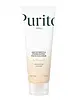
This smoothing exfoliator is formulated around Avena Sativa Seed Water and Avena Sativa Kernel Flour to refine skin texture and calm redness.
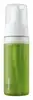
This salicylic acid foaming cleanser is formulated around Salicylic Acid to clear breakouts and unclog pores.

What's inside
What's inside
 Key Ingredients
Benefits
Concerns
Ingredients Side-by-side
Glycerin
Humectant


Sodium Cocoyl Isethionate
Cleansing
Avena Sativa Seed Water
Solvent

Water
Skin ConditioningPrunus Amygdalus Dulcis Seed Meal
Abrasive
Hydroxypropyl Starch Phosphate
Sodium Methyl Cocoyl Taurate
Cleansing
1,2-Hexanediol
Skin Conditioning
Avena Sativa Kernel Flour
Abrasive
Zea Mays Starch
Absorbent
Kaolin
Abrasive

Sodium Chloride
MaskingButylene Glycol
Humectant
Hectorite
AbsorbentEthylhexylglycerin
Skin ConditioningAlcohol Denat.
Antimicrobial




Cellulose
Absorbent
Sodium Cocoyl Glycinate
Cleansing
Sodium Lauroyl Glutamate
SurfactantHelianthus Annuus Seed Oil
Emollient

Zea Mays Germ Oil
Emollient
Caprylic/Capric Triglyceride
Masking
Glyceryl Behenate/Eicosadioate
Emollient
Glyceryl Stearate
Emollient
Glyceryl Stearate Se
Emulsifying

Polyglyceryl-10 Behenate/Eicosadioate
EmulsifyingPhellodendron Amurense Bark Extract
Skin ConditioningDextrin
AbsorbentTheobroma Cacao Seed Extract
Antioxidant
Avena Sativa Kernel Extract
Abrasive
Dipotassium Glycyrrhizate
Humectant
Squalane
Emollient
Panthenol
Skin Conditioning
Sodium Hyaluronate Crosspolymer
Humectant
Sodium Benzoate
Masking
Lactobacillus Ferment
Skin Conditioning
Potassium Sorbate
Preservative
Sodium Phytate
Dipropylene Glycol
HumectantCitric Acid
Buffering

Pentylene Glycol
Skin Conditioning
Oryza Sativa Starch
AbsorbentAvena Sativa Peptide
Skin Conditioning
Triticum Aestivum Peptide
Skin Conditioning
Glycine Max Polypeptide
Skin Conditioning
Tripropylene Glycol
Antioxidant
Dimethyl Isosorbide
SolventSodium DNA
Skin Conditioning
Beta-Glucan
Skin Conditioning
Pentaerythrityl Tetra-Di-T-Butyl Hydroxyhydrocinnamate
Antioxidant
Glycerin, Sodium Cocoyl Isethionate, Avena Sativa Seed Water, Water, Prunus Amygdalus Dulcis Seed Meal, Hydroxypropyl Starch Phosphate, Sodium Methyl Cocoyl Taurate, 1,2-Hexanediol, Avena Sativa Kernel Flour, Zea Mays Starch, Kaolin, Sodium Chloride, Butylene Glycol, Hectorite, Ethylhexylglycerin, Alcohol Denat., Cellulose, Sodium Cocoyl Glycinate, Sodium Lauroyl Glutamate, Helianthus Annuus Seed Oil, Zea Mays Germ Oil, Caprylic/Capric Triglyceride, Glyceryl Behenate/Eicosadioate, Glyceryl Stearate, Glyceryl Stearate Se, Polyglyceryl-10 Behenate/Eicosadioate, Phellodendron Amurense Bark Extract, Dextrin, Theobroma Cacao Seed Extract, Avena Sativa Kernel Extract, Dipotassium Glycyrrhizate, Squalane, Panthenol, Sodium Hyaluronate Crosspolymer, Sodium Benzoate, Lactobacillus Ferment, Potassium Sorbate, Sodium Phytate, Dipropylene Glycol, Citric Acid, Pentylene Glycol, Oryza Sativa Starch, Avena Sativa Peptide, Triticum Aestivum Peptide, Glycine Max Polypeptide, Tripropylene Glycol, Dimethyl Isosorbide, Sodium DNA, Beta-Glucan, Pentaerythrityl Tetra-Di-T-Butyl Hydroxyhydrocinnamate
Morinda Citrifolia Extract 35.511%
AstringentWater
Skin ConditioningCocamidopropyl Betaine
Cleansing
Butylene Glycol
Humectant
Glycerin
Humectant
Potassium Cocoyl Glycinate
Surfactant
Lauramide DEA
SurfactantSodium Chloride
MaskingDisodium Cocoamphodiacetate
CleansingSodium Cocoyl Glutamate
Cleansing
Panthenol
Skin Conditioning
1,2-Hexanediol
Skin Conditioning
Methylpropanediol
SolventAllantoin
Skin Conditioning
Salicylic Acid
Masking
Caprylyl Glycol
Emollient
Sodium Benzoate
Masking
Dipotassium Glycyrrhizate
Humectant
Rosmarinus Officinalis Leaf Oil
Masking
Salix Alba Bark Extract
Astringent
Camellia Sinensis Leaf Extract
Antimicrobial
Centella Asiatica Leaf Extract
Skin Conditioning
Cladosiphon Okamuranus Extract
Skin Conditioning
Decyl Glucoside
Cleansing
Buteth-3
SolventPiroctone Olamine
Preservative
Disodium EDTA
Citric Acid
Buffering
Melia Azadirachta Leaf Extract
Skin ConditioningCoffea Arabica Seed Extract
Masking
Sodium Benzotriazolyl Butylphenol Sulfonate
UV AbsorberMelia Azadirachta Flower Extract
Skin ConditioningPrunus Mume Fruit Extract
Humectant
Lonicera Japonica Flower Extract
Skin ConditioningScutellaria Baicalensis Root Extract
Astringent
Citrus Aurantium Bergamia Leaf Extract
AstringentPinus Densiflora Leaf Extract
Antimicrobial
Tributyl Citrate
SolventTheobroma Cacao Extract
Skin ConditioningDextrin
AbsorbentPinus Palustris Leaf Extract
TonicUlmus Davidiana Root Extract
Skin Conditioning
Oenothera Biennis Flower Extract
AstringentPueraria Lobata Root Extract
HumectantMorinda Citrifolia Extract 35.511%, Water, Cocamidopropyl Betaine, Butylene Glycol, Glycerin, Potassium Cocoyl Glycinate, Lauramide DEA, Sodium Chloride, Disodium Cocoamphodiacetate, Sodium Cocoyl Glutamate, Panthenol, 1,2-Hexanediol, Methylpropanediol, Allantoin, Salicylic Acid, Caprylyl Glycol, Sodium Benzoate, Dipotassium Glycyrrhizate, Rosmarinus Officinalis Leaf Oil, Salix Alba Bark Extract, Camellia Sinensis Leaf Extract, Centella Asiatica Leaf Extract, Cladosiphon Okamuranus Extract, Decyl Glucoside, Buteth-3, Piroctone Olamine, Disodium EDTA, Citric Acid, Melia Azadirachta Leaf Extract, Coffea Arabica Seed Extract, Sodium Benzotriazolyl Butylphenol Sulfonate, Melia Azadirachta Flower Extract, Prunus Mume Fruit Extract, Lonicera Japonica Flower Extract, Scutellaria Baicalensis Root Extract, Citrus Aurantium Bergamia Leaf Extract, Pinus Densiflora Leaf Extract, Tributyl Citrate, Theobroma Cacao Extract, Dextrin, Pinus Palustris Leaf Extract, Ulmus Davidiana Root Extract, Oenothera Biennis Flower Extract, Pueraria Lobata Root Extract
Reviews
Alternatives
Ingredients Explained
These ingredients are found in both products.
Ingredients higher up in an ingredient list are typically present in a larger amount.
1,2-Hexanediol is a synthetic liquid and another multi-functional powerhouse.
It is a:
- Humectant, drawing moisture into the skin
- Emollient, helping to soften skin
- Solvent, dispersing and stabilizing formulas
- Preservative booster, enhancing the antimicrobial activity of other preservatives
Butylene Glycol (or BG) is used within cosmetic products for a few different reasons:
Overall, Butylene Glycol is a safe and well-rounded ingredient that works well with other ingredients.
Though this ingredient works well with most skin types, some people with sensitive skin may experience a reaction such as allergic rashes, closed comedones, or itchiness.
Learn more about Butylene GlycolCitric Acid is an alpha hydroxy acid (AHA) naturally found in citrus fruits like oranges, lemons, and limes.
Like other AHAs, citric acid can exfoliate skin by breaking down the bonds that hold dead skin cells together. This helps reveal smoother and brighter skin underneath.
However, this exfoliating effect only happens at high concentrations (20%) which can be hard to find in cosmetic products.
Due to this, citric acid is usually included in small amounts as a pH adjuster. This helps keep products slightly more acidic and compatible with skin's natural pH.
In skincare formulas, citric acid can:
While it can provide some skin benefits, research shows lactic acid and glycolic acid are generally more effective and less irritating exfoliants.
Most citric acid used in skincare today is made by fermenting sugars (usually from molasses). This synthetic version is identical to the natural citrus form but easier to stabilize and use in formulations.
Rosacea skin has a lower threshold for acids generally, with 62.5% of rosacea subjects in one study reacting to lactic acid in a sting test. This is why we mark citric acid as a potential rosacea trigger.
However, this ingredient shows up as a pH adjuster or chelator at roughly 0.1-1% in many products. These low levels are unlikely to be an issue for rosacea skin and becomes a potential trigger at exfoliating concentrations (20%). Because everybody's skin is unique, we recommend a patch test if you are unsure.
Learn more about Citric AcidDextrin is a starch-derived polysaccharide. It's made by partially breaking down corn, potato, or other plant starches.
Think of it as "half-processed" starch; it's less complex than the original but not fully broken down into sugar like maltodextrin.
In cosmetics, it mainly functions as a bulking agent, viscosity controller, binder, and absorbent. It helps thicken products, stabilize powders, and get certain textures a less "wet" feel.
This ingredient has a pretty solid safety profile; it's recognized as a safe food additive and its large molecular size means it doesn't meaningfully penetrate skin.
Human repeat insult patch tests using a rinse-off facial product containing 42.69% dextrin found no skin irritation or sensitization in 54 subjects.
Typical real-world usage is much lower: usually under 1% as a texture modifier and up to 40% in masks (rinse off products use less).
Learn more about DextrinDipotassium Glycyrrhizate comes from licorice root.
Extracts of licorice have demonstrated to have antibacterial, anti‐inflammatory, antiviral, antioxidant properties.
One component, glabridin, has extra potent antioxidant and soothing properties. It has also been found to block pigmentation from UVB rays in guinea pigs.
Licorice Root also contains a flavonoid. Flavonoids are a natural substance from in plants. Flavonoids also have antioxidant properties.
Another component, glycyrrhizin, has been found to have anti-inflammatory and antimicrobial benefits. This may make licorice root extract effective at treating acne. However, more research is needed to support this.
Liquiritin is one of the flavone compounds found in licorice. It has been found to help lighten skin by preventing tyrosinase from reacting with tyrosine. When the two react, protein is converted to melanin. Melanin is the substance in your body that gives your features pigmentation.
Licorice root is native to Southern Europe and Asia. It has been used in traditional Chinese medicine to help with respiratory issues.
Learn more about Dipotassium GlycyrrhizateGlycerin (or glycerol) is a compound naturally found in your skin. It's a powerhouse humectant that pulls water into the stratum corneum.
Topically, glycerin does several things at once:
Your skin makes glycerin on its own (mostly from sebaceous oil breakdown) and shuttles it to your outermost layer of skin, or your epidermis, via aquaporin-3.
Aquaporin-3 is a transporter that is essential for normal skin hydration, elasticity, and repair. Interestingly, mice lacking in AQP3 have dry and less elastic skin that can be fully corrected with glycerin.
This ingredient is non-irritating, plays well with almost every ingredient, and works across all skin types. Typical use is anywhere between 3-10% but can go up to 79% in some leave-on products.
Just know very high concentrations (>40%) can feel tacky in low humidity.
Glycerin is the name for this ingredient in American English. British English uses Glycerol/Glycerine.
Learn more about GlycerinPanthenol is a common ingredient that helps hydrate and soothe the skin. It is found naturally in our skin and hair.
There are two forms of panthenol: D and L.
D-panthenol is also known as dexpanthenol. Most cosmetics use dexpanthenol or a mixture of D and L-panthenol.
Panthenol is famous due to its ability to go deeper into the skin's layers. Using this ingredient has numerous pros (and no cons):
Like hyaluronic acid, panthenol is a humectant. Humectants are able to bind and hold large amounts of water to keep skin hydrated.
This ingredient works well for wound healing. It works by increasing tissue in the wound and helps close open wounds.
Once oxidized, panthenol converts to pantothenic acid. Panthothenic acid is found in all living cells.
This ingredient is also referred to as pro-vitamin B5.
Learn more about PanthenolSodium Benzoate is a preservative. It's used in both cosmetic and food products to inhibit the growth of mold and bacteria. It is typically produced synthetically.
Both the US FDA and EU Health Committee have approved the use of sodium benzoate. In the US, levels of 0.1% (of the total product) are allowed.
Sodium benzoate works as a preservative by inhibiting the growth of bacteria inside of cells. It prevents the cell from fermenting a type of sugar using an enzyme called phosphofructokinase.
It is the salt of benzoic acid. Foods containing sodium benzoate include soda, salad dressings, condiments, fruit juices, wines, and snack foods.
Studies for using ascorbic acid and sodium benzoate in cosmetics are lacking, especially in skincare routines with multiple steps.
We always recommend speaking with a professional, such as a dermatologist, if you have any concerns.
Learn more about Sodium BenzoateChances are, you eat sodium chloride every day. Sodium Chloride is also known as table salt. This ingredient has many purposes in skincare: thickener, emulsifier, and exfoliator.
You'll most likely find this ingredient in cleansers where it is used to create a gel-like texture. As an emulsifier, it also prevents ingredients from separating.
You might see people debate whether Sodium Chloride is comedogenic, but there actually haven't been any comedogenic tests done on it. Either way, the overall formulation of a product matters a lot more than any single ingredient.
You might see this ingredient used in scrubs as a primary exfoliating ingredient.
Learn more about Sodium ChlorideWater. It's the most common cosmetic ingredient of all. You'll usually see it at the top of ingredient lists, meaning that it makes up the largest part of the product.
So why is it so popular? Water most often acts as a solvent - this means that it helps dissolve other ingredients into the formulation.
You'll also recognize water as that liquid we all need to stay alive. If you see this, drink a glass of water. Remember to stay hydrated!
Learn more about Water

