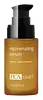
This anti-aging serum is formulated around Gluconolactone and Bisabolol to soften the look of wrinkles and refine skin texture.

What's inside
What's inside
 Key Ingredients
Benefits
Concerns
Ingredients Side-by-side
Water
Skin ConditioningAlcohol Denat.
Antimicrobial




Glycerin
Humectant


Hydroxyethyl Acrylate/Sodium Acryloyldimethyl Taurate Copolymer
Emulsion StabilisingAminomethyl Propanol
BufferingGluconolactone
Chelating






Acrylates/C10-30 Alkyl Acrylate Crosspolymer
Emulsion StabilisingPolysorbate 20
Emulsifying
Bisabolol
Antioxidant


Isomalt
HumectantSodium Benzoate
Masking
Sodium Lactate
Buffering
Sodium PCA
Humectant
Caprylyl Glycol
Emollient
1,2-Hexanediol
Skin Conditioning
Mentha Piperita Oil
Masking



Tocopherol
Antioxidant

Citrus Paradisi Peel Oil
Masking
Glutathione
Squalane
Emollient
Oryza Sativa Bran Oil
Emollient
Citrus Aurantium Dulcis Peel Oil
Masking
Phospholipids
Skin Conditioning
Tropolone
Skin ConditioningTocotrienols
Skin Conditioning
Camellia Sinensis Leaf Extract
Antimicrobial
Epigallocatechin Gallate
Antioxidant
Aloe Barbadensis Leaf Juice Powder
Skin Conditioning
Fructose
Humectant
Glycine
Buffering
Niacinamide
Smoothing
Urea
Buffering
Inositol
Humectant
Lecithin
Emollient
Vitis Vinifera Fruit Cell Extract
Skin ConditioningSh-Oligopeptide-1
Skin Conditioning
Water, Alcohol Denat., Glycerin, Hydroxyethyl Acrylate/Sodium Acryloyldimethyl Taurate Copolymer, Aminomethyl Propanol, Gluconolactone, Acrylates/C10-30 Alkyl Acrylate Crosspolymer, Polysorbate 20, Bisabolol, Isomalt, Sodium Benzoate, Sodium Lactate, Sodium PCA, Caprylyl Glycol, 1,2-Hexanediol, Mentha Piperita Oil, Tocopherol, Citrus Paradisi Peel Oil, Glutathione, Squalane, Oryza Sativa Bran Oil, Citrus Aurantium Dulcis Peel Oil, Phospholipids, Tropolone, Tocotrienols, Camellia Sinensis Leaf Extract, Epigallocatechin Gallate, Aloe Barbadensis Leaf Juice Powder, Fructose, Glycine, Niacinamide, Urea, Inositol, Lecithin, Vitis Vinifera Fruit Cell Extract, Sh-Oligopeptide-1
Water
Skin ConditioningGlycerin
Humectant
Isostearyl Palmitate
Emollient
Propanediol
Solvent
Triethylhexanoin
MaskingGlyceryl Stearate
Emollient
PEG-100 Stearate
Surfactant
Squalane
Emollient
Limnanthes Alba Seed Oil
Skin Conditioning
Petrolatum
Emollient
Butylene Glycol
Humectant
Caprylic/Capric Triglyceride
Masking
Salvia Hispanica Seed Oil
Emollient
Butyrospermum Parkii Butter
Skin Conditioning
Panthenol
Skin Conditioning
Punica Granatum Sterols
Skin Conditioning
Sorbitan Stearate
Emulsifying
Hdi/Trimethylol Hexyllactone Crosspolymer
Cetyl Alcohol
Emollient
Phenoxyethanol
Preservative
Dimethicone
Emollient
Spinacia Oleracea Leaf Extract
Skin ConditioningArginine
Masking
Chlorphenesin
Antimicrobial
Behenyl Alcohol
Emollient
Carbomer
Emulsion StabilisingPentylene Glycol
Skin Conditioning
Allantoin
Skin Conditioning
Disodium EDTA
ChelatingIsononyl Isononanoate
EmollientOsmanthus Fragrans Flower Extract
MaskingOphiopogon Japonicus Root Extract
Skin ConditioningAcetyl Glucosamine
Skin Conditioning
Tocopheryl Acetate
Antioxidant
Lecithin
Emollient
Parfum
Masking
Chlorella Vulgaris Extract
Skin ConditioningDipotassium Glycyrrhizate
Humectant
Salvia Hispanica Seed Extract
Emollient
Silica
Abrasive
Sodium Hyaluronate
Humectant
Yeast Extract
Skin ConditioningPunica Granatum Fruit Extract
Antioxidant
Sodium Benzoate
Masking
Beta-Glucan
Skin Conditioning
Zinc PCA
Humectant
Potassium Sorbate
Preservative
Xanthan Gum
Emulsifying1,2-Hexanediol
Skin Conditioning
Caprylyl Glycol
Emollient
Curcuma Longa Root Extract
Antioxidant
Gluconolactone
Chelating
Ethylhexylglycerin
Skin ConditioningCeramide NP
Skin Conditioning
Beta-Sitosterol
Emulsion Stabilising
Oenothera Biennis Seed Extract
Skin ConditioningPerilla Ocymoides Seed Oil
Skin Conditioning
Oenothera Biennis Oil
Emollient
Tocopherol
Antioxidant
Carrageenan
Glucose
Humectant
Glycine Soja Oil
Emollient
Rosmarinus Officinalis Leaf Extract
AntimicrobialExtracts
CI 60730
Cosmetic ColorantCI 42090
Cosmetic ColorantHelianthus Annuus Seed Oil
Emollient
BHT
Antioxidant
Dipeptide-4
Skin Conditioning
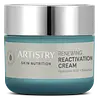
Water, Glycerin, Isostearyl Palmitate, Propanediol, Triethylhexanoin, Glyceryl Stearate, PEG-100 Stearate, Squalane, Limnanthes Alba Seed Oil, Petrolatum, Butylene Glycol, Caprylic/Capric Triglyceride, Salvia Hispanica Seed Oil, Butyrospermum Parkii Butter, Panthenol, Punica Granatum Sterols, Sorbitan Stearate, Hdi/Trimethylol Hexyllactone Crosspolymer, Cetyl Alcohol, Phenoxyethanol, Dimethicone, Spinacia Oleracea Leaf Extract, Arginine, Chlorphenesin, Behenyl Alcohol, Carbomer, Pentylene Glycol, Allantoin, Disodium EDTA, Isononyl Isononanoate, Osmanthus Fragrans Flower Extract, Ophiopogon Japonicus Root Extract, Acetyl Glucosamine, Tocopheryl Acetate, Lecithin, Parfum, Chlorella Vulgaris Extract, Dipotassium Glycyrrhizate, Salvia Hispanica Seed Extract, Silica, Sodium Hyaluronate, Yeast Extract, Punica Granatum Fruit Extract, Sodium Benzoate, Beta-Glucan, Zinc PCA, Potassium Sorbate, Xanthan Gum, 1,2-Hexanediol, Caprylyl Glycol, Curcuma Longa Root Extract, Gluconolactone, Ethylhexylglycerin, Ceramide NP, Beta-Sitosterol, Oenothera Biennis Seed Extract, Perilla Ocymoides Seed Oil, Oenothera Biennis Oil, Tocopherol, Carrageenan, Glucose, Glycine Soja Oil, Rosmarinus Officinalis Leaf Extract, Extracts, CI 60730, CI 42090, Helianthus Annuus Seed Oil, BHT, Dipeptide-4
Ingredients Explained
These ingredients are found in both products.
Ingredients higher up in an ingredient list are typically present in a larger amount.
1,2-Hexanediol is a synthetic liquid and another multi-functional powerhouse.
It is a:
- Humectant, drawing moisture into the skin
- Emollient, helping to soften skin
- Solvent, dispersing and stabilizing formulas
- Preservative booster, enhancing the antimicrobial activity of other preservatives
Caprylyl Glycol is a humectant, skin conditioner, emollient, and preservative booster derived from either caprylic acid or synthetically created.
Typical use levels vary from 0.3-1% as a preservative booster and go up to 2% to condition skin.
Because it is not a free-fatty acid, this ingredient is fungal acne safe (there's nothing for Malassezia to feed on).
Learn more about Caprylyl GlycolGluconolactone is a PHA. PHAs are a great gentle alternative to traditional AHAs.
When applied, Gluconolactone has the same affect on skin as AHAs such as lactic acid. It helps dissolve the dead skin cells in the top layer of your skin. This improves texture and brightens the skin.
PHAs are more gentle than AHAs due to their larger structure. They do not penetrate as deeply as AHAs and take a longer time to dissolve dead cells. Studies show PHAs do not cause as much irritation.
Gluconolactone has some interesting properties:
In a 2004 study, Gluconolactone was found to prevent UV damage in mouse skin cells and has not been found to increase sun sensitivity. However, we still recommend wearing SPF daily.
This ingredient is is an created by reacting gluconic acid with an alcohol.
Learn more about GluconolactoneGlycerin (or glycerol) is a compound naturally found in your skin. It's a powerhouse humectant that pulls water into the stratum corneum.
Topically, glycerin does several things at once:
Your skin makes glycerin on its own (mostly from sebaceous oil breakdown) and shuttles it to your outermost layer of skin, or your epidermis, via aquaporin-3.
Aquaporin-3 is a transporter that is essential for normal skin hydration, elasticity, and repair. Interestingly, mice lacking in AQP3 have dry and less elastic skin that can be fully corrected with glycerin.
This ingredient is non-irritating, plays well with almost every ingredient, and works across all skin types. Typical use is anywhere between 3-10% but can go up to 79% in some leave-on products.
Just know very high concentrations (>40%) can feel tacky in low humidity.
Glycerin is the name for this ingredient in American English. British English uses Glycerol/Glycerine.
Learn more about GlycerinLecithin is a term for a group of substances found in the cell membranes of plants, animals, and humans. They are made up of phospholipids.
Thanks to its amphiphilic structure (water-loving head and oil-loving tail), it is a true multitasker:
It plays well with most ingredients and is typically used at 0.1-1%. However, concentrations up to 50% have been reported in moisturizers.
Learn more about LecithinSodium Benzoate is a preservative. It's used in both cosmetic and food products to inhibit the growth of mold and bacteria. It is typically produced synthetically.
Both the US FDA and EU Health Committee have approved the use of sodium benzoate. In the US, levels of 0.1% (of the total product) are allowed.
Sodium benzoate works as a preservative by inhibiting the growth of bacteria inside of cells. It prevents the cell from fermenting a type of sugar using an enzyme called phosphofructokinase.
It is the salt of benzoic acid. Foods containing sodium benzoate include soda, salad dressings, condiments, fruit juices, wines, and snack foods.
Studies for using ascorbic acid and sodium benzoate in cosmetics are lacking, especially in skincare routines with multiple steps.
We always recommend speaking with a professional, such as a dermatologist, if you have any concerns.
Learn more about Sodium BenzoateSqualane is the hydrogenated and shelf-stable form of squalene (a lipid that naturally occurs in human sebum).
It is an emollient and skin conditioning agent that is able to integrate seamlessly into the skin's lipid barrier without clogging pores.
This is due to how structurally similar it is to what your skin already produces.
Though it is mostly an emollient that helps soften and hydrate skin, it also has some humectant and occlusive action. Humectants help the skin retain moisture while occlusives seal it in, making squalane a triple-threat moisturizer.
Research shows it has antioxidant capabilities that help protect against stressors like UV exposure, specifically UVA induced oxidative stress. This study also found that it supports collagen biosynthesis in human dermal fibroblasts.
No clinical study has reported significant adverse effects and irritation reactions are very rare from this ingredient (even at 100% concentration).
Overall, it's a fantastic ingredient for hydration and is suitable for all skin types.
This depends on the source. Squalane can be derived from both plants and animals. Most squalane used in skincare comes from plants.
Please note: the source of squalane is only known if disclosed by the brand. We recommend reaching out to the brand if you have any questions about their squalane.
Read more about squalene with an "e".
Though squalane is often called an oil, it’s technically not one. It is a hydrocarbon, meaning it is only made of carbon and hydrogen. True oils are triglycerides and made of fatty acids and glycerol.
The term “oil-free” isn’t regulated so companies can define it however they want. Some exclude all oils, while others just avoid mineral oil or comedogenic oils.
Squalane has a comedogenic rating of 1 from the original 1972 study that tested raw ingredients under occlusion on rabbit ears. This system is not standardized or peer-reviewed, and using the raw ingredients is very different from how diluted cosmetic formulations are used on human skin.
A comedogenic rating of 1 means it is "unlikely to clog pores" according to the original rating system.
The overall formula of a product matters more than the individual ingredients on whether or not it will cause clogged pores.
Learn more about SqualaneTocopherol is a fat-soluble antioxidant known as Vitamin E.
You'll find this ingredient in the vast majority of skincare (for good reason). It works to neutralize free radicals, or unstable molecules generated by UV exposure, pollution, and other environmental stressors, before they can cause oxidative damage to your skin cells.
Topically applied tocopherol has been shown to protect against UV damage by ramping up the skin's own natural defense enzymes.
It also acts as a skin conditioning agent; some studies show that regular topical use can improve the skin's water-binding capacity over 2-4 weeks.
This ingredient is especially loved for being a team player. When combined with Vitamin C, the photoprotective effect of both ingredients roughly doubles and the combo also helps reduce UV-induced DNA damage.
This ingredient has some brightening potential but it's more of a prevention ingredient than spot-fader. Cell studies show it can slow down melanin production but it's worth noting that it's not the most powerful brightener out there.
In formulations, it also serves as a stabilizer that helps protect other oxidation-prone ingredients from degrading.
Concentrations usually range from 0.1-1% in most leave-on products.
Learn more about TocopherolWater. It's the most common cosmetic ingredient of all. You'll usually see it at the top of ingredient lists, meaning that it makes up the largest part of the product.
So why is it so popular? Water most often acts as a solvent - this means that it helps dissolve other ingredients into the formulation.
You'll also recognize water as that liquid we all need to stay alive. If you see this, drink a glass of water. Remember to stay hydrated!
Learn more about Water


