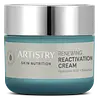
This anti-aging moisturizer is formulated around Squalane and Panthenol to soften the look of wrinkles and hydrate skin.
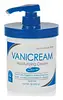
This moisturizer is formulated around Petrolatum to hydrate skin.

What's inside
What's inside
 Key Ingredients
Benefits
Concerns
Ingredients Side-by-side
Water
Skin ConditioningGlycerin
Humectant


Isostearyl Palmitate
Emollient

Propanediol
Solvent
Triethylhexanoin
MaskingGlyceryl Stearate
Emollient
PEG-100 Stearate
Surfactant
Squalane
Emollient
Limnanthes Alba Seed Oil
Skin Conditioning
Petrolatum
Emollient

Butylene Glycol
Humectant
Caprylic/Capric Triglyceride
Masking
Salvia Hispanica Seed Oil
Emollient
Butyrospermum Parkii Butter
Skin Conditioning

Panthenol
Skin Conditioning

Punica Granatum Sterols
Skin Conditioning
Sorbitan Stearate
Emulsifying
Hdi/Trimethylol Hexyllactone Crosspolymer
Cetyl Alcohol
Emollient
Phenoxyethanol
Preservative
Dimethicone
Emollient
Spinacia Oleracea Leaf Extract
Skin ConditioningArginine
Masking
Chlorphenesin
Antimicrobial
Behenyl Alcohol
Emollient
Carbomer
Emulsion StabilisingPentylene Glycol
Skin Conditioning
Allantoin
Skin Conditioning
Disodium EDTA
ChelatingIsononyl Isononanoate
EmollientOsmanthus Fragrans Flower Extract
MaskingOphiopogon Japonicus Root Extract
Skin ConditioningAcetyl Glucosamine
Skin Conditioning

Tocopheryl Acetate
Antioxidant

Lecithin
Emollient
Parfum
Masking

Chlorella Vulgaris Extract
Skin ConditioningDipotassium Glycyrrhizate
Humectant
Salvia Hispanica Seed Extract
Emollient
Silica
Abrasive


Sodium Hyaluronate
Humectant
Yeast Extract
Skin ConditioningPunica Granatum Fruit Extract
Antioxidant
Sodium Benzoate
Masking
Beta-Glucan
Skin Conditioning
Zinc PCA
Humectant

Potassium Sorbate
Preservative
Xanthan Gum
Emulsifying1,2-Hexanediol
Skin Conditioning
Caprylyl Glycol
Emollient
Curcuma Longa Root Extract
Antioxidant
Gluconolactone
Chelating

Ethylhexylglycerin
Skin ConditioningCeramide NP
Skin Conditioning
Beta-Sitosterol
Emulsion Stabilising
Oenothera Biennis Seed Extract
Skin ConditioningPerilla Ocymoides Seed Oil
Skin Conditioning
Oenothera Biennis Oil
Emollient
Tocopherol
Antioxidant
Carrageenan
Glucose
Humectant
Glycine Soja Oil
Emollient
Rosmarinus Officinalis Leaf Extract
AntimicrobialExtracts
CI 60730
Cosmetic ColorantCI 42090
Cosmetic ColorantHelianthus Annuus Seed Oil
Emollient
BHT
Antioxidant
Dipeptide-4
Skin Conditioning
Water, Glycerin, Isostearyl Palmitate, Propanediol, Triethylhexanoin, Glyceryl Stearate, PEG-100 Stearate, Squalane, Limnanthes Alba Seed Oil, Petrolatum, Butylene Glycol, Caprylic/Capric Triglyceride, Salvia Hispanica Seed Oil, Butyrospermum Parkii Butter, Panthenol, Punica Granatum Sterols, Sorbitan Stearate, Hdi/Trimethylol Hexyllactone Crosspolymer, Cetyl Alcohol, Phenoxyethanol, Dimethicone, Spinacia Oleracea Leaf Extract, Arginine, Chlorphenesin, Behenyl Alcohol, Carbomer, Pentylene Glycol, Allantoin, Disodium EDTA, Isononyl Isononanoate, Osmanthus Fragrans Flower Extract, Ophiopogon Japonicus Root Extract, Acetyl Glucosamine, Tocopheryl Acetate, Lecithin, Parfum, Chlorella Vulgaris Extract, Dipotassium Glycyrrhizate, Salvia Hispanica Seed Extract, Silica, Sodium Hyaluronate, Yeast Extract, Punica Granatum Fruit Extract, Sodium Benzoate, Beta-Glucan, Zinc PCA, Potassium Sorbate, Xanthan Gum, 1,2-Hexanediol, Caprylyl Glycol, Curcuma Longa Root Extract, Gluconolactone, Ethylhexylglycerin, Ceramide NP, Beta-Sitosterol, Oenothera Biennis Seed Extract, Perilla Ocymoides Seed Oil, Oenothera Biennis Oil, Tocopherol, Carrageenan, Glucose, Glycine Soja Oil, Rosmarinus Officinalis Leaf Extract, Extracts, CI 60730, CI 42090, Helianthus Annuus Seed Oil, BHT, Dipeptide-4
Reviews
Ingredients Explained
These ingredients are found in both products.
Ingredients higher up in an ingredient list are typically present in a larger amount.
BHT is a synthetic antioxidant and preservative.
As an antioxidant, it helps your body fight off free-radicals. Free-radicals are molecules that may damage your skin cells.
As a preservative, it is used to stabilize products and prevent them from degrading. Specifically, BHT prevents degradation from oxidation.
The concerns related to BHT come from oral studies; this ingredient is currently allowed for use by both the FDA and EU.
However, it was recently restricted for use in the UK as of April 2024.
Learn more about BHTGlyceryl Stearate is made by reacting glycerin with stearic acid (typically sourced from plant oils like palm or coconut). It's an emulsifier, emollient, and mild occlusive.
Emulsifiers help ingredients like oil and water stay mixed so your formula stays nicely blended and uniform in texture.
This ingredient is typically used in concentrations between 1-10%. Studies have found it to be non-sensitizing, non-phototoxic, and non-photoallergenic.
A close cousin of this ingredient is Glyceryl Stearate SE ("self-emulsifying"). This just has a small amount of sodium or potassium stearate added so it can emulsify without a co-emulsifier.
Since this ingredient is an ester of a C18 fatty acid, it may not be fungal acne safe. The Malassezia yeast can potentially metabolize within the C11-C24 range.
Fun fact: The human body also creates Glyceryl Stearate naturally.
Learn more about Glyceryl StearatePetrolatum is more commonly known as petroleum jelly. It is created by mixing waxes and mineral oils.
This ingredient is effective at reducing water loss by 99%. This is because it is an occlusive. Occlusives create a hydrophobic barrier on the skin to prevent evaporation. This property makes it great for hydrating dry skin.
Pro tip: Use occlusives, such as this ingredient, on damp skin for the best results.
The quality or origin of petrolatum is only known when disclosed by the brand. Most cosmetic petrolatum has gone through several purification stages.
Another benefit of occlusives is it protects your skin against infection or allergies.
Petrolatum is fungal acne safe. It is a hydrocarbon with no fatty acid structure, so Malassezia cannot metabolize it. In-vitro studies support negligible growth stimulation as well.
It's also worth noting that petrolatum has a comedogenic rating of 0. In updated rabbit ear testing (and in human testing), petrolatum was found to be not comedogenic. This means it didn’t promote comedone formation in standard models.
Learn more about PetrolatumWater. It's the most common cosmetic ingredient of all. You'll usually see it at the top of ingredient lists, meaning that it makes up the largest part of the product.
So why is it so popular? Water most often acts as a solvent - this means that it helps dissolve other ingredients into the formulation.
You'll also recognize water as that liquid we all need to stay alive. If you see this, drink a glass of water. Remember to stay hydrated!
Learn more about Water

