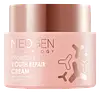
This anti-aging moisturizer is formulated around Niacinamide and Adenosine to soften the look of wrinkles and strengthen the skin barrier.
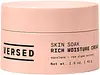
This barrier-repair moisturizer is formulated around Squalane and Hydrolyzed Hyaluronic Acid to strengthen the skin barrier and hydrate skin.


What's inside
What's inside
 Key Ingredients
Benefits
Concerns
Ingredients Side-by-side
Water
Skin ConditioningButylene Glycol
Humectant

Caprylic/Capric Triglyceride
Masking
Glycerin
Humectant
Trehalose
Humectant
Cyclopentasiloxane
Emollient
Glyceryl Stearate
Emollient

1,2-Hexanediol
Skin Conditioning
Niacinamide
Smoothing








Octyldodecyl Myristate
EmollientPEG-100 Stearate
Surfactant
Cyclohexasiloxane
Emollient
Hydrogenated Poly(C6-14 Olefin)
EmollientDimethicone
Emollient
Phytosteryl/Behenyl/Octyldodecyl Lauroyl Glutamate
Skin ConditioningButyrospermum Parkii Butter
Skin Conditioning


Palmitic Acid
Emollient
Hydrogenated Olive Oil Lauryl Esters
Emulsion Stabilising
Helianthus Annuus Seed Oil
Emollient
Stearic Acid
Cleansing
Cetyl PEG/PPG-10/1 Dimethicone
Emulsifying
Polyacrylamide
Cetyl Alcohol
Emollient
Stearyl Alcohol
Emollient
Tocopheryl Acetate
Antioxidant

C13-14 Isoparaffin
Emollient
Dimethiconol
Emollient
Beeswax
Emulsion Stabilising
Ethylhexylglycerin
Skin ConditioningLaureth-7
EmulsifyingMicrocrystalline Wax
Emulsion StabilisingAdenosine
Skin Conditioning
Sodium Hyaluronate
Humectant
Coptis Japonica Extract
AntimicrobialLactobacillus Ferment Lysate
Skin Conditioning
Isopentyldiol
Humectant
Dextrin
AbsorbentTheobroma Cacao Extract
Skin ConditioningTocopherol
Antioxidant
Betaine
Humectant
Allantoin
Skin Conditioning
Xylitol
Humectant
Panthenol
Skin Conditioning
Hydrolyzed Collagen
Emollient
Juglans Regia Seed Oil
Skin Conditioning
Squalane
Emollient
Lactic Acid
Buffering

Undaria Pinnatifida Extract
Skin ConditioningPolydecene
Skin ConditioningPropanediol
Solvent
Honey Extract
Humectant
Sodium PCA
Humectant
Sodium Lactate
Buffering
Arginine
Masking
Olea Europaea Fruit Oil
Masking
Bifida Ferment Lysate
Skin Conditioning
Aspartic Acid
Masking
Adansonia Digitata Seed Oil
Emollient
Hibiscus Sabdariffa Flower Extract
Skin ConditioningPCA
Humectant
Ceramide NP
Skin Conditioning
Hydrogenated Lecithin
Emulsifying
Acacia Senegal Gum
MaskingPhospholipids
Skin Conditioning
Agar
MaskingGluconic Acid
Chelating
Streptococcus Thermophilus Ferment
Humectant
Xanthan Gum
EmulsifyingGlycine
Buffering
Alanine
Masking
Royal Jelly Extract
Skin Conditioning
Musa Sapientum Fruit Extract
Skin ConditioningTuber Melanosporum Extract
HumectantPropolis Extract
Skin Conditioning
Daucus Carota Sativa Root Extract
Skin Conditioning
Artemisia Capillaris Extract
Serine
Masking
Valine
MaskingGuaiazulene
Antimicrobial
Caprylyl Glycol
Emollient
Cholesterol
Emollient
Isoleucine
Skin ConditioningThreonine
Proline
Skin Conditioning
Tuber Magnatum Extract
Skin ConditioningPhenylalanine
Masking
Histidine
Humectant
Phellinus Linteus Extract
Skin ConditioningGlutathione
Ceramide Ns
Skin Conditioning
Ceramide As
Skin Conditioning
Ceramide EOP
Skin Conditioning
Ceramide AP
Skin Conditioning
Glucose
Humectant
Beta-Glucan
Skin Conditioning
Hyaluronic Acid
Humectant
Chondrus Crispus Extract
Skin Conditioning
Panax Ginseng Berry Extract
Skin Conditioning
Phytosterols
Skin Conditioning
Hydroxypropyltrimonium Hyaluronate
Crocus Sativus Flower Extract
MaskingHydrolyzed Hyaluronic Acid
Humectant
Sodium Acetylated Hyaluronate
Humectant
Copper Tripeptide-1
Skin Conditioning
Sodium Hyaluronate Crosspolymer
Humectant
Hydrolyzed Sodium Hyaluronate
Skin Conditioning
Acetyl Hexapeptide-8
Humectant
Tripeptide-1
Skin Conditioning
Palmitoyl Tetrapeptide-7
Skin Conditioning
Palmitoyl Tripeptide-1
Skin Conditioning
Palmitoyl Pentapeptide-4
Skin Conditioning
Hexapeptide-9
Skin Conditioning
Tripeptide-2
Skin Conditioning
Nonapeptide-1
Skin Conditioning
Hexapeptide-11
Skin Conditioning
Potassium Hyaluronate
Skin ConditioningDisodium EDTA
ChelatingParfum
Masking
Water, Butylene Glycol, Caprylic/Capric Triglyceride, Glycerin, Trehalose, Cyclopentasiloxane, Glyceryl Stearate, 1,2-Hexanediol, Niacinamide, Octyldodecyl Myristate, PEG-100 Stearate, Cyclohexasiloxane, Hydrogenated Poly(C6-14 Olefin), Dimethicone, Phytosteryl/Behenyl/Octyldodecyl Lauroyl Glutamate, Butyrospermum Parkii Butter, Palmitic Acid, Hydrogenated Olive Oil Lauryl Esters, Helianthus Annuus Seed Oil, Stearic Acid, Cetyl PEG/PPG-10/1 Dimethicone, Polyacrylamide, Cetyl Alcohol, Stearyl Alcohol, Tocopheryl Acetate, C13-14 Isoparaffin, Dimethiconol, Beeswax, Ethylhexylglycerin, Laureth-7, Microcrystalline Wax, Adenosine, Sodium Hyaluronate, Coptis Japonica Extract, Lactobacillus Ferment Lysate, Isopentyldiol, Dextrin, Theobroma Cacao Extract, Tocopherol, Betaine, Allantoin, Xylitol, Panthenol, Hydrolyzed Collagen, Juglans Regia Seed Oil, Squalane, Lactic Acid, Undaria Pinnatifida Extract, Polydecene, Propanediol, Honey Extract, Sodium PCA, Sodium Lactate, Arginine, Olea Europaea Fruit Oil, Bifida Ferment Lysate, Aspartic Acid, Adansonia Digitata Seed Oil, Hibiscus Sabdariffa Flower Extract, PCA, Ceramide NP, Hydrogenated Lecithin, Acacia Senegal Gum, Phospholipids, Agar, Gluconic Acid, Streptococcus Thermophilus Ferment, Xanthan Gum, Glycine, Alanine, Royal Jelly Extract, Musa Sapientum Fruit Extract, Tuber Melanosporum Extract, Propolis Extract, Daucus Carota Sativa Root Extract, Artemisia Capillaris Extract, Serine, Valine, Guaiazulene, Caprylyl Glycol, Cholesterol, Isoleucine, Threonine, Proline, Tuber Magnatum Extract, Phenylalanine, Histidine, Phellinus Linteus Extract, Glutathione, Ceramide Ns, Ceramide As, Ceramide EOP, Ceramide AP, Glucose, Beta-Glucan, Hyaluronic Acid, Chondrus Crispus Extract, Panax Ginseng Berry Extract, Phytosterols, Hydroxypropyltrimonium Hyaluronate, Crocus Sativus Flower Extract, Hydrolyzed Hyaluronic Acid, Sodium Acetylated Hyaluronate, Copper Tripeptide-1, Sodium Hyaluronate Crosspolymer, Hydrolyzed Sodium Hyaluronate, Acetyl Hexapeptide-8, Tripeptide-1, Palmitoyl Tetrapeptide-7, Palmitoyl Tripeptide-1, Palmitoyl Pentapeptide-4, Hexapeptide-9, Tripeptide-2, Nonapeptide-1, Hexapeptide-11, Potassium Hyaluronate, Disodium EDTA, Parfum
Water
Skin ConditioningHydrogenated Polyisobutene
EmollientGlycerin
Humectant
1,2-Hexanediol
Skin Conditioning
Hydroxyethyl Acrylate/Sodium Acryloyldimethyl Taurate Copolymer
Emulsion StabilisingGlyceryl Stearate
Emollient
PEG-100 Stearate
Surfactant
Squalane
Emollient
Palmaria Palmata Extract
Skin Protecting
Hydrolyzed Hyaluronic Acid
Humectant
Sodium Hyaluronate
Humectant
Tocopheryl Acetate
Antioxidant
Phenoxyethanol
Preservative
Polysorbate 60
Emulsifying
Sorbitan Isostearate
Emulsifying
Cetyl Alcohol
Emollient
Trisodium Ethylenediamine Disuccinate
ChelatingWater, Hydrogenated Polyisobutene, Glycerin, 1,2-Hexanediol, Hydroxyethyl Acrylate/Sodium Acryloyldimethyl Taurate Copolymer, Glyceryl Stearate, PEG-100 Stearate, Squalane, Palmaria Palmata Extract, Hydrolyzed Hyaluronic Acid, Sodium Hyaluronate, Tocopheryl Acetate, Phenoxyethanol, Polysorbate 60, Sorbitan Isostearate, Cetyl Alcohol, Trisodium Ethylenediamine Disuccinate
Reviews
Ingredients Explained
These ingredients are found in both products.
Ingredients higher up in an ingredient list are typically present in a larger amount.
1,2-Hexanediol is a synthetic liquid and another multi-functional powerhouse.
It is a:
- Humectant, drawing moisture into the skin
- Emollient, helping to soften skin
- Solvent, dispersing and stabilizing formulas
- Preservative booster, enhancing the antimicrobial activity of other preservatives
Cetyl Alcohol is a fatty alcohol. Fatty Alcohols are most often used as an emollient or to thicken a product.
Its main roles are:
Though it has "alcohol" in the name, it is not related to denatured alcohol or ethyl alcohol.
The FDA allows products labeled "alcohol-free" to have fatty alcohols.
This ingredient may not be fungal acne safe. It is a primary fatty alcohol with a chain length above 12 carbons. A study from 2019 show Malassezia can feed on fatty alcohols in this range, so it may trigger fungal acne in those prone to it.
Learn more about Cetyl AlcoholGlycerin (or glycerol) is a compound naturally found in your skin. It's a powerhouse humectant that pulls water into the stratum corneum.
Topically, glycerin does several things at once:
Your skin makes glycerin on its own (mostly from sebaceous oil breakdown) and shuttles it to your outermost layer of skin, or your epidermis, via aquaporin-3.
Aquaporin-3 is a transporter that is essential for normal skin hydration, elasticity, and repair. Interestingly, mice lacking in AQP3 have dry and less elastic skin that can be fully corrected with glycerin.
This ingredient is non-irritating, plays well with almost every ingredient, and works across all skin types. Typical use is anywhere between 3-10% but can go up to 79% in some leave-on products.
Just know very high concentrations (>40%) can feel tacky in low humidity.
Glycerin is the name for this ingredient in American English. British English uses Glycerol/Glycerine.
Learn more about GlycerinGlyceryl Stearate is made by reacting glycerin with stearic acid (typically sourced from plant oils like palm or coconut). It's an emulsifier, emollient, and mild occlusive.
Emulsifiers help ingredients like oil and water stay mixed so your formula stays nicely blended and uniform in texture.
This ingredient is typically used in concentrations between 1-10%. Studies have found it to be non-sensitizing, non-phototoxic, and non-photoallergenic.
A close cousin of this ingredient is Glyceryl Stearate SE ("self-emulsifying"). This just has a small amount of sodium or potassium stearate added so it can emulsify without a co-emulsifier.
Since this ingredient is an ester of a C18 fatty acid, it may not be fungal acne safe. The Malassezia yeast can potentially metabolize within the C11-C24 range.
Fun fact: The human body also creates Glyceryl Stearate naturally.
Learn more about Glyceryl StearateHydrolyzed Hyaluronic Acid is hyaluronic acid (HA) that is broken down into lower molecular weight fragments.
It's a humectant that pulls and holds water in the skin to help with hydration, plumpness, and reduce transepidermal water loss.
Because hydrolyzed hyaluronic acid is smaller in size, it can slip past your outermost layer of skin more easily than full-sized HA.
Most formulations will combine all sizes to get the best of both worlds.
Typical usage levels range from 0.01-1%. Any percentage higher than 2% might become goopy and tacky.
Learn more about Hydrolyzed Hyaluronic AcidPeg-100 Stearate is an emollient and emulsifier. As an emollient, it helps keep skin soft by trapping moisture in. On the other hand, emulsifiers help prevent oil and water from separating in a product.
PEGS are a hydrophilic polyether compound . There are 100 ethylene oxide monomers in Peg-100 Stearate. Peg-100 Stearate is polyethylene glycol ester of stearic acid.
Sodium Hyaluronate is the salt form of hyaluronic acid. It is a long sugar chain that is naturally found in your skin, joints, and connective tissue that maintains hydration and elasticity.
In skincare, it works as a humectant. It pulls water from the environment and deeper layers of skin and binds it to the surface.
Interestingly, the size of the molecule affects its behavior:
Some clinical evidence links low molecular weight versions to improved wrinkle depth, elasticity, anti-inflammatory effects, and barrier repair.
Many serums use a blend of both weights so you can get surface hydration plus longer-lasting and deeper effects.
You'll typically see concentrations between 0.1-2% for this ingredient.
Learn more about Sodium HyaluronateSqualane is the hydrogenated and shelf-stable form of squalene (a lipid that naturally occurs in human sebum).
It is an emollient and skin conditioning agent that is able to integrate seamlessly into the skin's lipid barrier without clogging pores.
This is due to how structurally similar it is to what your skin already produces.
Though it is mostly an emollient that helps soften and hydrate skin, it also has some humectant and occlusive action. Humectants help the skin retain moisture while occlusives seal it in, making squalane a triple-threat moisturizer.
Research shows it has antioxidant capabilities that help protect against stressors like UV exposure, specifically UVA induced oxidative stress. This study also found that it supports collagen biosynthesis in human dermal fibroblasts.
No clinical study has reported significant adverse effects and irritation reactions are very rare from this ingredient (even at 100% concentration).
Overall, it's a fantastic ingredient for hydration and is suitable for all skin types.
This depends on the source. Squalane can be derived from both plants and animals. Most squalane used in skincare comes from plants.
Please note: the source of squalane is only known if disclosed by the brand. We recommend reaching out to the brand if you have any questions about their squalane.
Read more about squalene with an "e".
Though squalane is often called an oil, it’s technically not one. It is a hydrocarbon, meaning it is only made of carbon and hydrogen. True oils are triglycerides and made of fatty acids and glycerol.
The term “oil-free” isn’t regulated so companies can define it however they want. Some exclude all oils, while others just avoid mineral oil or comedogenic oils.
Squalane has a comedogenic rating of 1 from the original 1972 study that tested raw ingredients under occlusion on rabbit ears. This system is not standardized or peer-reviewed, and using the raw ingredients is very different from how diluted cosmetic formulations are used on human skin.
A comedogenic rating of 1 means it is "unlikely to clog pores" according to the original rating system.
The overall formula of a product matters more than the individual ingredients on whether or not it will cause clogged pores.
Learn more about SqualaneTocopheryl Acetate is a stable, shelf-friendly form of vitamin E.
Formulators love it because plain vitamin E oxidizes quickly once it hits air. This acetate version stays stable and resists going off, helping to extend a product's shelf life.
It's actually inactive on its own and works like a slow-release "storage" form; the enzymes in your skin called esterases gradually convert it into active vitamin E over time.
One in vivo study showed 5% of the acetate in the living layer of the epidermis converted to vitamin E after 5 days of application. This study also found the skin gained protection against UV damage even though the conversion was slow and small.
Once converted, vitamin E acts as a skin's main fat-soluble antioxidant that fights free radicals to protect skin from damage.
Topical vitamin E generally boosts the skin's photoprotection, and it reduced UV-damage in animal models.
This ingredient has some brightening potential but it's more of a prevention ingredient than spot-fader. Cell studies show it can slow down melanin production but it's worth noting that it's not the most powerful brightener out there.
Overall, it has a pretty solid safety profile and has been found to be non-irritating and non-comedogenic. Allergic reactions may happen but stay rare due to how widely the ingredient gets used.
The concentration will vary depending on the formula; industry data shows 0.1% in baby lotions, 3% in lipsticks, and 5% in foot powders. You can also find this ingredient at 100% in a pure vitamin E oil.
Most leave-on skincare keeps it at the lower end, often between 0.5-1%.
Learn more about Tocopheryl AcetateWater. It's the most common cosmetic ingredient of all. You'll usually see it at the top of ingredient lists, meaning that it makes up the largest part of the product.
So why is it so popular? Water most often acts as a solvent - this means that it helps dissolve other ingredients into the formulation.
You'll also recognize water as that liquid we all need to stay alive. If you see this, drink a glass of water. Remember to stay hydrated!
Learn more about Water

