MediCube Azelaic Acid Niacinamide Deep Clean Foam Cleanser Versus Naturium Vitamin C Complex Cleanser
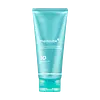
This salicylic acid foaming cleanser is formulated around Salicylic Acid to clear breakouts and unclog pores.
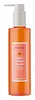
This phytic acid gel cleanser is formulated around Phytic Acid to exfoliate and smooth skin.


What's inside
What's inside
 Key Ingredients
Benefits
Concerns
Ingredients Side-by-side
Water
Skin ConditioningGlycerin
Humectant


Myristic Acid
Cleansing



Stearic Acid
Cleansing
Potassium Hydroxide
BufferingLauric Acid
Cleansing
Glyceryl Stearate Se
Emulsifying
Niacinamide
Smoothing









Palmitic Acid
Emollient
Cocamidopropyl Betaine
Cleansing

Potassium Cocoyl Glycinate
Surfactant
Sorbitan Olivate
Emulsifying
Sodium Polyacrylate
Absorbent
Potassium Cocoyl Glutamate
Surfactant
Salicylic Acid
Masking


Polyquaternium-10
Sodium Chloride
MaskingPolyquaternium-7
Melia Azadirachta Leaf Extract
Skin ConditioningAcrylates/C10-30 Alkyl Acrylate Crosspolymer
Emulsion StabilisingCaprylyl Glycol
Emollient
Disodium EDTA
ChelatingMelia Azadirachta Flower Extract
Skin ConditioningRosmarinus Officinalis Leaf Oil
Masking
Theobroma Cacao Extract
Skin ConditioningPyrus Malus Fruit Extract
Skin Conditioning
Vitis Vinifera Fruit Extract
Skin ConditioningCoccinia Indica Fruit Extract
Skin Conditioning
Fragaria Chiloensis Fruit Extract
Skin Conditioning
Ficus Carica Fruit Extract
Humectant
Prunus Persica Fruit Extract
Abrasive
Musa Sapientum Fruit Extract
Skin ConditioningSolanum Melongena Fruit Extract
Skin ConditioningAloe Barbadensis Flower Extract
EmollientOcimum Sanctum Leaf Extract
Skin ConditioningPrunus Domestica Fruit Extract
MoisturisingSodium Benzoate
Masking
Cocos Nucifera Oil
Masking
Corallina Officinalis Extract
Skin Conditioning
Curcuma Longa Root Extract
Antioxidant
Azelaic Acid
Buffering
Dipeptide-15
Skin Conditioning
Glutathione
Dipotassium Glycyrrhizate
Humectant
Caprylic/Capric Triglyceride
Masking
Butylene Glycol
Humectant
Adansonia Digitata Seed Oil
Emollient
1,2-Hexanediol
Skin Conditioning
Hydrogenated Lecithin
Emulsifying
Ceramide NP
Skin Conditioning
Hydrogenated Phosphatidylcholine
Emulsifying
Centella Asiatica Extract
Cleansing
Sucrose Stearate
EmollientCetearyl Alcohol
Emollient
Hydrolyzed Hyaluronic Acid
Humectant
Hydrolyzed Sodium Hyaluronate
Skin Conditioning
Dimethylsilanol Hyaluronate
Humectant
Sodium Hyaluronate
Humectant
Potassium Hyaluronate
Skin ConditioningCeramide EOP
Skin Conditioning
Sodium Hyaluronate Crosspolymer
Humectant
Hydroxypropyltrimonium Hyaluronate
Sodium Acetylated Hyaluronate
Humectant
Sodium Hyaluronate Dimethylsilanol
HumectantCeramide AP
Skin Conditioning
Ceramide Ns
Skin Conditioning
Asiaticoside
Antioxidant
Madecassic Acid
Skin Conditioning
Madecassoside
Antioxidant
Asiatic Acid
Skin Conditioning
Water, Glycerin, Myristic Acid, Stearic Acid, Potassium Hydroxide, Lauric Acid, Glyceryl Stearate Se, Niacinamide, Palmitic Acid, Cocamidopropyl Betaine, Potassium Cocoyl Glycinate, Sorbitan Olivate, Sodium Polyacrylate, Potassium Cocoyl Glutamate, Salicylic Acid, Polyquaternium-10, Sodium Chloride, Polyquaternium-7, Melia Azadirachta Leaf Extract, Acrylates/C10-30 Alkyl Acrylate Crosspolymer, Caprylyl Glycol, Disodium EDTA, Melia Azadirachta Flower Extract, Rosmarinus Officinalis Leaf Oil, Theobroma Cacao Extract, Pyrus Malus Fruit Extract, Vitis Vinifera Fruit Extract, Coccinia Indica Fruit Extract, Fragaria Chiloensis Fruit Extract, Ficus Carica Fruit Extract, Prunus Persica Fruit Extract, Musa Sapientum Fruit Extract, Solanum Melongena Fruit Extract, Aloe Barbadensis Flower Extract, Ocimum Sanctum Leaf Extract, Prunus Domestica Fruit Extract, Sodium Benzoate, Cocos Nucifera Oil, Corallina Officinalis Extract, Curcuma Longa Root Extract, Azelaic Acid, Dipeptide-15, Glutathione, Dipotassium Glycyrrhizate, Caprylic/Capric Triglyceride, Butylene Glycol, Adansonia Digitata Seed Oil, 1,2-Hexanediol, Hydrogenated Lecithin, Ceramide NP, Hydrogenated Phosphatidylcholine, Centella Asiatica Extract, Sucrose Stearate, Cetearyl Alcohol, Hydrolyzed Hyaluronic Acid, Hydrolyzed Sodium Hyaluronate, Dimethylsilanol Hyaluronate, Sodium Hyaluronate, Potassium Hyaluronate, Ceramide EOP, Sodium Hyaluronate Crosspolymer, Hydroxypropyltrimonium Hyaluronate, Sodium Acetylated Hyaluronate, Sodium Hyaluronate Dimethylsilanol, Ceramide AP, Ceramide Ns, Asiaticoside, Madecassic Acid, Madecassoside, Asiatic Acid
Water
Skin ConditioningSodium Cocoyl Glutamate
Cleansing
Glycerin
Humectant
Citric Acid
Buffering
Disodium Cocoamphodiacetate
CleansingDecyl Glucoside
Cleansing
Xanthan Gum
EmulsifyingGlucose
Humectant
Phytic Acid
Chelating
Bromelain
Skin Conditioning
Papain
Skin Conditioning
Aloe Barbadensis Leaf Juice
Skin Conditioning
Sodium Glycolate
BufferingCitrus Aurantium Dulcis Fruit Water
MaskingAnanas Sativus Fruit Extract
Skin ConditioningCarica Papaya Fruit Extract
Skin ConditioningMangifera Indica Fruit Extract
Skin ConditioningAscorbic Acid
Antioxidant
3-O-Ethyl Ascorbic Acid
Skin Conditioning
Lecithin
Emollient
Tocopherol
Antioxidant
Haematococcus Pluvialis Extract
Antioxidant
Sucrose Stearate
EmollientSodium Hyaluronate
Humectant
Helianthus Annuus Seed Oil
Emollient
Polyglyceryl-10 Laurate
Skin Conditioning
Caprylic/Capric Triglyceride
Masking
Sodium Chloride
MaskingEthylhexylglycerin
Skin ConditioningSodium Benzoate
Masking
Potassium Sorbate
Preservative
Phenoxyethanol
Preservative
Water, Sodium Cocoyl Glutamate, Glycerin, Citric Acid, Disodium Cocoamphodiacetate, Decyl Glucoside, Xanthan Gum, Glucose, Phytic Acid, Bromelain, Papain, Aloe Barbadensis Leaf Juice, Sodium Glycolate, Citrus Aurantium Dulcis Fruit Water, Ananas Sativus Fruit Extract, Carica Papaya Fruit Extract, Mangifera Indica Fruit Extract, Ascorbic Acid, 3-O-Ethyl Ascorbic Acid, Lecithin, Tocopherol, Haematococcus Pluvialis Extract, Sucrose Stearate, Sodium Hyaluronate, Helianthus Annuus Seed Oil, Polyglyceryl-10 Laurate, Caprylic/Capric Triglyceride, Sodium Chloride, Ethylhexylglycerin, Sodium Benzoate, Potassium Sorbate, Phenoxyethanol
Ingredients Explained
These ingredients are found in both products.
Ingredients higher up in an ingredient list are typically present in a larger amount.
Caprylic/Capric Triglyceride (aka MCT Oil) is a lightweight emollient, solvent, and texture enhancer. It is considered a skin-softener by helping to prevent moisture loss.
Though it behaves like an oil, it is not technically one due to its chemical composition. One perk of this ingredient is that it is very stable, resistant to oxidation, and unlikely to go rancid.
In practice, that translates to a long shelf life and a consistently elegant skin feel.
While there is an assumption Caprylic Triglyceride can clog pores due to it being derived from coconut oil, there is no research supporting this. Just patch test if you have concerns.
Fractionated coconut oil and MCT Oil are both listed as Caprylic/Capric Triglyceride according to INCI. This is because INCI names are based on the ingredient’s final chemical composition and not its marketing name or source.
This ingredient is treated as the gold standard fungal acne safe oil. Even though it is coconut derived, the problematic lauric acid is stripped out.
This leaves just caprylic (C8) and capric (C10) acid. These chain lengths actually trend antifungal; a 2020 study found caprylic acid was enough to disrupt Malassezia furfur cell membrane, with a caprylic acid derivative damaging membrane structures at concentrations as low as 0.2%.
Learn more about Caprylic/Capric TriglycerideGlycerin (or glycerol) is a compound naturally found in your skin. It's a powerhouse humectant that pulls water into the stratum corneum.
Topically, glycerin does several things at once:
Your skin makes glycerin on its own (mostly from sebaceous oil breakdown) and shuttles it to your outermost layer of skin, or your epidermis, via aquaporin-3.
Aquaporin-3 is a transporter that is essential for normal skin hydration, elasticity, and repair. Interestingly, mice lacking in AQP3 have dry and less elastic skin that can be fully corrected with glycerin.
This ingredient is non-irritating, plays well with almost every ingredient, and works across all skin types. Typical use is anywhere between 3-10% but can go up to 79% in some leave-on products.
Just know very high concentrations (>40%) can feel tacky in low humidity.
Glycerin is the name for this ingredient in American English. British English uses Glycerol/Glycerine.
Learn more about GlycerinSodium Benzoate is a preservative. It's used in both cosmetic and food products to inhibit the growth of mold and bacteria. It is typically produced synthetically.
Both the US FDA and EU Health Committee have approved the use of sodium benzoate. In the US, levels of 0.1% (of the total product) are allowed.
Sodium benzoate works as a preservative by inhibiting the growth of bacteria inside of cells. It prevents the cell from fermenting a type of sugar using an enzyme called phosphofructokinase.
It is the salt of benzoic acid. Foods containing sodium benzoate include soda, salad dressings, condiments, fruit juices, wines, and snack foods.
Studies for using ascorbic acid and sodium benzoate in cosmetics are lacking, especially in skincare routines with multiple steps.
We always recommend speaking with a professional, such as a dermatologist, if you have any concerns.
Learn more about Sodium BenzoateChances are, you eat sodium chloride every day. Sodium Chloride is also known as table salt. This ingredient has many purposes in skincare: thickener, emulsifier, and exfoliator.
You'll most likely find this ingredient in cleansers where it is used to create a gel-like texture. As an emulsifier, it also prevents ingredients from separating.
You might see people debate whether Sodium Chloride is comedogenic, but there actually haven't been any comedogenic tests done on it. Either way, the overall formulation of a product matters a lot more than any single ingredient.
You might see this ingredient used in scrubs as a primary exfoliating ingredient.
Learn more about Sodium ChlorideSodium Hyaluronate is the salt form of hyaluronic acid. It is a long sugar chain that is naturally found in your skin, joints, and connective tissue that maintains hydration and elasticity.
In skincare, it works as a humectant. It pulls water from the environment and deeper layers of skin and binds it to the surface.
Interestingly, the size of the molecule affects its behavior:
Some clinical evidence links low molecular weight versions to improved wrinkle depth, elasticity, anti-inflammatory effects, and barrier repair.
Many serums use a blend of both weights so you can get surface hydration plus longer-lasting and deeper effects.
You'll typically see concentrations between 0.1-2% for this ingredient.
Learn more about Sodium HyaluronateSucrose Stearate is derived from stearic acid and sucrose (sugar). It is an emollient and emulsifier.
As an emulsifier, it prevents oils and water from separating in a product. This property also makes it a surfactant and therefore a cleansing agent.
Water. It's the most common cosmetic ingredient of all. You'll usually see it at the top of ingredient lists, meaning that it makes up the largest part of the product.
So why is it so popular? Water most often acts as a solvent - this means that it helps dissolve other ingredients into the formulation.
You'll also recognize water as that liquid we all need to stay alive. If you see this, drink a glass of water. Remember to stay hydrated!
Learn more about Water

