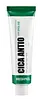
This calming moisturizer is formulated around Niacinamide and Morinda Citrifolia Fruit Extract to calm redness and strengthen the skin barrier.


What's inside
What's inside
 Key Ingredients
Benefits
Concerns
Ingredients Side-by-side
Water
Skin ConditioningGlycerin
Humectant


Caprylic/Capric Triglyceride
Masking
Cetearyl Alcohol
Emollient





Dipropylene Glycol
HumectantNiacinamide
Smoothing









Glyceryl Stearate
Emollient
PEG-100 Stearate
Surfactant
Morinda Citrifolia Fruit Extract
Skin Conditioning
Betaine
Humectant
Sorbitan Stearate
Emulsifying
Arginine
Masking
Carbomer
Emulsion StabilisingHydroxyacetophenone
Antioxidant
Dimethicone
Emollient
Caprylyl Glycol
Emollient
Melia Azadirachta Leaf Extract
Skin ConditioningDipotassium Glycyrrhizate
Humectant
Triticum Vulgare Sprout Extract
Skin ConditioningCentella Asiatica Extract
Cleansing
Melia Azadirachta Flower Extract
Skin ConditioningCoccinia Indica Fruit Extract
Skin Conditioning
Ethylhexylglycerin
Skin ConditioningCurcuma Longa Root Extract
Antioxidant
Eclipta Prostrata Extract
Skin Conditioning
Adenosine
Skin Conditioning
Corallina Officinalis Extract
Skin Conditioning
Ocimum Sanctum Leaf Extract
Skin ConditioningGlyceryl Acrylate/Acrylic Acid Copolymer
HumectantSolanum Melongena Fruit Extract
Skin ConditioningDisodium EDTA
Allantoin
Skin Conditioning
Aloe Barbadensis Flower Extract
EmollientTocopheryl Acetate
Antioxidant
Panthenol
Skin Conditioning
Propylene Glycol
Humectant
Propanediol
Solvent
Beta-Glucan
Skin Conditioning
Squalane
Emollient
Palmitoyl Tetrapeptide-7
Skin Conditioning
Palmitoyl Tripeptide-1
Skin Conditioning
Fructan
Skin ConditioningButylene Glycol
Humectant
Sodium Hyaluronate Crosspolymer
Humectant
Glyceryl Polymethacrylate
Sodium Hyaluronate
Humectant
Hydrolyzed Glycosaminoglycans
HumectantButyrospermum Parkii Butter
Skin Conditioning
1,2-Hexanediol
Skin Conditioning
Olea Europaea Leaf Extract
Perfuming
Mannan
Glycyrrhiza Glabra Root Extract
Bleaching
Taraxacum Officinale Leaf Extract
Skin ConditioningBenzyl Glycol
SolventCeramide NP
Skin Conditioning
Phytosphingosine
Skin Conditioning
Hydrolyzed Hyaluronic Acid
Humectant
Rosa Damascena Flower Extract
Masking
Rhodiola Rosea Root Extract
EmollientOriganum Vulgare Leaf Extract
Skin ConditioningPalmitoyl Tripeptide-5
Skin Conditioning
Chamaecyparis Obtusa Leaf Extract
Skin ConditioningSalix Alba Bark Extract
Astringent
Usnea Barbata Extract
Zanthoxylum Piperitum Fruit Extract
Skin ConditioningPulsatilla Koreana Extract
Skin ConditioningLactobacillus/Soybean Ferment Extract
Skin ConditioningPortulaca Oleracea Extract
Skin Conditioning
Citric Acid
Buffering
Cinnamomum Cassia Bark Extract
Masking
Scutellaria Baicalensis Root Extract
Astringent
Raspberry Ketone
Masking
Hyaluronic Acid
Humectant
Acetyl Hexapeptide-8
Humectant
Copper Tripeptide-1
Skin Conditioning
Oligopeptide-29
Antioxidant
Oligopeptide-32
Antiseborrhoeic
Palmitoyl Oligopeptide
Cleansing
Palmitoyl Pentapeptide-4
Skin Conditioning
Parfum
Masking
Hexyl Cinnamal
Perfuming
Limonene
Perfuming
Linalool
Perfuming
Citronellol
Perfuming
Water, Glycerin, Caprylic/Capric Triglyceride, Cetearyl Alcohol, Dipropylene Glycol, Niacinamide, Glyceryl Stearate, PEG-100 Stearate, Morinda Citrifolia Fruit Extract, Betaine, Sorbitan Stearate, Arginine, Carbomer, Hydroxyacetophenone, Dimethicone, Caprylyl Glycol, Melia Azadirachta Leaf Extract, Dipotassium Glycyrrhizate, Triticum Vulgare Sprout Extract, Centella Asiatica Extract, Melia Azadirachta Flower Extract, Coccinia Indica Fruit Extract, Ethylhexylglycerin, Curcuma Longa Root Extract, Eclipta Prostrata Extract, Adenosine, Corallina Officinalis Extract, Ocimum Sanctum Leaf Extract, Glyceryl Acrylate/Acrylic Acid Copolymer, Solanum Melongena Fruit Extract, Disodium EDTA, Allantoin, Aloe Barbadensis Flower Extract, Tocopheryl Acetate, Panthenol, Propylene Glycol, Propanediol, Beta-Glucan, Squalane, Palmitoyl Tetrapeptide-7, Palmitoyl Tripeptide-1, Fructan, Butylene Glycol, Sodium Hyaluronate Crosspolymer, Glyceryl Polymethacrylate, Sodium Hyaluronate, Hydrolyzed Glycosaminoglycans, Butyrospermum Parkii Butter, 1,2-Hexanediol, Olea Europaea Leaf Extract, Mannan, Glycyrrhiza Glabra Root Extract, Taraxacum Officinale Leaf Extract, Benzyl Glycol, Ceramide NP, Phytosphingosine, Hydrolyzed Hyaluronic Acid, Rosa Damascena Flower Extract, Rhodiola Rosea Root Extract, Origanum Vulgare Leaf Extract, Palmitoyl Tripeptide-5, Chamaecyparis Obtusa Leaf Extract, Salix Alba Bark Extract, Usnea Barbata Extract, Zanthoxylum Piperitum Fruit Extract, Pulsatilla Koreana Extract, Lactobacillus/Soybean Ferment Extract, Portulaca Oleracea Extract, Citric Acid, Cinnamomum Cassia Bark Extract, Scutellaria Baicalensis Root Extract, Raspberry Ketone, Hyaluronic Acid, Acetyl Hexapeptide-8, Copper Tripeptide-1, Oligopeptide-29, Oligopeptide-32, Palmitoyl Oligopeptide, Palmitoyl Pentapeptide-4, Parfum, Hexyl Cinnamal, Limonene, Linalool, Citronellol
Water
Skin ConditioningParaffinum Liquidum
Emollient
Sodium Chloride
MaskingZinc Oxide
Cosmetic Colorant

Cetyl PEG/PPG-10/1 Dimethicone
Emulsifying
Propylheptyl Caprylate
EmollientButylene Glycol
Humectant
Hydrogenated Polydecene
EmollientPanthenol
Skin Conditioning
Glycerin
Humectant
Dimethicone
Emollient
Disteardimonium Hectorite
StabilisingPolyglyceryl-3 Diisostearate
Emulsifying
Magnesium Sulfate
Methylpropanediol
SolventTocopheryl Acetate
Antioxidant
Triacontanyl Pvp
HumectantCopper Gluconate
Skin Conditioning
Propanediol
Solvent
Propylene Carbonate
SolventCitric Acid
Buffering
Glutamylamidoethyl Indole
Skin ProtectingPolyquaternium-61
Skin ConditioningHyaluronic Acid
Humectant
Silanetriol
Borage Seed Oil Aminopropanediol Amides
Skin Conditioning
Water, Paraffinum Liquidum, Sodium Chloride, Zinc Oxide, Cetyl PEG/PPG-10/1 Dimethicone, Propylheptyl Caprylate, Butylene Glycol, Hydrogenated Polydecene, Panthenol, Glycerin, Dimethicone, Disteardimonium Hectorite, Polyglyceryl-3 Diisostearate, Magnesium Sulfate, Methylpropanediol, Tocopheryl Acetate, Triacontanyl Pvp, Copper Gluconate, Propanediol, Propylene Carbonate, Citric Acid, Glutamylamidoethyl Indole, Polyquaternium-61, Hyaluronic Acid, Silanetriol, Borage Seed Oil Aminopropanediol Amides
Reviews
Ingredients Explained
These ingredients are found in both products.
Ingredients higher up in an ingredient list are typically present in a larger amount.
Butylene Glycol (or BG) is used within cosmetic products for a few different reasons:
Overall, Butylene Glycol is a safe and well-rounded ingredient that works well with other ingredients.
Though this ingredient works well with most skin types, some people with sensitive skin may experience a reaction such as allergic rashes, closed comedones, or itchiness.
Learn more about Butylene GlycolCitric Acid is an alpha hydroxy acid (AHA) naturally found in citrus fruits like oranges, lemons, and limes.
Like other AHAs, citric acid can exfoliate skin by breaking down the bonds that hold dead skin cells together. This helps reveal smoother and brighter skin underneath.
However, this exfoliating effect only happens at high concentrations (20%) which can be hard to find in cosmetic products.
Due to this, citric acid is usually included in small amounts as a pH adjuster. This helps keep products slightly more acidic and compatible with skin's natural pH.
In skincare formulas, citric acid can:
While it can provide some skin benefits, research shows lactic acid and glycolic acid are generally more effective and less irritating exfoliants.
Most citric acid used in skincare today is made by fermenting sugars (usually from molasses). This synthetic version is identical to the natural citrus form but easier to stabilize and use in formulations.
Read more about some other popular AHA's here:
Learn more about Citric AcidDimethicone is a type of synthetic silicone created from natural materials such as quartz. It is also known as polydimethylsiloxane.
What it does:
Dimethicone comes in different viscosities:
Depending on the viscosity, dimethicone has different properties.
Ingredients lists don't always show which type is used, so we recommend reaching out to the brand if you have questions about the viscosity.
This ingredient is unlikely to cause irritation because it does not get absorbed into skin. However, people with silicone allergies should be careful about using this ingredient.
Note: Dimethicone may contribute to pilling. This is because it is not oil or water soluble, so pilling may occur when layered with products. When mixed with heavy oils in a formula, the outcome is also quite greasy.
Learn more about DimethiconeGlycerin (or glycerol) is a compound naturally found in your skin. It's a powerhouse humectant that pulls water into the stratum corneum.
Topically, glycerin does several things at once:
Your skin makes glycerin on its own (mostly from sebaceous oil breakdown) and shuttles it to your outermost layer of skin, or your epidermis, via aquaporin-3.
Aquaporin-3 is a transporter that is essential for normal skin hydration, elasticity, and repair. Interestingly, mice lacking in AQP3 have dry and less elastic skin that can be fully corrected with glycerin.
This ingredient is non-irritating, plays well with almost every ingredient, and works across all skin types. Typical use is anywhere between 3-10% but can go up to 79% in some leave-on products.
Just know very high concentrations (>40%) can feel tacky in low humidity.
Glycerin is the name for this ingredient in American English. British English uses Glycerol/Glycerine.
Learn more about GlycerinHyaluronic acid (HA) is a glycosaminoglycan (basically a long sugar chain) that your skin already makes on its own. In your skin, HA lives in the extracellular matrix and acts as the body's moisture reservoir.
Topically, HA is a humectant that binds water and helps skin look more plump, smooth, and hydrated.
The only catch is that HA isn't a single thing; it actually comes in a wide range of molecular weights (~50 - 2,000+ kDA) and size matters.
Some clinical evidence links low molecular weight versions to improved wrinkle depth, elasticity, anti-inflammatory effects, and barrier repair.
This is why the best HA serums blend the two sizes together so you get the best of both worlds.
The majority of cosmetic HA is produced by bacterial fermentation, typically using Streptococcus or Bacillus strains. Typical use levels in skincare sit around 0.1-2%.
A clinical study using a 0.2% low-molecular weight HA gel showed improvement in facial seborrheic dermatitis with excellent tolerance.
These are some other common types of Hyaluronic Acid:
Learn more about Hyaluronic AcidPanthenol is a common ingredient that helps hydrate and soothe the skin. It is found naturally in our skin and hair.
There are two forms of panthenol: D and L.
D-panthenol is also known as dexpanthenol. Most cosmetics use dexpanthenol or a mixture of D and L-panthenol.
Panthenol is famous due to its ability to go deeper into the skin's layers. Using this ingredient has numerous pros (and no cons):
Like hyaluronic acid, panthenol is a humectant. Humectants are able to bind and hold large amounts of water to keep skin hydrated.
This ingredient works well for wound healing. It works by increasing tissue in the wound and helps close open wounds.
Once oxidized, panthenol converts to pantothenic acid. Panthothenic acid is found in all living cells.
This ingredient is also referred to as pro-vitamin B5.
Learn more about PanthenolPropanediol is an all-star ingredient. It softens, hydrates, and smooths the skin.
It’s often used to:
Propanediol is not likely to cause sensitivity and considered safe to use. It is derived from corn or petroleum with a clear color and no scent.
Learn more about PropanediolTocopheryl Acetate is a stable, shelf-friendly form of vitamin E.
Formulators love it because plain vitamin E oxidizes quickly once it hits air. This acetate version stays stable and resists going off, helping to extend a product's shelf life.
It's actually inactive on its own and works like a slow-release "storage" form; the enzymes in your skin called esterases gradually convert it into active vitamin E over time.
One in vivo study showed 5% of the acetate in the living layer of the epidermis converted to vitamin E after 5 days of application. This study also found the skin gained protection against UV damage even though the conversion was slow and small.
Once converted, vitamin E acts as a skin's main fat-soluble antioxidant that fights free radicals to protect skin from damage.
Topical vitamin E generally boosts the skin's photoprotection, and it reduced UV-damage in animal models.
This ingredient has some brightening potential but it's more of a prevention ingredient than spot-fader. Cell studies show it can slow down melanin production but it's worth noting that it's not the most powerful brightener out there.
Overall, it has a pretty solid safety profile and has been found to be non-irritating and non-comedogenic. Allergic reactions may happen but stay rare due to how widely the ingredient gets used.
The concentration will vary depending on the formula; industry data shows 0.1% in baby lotions, 3% in lipsticks, and 5% in foot powders. You can also find this ingredient at 100% in a pure vitamin E oil.
Most leave-on skincare keeps it at the lower end, often between 0.5-1%.
Learn more about Tocopheryl AcetateWater. It's the most common cosmetic ingredient of all. You'll usually see it at the top of ingredient lists, meaning that it makes up the largest part of the product.
So why is it so popular? Water most often acts as a solvent - this means that it helps dissolve other ingredients into the formulation.
You'll also recognize water as that liquid we all need to stay alive. If you see this, drink a glass of water. Remember to stay hydrated!
Learn more about Water

