
What's inside
What's inside
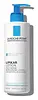 Key Ingredients
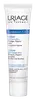
Benefits
Concerns
Ingredients Side-by-side
Water
Skin ConditioningButyrospermum Parkii Butter
Skin Conditioning






Glycerin
Humectant
Sorbitan Stearate
Emulsifying
Paraffinum Liquidum
Emollient

Niacinamide
Smoothing









Vitis Vinifera Seed Oil
Emollient
Aluminum Starch Octenylsuccinate
Absorbent
Dimethicone
Emollient
Beeswax
Emulsion Stabilising
Sorbitan Tristearate
EmulsifyingCarbomer
Emulsion StabilisingSodium Hydroxide
BufferingPoloxamer 338
EmulsifyingAmmonium Polyacryloyldimethyl Taurate
Emulsion StabilisingDisodium EDTA
ChelatingSucrose Cocoate
Emulsifying

Caprylyl Glycol
Emollient
Citric Acid
Buffering
T-Butyl Alcohol
Perfuming


Cetyl Palmitate
Emollient
BHT
Antioxidant
Pentaerythrityl Tetra-Di-T-Butyl Hydroxyhydrocinnamate
Antioxidant
Chlorhexidine Digluconate
Antimicrobial
Water, Butyrospermum Parkii Butter, Glycerin, Sorbitan Stearate, Paraffinum Liquidum, Niacinamide, Vitis Vinifera Seed Oil, Aluminum Starch Octenylsuccinate, Dimethicone, Beeswax, Sorbitan Tristearate, Carbomer, Sodium Hydroxide, Poloxamer 338, Ammonium Polyacryloyldimethyl Taurate, Disodium EDTA, Sucrose Cocoate, Caprylyl Glycol, Citric Acid, T-Butyl Alcohol, Cetyl Palmitate, BHT, Pentaerythrityl Tetra-Di-T-Butyl Hydroxyhydrocinnamate, Chlorhexidine Digluconate
Water
Skin ConditioningParaffinum Liquidum
Emollient
Sodium Chloride
MaskingZinc Oxide
Cosmetic Colorant

Cetyl PEG/PPG-10/1 Dimethicone
Emulsifying
Propylheptyl Caprylate
EmollientButylene Glycol
Humectant
Hydrogenated Polydecene
EmollientPanthenol
Skin Conditioning
Glycerin
Humectant
Dimethicone
Emollient
Disteardimonium Hectorite
StabilisingPolyglyceryl-3 Diisostearate
Emulsifying
Magnesium Sulfate
Methylpropanediol
SolventTocopheryl Acetate
Antioxidant
Triacontanyl Pvp
HumectantCopper Gluconate
Skin Conditioning
Propanediol
Solvent
Propylene Carbonate
SolventCitric Acid
Buffering
Glutamylamidoethyl Indole
Skin ProtectingPolyquaternium-61
Skin ConditioningHyaluronic Acid
Humectant
Silanetriol
Borage Seed Oil Aminopropanediol Amides
Skin Conditioning
Water, Paraffinum Liquidum, Sodium Chloride, Zinc Oxide, Cetyl PEG/PPG-10/1 Dimethicone, Propylheptyl Caprylate, Butylene Glycol, Hydrogenated Polydecene, Panthenol, Glycerin, Dimethicone, Disteardimonium Hectorite, Polyglyceryl-3 Diisostearate, Magnesium Sulfate, Methylpropanediol, Tocopheryl Acetate, Triacontanyl Pvp, Copper Gluconate, Propanediol, Propylene Carbonate, Citric Acid, Glutamylamidoethyl Indole, Polyquaternium-61, Hyaluronic Acid, Silanetriol, Borage Seed Oil Aminopropanediol Amides
Reviews
Ingredients Explained
These ingredients are found in both products.
Ingredients higher up in an ingredient list are typically present in a larger amount.
Citric Acid is an alpha hydroxy acid (AHA) naturally found in citrus fruits like oranges, lemons, and limes.
Like other AHAs, citric acid can exfoliate skin by breaking down the bonds that hold dead skin cells together. This helps reveal smoother and brighter skin underneath.
However, this exfoliating effect only happens at high concentrations (20%) which can be hard to find in cosmetic products.
Due to this, citric acid is usually included in small amounts as a pH adjuster. This helps keep products slightly more acidic and compatible with skin's natural pH.
In skincare formulas, citric acid can:
While it can provide some skin benefits, research shows lactic acid and glycolic acid are generally more effective and less irritating exfoliants.
Most citric acid used in skincare today is made by fermenting sugars (usually from molasses). This synthetic version is identical to the natural citrus form but easier to stabilize and use in formulations.
Rosacea skin has a lower threshold for acids generally, with 62.5% of rosacea subjects in one study reacting to lactic acid in a sting test. This is why we mark citric acid as a potential rosacea trigger.
However, this ingredient shows up as a pH adjuster or chelator at roughly 0.1-1% in many products. These low levels are unlikely to be an issue for rosacea skin and becomes a potential trigger at exfoliating concentrations (20%). Because everybody's skin is unique, we recommend a patch test if you are unsure.
Learn more about Citric AcidDimethicone is a type of synthetic silicone created from natural materials such as quartz. It is also known as polydimethylsiloxane.
What it does:
Dimethicone comes in different viscosities:
Depending on the viscosity, dimethicone has different properties.
Ingredients lists don't always show which type is used, so we recommend reaching out to the brand if you have questions about the viscosity.
This ingredient is unlikely to cause irritation because it does not get absorbed into skin. However, people with silicone allergies should be careful about using this ingredient.
Note: Dimethicone may contribute to pilling. This is because it is not oil or water soluble, so pilling may occur when layered with products. When mixed with heavy oils in a formula, the outcome is also quite greasy.
Learn more about DimethiconeGlycerin (or glycerol) is a compound naturally found in your skin. It's a powerhouse humectant that pulls water into the stratum corneum.
Topically, glycerin does several things at once:
Your skin makes glycerin on its own (mostly from sebaceous oil breakdown) and shuttles it to your outermost layer of skin, or your epidermis, via aquaporin-3.
Aquaporin-3 is a transporter that is essential for normal skin hydration, elasticity, and repair. Interestingly, mice lacking in AQP3 have dry and less elastic skin that can be fully corrected with glycerin.
This ingredient is non-irritating, plays well with almost every ingredient, and works across all skin types. Typical use is anywhere between 3-10% but can go up to 79% in some leave-on products.
Just know very high concentrations (>40%) can feel tacky in low humidity.
Glycerin is the name for this ingredient in American English. British English uses Glycerol/Glycerine.
Learn more about GlycerinParaffinum Liquidum is a highly-refined cosmetic-grade mineral oil. It is also known as liquid paraffin.
Despite its controversial reputation, the science is pretty clear: it's one of the most well-studied and effective moisturizing ingredients out there.
As an occlusive, it forms a protective layer on the skin that locks in moisture and prevents transepidermal water loss (TEWL). This makes it especially great for compromised skin barriers.
The "it clogs your pores" myth has been around for decades; a study found that industrial-grade mineral oil may be comedogenic but cosmetic-grade mineral oil is not (these two are very, very different).
A 2017 review concluded that cosmetic use of mineral oils and waxes does not present a risk to consumers due to absorption.
Mineral oil got a bad rap from the old rabbit ear studies. When tested on actual human skin, cosmetic-grade mineral oil showed no comedogenic activity. The rating of 0 is a correction of outdated science.
Mineral oil is an inert substance with no fatty acids so there's nothing to feed Malassezia. This ingredient is fungal acne safe.
Learn more about Paraffinum LiquidumWater. It's the most common cosmetic ingredient of all. You'll usually see it at the top of ingredient lists, meaning that it makes up the largest part of the product.
So why is it so popular? Water most often acts as a solvent - this means that it helps dissolve other ingredients into the formulation.
You'll also recognize water as that liquid we all need to stay alive. If you see this, drink a glass of water. Remember to stay hydrated!
Learn more about Water

