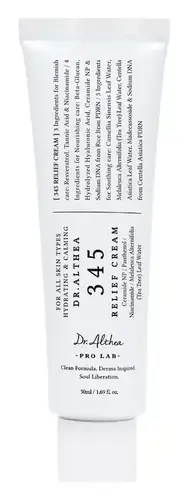
This anti-aging night moisturizer is formulated around Aloe Barbadensis Leaf Juice and Haematococcus Pluvialis Extract to soften the look of wrinkles and hydrate skin.
This barrier-repair moisturizer is formulated around Butyrospermum Parkii Butter and Squalane to strengthen the skin barrier and hydrate skin.

What's inside
What's inside
 Key Ingredients
Benefits
Concerns
Ingredients Side-by-side
Aloe Barbadensis Leaf Juice
Skin Conditioning


Orbignya Oleifera Seed Oil
Emollient


Butyrospermum Parkii Butter
Skin Conditioning



Isoamyl Laurate
Emollient
Isoamyl Cocoate


Cetearyl Alcohol
Emollient
Coco-Glucoside
Cleansing
Salvia Hispanica Seed Oil
Emollient
Haematococcus Pluvialis Extract
Antioxidant
Simmondsia Chinensis Seed Oil
Emollient
Caprylic/Capric Triglyceride
Masking
Nicotiana Benthamiana Hexapeptide-40 Sh-Polypeptide-76
Skin Conditioning

Hexapeptide-11
Skin Conditioning
Tripeptide-29
Skin Conditioning
Terminalia Chebula Fruit Extract
Skin ConditioningCamellia Sinensis Leaf Extract
Antimicrobial


Anigozanthos Flavidus Extract
Skin ConditioningXylitylglucoside
Humectant
Anhydroxylitol
Humectant
Xylitol
Humectant
Saccharide Isomerate
Humectant
Lupinus Albus Seed Extract
Skin ConditioningHelianthus Annuus Seed Oil
Emollient
Glycerin
Humectant
Lactobacillus/Dipteryx Odorata Seed Ferment Filtrate
Skin ConditioningSodium PCA
Humectant
Carthamus Tinctorius Seed Oil
Masking
Spilanthes Acmella Flower/Leaf/Stem Extract
AntimicrobialAstragalus Membranaceus Root Extract
Emollient
Sodium Lactate
Buffering
Vegetable Oil
Skin Conditioning
Arginine
Masking
Aspartic Acid
Masking
Glycine
Buffering
Alanine
Masking
Serine
Masking
Valine
MaskingProline
Skin Conditioning
Threonine
Isoleucine
Skin ConditioningHistidine
Humectant
Phenylalanine
Masking
Saccharomyces/Zinc Ferment
Skin Conditioning
Saccharomyces/Copper Ferment
Skin Conditioning
Saccharomyces/Magnesium Ferment
Saccharomyces/Iron Ferment
Skin Conditioning
Saccharomyces/Silicon Ferment
Skin Conditioning
Dipalmitoyl Hydroxyproline
Skin Conditioning
Polyglyceryl-3 Beeswax
Emulsifying
Asiaticoside
Antioxidant
Madecassic Acid
Skin Conditioning
Asiatic Acid
Skin Conditioning
Hyaluronic Acid
Humectant
Ubiquinone
Antioxidant
Tocopherol
Antioxidant

Acacia Senegal Gum
MaskingXanthan Gum
EmulsifyingBoswellia Carterii Gum
Perfuming
Sodium Phytate
ChelatingBenzyl Alcohol
Perfuming




Salicylic Acid
Masking

Sorbic Acid
Preservative
Citric Acid
Buffering
Sodium Citrate
BufferingAloe Barbadensis Leaf Juice, Orbignya Oleifera Seed Oil, Butyrospermum Parkii Butter, Isoamyl Laurate, Isoamyl Cocoate, Cetearyl Alcohol, Coco-Glucoside, Salvia Hispanica Seed Oil, Haematococcus Pluvialis Extract, Simmondsia Chinensis Seed Oil, Caprylic/Capric Triglyceride, Nicotiana Benthamiana Hexapeptide-40 Sh-Polypeptide-76, Hexapeptide-11, Tripeptide-29, Terminalia Chebula Fruit Extract, Camellia Sinensis Leaf Extract, Anigozanthos Flavidus Extract, Xylitylglucoside, Anhydroxylitol, Xylitol, Saccharide Isomerate, Lupinus Albus Seed Extract, Helianthus Annuus Seed Oil, Glycerin, Lactobacillus/Dipteryx Odorata Seed Ferment Filtrate, Sodium PCA, Carthamus Tinctorius Seed Oil, Spilanthes Acmella Flower/Leaf/Stem Extract, Astragalus Membranaceus Root Extract, Sodium Lactate, Vegetable Oil, Arginine, Aspartic Acid, Glycine, Alanine, Serine, Valine, Proline, Threonine, Isoleucine, Histidine, Phenylalanine, Saccharomyces/Zinc Ferment, Saccharomyces/Copper Ferment, Saccharomyces/Magnesium Ferment, Saccharomyces/Iron Ferment, Saccharomyces/Silicon Ferment, Dipalmitoyl Hydroxyproline, Polyglyceryl-3 Beeswax, Asiaticoside, Madecassic Acid, Asiatic Acid, Hyaluronic Acid, Ubiquinone, Tocopherol, Acacia Senegal Gum, Xanthan Gum, Boswellia Carterii Gum, Sodium Phytate, Benzyl Alcohol, Salicylic Acid, Sorbic Acid, Citric Acid, Sodium Citrate
Water
Skin ConditioningTriheptanoin
Skin ConditioningGlycerin
Humectant
Butyrospermum Parkii Butter
Skin Conditioning
Squalane
Emollient
Isostearyl Isostearate
Emollient
C12-16 Alcohols
EmollientBehenyl Alcohol
Emollient
Coco-Caprylate/Caprate
Emollient
Jojoba Oil/Macadamia Seed Oil Esters
Skin Conditioning
Propanediol
Solvent
Cetyl Stearate
Emollient
Isomalt
HumectantPalmitic Acid
Emollient
Xylitol
Humectant
Glyceryl Stearate Citrate
Emollient
Hydrogenated Lecithin
Emulsifying
Tremella Fuciformis Sporocarp Extract
Antioxidant
Sodium Hyaluronate
Humectant
Ketoglutaric Acid
Scutellaria Alpina Flower/Leaf/Stem Extract
Skin ConditioningBetula Alba Juice
AstringentSqualene
Emollient
Phytosteryl Macadamiate
Skin Conditioning
Phytosterols
Skin Conditioning
Tocopherol
Antioxidant
Oryza Sativa Bran Extract
Skin Conditioning
Rosmarinus Officinalis Leaf Extract
AntimicrobialHelianthus Annuus Extract
Emollient
Rubus Chamaemorus Seed Extract
Skin ConditioningPhospholipids
Skin Conditioning
Pentylene Glycol
Skin Conditioning
Sphingolipids
Emollient
Helianthus Annuus Seed Oil
Emollient
Rosa Damascena Flower Oil
Masking
Pelargonium Graveolens Flower Oil
Masking
Polypodium Vulgare Rhizome Extract
HumectantCetraria Islandica Thallus Extract
HumectantSphagnum Magellanicum Extract
Skin ConditioningAcer Rubrum Bark Extract
Skin ConditioningPhytol
Emollient
P-Anisic Acid
MaskingXanthan Gum
Emulsifying1,2-Hexanediol
Skin Conditioning
Caprylyl Glycol
Emollient
Trisodium Ethylenediamine Disuccinate
ChelatingSodium Hydroxide
BufferingCitric Acid
Buffering
Potassium Sorbate
Preservative
Caprylhydroxamic Acid
ChelatingSodium Citrate
BufferingGeraniol
Perfuming
Citronellol
Perfuming
Linalool
Perfuming
Water, Triheptanoin, Glycerin, Butyrospermum Parkii Butter, Squalane, Isostearyl Isostearate, C12-16 Alcohols, Behenyl Alcohol, Coco-Caprylate/Caprate, Jojoba Oil/Macadamia Seed Oil Esters, Propanediol, Cetyl Stearate, Isomalt, Palmitic Acid, Xylitol, Glyceryl Stearate Citrate, Hydrogenated Lecithin, Tremella Fuciformis Sporocarp Extract, Sodium Hyaluronate, Ketoglutaric Acid, Scutellaria Alpina Flower/Leaf/Stem Extract, Betula Alba Juice, Squalene, Phytosteryl Macadamiate, Phytosterols, Tocopherol, Oryza Sativa Bran Extract, Rosmarinus Officinalis Leaf Extract, Helianthus Annuus Extract, Rubus Chamaemorus Seed Extract, Phospholipids, Pentylene Glycol, Sphingolipids, Helianthus Annuus Seed Oil, Rosa Damascena Flower Oil, Pelargonium Graveolens Flower Oil, Polypodium Vulgare Rhizome Extract, Cetraria Islandica Thallus Extract, Sphagnum Magellanicum Extract, Acer Rubrum Bark Extract, Phytol, P-Anisic Acid, Xanthan Gum, 1,2-Hexanediol, Caprylyl Glycol, Trisodium Ethylenediamine Disuccinate, Sodium Hydroxide, Citric Acid, Potassium Sorbate, Caprylhydroxamic Acid, Sodium Citrate, Geraniol, Citronellol, Linalool
Ingredients Explained
These ingredients are found in both products.
Ingredients higher up in an ingredient list are typically present in a larger amount.
This ingredient is also known as shea butter. It is a plant-derived extract from the nuts of the Africa shea tree and one of the most well-studied emollients.
Because it has a high concentration of fatty acids (primarily oleic, stearic, and linoleic) it is able to form a protective barrier on the skin's surface. This helps seal in moisture and prevents transepidermal water loss (TEWL).
In vitro research found an increase in skin hydration by 58% and a decrease in TEWL by 37.8% after 24 hours of applying this ingredient (pretty impressive for a single ingredient!).
Besides hydration, shea butter also contains triterpenes that have anti-inflammatory potential. In particule, lupeol cinnamate has shown the highest anti-inflammatory activity in vivo.
Shea butter also contains vitamins A and E which may contribute to antioxidant activity.
While Shea Butter has an SPF rating of about 3-4, it is not a sunscreen replacement.
This ingredient may not be fungal acne safe because its fatty acids fall within the C11-C24 range that the Malassezia yeast can metabolize.
This ingredient shows up on a lot of "pore-clogging" lists but there's no real evidence behind that. It doesn't even have a comedogenic rating from an actual study; the numbers you'll find online come from blogs citing other blogs.
Ratings for other ingredients mostly come from a 1980s rabbit ear test. This test doesn't translate well to human skin or to real products because the ingredient sits at a much lower percentage.
Some people still find it breaks them out. So if that's you, definitely trust your skin. Just know this one's based on experience and not evidence.
Learn more about Butyrospermum Parkii ButterCitric Acid is an alpha hydroxy acid (AHA) naturally found in citrus fruits like oranges, lemons, and limes.
Like other AHAs, citric acid can exfoliate skin by breaking down the bonds that hold dead skin cells together. This helps reveal smoother and brighter skin underneath.
However, this exfoliating effect only happens at high concentrations (20%) which can be hard to find in cosmetic products.
Due to this, citric acid is usually included in small amounts as a pH adjuster. This helps keep products slightly more acidic and compatible with skin's natural pH.
In skincare formulas, citric acid can:
While it can provide some skin benefits, research shows lactic acid and glycolic acid are generally more effective and less irritating exfoliants.
Most citric acid used in skincare today is made by fermenting sugars (usually from molasses). This synthetic version is identical to the natural citrus form but easier to stabilize and use in formulations.
Rosacea skin has a lower threshold for acids generally, with 62.5% of rosacea subjects in one study reacting to lactic acid in a sting test. This is why we mark citric acid as a potential rosacea trigger.
However, this ingredient shows up as a pH adjuster or chelator at roughly 0.1-1% in many products. These low levels are unlikely to be an issue for rosacea skin and becomes a potential trigger at exfoliating concentrations (20%). Because everybody's skin is unique, we recommend a patch test if you are unsure.
Learn more about Citric AcidGlycerin (or glycerol) is a compound naturally found in your skin. It's a powerhouse humectant that pulls water into the stratum corneum.
Topically, glycerin does several things at once:
Your skin makes glycerin on its own (mostly from sebaceous oil breakdown) and shuttles it to your outermost layer of skin, or your epidermis, via aquaporin-3.
Aquaporin-3 is a transporter that is essential for normal skin hydration, elasticity, and repair. Interestingly, mice lacking in AQP3 have dry and less elastic skin that can be fully corrected with glycerin.
This ingredient is non-irritating, plays well with almost every ingredient, and works across all skin types. Typical use is anywhere between 3-10% but can go up to 79% in some leave-on products.
Just know very high concentrations (>40%) can feel tacky in low humidity.
Glycerin is the name for this ingredient in American English. British English uses Glycerol/Glycerine.
Learn more about GlycerinHelianthus Annuus Seed Oil is a plant oil derived from the seeds of a sunflower.
It is rich in fatty acids, primarily linoleic acid and oleic acid. This gives it emollient and skin conditioning properties.
The reason this ingredient is so effective is because it forms a thin film on the skin that reduces transepidermal water loss (TEWL) while supplying linoleic acid to the stratum corneum to improve barrier strength.
The high linoleic acid content is particularly noteworthy for acne-prone skin.
Research suggests that acne-prone skin tends to be deficient in linoleic acid in sebum. Topical application may help replenish this to support a healthier follicular environment and less comedone-promoting sebum.
One randomized study found sunflower seed oil preserved skin barrier integrity in adult volunteers with and without atopic dermatitis (outperforming olive oil).
This ingredient is well-studied, gentle, and an effective emollient suitable for most skin types.
On fungal acne: This ingredient may not be Fungal acne (Malassezia folliculitis) safe. This is because it contains fatty acids with carbon chain lengths in the C11-C24 range.
Learn more about Helianthus Annuus Seed OilSodium Citrate is the sodium salts of citric acid. In skincare, it is used to alter pH levels and acts as a preservative.
Its main functions are to maintain the pH of a product and neutralize metal ions.
The acidity of our skin is maintained by our glands and skin biome; normal pH level of skin is slightly acidic (~4.75-5.5).
Being slightly acidic allows our skin to create an "acid mantle". This acid mantle is a thin barrier that protects our skin from bacteria and contaminants.
Learn more about Sodium CitrateTocopherol is a fat-soluble antioxidant known as Vitamin E.
You'll find this ingredient in the vast majority of skincare (for good reason). It works to neutralize free radicals, or unstable molecules generated by UV exposure, pollution, and other environmental stressors, before they can cause oxidative damage to your skin cells.
Topically applied tocopherol has been shown to protect against UV damage by ramping up the skin's own natural defense enzymes.
It also acts as a skin conditioning agent; some studies show that regular topical use can improve the skin's water-binding capacity over 2-4 weeks.
This ingredient is especially loved for being a team player. When combined with Vitamin C, the photoprotective effect of both ingredients roughly doubles and the combo also helps reduce UV-induced DNA damage.
This ingredient has some brightening potential but it's more of a prevention ingredient than spot-fader. Cell studies show it can slow down melanin production but it's worth noting that it's not the most powerful brightener out there.
In formulations, it also serves as a stabilizer that helps protect other oxidation-prone ingredients from degrading.
Concentrations usually range from 0.1-1% in most leave-on products.
Learn more about TocopherolXanthan gum is used as a stabilizer and thickener within cosmetic products. It helps give products a sticky, thick feeling - preventing them from being too runny.
On the technical side of things, xanthan gum is a polysaccharide - a combination consisting of multiple sugar molecules bonded together.
Xanthan gum is a pretty common and great ingredient. It is a natural, non-toxic, non-irritating ingredient that is also commonly used in food products.
Learn more about Xanthan GumXylitol is a humectant and prebiotic. It can help with dry skin.
In studies, xylitol has been shown to improve dry skin. It decreased transepidermal water loss, or when water passes through the skin and evaporates. Xylitol also showed to help improve the biomechanical properties of the skin barrier.
The prebiotic property of xylitol may also help reinforce our skin's natural microbiome. Having a healthy microbiome prevents infection by bad bacteria and helps with hydration.
As a humectant, Xylitol helps draw moisture from both the air and from deeper skin layers. This helps keep skin hydrated.
Xylitol is a sugar alcohol and commonly used as a sugar substitute. It is naturally occurring in plants such as strawberries and pumpkin.
Learn more about Xylitol