This anti-aging night moisturizer is formulated around Aloe Barbadensis Leaf Juice and Haematococcus Pluvialis Extract to soften the look of wrinkles and hydrate skin.
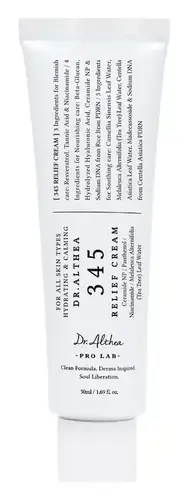
This calming moisturizer is formulated around Melaleuca Alternifolia Leaf Water and Niacinamide to calm redness and strengthen the skin barrier.


What's inside
What's inside
 Key Ingredients
Benefits
Concerns
No concerns
Ingredients Side-by-side
Aloe Barbadensis Leaf Juice
Skin Conditioning


Orbignya Oleifera Seed Oil
Emollient


Butyrospermum Parkii Butter
Skin Conditioning



Isoamyl Laurate
Emollient
Isoamyl Cocoate


Cetearyl Alcohol
Emollient
Coco-Glucoside
Cleansing
Salvia Hispanica Seed Oil
Emollient
Haematococcus Pluvialis Extract
Antioxidant
Simmondsia Chinensis Seed Oil
Emollient
Caprylic/Capric Triglyceride
Masking
Nicotiana Benthamiana Hexapeptide-40 Sh-Polypeptide-76
Skin Conditioning

Hexapeptide-11
Skin Conditioning
Tripeptide-29
Skin Conditioning
Terminalia Chebula Fruit Extract
Skin ConditioningCamellia Sinensis Leaf Extract
Antimicrobial


Anigozanthos Flavidus Extract
Skin ConditioningXylitylglucoside
Humectant
Anhydroxylitol
Humectant
Xylitol
Humectant
Saccharide Isomerate
Humectant
Lupinus Albus Seed Extract
Skin ConditioningHelianthus Annuus Seed Oil
Emollient
Glycerin
Humectant
Lactobacillus/Dipteryx Odorata Seed Ferment Filtrate
Skin ConditioningSodium PCA
Humectant
Carthamus Tinctorius Seed Oil
Masking
Spilanthes Acmella Flower/Leaf/Stem Extract
AntimicrobialAstragalus Membranaceus Root Extract
Emollient
Sodium Lactate
Buffering
Vegetable Oil
Skin Conditioning
Arginine
Masking
Aspartic Acid
Masking
Glycine
Buffering
Alanine
Masking
Serine
Masking
Valine
MaskingProline
Skin Conditioning
Threonine
Isoleucine
Skin ConditioningHistidine
Humectant
Phenylalanine
Masking
Saccharomyces/Zinc Ferment
Skin Conditioning
Saccharomyces/Copper Ferment
Skin Conditioning
Saccharomyces/Magnesium Ferment
Saccharomyces/Iron Ferment
Skin Conditioning
Saccharomyces/Silicon Ferment
Skin Conditioning
Dipalmitoyl Hydroxyproline
Skin Conditioning
Polyglyceryl-3 Beeswax
Emulsifying
Asiaticoside
Antioxidant
Madecassic Acid
Skin Conditioning
Asiatic Acid
Skin Conditioning
Hyaluronic Acid
Humectant
Ubiquinone
Antioxidant
Tocopherol
Antioxidant

Acacia Senegal Gum
MaskingXanthan Gum
EmulsifyingBoswellia Carterii Gum
Perfuming
Sodium Phytate
ChelatingBenzyl Alcohol
Perfuming




Salicylic Acid
Masking

Sorbic Acid
Preservative
Citric Acid
Buffering
Sodium Citrate
BufferingAloe Barbadensis Leaf Juice, Orbignya Oleifera Seed Oil, Butyrospermum Parkii Butter, Isoamyl Laurate, Isoamyl Cocoate, Cetearyl Alcohol, Coco-Glucoside, Salvia Hispanica Seed Oil, Haematococcus Pluvialis Extract, Simmondsia Chinensis Seed Oil, Caprylic/Capric Triglyceride, Nicotiana Benthamiana Hexapeptide-40 Sh-Polypeptide-76, Hexapeptide-11, Tripeptide-29, Terminalia Chebula Fruit Extract, Camellia Sinensis Leaf Extract, Anigozanthos Flavidus Extract, Xylitylglucoside, Anhydroxylitol, Xylitol, Saccharide Isomerate, Lupinus Albus Seed Extract, Helianthus Annuus Seed Oil, Glycerin, Lactobacillus/Dipteryx Odorata Seed Ferment Filtrate, Sodium PCA, Carthamus Tinctorius Seed Oil, Spilanthes Acmella Flower/Leaf/Stem Extract, Astragalus Membranaceus Root Extract, Sodium Lactate, Vegetable Oil, Arginine, Aspartic Acid, Glycine, Alanine, Serine, Valine, Proline, Threonine, Isoleucine, Histidine, Phenylalanine, Saccharomyces/Zinc Ferment, Saccharomyces/Copper Ferment, Saccharomyces/Magnesium Ferment, Saccharomyces/Iron Ferment, Saccharomyces/Silicon Ferment, Dipalmitoyl Hydroxyproline, Polyglyceryl-3 Beeswax, Asiaticoside, Madecassic Acid, Asiatic Acid, Hyaluronic Acid, Ubiquinone, Tocopherol, Acacia Senegal Gum, Xanthan Gum, Boswellia Carterii Gum, Sodium Phytate, Benzyl Alcohol, Salicylic Acid, Sorbic Acid, Citric Acid, Sodium Citrate
Water
Skin ConditioningMelaleuca Alternifolia Leaf Water
Antimicrobial
Propanediol
Solvent
Glycerin
Humectant
1,2-Hexanediol
Skin Conditioning
Hydrogenated Polydecene
EmollientVinyldimethicone

C14-22 Alcohols
Emulsion Stabilising
Niacinamide
Smoothing
Caprylic/Capric Triglyceride
Masking
Panthenol
Skin Conditioning
Dicaprylyl Carbonate
EmollientButylene Glycol
Humectant
Ammonium Acryloyldimethyltaurate/Vp Copolymer
Caprylyl Methicone
Skin Conditioning
Polymethylsilsesquioxane
C12-20 Alkyl Glucoside
EmulsifyingHydroxyacetophenone
Antioxidant
Acrylates/C10-30 Alkyl Acrylate Crosspolymer
Emulsion StabilisingPolyquaternium-51
Skin Conditioning
Ethylhexylglycerin
Skin ConditioningTromethamine
BufferingSodium Hyaluronate
Humectant
Sodium Stearoyl Glutamate
CleansingCoptis Japonica Root Extract
Skin ConditioningCentella Asiatica Leaf Water
Skin Conditioning
Beta-Glucan
Skin Conditioning
Resveratrol
Antioxidant
Hydrolyzed Hyaluronic Acid
Humectant
Camellia Sinensis Leaf Water
Masking
Tocopherol
Antioxidant
Madecassoside
Antioxidant
Sodium DNA
Skin Conditioning
Centella Asiatica Extract
Cleansing
Ceramide NP
Skin Conditioning
Tannic Acid
AstringentDisodium EDTA
ChelatingSodium Phytate
ChelatingWater, Melaleuca Alternifolia Leaf Water, Propanediol, Glycerin, 1,2-Hexanediol, Hydrogenated Polydecene, Vinyldimethicone, C14-22 Alcohols, Niacinamide, Caprylic/Capric Triglyceride, Panthenol, Dicaprylyl Carbonate, Butylene Glycol, Ammonium Acryloyldimethyltaurate/Vp Copolymer, Caprylyl Methicone, Polymethylsilsesquioxane, C12-20 Alkyl Glucoside, Hydroxyacetophenone, Acrylates/C10-30 Alkyl Acrylate Crosspolymer, Polyquaternium-51, Ethylhexylglycerin, Tromethamine, Sodium Hyaluronate, Sodium Stearoyl Glutamate, Coptis Japonica Root Extract, Centella Asiatica Leaf Water, Beta-Glucan, Resveratrol, Hydrolyzed Hyaluronic Acid, Camellia Sinensis Leaf Water, Tocopherol, Madecassoside, Sodium DNA, Centella Asiatica Extract, Ceramide NP, Tannic Acid, Disodium EDTA, Sodium Phytate
Reviews
Ingredients Explained
These ingredients are found in both products.
Ingredients higher up in an ingredient list are typically present in a larger amount.
Caprylic/Capric Triglyceride (aka MCT Oil) is a lightweight emollient, solvent, and texture enhancer. It is considered a skin-softener by helping to prevent moisture loss.
Though it behaves like an oil, it is not technically one due to its chemical composition. One perk of this ingredient is that it is very stable, resistant to oxidation, and unlikely to go rancid.
In practice, that translates to a long shelf life and a consistently elegant skin feel.
While there is an assumption Caprylic Triglyceride can clog pores due to it being derived from coconut oil, there is no research supporting this. Just patch test if you have concerns.
Fractionated coconut oil and MCT Oil are both listed as Caprylic/Capric Triglyceride according to INCI. This is because INCI names are based on the ingredient’s final chemical composition and not its marketing name or source.
This ingredient is treated as the gold standard fungal acne safe oil. Even though it is coconut derived, the problematic lauric acid is stripped out.
This leaves just caprylic (C8) and capric (C10) acid. These chain lengths actually trend antifungal; a 2020 study found caprylic acid was enough to disrupt Malassezia furfur cell membrane, with a caprylic acid derivative damaging membrane structures at concentrations as low as 0.2%.
Learn more about Caprylic/Capric TriglycerideGlycerin (or glycerol) is a compound naturally found in your skin. It's a powerhouse humectant that pulls water into the stratum corneum.
Topically, glycerin does several things at once:
Your skin makes glycerin on its own (mostly from sebaceous oil breakdown) and shuttles it to your outermost layer of skin, or your epidermis, via aquaporin-3.
Aquaporin-3 is a transporter that is essential for normal skin hydration, elasticity, and repair. Interestingly, mice lacking in AQP3 have dry and less elastic skin that can be fully corrected with glycerin.
This ingredient is non-irritating, plays well with almost every ingredient, and works across all skin types. Typical use is anywhere between 3-10% but can go up to 79% in some leave-on products.
Just know very high concentrations (>40%) can feel tacky in low humidity.
Glycerin is the name for this ingredient in American English. British English uses Glycerol/Glycerine.
Learn more about GlycerinSodium Phytate is the sodium salt of Phytic acid, a compound that plants store phosphorus in. It's the plant-derived alternative to ingredients like Disodium EDTA.
In skincare, this ingredient is a chelator that grabs onto trace metal ions like iron and copper that sneak into formulas through water/raw materials.
Those metals speed up oxidation so binding them keeps oils, fragrance, and actives from going off, stops color changes, and helps the preservative system work harder.
Survey data shows usage levels range from 0.0099%-0.5% in leave-on products, 0.025%-0.3% in rinse-off, and up to 0.05% in eye-area products. Suppliers typically recommend a range between 0.05-0.5%.
Learn more about Sodium PhytateTocopherol is a fat-soluble antioxidant known as Vitamin E.
You'll find this ingredient in the vast majority of skincare (for good reason). It works to neutralize free radicals, or unstable molecules generated by UV exposure, pollution, and other environmental stressors, before they can cause oxidative damage to your skin cells.
Topically applied tocopherol has been shown to protect against UV damage by ramping up the skin's own natural defense enzymes.
It also acts as a skin conditioning agent; some studies show that regular topical use can improve the skin's water-binding capacity over 2-4 weeks.
This ingredient is especially loved for being a team player. When combined with Vitamin C, the photoprotective effect of both ingredients roughly doubles and the combo also helps reduce UV-induced DNA damage.
This ingredient has some brightening potential but it's more of a prevention ingredient than spot-fader. Cell studies show it can slow down melanin production but it's worth noting that it's not the most powerful brightener out there.
In formulations, it also serves as a stabilizer that helps protect other oxidation-prone ingredients from degrading.
Concentrations usually range from 0.1-1% in most leave-on products.
Learn more about Tocopherol

