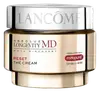
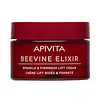
Lancôme Absolue Longevity MD Reset The Cream Versus Apivita Natural Cosmetics Beevine Elixir Wrinkle & Firmness Lift Cream
This anti-aging moisturizer is formulated around Niacinamide to soften the look of wrinkles and refine skin texture.
This anti-aging day moisturizer is formulated around Squalane and Propolis Extract to soften the look of wrinkles and hydrate skin.


What's inside
What's inside
 Key Ingredients
Benefits
Concerns
Ingredients Side-by-side
Water
Skin ConditioningGlycerin
Humectant


Rhamnose
HumectantPrunus Armeniaca Kernel Oil
Masking




Niacinamide
Smoothing









Pentaerythrityl Tetraethylhexanoate
Emollient
Cetyl Alcohol
Emollient

Zea Mays Starch
Absorbent
Isopropyl Lauroyl Sarcosinate
Skin ConditioningButyrospermum Parkii Butter
Skin Conditioning
Alcohol Denat.
Antimicrobial


Petrolatum
Emollient
Pentylene Glycol
Skin Conditioning
Glyceryl Stearate
Emollient
Octyldodecanol
Emollient
PEG-40 Stearate
Emulsifying
Cera Alba
Emollient
Urolithin A
Ginkgo Biloba Leaf Extract
Skin Conditioning
Stearyl Alcohol
Emollient
Adenosine
Skin Conditioning
Arginine
Masking
Butylene Glycol
Humectant
Capryloyl Salicylic Acid
Exfoliating
Caprylyl Glycol
Emollient
Carbomer
Emulsion StabilisingCitric Acid
Buffering
Hydrolyzed Linseed Extract
Skin ConditioningHydroxypropyl Tetrahydropyrantriol
Skin ConditioningPalmitoyl Tetrapeptide-7
Skin Conditioning
Palmitoyl Tripeptide-1
Skin Conditioning
Pentaerythrityl Tetra-Di-T-Butyl Hydroxyhydrocinnamate
Antioxidant
Poloxamer 338
EmulsifyingPolysorbate 20
Emulsifying
Propanediol
Solvent
Propylene Glycol
Humectant
Rosa Damascena Flower Water
Masking
Sodium Hydroxide
BufferingSodium Lactate
Buffering
Sorbitan Tristearate
EmulsifyingTaurine
BufferingTocopherol
Antioxidant
Xanthan Gum
EmulsifyingDimethicone
Emollient
Dimethiconol
Emollient
Caramel
Cosmetic ColorantPhenoxyethanol
Preservative
Salicylic Acid
Masking
Sodium Benzoate
Masking
Parfum
Masking

Water, Glycerin, Rhamnose, Prunus Armeniaca Kernel Oil, Niacinamide, Pentaerythrityl Tetraethylhexanoate, Cetyl Alcohol, Zea Mays Starch, Isopropyl Lauroyl Sarcosinate, Butyrospermum Parkii Butter, Alcohol Denat., Petrolatum, Pentylene Glycol, Glyceryl Stearate, Octyldodecanol, PEG-40 Stearate, Cera Alba, Urolithin A, Ginkgo Biloba Leaf Extract, Stearyl Alcohol, Adenosine, Arginine, Butylene Glycol, Capryloyl Salicylic Acid, Caprylyl Glycol, Carbomer, Citric Acid, Hydrolyzed Linseed Extract, Hydroxypropyl Tetrahydropyrantriol, Palmitoyl Tetrapeptide-7, Palmitoyl Tripeptide-1, Pentaerythrityl Tetra-Di-T-Butyl Hydroxyhydrocinnamate, Poloxamer 338, Polysorbate 20, Propanediol, Propylene Glycol, Rosa Damascena Flower Water, Sodium Hydroxide, Sodium Lactate, Sorbitan Tristearate, Taurine, Tocopherol, Xanthan Gum, Dimethicone, Dimethiconol, Caramel, Phenoxyethanol, Salicylic Acid, Sodium Benzoate, Parfum
Water
Skin ConditioningPropanediol
Solvent
Squalane
Emollient
Glycerin
Humectant
Triheptanoin
Skin ConditioningTriolein
Skin Conditioning
Cetearyl Glucoside
Emulsifying
Argania Spinosa Kernel Oil
Emollient
Caprylic/Capric/Succinic Triglyceride
EmollientButyrospermum Parkii Butter
Skin Conditioning
Hydrogenated Vegetable Oil
Emollient
Sorbitan Olivate
Emulsifying
Cetearyl Alcohol
Emollient
Phytosteryl/Octyldodecyl Lauroyl Glutamate
Skin ConditioningC10-18 Triglycerides
Emollient
Dipalmitoyl Hydroxyproline
Skin Conditioning
Propolis Extract
Skin Conditioning
Helianthus Annuus Seed Oil
Emollient
Aloe Barbadensis Leaf Juice Powder
Skin Conditioning
Rosa Canina Fruit Extract
Astringent
Hippophae Rhamnoides Kernel Extract
MaskingVitis Vinifera Leaf Extract
Skin ConditioningVegetable Oil
Skin Conditioning
Hydrolyzed Vegetable Protein
Skin ConditioningSodium Hyaluronate
Humectant
Hydroxyacetophenone
Antioxidant
Cetyl Palmitate
Emollient
Tocopheryl Acetate
Antioxidant
Panthenol
Skin Conditioning
Sorbitan Palmitate
Emulsifying
Polyacrylate Crosspolymer-6
Emulsion StabilisingTocopherol
Antioxidant
Xanthan Gum
EmulsifyingAminobutyric Acid
Sorbitan Oleate
Emulsifying
Ethylhexylglycerin
Skin ConditioningSodium Gluconate
ChelatingBisabolol
Antioxidant
Hydroxypropyl Cyclodextrin
MaskingCitronellyl Methylcrotonate
Masking
Palmitic Acid
Emollient
Maltodextrin
Absorbent
Allantoin
Skin Conditioning
Sodium Benzoate
Masking
Lecithin
Emollient
Sodium Hydroxide
BufferingSodium Phytate
ChelatingParfum
Masking
Water, Propanediol, Squalane, Glycerin, Triheptanoin, Triolein, Cetearyl Glucoside, Argania Spinosa Kernel Oil, Caprylic/Capric/Succinic Triglyceride, Butyrospermum Parkii Butter, Hydrogenated Vegetable Oil, Sorbitan Olivate, Cetearyl Alcohol, Phytosteryl/Octyldodecyl Lauroyl Glutamate, C10-18 Triglycerides, Dipalmitoyl Hydroxyproline, Propolis Extract, Helianthus Annuus Seed Oil, Aloe Barbadensis Leaf Juice Powder, Rosa Canina Fruit Extract, Hippophae Rhamnoides Kernel Extract, Vitis Vinifera Leaf Extract, Vegetable Oil, Hydrolyzed Vegetable Protein, Sodium Hyaluronate, Hydroxyacetophenone, Cetyl Palmitate, Tocopheryl Acetate, Panthenol, Sorbitan Palmitate, Polyacrylate Crosspolymer-6, Tocopherol, Xanthan Gum, Aminobutyric Acid, Sorbitan Oleate, Ethylhexylglycerin, Sodium Gluconate, Bisabolol, Hydroxypropyl Cyclodextrin, Citronellyl Methylcrotonate, Palmitic Acid, Maltodextrin, Allantoin, Sodium Benzoate, Lecithin, Sodium Hydroxide, Sodium Phytate, Parfum
Ingredients Explained
These ingredients are found in both products.
Ingredients higher up in an ingredient list are typically present in a larger amount.
This ingredient is also known as shea butter. It is a plant-derived extract from the nuts of the Africa shea tree and one of the most well-studied emollients.
Because it has a high concentration of fatty acids (primarily oleic, stearic, and linoleic) it is able to form a protective barrier on the skin's surface. This helps seal in moisture and prevents transepidermal water loss (TEWL).
In vitro research found an increase in skin hydration by 58% and a decrease in TEWL by 37.8% after 24 hours of applying this ingredient (pretty impressive for a single ingredient!).
Besides hydration, shea butter also contains triterpenes that have anti-inflammatory potential. In particule, lupeol cinnamate has shown the highest anti-inflammatory activity in vivo.
Shea butter also contains vitamins A and E which may contribute to antioxidant activity.
While Shea Butter has an SPF rating of about 3-4, it is not a sunscreen replacement.
This ingredient may not be fungal acne safe because its fatty acids fall within the C11-C24 range that the Malassezia yeast can metabolize.
This ingredient shows up on a lot of "pore-clogging" lists but there's no real evidence behind that. It doesn't even have a comedogenic rating from an actual study; the numbers you'll find online come from blogs citing other blogs.
Ratings for other ingredients mostly come from a 1980s rabbit ear test. This test doesn't translate well to human skin or to real products because the ingredient sits at a much lower percentage.
Some people still find it breaks them out. So if that's you, definitely trust your skin. Just know this one's based on experience and not evidence.
Learn more about Butyrospermum Parkii ButterGlycerin (or glycerol) is a compound naturally found in your skin. It's a powerhouse humectant that pulls water into the stratum corneum.
Topically, glycerin does several things at once:
Your skin makes glycerin on its own (mostly from sebaceous oil breakdown) and shuttles it to your outermost layer of skin, or your epidermis, via aquaporin-3.
Aquaporin-3 is a transporter that is essential for normal skin hydration, elasticity, and repair. Interestingly, mice lacking in AQP3 have dry and less elastic skin that can be fully corrected with glycerin.
This ingredient is non-irritating, plays well with almost every ingredient, and works across all skin types. Typical use is anywhere between 3-10% but can go up to 79% in some leave-on products.
Just know very high concentrations (>40%) can feel tacky in low humidity.
Glycerin is the name for this ingredient in American English. British English uses Glycerol/Glycerine.
Learn more about GlycerinParfum is a catch-all term for an ingredient or more that is used to give a scent to products.
Also called "fragrance", this ingredient can be a blend of hundreds of chemicals or plant oils. This means every product with "fragrance" or "parfum" in the ingredients list is a different mixture.
For instance, Habanolide is a proprietary trade name for a specific aroma chemical. When used as a fragrance ingredient in cosmetics, most aroma chemicals fall under the broad labeling category of “FRAGRANCE” or “PARFUM” according to EU and US regulations.
The term 'parfum' or 'fragrance' is not regulated in many countries. In many cases, it is up to the brand to define this term.
For instance, many brands choose to label themselves as "fragrance-free" because they are not using synthetic fragrances. However, their products may still contain ingredients such as essential oils that are considered a fragrance by INCI standards.
One example is Calendula flower extract. Calendula is an essential oil that still imparts a scent or 'fragrance'.
Depending on the blend, the ingredients in the mixture can cause allergies and sensitivities on the skin. Some ingredients that are known EU allergens include linalool and citronellol.
Parfum can also be used to mask or cover an unpleasant scent.
The bottom line is: not all fragrances/parfum/ingredients are created equally. If you are worried about fragrances, we recommend taking a closer look at an ingredient. And of course, we always recommend speaking with a professional.
Learn more about ParfumPropanediol is an all-star ingredient. It softens, hydrates, and smooths the skin.
It’s often used to:
Propanediol is not likely to cause sensitivity and considered safe to use. It is derived from corn or petroleum with a clear color and no scent.
Learn more about PropanediolSodium Benzoate is a preservative. It's used in both cosmetic and food products to inhibit the growth of mold and bacteria. It is typically produced synthetically.
Both the US FDA and EU Health Committee have approved the use of sodium benzoate. In the US, levels of 0.1% (of the total product) are allowed.
Sodium benzoate works as a preservative by inhibiting the growth of bacteria inside of cells. It prevents the cell from fermenting a type of sugar using an enzyme called phosphofructokinase.
It is the salt of benzoic acid. Foods containing sodium benzoate include soda, salad dressings, condiments, fruit juices, wines, and snack foods.
Studies for using ascorbic acid and sodium benzoate in cosmetics are lacking, especially in skincare routines with multiple steps.
We always recommend speaking with a professional, such as a dermatologist, if you have any concerns.
Learn more about Sodium BenzoateSodium Hydroxide is also known as lye or caustic soda. It is used to adjust the pH of products; many ingredients require a specific pH to be effective.
In small amounts, sodium hydroxide is considered safe to use. However, large amounts may cause chemical burns due to its high alkaline.
Your skin has a natural pH and acid mantle. This acid mantle helps prevent harmful bacteria from breaking through. The acid mantle also helps keep your skin hydrated.
"Alkaline" refers to a high pH level. A low pH level would be considered acidic.
Learn more about Sodium HydroxideTocopherol is a fat-soluble antioxidant known as Vitamin E.
You'll find this ingredient in the vast majority of skincare (for good reason). It works to neutralize free radicals, or unstable molecules generated by UV exposure, pollution, and other environmental stressors, before they can cause oxidative damage to your skin cells.
Topically applied tocopherol has been shown to protect against UV damage by ramping up the skin's own natural defense enzymes.
It also acts as a skin conditioning agent; some studies show that regular topical use can improve the skin's water-binding capacity over 2-4 weeks.
This ingredient is especially loved for being a team player. When combined with Vitamin C, the photoprotective effect of both ingredients roughly doubles and the combo also helps reduce UV-induced DNA damage.
This ingredient has some brightening potential but it's more of a prevention ingredient than spot-fader. Cell studies show it can slow down melanin production but it's worth noting that it's not the most powerful brightener out there.
In formulations, it also serves as a stabilizer that helps protect other oxidation-prone ingredients from degrading.
Concentrations usually range from 0.1-1% in most leave-on products.
Learn more about TocopherolWater. It's the most common cosmetic ingredient of all. You'll usually see it at the top of ingredient lists, meaning that it makes up the largest part of the product.
So why is it so popular? Water most often acts as a solvent - this means that it helps dissolve other ingredients into the formulation.
You'll also recognize water as that liquid we all need to stay alive. If you see this, drink a glass of water. Remember to stay hydrated!
Learn more about WaterXanthan gum is used as a stabilizer and thickener within cosmetic products. It helps give products a sticky, thick feeling - preventing them from being too runny.
On the technical side of things, xanthan gum is a polysaccharide - a combination consisting of multiple sugar molecules bonded together.
Xanthan gum is a pretty common and great ingredient. It is a natural, non-toxic, non-irritating ingredient that is also commonly used in food products.
Learn more about Xanthan Gum

