La Mer The Regenerating Serum Versus Estée Lauder Advanced Night Repair Synchronized Multi-Recovery Complex Serum
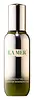
This anti-aging serum is formulated around Niacinamide and Acetyl Hexapeptide-8 to soften the look of wrinkles and strengthen the skin barrier.
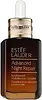
This barrier-repair serum is formulated around Bifida Ferment Lysate and Sodium Hyaluronate to strengthen the skin barrier and soften the look of wrinkles.

What's inside
What's inside
 Key Ingredients
Benefits
Concerns
Ingredients Side-by-side
Water
Skin ConditioningAlgae Extract
Emollient

Dimethicone
Emollient

Hdi/Trimethylol Hexyllactone Crosspolymer
Hydrogenated Polyisobutene
EmollientCaprylic/Capric/Myristic/Stearic Triglyceride
EmollientDimethicone/Vinyl Dimethicone Crosspolymer
Skin Conditioning
PEG-8 Dimethicone
Emulsifying
Triethylhexanoin
MaskingPEG-10 Dimethicone
Skin Conditioning
Polysilicone-11

Macadamia Integrifolia Seed Oil
Skin Conditioning



Decyl Glucoside
Cleansing
Glyceryl Triacetyl Ricinoleate
Emollient
Glycerin
Humectant
Niacinamide
Smoothing








Sesamum Indicum Seed Oil
Emollient
Medicago Sativa Seed Powder
Skin ConditioningHelianthus Annuus Seedcake
Abrasive
Prunus Amygdalus Dulcis Seed Meal
Abrasive
Eucalyptus Globulus Leaf Oil
Perfuming



Sodium Gluconate
ChelatingCopper Gluconate
Skin Conditioning
Calcium Gluconate
HumectantMagnesium Gluconate
Skin ConditioningZinc Gluconate
Skin Conditioning
Tocopheryl Succinate
Antioxidant
Niacin
SmoothingSesamum Indicum Seed Powder
Skin ConditioningCitrus Aurantifolia Peel Extract
Cleansing
Narcissus Tazetta Bulb Extract
Astringent
Citrus Reticulata Peel Extract
Skin ConditioningHumulus Lupulus Extract
AntimicrobialMimosa Tenuiflora Bark Extract
Skin ProtectingRosmarinus Officinalis Leaf Extract
AntimicrobialMelilotus Officinalis Extract
AstringentHydrolyzed Wheat Protein
Skin ConditioningHydrolyzed Yeast Protein
Skin ConditioningMarrubium Vulgare Extract
Skin ConditioningEryngium Maritimum Extract
TonicBifida Ferment Lysate
Skin Conditioning
Polygonum Cuspidatum Root Extract
Antioxidant
Adenosine Phosphate
Skin ConditioningAcetyl Carnitine Hcl
Skin ConditioningCreatine
Skin ConditioningCladosiphon Okamuranus Extract
Skin Conditioning
Punica Granatum Fruit Juice
MaskingNordihydroguaiaretic Acid
Antioxidant
Whey Protein
Skin ConditioningEthylbisiminomethylguaiacol Manganese Chloride
Antioxidant
Linolenic Acid
Cleansing
Caffeine
Skin Conditioning
Alcaligenes Polysaccharides
EmollientGelidiella Acerosa Extract
Skin Protecting
Dipotassium Glycyrrhizate
Humectant
Vitis Vinifera Seed Extract
Antimicrobial
Acetyl Hexapeptide-8
Humectant
Glycine Soja Seed Extract
Skin Conditioning
Gold
Cosmetic ColorantHydrolyzed Soy Protein
Humectant
Hydrogenated Lecithin
Emulsifying
Phenyl Trimethicone
Skin Conditioning
Ammonium Acryloyldimethyltaurate/Beheneth-25 Methacrylate Crosspolymer
Emulsion StabilisingIsododecane
EmollientHypnea Musciformis Extract
Skin Protecting
Tocopheryl Acetate
Antioxidant
Sigesbeckia Orientalis Extract
Skin ConditioningDipalmitoyl Hydroxyproline
Skin Conditioning
Acetyl Glucosamine
Skin Conditioning
Linoleic Acid
Cleansing
Micrococcus Lysate
Skin ConditioningTourmaline
Glycosaminoglycans
EmollientSoy Amino Acids
Skin ConditioningButylene Glycol
Humectant
Laminaria Digitata Extract
Skin Protecting
Faex Extract
Skin ConditioningTrisiloxane
Skin Conditioning
Tartaric Acid
Buffering
Tetraacetylphytosphingosine
Skin ConditioningDextrin
AbsorbentTocopherol
Antioxidant
Pentylene Glycol
Skin Conditioning
Bis-Stearyl Dimethicone
Emollient
Laureth-12
EmulsifyingPotassium Sorbate
Preservative
Parfum
Masking
Caprylyl Glycol
Emollient
Lecithin
Emollient
Hydroxypropyl Cyclodextrin
MaskingMaltodextrin
Absorbent
Cyclodextrin
AbsorbentAlcohol Denat.
Antimicrobial

Sodium Hydroxide
BufferingXanthan Gum
EmulsifyingSilica
Abrasive
Citric Acid
Buffering
Glutathione
Polymethylsilsesquioxane
Disodium EDTA
ChelatingBHT
Antioxidant
Phenoxyethanol
Preservative
Limonene
Perfuming
Linalool
Perfuming
Hydroxycitronellal
Perfuming
Citronellol
Perfuming
Geraniol
Perfuming
CI 61570
Cosmetic ColorantWater, Algae Extract, Dimethicone, Hdi/Trimethylol Hexyllactone Crosspolymer, Hydrogenated Polyisobutene, Caprylic/Capric/Myristic/Stearic Triglyceride, Dimethicone/Vinyl Dimethicone Crosspolymer, PEG-8 Dimethicone, Triethylhexanoin, PEG-10 Dimethicone, Polysilicone-11, Macadamia Integrifolia Seed Oil, Decyl Glucoside, Glyceryl Triacetyl Ricinoleate, Glycerin, Niacinamide, Sesamum Indicum Seed Oil, Medicago Sativa Seed Powder, Helianthus Annuus Seedcake, Prunus Amygdalus Dulcis Seed Meal, Eucalyptus Globulus Leaf Oil, Sodium Gluconate, Copper Gluconate, Calcium Gluconate, Magnesium Gluconate, Zinc Gluconate, Tocopheryl Succinate, Niacin, Sesamum Indicum Seed Powder, Citrus Aurantifolia Peel Extract, Narcissus Tazetta Bulb Extract, Citrus Reticulata Peel Extract, Humulus Lupulus Extract, Mimosa Tenuiflora Bark Extract, Rosmarinus Officinalis Leaf Extract, Melilotus Officinalis Extract, Hydrolyzed Wheat Protein, Hydrolyzed Yeast Protein, Marrubium Vulgare Extract, Eryngium Maritimum Extract, Bifida Ferment Lysate, Polygonum Cuspidatum Root Extract, Adenosine Phosphate, Acetyl Carnitine Hcl, Creatine, Cladosiphon Okamuranus Extract, Punica Granatum Fruit Juice, Nordihydroguaiaretic Acid, Whey Protein, Ethylbisiminomethylguaiacol Manganese Chloride, Linolenic Acid, Caffeine, Alcaligenes Polysaccharides, Gelidiella Acerosa Extract, Dipotassium Glycyrrhizate, Vitis Vinifera Seed Extract, Acetyl Hexapeptide-8, Glycine Soja Seed Extract, Gold, Hydrolyzed Soy Protein, Hydrogenated Lecithin, Phenyl Trimethicone, Ammonium Acryloyldimethyltaurate/Beheneth-25 Methacrylate Crosspolymer, Isododecane, Hypnea Musciformis Extract, Tocopheryl Acetate, Sigesbeckia Orientalis Extract, Dipalmitoyl Hydroxyproline, Acetyl Glucosamine, Linoleic Acid, Micrococcus Lysate, Tourmaline, Glycosaminoglycans, Soy Amino Acids, Butylene Glycol, Laminaria Digitata Extract, Faex Extract, Trisiloxane, Tartaric Acid, Tetraacetylphytosphingosine, Dextrin, Tocopherol, Pentylene Glycol, Bis-Stearyl Dimethicone, Laureth-12, Potassium Sorbate, Parfum, Caprylyl Glycol, Lecithin, Hydroxypropyl Cyclodextrin, Maltodextrin, Cyclodextrin, Alcohol Denat., Sodium Hydroxide, Xanthan Gum, Silica, Citric Acid, Glutathione, Polymethylsilsesquioxane, Disodium EDTA, BHT, Phenoxyethanol, Limonene, Linalool, Hydroxycitronellal, Citronellol, Geraniol, CI 61570
Water
Skin ConditioningBifida Ferment Lysate
Skin Conditioning
PEG-8
HumectantPropanediol
Solvent
Bis-PEG-18 Methyl Ether Dimethyl Silane
EmollientMethyl Gluceth-20
Humectant
Glycereth-26
Humectant
PEG-75
HumectantButylene Glycol
Humectant
Adansonia Digitata Seed Extract
Skin ConditioningTripeptide-32
Skin Conditioning
Sodium Hyaluronate
Humectant
Faex Extract
Skin ConditioningLactobacillus Ferment
Skin Conditioning
Cola Acuminata Seed Extract
Skin ConditioningAnthemis Nobilis Flower Extract
Masking
Hydrolyzed Algin
Pantethine
EmollientCaffeine
Skin Conditioning
Lecithin
Emollient
Sodium Rna
Skin ConditioningBisabolol
Antioxidant
Squalane
Emollient
Glycerin
Humectant
Oleth-3 Phosphate
SurfactantCaprylyl Glycol
Emollient
Oleth-3
Emulsifying
Oleth-5
Emulsifying
Choleth-24
EmulsifyingHydrogenated Lecithin
Emulsifying
Jojoba Wax PEG-120 Esters
Surfactant
Ceteth-24
CleansingTocopheryl Acetate
Antioxidant
Carbomer
Emulsion StabilisingTriethanolamine
BufferingTetrasodium EDTA
BHT
Antioxidant
Xanthan Gum
EmulsifyingPotassium Sorbate
Preservative
Disodium EDTA
Phenoxyethanol
Preservative
CI 14700
Cosmetic ColorantCI 19140
Cosmetic ColorantWater, Bifida Ferment Lysate, PEG-8, Propanediol, Bis-PEG-18 Methyl Ether Dimethyl Silane, Methyl Gluceth-20, Glycereth-26, PEG-75, Butylene Glycol, Adansonia Digitata Seed Extract, Tripeptide-32, Sodium Hyaluronate, Faex Extract, Lactobacillus Ferment, Cola Acuminata Seed Extract, Anthemis Nobilis Flower Extract, Hydrolyzed Algin, Pantethine, Caffeine, Lecithin, Sodium Rna, Bisabolol, Squalane, Glycerin, Oleth-3 Phosphate, Caprylyl Glycol, Oleth-3, Oleth-5, Choleth-24, Hydrogenated Lecithin, Jojoba Wax PEG-120 Esters, Ceteth-24, Tocopheryl Acetate, Carbomer, Triethanolamine, Tetrasodium EDTA, BHT, Xanthan Gum, Potassium Sorbate, Disodium EDTA, Phenoxyethanol, CI 14700, CI 19140
Reviews
Alternatives
Ingredients Explained
These ingredients are found in both products.
Ingredients higher up in an ingredient list are typically present in a larger amount.
BHT is a synthetic antioxidant and preservative.
As an antioxidant, it helps your body fight off free-radicals. Free-radicals are molecules that may damage your skin cells.
As a preservative, it is used to stabilize products and prevent them from degrading. Specifically, BHT prevents degradation from oxidation.
The concerns related to BHT come from oral studies; this ingredient is currently allowed for use by both the FDA and EU.
However, it was recently restricted for use in the UK as of April 2024.
Learn more about BHTBifida Ferment Lysate is a postbiotic ingredient made by fermenting Bifidobacterium to extract a nutrient-rich mix of peptides, amino acids, vitamins, organic acids, and polysaccharides.
These components are basically the building blocks that your skin already uses to stay hydrated, repair itself, and maintain its barrier. That's why this ingredient helps your skin hold onto moisture and stay resilient against irritation.
One in-vitro study found that this ingredient tells your skin cells to produce more of the proteins (filaggrin, loricrin, and involucrin) for building a strong and healthy barrier. This study also found this ingredient to be a solid antioxidant that helped neutralize damage against UV and pollution.
A study with people from 2010 found that sensitive, reactive skin using a cream with 10% of this ingredient for a month became noticeably less dry, less reactive, and harder to irritate compared to the group using a plain cream.
In short, this ingredient is a well-tolerated ingredient that can help with barrier repair, antioxidant protection, and calming reactive skin.
This ingredient is generally considered fungal acne (Malassezia) safe; Bifidobacterium is a bacterium, not a yeast or fungus.
The fungal acne concern with fermented ingredients mainly applies to yeast-derived ferments like Saccharomyces and Galactomyces, because those are in the same kingdom as Malassezia and could theoretically contain residual compounds that feed it.
Bifida is a completely different organism, so on its own it doesn't provide a food source for the Malassezia yeast that causes fungal acne.
Learn more about Bifida Ferment LysateButylene Glycol (or BG) is used within cosmetic products for a few different reasons:
Overall, Butylene Glycol is a safe and well-rounded ingredient that works well with other ingredients.
Though this ingredient works well with most skin types, some people with sensitive skin may experience a reaction such as allergic rashes, closed comedones, or itchiness.
Learn more about Butylene GlycolCaffeine is a naturally occurring plant compound found in coffee beans, tea leaves, cocoa pods, and guarana.
As an antioxidant, caffeine protects your skin from free radical damage caused by UV exposure and envionrmnetal stressors.
Early research also shows that caffeine can help calm redness, soothe irritated skin, and support hair growth by stimulating microcirculation in the scalp.
You might have seen eye creams marketing caffeine as a depuffing ingredient. This is because it is a vasoconstrictor meaning it can temporarily constrict blood vessels, though clinical evidence for this specific use is still limited.
Most skincare products contain this ingredient at concentrations between 1-6%. It is able to penetrate skin easily regardless of skin type or thickness.
Just so you know, a very small number of case reports describe caffeine-induced allergy. This ingredient is generally well-tolerated, non-irritating, and non-sensitizing for the majority of people.
Learn more about CaffeineCaprylyl Glycol is a humectant, skin conditioner, emollient, and preservative booster derived from either caprylic acid or synthetically created.
Typical use levels vary from 0.3-1% as a preservative booster and go up to 2% to condition skin.
Because it is not a free-fatty acid, this ingredient is fungal acne safe (there's nothing for Malassezia to feed on).
Learn more about Caprylyl GlycolDisodium EDTA is a chelating agent. It grabs onto and deactivates metal ions that sneak into your products from water, packaging, or air.
This ingredient mainly works behind the scenes and helps with:
On top of that, this ingredient can counteract the effects of hard water by binding to the minerals in it.
One thing worth knowing is that Disodium EDTA has been shown to be a mild penetration enhancer. It can help other ingredients absorb into skin more effectively which can be a double-edged sword (great for actives, but can also make the active too strong if you have sensitive skin).
Clinical patch testing showed no significant skin irritation at typical use concentrations and minimal dermal absorption.
You'll most likely see this ingredient near the end of an ingredient list. It's typically found in concentrations less than 1%.
Learn more about Disodium EDTAWe don't have a description for Faex Extract yet.
Glycerin (or glycerol) is a compound naturally found in your skin. It's a powerhouse humectant that pulls water into the stratum corneum.
Topically, glycerin does several things at once:
Your skin makes glycerin on its own (mostly from sebaceous oil breakdown) and shuttles it to your outermost layer of skin, or your epidermis, via aquaporin-3.
Aquaporin-3 is a transporter that is essential for normal skin hydration, elasticity, and repair. Interestingly, mice lacking in AQP3 have dry and less elastic skin that can be fully corrected with glycerin.
This ingredient is non-irritating, plays well with almost every ingredient, and works across all skin types. Typical use is anywhere between 3-10% but can go up to 79% in some leave-on products.
Just know very high concentrations (>40%) can feel tacky in low humidity.
Glycerin is the name for this ingredient in American English. British English uses Glycerol/Glycerine.
Learn more about GlycerinHydrogenated Lecithin is a more stable version of lecithin.
It's made by taking lecithin (a phospholipid commonly found in soybeans and egg yolks) and hydrogenating it. This just means the unsaturated fatty acids are turned into saturated ones so they don't go bad as easily.
This ingredient is an emollient, emulsifier, and penetration enhancer. As an emollient, it helps soften and hydrate skin by trapping moisture within. As an emulsifier, it prevents oil and water ingredients from separating.
Hydrogenated Lecithin can form tiny spherical structures made of phospholipid bilayers called liposomes. These liposomes are able to capture compounds inside their structure and deliver them through the skin barrier.
Because phospholipids are a natural component of our cell membranes, this ingredient is inherently compatible with skin.
A 2021 study found lecithin-based surfactants were less harsh and more tolerable comared to Sodium Lauryl Sulfate (SLS).
Learn more about Hydrogenated LecithinLecithin is a term for a group of substances found in the cell membranes of plants, animals, and humans. They are made up of phospholipids.
Thanks to its amphiphilic structure (water-loving head and oil-loving tail), it is a true multitasker:
It plays well with most ingredients and is typically used at 0.1-1%. However, concentrations up to 50% have been reported in moisturizers.
Learn more about LecithinPhenoxyethanol is one of the most widely used preservatives in skincare (and for good reason!).
It has a large spectrum of antimicrobial activity and especially effective bacteria, yeast, and mold while only having a weak effect on your skin's natural microbiome.
On a cellular level, it disrupts the cell membranes of microbes by poking holes that make the cell leak. This shuts down the chemical reactions the microbe needs to make energy so it can no longer survive.
Another perk of this ingredient is that it stays functional across a wide pH range (3-10).
You'll often see it paired with boosters like Ethylhexylglycerin; one study showed that a 1:9 ratio of Ethylhexylglycerin to Phenoxyethanol damages bacterial membranes as effectively as doubling the Phenoxyethanol concentration on its own.
Typical use concentrations range from 0.3-1% depending on the formula, and this ingredient is capped at 1% int the EU.
Safety-wise, the fear mongering does not hold up to the evidence. The EU's Scientific Committee on Consumer Safety and FDA consider it safe as a preservative at up to 1%, including for children of all ages.
Adverse systemic effects only showed up in animal studies at exposures roughly 200x higher than what people get from cosmetics. And despite its very widespread use, this ingredient is a rare sensitizer and allergic reactions are uncommon.
Learn more about PhenoxyethanolPotassium Sorbate is a preservative used to prevent yeast and mold in products. It is commonly found in both cosmetic and food products.
This ingredient comes from potassium salt derived from sorbic acid. Sorbic acid is a natural antibiotic and effective against fungus.
Both potassium sorbate and sorbic acid can be found in baked goods, cheeses, dried meats, dried fruit, ice cream, pickles, wine, yogurt, and more.
You'll often find this ingredient used with other preservatives.
Learn more about Potassium SorbateTocopheryl Acetate is a stable, shelf-friendly form of vitamin E.
Formulators love it because plain vitamin E oxidizes quickly once it hits air. This acetate version stays stable and resists going off, helping to extend a product's shelf life.
It's actually inactive on its own and works like a slow-release "storage" form; the enzymes in your skin called esterases gradually convert it into active vitamin E over time.
One in vivo study showed 5% of the acetate in the living layer of the epidermis converted to vitamin E after 5 days of application. This study also found the skin gained protection against UV damage even though the conversion was slow and small.
Once converted, vitamin E acts as a skin's main fat-soluble antioxidant that fights free radicals to protect skin from damage.
Topical vitamin E generally boosts the skin's photoprotection, and it reduced UV-damage in animal models.
This ingredient has some brightening potential but it's more of a prevention ingredient than spot-fader. Cell studies show it can slow down melanin production but it's worth noting that it's not the most powerful brightener out there.
Overall, it has a pretty solid safety profile and has been found to be non-irritating and non-comedogenic. Allergic reactions may happen but stay rare due to how widely the ingredient gets used.
The concentration will vary depending on the formula; industry data shows 0.1% in baby lotions, 3% in lipsticks, and 5% in foot powders. You can also find this ingredient at 100% in a pure vitamin E oil.
Most leave-on skincare keeps it at the lower end, often between 0.5-1%.
Learn more about Tocopheryl AcetateWater. It's the most common cosmetic ingredient of all. You'll usually see it at the top of ingredient lists, meaning that it makes up the largest part of the product.
So why is it so popular? Water most often acts as a solvent - this means that it helps dissolve other ingredients into the formulation.
You'll also recognize water as that liquid we all need to stay alive. If you see this, drink a glass of water. Remember to stay hydrated!
Learn more about WaterXanthan gum is used as a stabilizer and thickener within cosmetic products. It helps give products a sticky, thick feeling - preventing them from being too runny.
On the technical side of things, xanthan gum is a polysaccharide - a combination consisting of multiple sugar molecules bonded together.
Xanthan gum is a pretty common and great ingredient. It is a natural, non-toxic, non-irritating ingredient that is also commonly used in food products.
Learn more about Xanthan Gum

