Kirkland Signature Moisture Shampoo Versus Shea Moisture Raw Shea Butter Extra Moisture Retention Shampoo

What's inside
What's inside
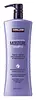 Key Ingredients
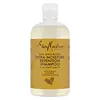
No key ingredients
Benefits
Concerns
Ingredients Side-by-side
Water
Skin ConditioningSodium Cocoyl Isethionate
Cleansing
Cocamidopropyl Hydroxysultaine
Cleansing
Potassium Cocoyl Glycinate
Surfactant
Disodium Cocoyl Glutamate
Cleansing
Sodium Lauroyl Methyl Isethionate
CleansingSodium Lauroyl Sarcosinate
CleansingDecyl Glucoside
Cleansing
Potassium Cocoate
Emulsifying

Glycereth-26
Humectant
Glycol Distearate
Emollient

Cocamidopropylamine Oxide
Cleansing
Phenoxyethanol
Preservative
Parfum
Masking


Sodium Cocoyl Glutamate
Cleansing
PEG-120 Methyl Glucose Dioleate
Emulsifying
Methyl Gluceth-20
Humectant
Quaternium-91
Amodimethicone

Acrylates Copolymer
Citric Acid
Buffering

Dicaprylyl Ether
Emollient
Polyquaternium-10
Guar Hydroxypropyltrimonium Chloride
Skin ConditioningChlorphenesin
Antimicrobial
Trisodium Ethylenediamine Disuccinate
PPG-3 Benzyl Ether Myristate
EmollientGlyceryl Oleate
Emollient
C11-15 Pareth-7
EmulsifyingPolyquaternium-39
Laureth-9
EmulsifyingPhospholipids
Skin Conditioning
Glycerin
Humectant
Hydrolyzed Vegetable Protein Pg-Propyl Silanetriol
Skin ConditioningPolyquaternium-55
Sodium Benzoate
Masking
Panthenol
Skin Conditioning

Trideceth-12
EmulsifyingGlycine Soja Oil
Emollient



Acetic Acid
BufferingTetrasodium EDTA
Benzoic Acid
Masking
Sodium Hydroxide
BufferingDisodium EDTA
Potassium Sorbate
Preservative
Hydrolyzed Pea Protein Pg-Propyl Silanetriol
Skin ConditioningCaprylyl Glycol
Emollient
Tocopheryl Acetate
Antioxidant

Helianthus Annuus Seed Oil
Emollient
Alcohol
Antimicrobial
Tocopherol
Antioxidant
Argania Spinosa Kernel Oil
Emollient
Ascorbic Acid
Antioxidant

Persea Gratissima Oil
Skin Conditioning
Copaifera Officinalis Resin
MaskingPassiflora Edulis Seed Oil
Emollient
Isomalt
HumectantEuterpe Oleracea Fruit Oil
Skin Conditioning
Aloe Barbadensis Leaf Extract
Emollient
Cucumis Sativus Fruit Extract
Emollient
Lycium Barbarum Fruit Extract
Astringent
Punica Granatum Extract
AstringentMalus Domestica Fruit Cell Culture Extract
Skin ConditioningQuaternium-95
UV AbsorberPropanediol
Solvent
Camellia Sinensis Leaf Extract
Antimicrobial
Persea Gratissima Fruit Extract
EmollientXanthan Gum
EmulsifyingLecithin
Emollient
Vitis Vinifera Fruit Cell Extract
Skin ConditioningVitis Vinifera Seed Extract
Antimicrobial
Pentaerythrityl Tetra-Di-T-Butyl Hydroxyhydrocinnamate
Antioxidant
Water, Sodium Cocoyl Isethionate, Cocamidopropyl Hydroxysultaine, Potassium Cocoyl Glycinate, Disodium Cocoyl Glutamate, Sodium Lauroyl Methyl Isethionate, Sodium Lauroyl Sarcosinate, Decyl Glucoside, Potassium Cocoate, Glycereth-26, Glycol Distearate, Cocamidopropylamine Oxide, Phenoxyethanol, Parfum, Sodium Cocoyl Glutamate, PEG-120 Methyl Glucose Dioleate, Methyl Gluceth-20, Quaternium-91, Amodimethicone, Acrylates Copolymer, Citric Acid, Dicaprylyl Ether, Polyquaternium-10, Guar Hydroxypropyltrimonium Chloride, Chlorphenesin, Trisodium Ethylenediamine Disuccinate, PPG-3 Benzyl Ether Myristate, Glyceryl Oleate, C11-15 Pareth-7, Polyquaternium-39, Laureth-9, Phospholipids, Glycerin, Hydrolyzed Vegetable Protein Pg-Propyl Silanetriol, Polyquaternium-55, Sodium Benzoate, Panthenol, Trideceth-12, Glycine Soja Oil, Acetic Acid, Tetrasodium EDTA, Benzoic Acid, Sodium Hydroxide, Disodium EDTA, Potassium Sorbate, Hydrolyzed Pea Protein Pg-Propyl Silanetriol, Caprylyl Glycol, Tocopheryl Acetate, Helianthus Annuus Seed Oil, Alcohol, Tocopherol, Argania Spinosa Kernel Oil, Ascorbic Acid, Persea Gratissima Oil, Copaifera Officinalis Resin, Passiflora Edulis Seed Oil, Isomalt, Euterpe Oleracea Fruit Oil, Aloe Barbadensis Leaf Extract, Cucumis Sativus Fruit Extract, Lycium Barbarum Fruit Extract, Punica Granatum Extract, Malus Domestica Fruit Cell Culture Extract, Quaternium-95, Propanediol, Camellia Sinensis Leaf Extract, Persea Gratissima Fruit Extract, Xanthan Gum, Lecithin, Vitis Vinifera Fruit Cell Extract, Vitis Vinifera Seed Extract, Pentaerythrityl Tetra-Di-T-Butyl Hydroxyhydrocinnamate
Water
Skin ConditioningCocamidopropyl Betaine
Cleansing
Sodium Lauroyl Isethionate
CleansingSodium Chloride
MaskingSodium Methyl Cocoyl Taurate
Cleansing
Glycerin
Humectant
Parfum
Masking
Sodium Benzoate
Masking
Glycol Stearate
Emollient
Polyquaternium-10
Lauric Acid
Cleansing
Sodium Phytate
Guar Hydroxypropyltrimonium Chloride
Skin ConditioningCitric Acid
Buffering
Stearamidopropyl Dimethylamine
EmulsifyingSodium Isethionate
CleansingMacrocystis Pyrifera Extract
Skin Conditioning
Potassium Sorbate
Preservative
Argania Spinosa Kernel Oil
Emollient
Butyrospermum Parkii Butter
Skin Conditioning
Coconut Acid
Cleansing
Capryloyl Glycerin/Sebacic Acid Copolymer
Skin ConditioningDiheptyl Succinate
EmollientStearamide Amp
Caprylic Acid
CleansingIsopropyl Alcohol
Solvent
Sodium Acetate
BufferingCapric Acid
Cleansing
Zinc Oxide
Cosmetic Colorant

Water, Cocamidopropyl Betaine, Sodium Lauroyl Isethionate, Sodium Chloride, Sodium Methyl Cocoyl Taurate, Glycerin, Parfum, Sodium Benzoate, Glycol Stearate, Polyquaternium-10, Lauric Acid, Sodium Phytate, Guar Hydroxypropyltrimonium Chloride, Citric Acid, Stearamidopropyl Dimethylamine, Sodium Isethionate, Macrocystis Pyrifera Extract, Potassium Sorbate, Argania Spinosa Kernel Oil, Butyrospermum Parkii Butter, Coconut Acid, Capryloyl Glycerin/Sebacic Acid Copolymer, Diheptyl Succinate, Stearamide Amp, Caprylic Acid, Isopropyl Alcohol, Sodium Acetate, Capric Acid, Zinc Oxide
Reviews
Ingredients Explained
These ingredients are found in both products.
Ingredients higher up in an ingredient list are typically present in a larger amount.
You may know this ingredient as argan oil. It has emollient and skin conditioning properties that help soften skin and reinforce the lipid barrier.
The fatty acid profile of argan oil is roughly 45-55% oleic acid, 28-36% linoleic acid, 10-15% palmitic acid, and 5-7% stearic acid. It also contains vitamin E, sterols, squalene, and polyphenols like ferulic acid.
Two clinical studies in postmenopausal women found that applying argan oil for 60 days significantly improved skin elasticity and moisturization (reduced transepidermal water loss and increased epidermal water content).
Since it is high in oleic and linoleic acid, this ingredient may not be fungal acne safe. Both of these fall in the C11-C24 range that Malassezia yeast can metabolize.
Learn more about Argania Spinosa Kernel OilCitric Acid is an alpha hydroxy acid (AHA) naturally found in citrus fruits like oranges, lemons, and limes.
Like other AHAs, citric acid can exfoliate skin by breaking down the bonds that hold dead skin cells together. This helps reveal smoother and brighter skin underneath.
However, this exfoliating effect only happens at high concentrations (20%) which can be hard to find in cosmetic products.
Due to this, citric acid is usually included in small amounts as a pH adjuster. This helps keep products slightly more acidic and compatible with skin's natural pH.
In skincare formulas, citric acid can:
While it can provide some skin benefits, research shows lactic acid and glycolic acid are generally more effective and less irritating exfoliants.
Most citric acid used in skincare today is made by fermenting sugars (usually from molasses). This synthetic version is identical to the natural citrus form but easier to stabilize and use in formulations.
Rosacea skin has a lower threshold for acids generally, with 62.5% of rosacea subjects in one study reacting to lactic acid in a sting test. This is why we mark citric acid as a potential rosacea trigger.
However, this ingredient shows up as a pH adjuster or chelator at roughly 0.1-1% in many products. These low levels are unlikely to be an issue for rosacea skin and becomes a potential trigger at exfoliating concentrations (20%). Because everybody's skin is unique, we recommend a patch test if you are unsure.
Learn more about Citric AcidGlycerin (or glycerol) is a compound naturally found in your skin. It's a powerhouse humectant that pulls water into the stratum corneum.
Topically, glycerin does several things at once:
Your skin makes glycerin on its own (mostly from sebaceous oil breakdown) and shuttles it to your outermost layer of skin, or your epidermis, via aquaporin-3.
Aquaporin-3 is a transporter that is essential for normal skin hydration, elasticity, and repair. Interestingly, mice lacking in AQP3 have dry and less elastic skin that can be fully corrected with glycerin.
This ingredient is non-irritating, plays well with almost every ingredient, and works across all skin types. Typical use is anywhere between 3-10% but can go up to 79% in some leave-on products.
Just know very high concentrations (>40%) can feel tacky in low humidity.
Glycerin is the name for this ingredient in American English. British English uses Glycerol/Glycerine.
Learn more about GlycerinThis ingredient is derived from guar gum. It is a skin conditioning agent that creates a thin, breathable film to reduce water loss during cleansing.
This leaves the skin feeling soft rather than stripped and also contributes to a creamier lather.
Due to the large molecule size, this ingredient is unlikely to penetrate skin.
Learn more about Guar Hydroxypropyltrimonium ChlorideParfum is a catch-all term for an ingredient or more that is used to give a scent to products.
Also called "fragrance", this ingredient can be a blend of hundreds of chemicals or plant oils. This means every product with "fragrance" or "parfum" in the ingredients list is a different mixture.
For instance, Habanolide is a proprietary trade name for a specific aroma chemical. When used as a fragrance ingredient in cosmetics, most aroma chemicals fall under the broad labeling category of “FRAGRANCE” or “PARFUM” according to EU and US regulations.
The term 'parfum' or 'fragrance' is not regulated in many countries. In many cases, it is up to the brand to define this term.
For instance, many brands choose to label themselves as "fragrance-free" because they are not using synthetic fragrances. However, their products may still contain ingredients such as essential oils that are considered a fragrance by INCI standards.
One example is Calendula flower extract. Calendula is an essential oil that still imparts a scent or 'fragrance'.
Depending on the blend, the ingredients in the mixture can cause allergies and sensitivities on the skin. Some ingredients that are known EU allergens include linalool and citronellol.
Parfum can also be used to mask or cover an unpleasant scent.
The bottom line is: not all fragrances/parfum/ingredients are created equally. If you are worried about fragrances, we recommend taking a closer look at an ingredient. And of course, we always recommend speaking with a professional.
Learn more about ParfumPolyquaternium-10 is an ammonium salt of hydroxyethylcellulose. It is a white and granular powder used as a film-former and anti-static agent.
This ingredient is commonly found in hair conditioning products. According to a manufacturer, its positive charge makes it great for absorbing hair proteins. The manufacturer also states this ingredient helps with curl retention.
For haircare friends: this ingredient is not a silicone.
Learn more about Polyquaternium-10Potassium Sorbate is a preservative used to prevent yeast and mold in products. It is commonly found in both cosmetic and food products.
This ingredient comes from potassium salt derived from sorbic acid. Sorbic acid is a natural antibiotic and effective against fungus.
Both potassium sorbate and sorbic acid can be found in baked goods, cheeses, dried meats, dried fruit, ice cream, pickles, wine, yogurt, and more.
You'll often find this ingredient used with other preservatives.
Learn more about Potassium SorbateSodium Benzoate is a preservative. It's used in both cosmetic and food products to inhibit the growth of mold and bacteria. It is typically produced synthetically.
Both the US FDA and EU Health Committee have approved the use of sodium benzoate. In the US, levels of 0.1% (of the total product) are allowed.
Sodium benzoate works as a preservative by inhibiting the growth of bacteria inside of cells. It prevents the cell from fermenting a type of sugar using an enzyme called phosphofructokinase.
It is the salt of benzoic acid. Foods containing sodium benzoate include soda, salad dressings, condiments, fruit juices, wines, and snack foods.
Studies for using ascorbic acid and sodium benzoate in cosmetics are lacking, especially in skincare routines with multiple steps.
We always recommend speaking with a professional, such as a dermatologist, if you have any concerns.
Learn more about Sodium BenzoateWater. It's the most common cosmetic ingredient of all. You'll usually see it at the top of ingredient lists, meaning that it makes up the largest part of the product.
So why is it so popular? Water most often acts as a solvent - this means that it helps dissolve other ingredients into the formulation.
You'll also recognize water as that liquid we all need to stay alive. If you see this, drink a glass of water. Remember to stay hydrated!
Learn more about Water

