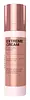
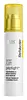
iNNBEAUTY PROJECT Extreme Cream Firming & Lifting Moisturizer Versus StriVectin Peptight Tightening & Brightening Face Serum
This anti-aging moisturizer is formulated around Squalane and Nicotiana Benthamiana Hexapeptide-40 Sh-Polypeptide-76 to soften the look of wrinkles and strengthen the skin barrier.

What's inside
What's inside
 Key Ingredients
Benefits
Concerns
Ingredients Side-by-side
Water
Skin ConditioningC13-15 Alkane
SolventSqualane
Emollient


Propanediol
Solvent
Polyglyceryl-5 Polyricinoleate
Emulsifying

Bisabolol
Antioxidant



Coco-Caprylate/Caprate
Emollient
Glycerin
Humectant
Magnesium Sulfate
Panthenol
Skin Conditioning
Glyceryl Behenate
Emollient
1,2-Hexanediol
Skin Conditioning
Butylene Glycol
Humectant
Heptapeptide-7
Skin Conditioning
Acetyl Sh-Hexapeptide-5 Amide Acetate
Skin Conditioning
Nicotiana Benthamiana Hexapeptide-40 Sh-Polypeptide-76
Skin Conditioning
Ceramide AP
Skin Conditioning
Ceramide EOP
Skin Conditioning
Ceramide NP
Skin Conditioning
Tremella Fuciformis Extract
Humectant
Allantoin
Skin Conditioning
Oryza Sativa Bran Oil
Emollient
Arginine
Masking
Glycosphingolipids
EmollientPhytosphingosine
Skin Conditioning
Cholesterol
Emollient
Tetraacetylphytosphingosine
Skin ConditioningPolyglyceryl-6 Octastearate
EmulsifyingStearic Acid
Cleansing
Cetearyl Alcohol
Emollient


Glyceryl Glucoside
Humectant
Glyceryl Stearate
Emollient
Hydrogenated Polydecene
EmollientHydrogenated Lecithin
Emulsifying
Lecithin
Emollient
Xanthan Gum
EmulsifyingTocopherol
Antioxidant


Carnosine
Skin Conditioning
Potassium Sorbate
Preservative
Sodium Benzoate
Masking
Phenoxyethanol
Preservative
Citric Acid
Buffering
Quaternium-90 Bentonite
Mica
Cosmetic ColorantTriethyl Citrate
Masking

Zinc Stearate
Cosmetic ColorantEthylhexylglycerin
Skin ConditioningGluconolactone
Chelating




Calcium Gluconate
HumectantHydroxyacetophenone
Antioxidant
Water, C13-15 Alkane, Squalane, Propanediol, Polyglyceryl-5 Polyricinoleate, Bisabolol, Coco-Caprylate/Caprate, Glycerin, Magnesium Sulfate, Panthenol, Glyceryl Behenate, 1,2-Hexanediol, Butylene Glycol, Heptapeptide-7, Acetyl Sh-Hexapeptide-5 Amide Acetate, Nicotiana Benthamiana Hexapeptide-40 Sh-Polypeptide-76, Ceramide AP, Ceramide EOP, Ceramide NP, Tremella Fuciformis Extract, Allantoin, Oryza Sativa Bran Oil, Arginine, Glycosphingolipids, Phytosphingosine, Cholesterol, Tetraacetylphytosphingosine, Polyglyceryl-6 Octastearate, Stearic Acid, Cetearyl Alcohol, Glyceryl Glucoside, Glyceryl Stearate, Hydrogenated Polydecene, Hydrogenated Lecithin, Lecithin, Xanthan Gum, Tocopherol, Carnosine, Potassium Sorbate, Sodium Benzoate, Phenoxyethanol, Citric Acid, Quaternium-90 Bentonite, Mica, Triethyl Citrate, Zinc Stearate, Ethylhexylglycerin, Gluconolactone, Calcium Gluconate, Hydroxyacetophenone
Water
Skin ConditioningC12-15 Alkyl Benzoate
AntimicrobialGlycerin
Humectant
Dicaprylyl Carbonate
EmollientMyristyl Nicotinate
Skin ConditioningPPG-3 Benzyl Ether Myristate
EmollientButylene Glycol
Humectant
PEG-40 Stearate
Emulsifying
Bis-Stearyl Dimethicone
Emollient
Dimethicone
Emollient
Ethylene/Acrylic Acid Copolymer
Emulsion StabilisingLonicera Japonica Flower Extract
Skin ConditioningXanthium Sibiricum Fruit Extract
Skin ConditioningMalus Domestica Fruit Cell Culture Extract
Skin ConditioningTerminalia Ferdinandiana Fruit Extract
Antioxidant
Cyperus Rotundus Root Extract
Skin ConditioningOryza Sativa Bran Extract
Skin Conditioning
Rosmarinus Officinalis Leaf Extract
AntimicrobialCyathea Cumingii Leaf Extract
Lepidium Sativum Sprout Extract
Skin ConditioningAlpinia Officinarum Root Extract
Skin ConditioningGlycyrrhiza Glabra Root Extract
Bleaching
Nannochloropsis Oculata Extract
HumectantAcetyl Hexapeptide-1
Skin Conditioning
Hydrolyzed Hyaluronic Acid
Humectant
Tetrapeptide-21
Skin Conditioning
Althaea Officinalis Root Extract
Skin Conditioning
Helianthus Annuus Extract
Emollient
Ceramide Ng
Skin Conditioning
Brassica Campestris Seed Oil
Skin Conditioning
Adenosine
Skin Conditioning
Phospholipids
Skin Conditioning
Polysorbate 80
Emulsifying
Polyimide-1
Sorghum Bicolor Stalk Juice
Skin ConditioningPentaerythrityl Tetra-Di-T-Butyl Hydroxyhydrocinnamate
Antioxidant
Polyglyceryl-3 Diisostearate
Emulsifying
Disodium Acetyl Glucosamine Phosphate
Skin ConditioningXylitol
Humectant
Acrylamide/Sodium Acryloyldimethyltaurate Copolymer
Emulsion StabilisingHydrogenated Lecithin
Emulsifying
Pullulan
Aminomethyl Propanol
Buffering1,2-Hexanediol
Skin Conditioning
Glyceryl Caprylate
EmollientSodium Polystyrene Sulfonate
Emulsion StabilisingAcrylates/C10-30 Alkyl Acrylate Crosspolymer
Emulsion StabilisingSodium Gluconate
ChelatingSorbitan Oleate
Emulsifying
Tocopherol
Antioxidant
Tetrasodium EDTA
ChelatingLecithin
Emollient
Xanthan Gum
EmulsifyingCinnamic Acid
Perfuming
Levulinic Acid
Perfuming
Sodium Levulinate
Skin ConditioningCaprylic Acid
CleansingIsohexadecane
EmollientAmmonium Acryloyldimethyltaurate/Vp Copolymer
Parfum
Masking
Caprylyl Glycol
Emollient
Maltodextrin
Absorbent
Poloxamer 338
EmulsifyingSilica
Abrasive
Magnesium Sulfate
Phenoxyethanol
Preservative
Benzoic Acid
Masking
Sodium Benzoate
Masking
Potassium Sorbate
Preservative
Citric Acid
Buffering
Benzyl Alcohol
Perfuming

Limonene
Perfuming
Geraniol
Perfuming
Citral
Perfuming
Linalool
Perfuming
Water, C12-15 Alkyl Benzoate, Glycerin, Dicaprylyl Carbonate, Myristyl Nicotinate, PPG-3 Benzyl Ether Myristate, Butylene Glycol, PEG-40 Stearate, Bis-Stearyl Dimethicone, Dimethicone, Ethylene/Acrylic Acid Copolymer, Lonicera Japonica Flower Extract, Xanthium Sibiricum Fruit Extract, Malus Domestica Fruit Cell Culture Extract, Terminalia Ferdinandiana Fruit Extract, Cyperus Rotundus Root Extract, Oryza Sativa Bran Extract, Rosmarinus Officinalis Leaf Extract, Cyathea Cumingii Leaf Extract, Lepidium Sativum Sprout Extract, Alpinia Officinarum Root Extract, Glycyrrhiza Glabra Root Extract, Nannochloropsis Oculata Extract, Acetyl Hexapeptide-1, Hydrolyzed Hyaluronic Acid, Tetrapeptide-21, Althaea Officinalis Root Extract, Helianthus Annuus Extract, Ceramide Ng, Brassica Campestris Seed Oil, Adenosine, Phospholipids, Polysorbate 80, Polyimide-1, Sorghum Bicolor Stalk Juice, Pentaerythrityl Tetra-Di-T-Butyl Hydroxyhydrocinnamate, Polyglyceryl-3 Diisostearate, Disodium Acetyl Glucosamine Phosphate, Xylitol, Acrylamide/Sodium Acryloyldimethyltaurate Copolymer, Hydrogenated Lecithin, Pullulan, Aminomethyl Propanol, 1,2-Hexanediol, Glyceryl Caprylate, Sodium Polystyrene Sulfonate, Acrylates/C10-30 Alkyl Acrylate Crosspolymer, Sodium Gluconate, Sorbitan Oleate, Tocopherol, Tetrasodium EDTA, Lecithin, Xanthan Gum, Cinnamic Acid, Levulinic Acid, Sodium Levulinate, Caprylic Acid, Isohexadecane, Ammonium Acryloyldimethyltaurate/Vp Copolymer, Parfum, Caprylyl Glycol, Maltodextrin, Poloxamer 338, Silica, Magnesium Sulfate, Phenoxyethanol, Benzoic Acid, Sodium Benzoate, Potassium Sorbate, Citric Acid, Benzyl Alcohol, Limonene, Geraniol, Citral, Linalool
Reviews
Alternatives
Ingredients Explained
These ingredients are found in both products.
Ingredients higher up in an ingredient list are typically present in a larger amount.
1,2-Hexanediol is a synthetic liquid and another multi-functional powerhouse.
It is a:
- Humectant, drawing moisture into the skin
- Emollient, helping to soften skin
- Solvent, dispersing and stabilizing formulas
- Preservative booster, enhancing the antimicrobial activity of other preservatives
Butylene Glycol (or BG) is used within cosmetic products for a few different reasons:
Overall, Butylene Glycol is a safe and well-rounded ingredient that works well with other ingredients.
Though this ingredient works well with most skin types, some people with sensitive skin may experience a reaction such as allergic rashes, closed comedones, or itchiness.
Learn more about Butylene GlycolCitric Acid is an alpha hydroxy acid (AHA) naturally found in citrus fruits like oranges, lemons, and limes.
Like other AHAs, citric acid can exfoliate skin by breaking down the bonds that hold dead skin cells together. This helps reveal smoother and brighter skin underneath.
However, this exfoliating effect only happens at high concentrations (20%) which can be hard to find in cosmetic products.
Due to this, citric acid is usually included in small amounts as a pH adjuster. This helps keep products slightly more acidic and compatible with skin's natural pH.
In skincare formulas, citric acid can:
While it can provide some skin benefits, research shows lactic acid and glycolic acid are generally more effective and less irritating exfoliants.
Most citric acid used in skincare today is made by fermenting sugars (usually from molasses). This synthetic version is identical to the natural citrus form but easier to stabilize and use in formulations.
Rosacea skin has a lower threshold for acids generally, with 62.5% of rosacea subjects in one study reacting to lactic acid in a sting test. This is why we mark citric acid as a potential rosacea trigger.
However, this ingredient shows up as a pH adjuster or chelator at roughly 0.1-1% in many products. These low levels are unlikely to be an issue for rosacea skin and becomes a potential trigger at exfoliating concentrations (20%). Because everybody's skin is unique, we recommend a patch test if you are unsure.
Learn more about Citric AcidGlycerin (or glycerol) is a compound naturally found in your skin. It's a powerhouse humectant that pulls water into the stratum corneum.
Topically, glycerin does several things at once:
Your skin makes glycerin on its own (mostly from sebaceous oil breakdown) and shuttles it to your outermost layer of skin, or your epidermis, via aquaporin-3.
Aquaporin-3 is a transporter that is essential for normal skin hydration, elasticity, and repair. Interestingly, mice lacking in AQP3 have dry and less elastic skin that can be fully corrected with glycerin.
This ingredient is non-irritating, plays well with almost every ingredient, and works across all skin types. Typical use is anywhere between 3-10% but can go up to 79% in some leave-on products.
Just know very high concentrations (>40%) can feel tacky in low humidity.
Glycerin is the name for this ingredient in American English. British English uses Glycerol/Glycerine.
Learn more about GlycerinHydrogenated Lecithin is a more stable version of lecithin.
It's made by taking lecithin (a phospholipid commonly found in soybeans and egg yolks) and hydrogenating it. This just means the unsaturated fatty acids are turned into saturated ones so they don't go bad as easily.
This ingredient is an emollient, emulsifier, and penetration enhancer. As an emollient, it helps soften and hydrate skin by trapping moisture within. As an emulsifier, it prevents oil and water ingredients from separating.
Hydrogenated Lecithin can form tiny spherical structures made of phospholipid bilayers called liposomes. These liposomes are able to capture compounds inside their structure and deliver them through the skin barrier.
Because phospholipids are a natural component of our cell membranes, this ingredient is inherently compatible with skin.
A 2021 study found lecithin-based surfactants were less harsh and more tolerable comared to Sodium Lauryl Sulfate (SLS).
Learn more about Hydrogenated LecithinLecithin is a term for a group of substances found in the cell membranes of plants, animals, and humans. They are made up of phospholipids.
Thanks to its amphiphilic structure (water-loving head and oil-loving tail), it is a true multitasker:
It plays well with most ingredients and is typically used at 0.1-1%. However, concentrations up to 50% have been reported in moisturizers.
Learn more about LecithinMagnesium Sulfate is a salt. More specifically, it is an epsom salt, or the bath salt used to help relieve muscle aches.
Despite having ‘sulfate’ in the name, it isn’t a surfactant or cleansing agent like sodium lauryl sulfate. Unlike those sulfates, magnesium sulfate doesn’t have the same cleansing or foaming properties (it's simply a type of salt).
In cosmetics, Magnesium Sulfate is used to thicken a product or help dilute other solids. It is a non-reactive and non-irritating ingredient.
One study shows magnesium deficiency may lead to inflammation of the skin. Applying magnesium topically may help reduce inflammation.
You can find this ingredient in sea water or mineral deposits.
Learn more about Magnesium SulfatePhenoxyethanol is one of the most widely used preservatives in skincare (and for good reason!).
It has a large spectrum of antimicrobial activity and especially effective bacteria, yeast, and mold while only having a weak effect on your skin's natural microbiome.
On a cellular level, it disrupts the cell membranes of microbes by poking holes that make the cell leak. This shuts down the chemical reactions the microbe needs to make energy so it can no longer survive.
Another perk of this ingredient is that it stays functional across a wide pH range (3-10).
You'll often see it paired with boosters like Ethylhexylglycerin; one study showed that a 1:9 ratio of Ethylhexylglycerin to Phenoxyethanol damages bacterial membranes as effectively as doubling the Phenoxyethanol concentration on its own.
Typical use concentrations range from 0.3-1% depending on the formula, and this ingredient is capped at 1% int the EU.
Safety-wise, the fear mongering does not hold up to the evidence. The EU's Scientific Committee on Consumer Safety and FDA consider it safe as a preservative at up to 1%, including for children of all ages.
Adverse systemic effects only showed up in animal studies at exposures roughly 200x higher than what people get from cosmetics. And despite its very widespread use, this ingredient is a rare sensitizer and allergic reactions are uncommon.
Learn more about PhenoxyethanolPotassium Sorbate is a preservative used to prevent yeast and mold in products. It is commonly found in both cosmetic and food products.
This ingredient comes from potassium salt derived from sorbic acid. Sorbic acid is a natural antibiotic and effective against fungus.
Both potassium sorbate and sorbic acid can be found in baked goods, cheeses, dried meats, dried fruit, ice cream, pickles, wine, yogurt, and more.
You'll often find this ingredient used with other preservatives.
Learn more about Potassium SorbateSodium Benzoate is a preservative. It's used in both cosmetic and food products to inhibit the growth of mold and bacteria. It is typically produced synthetically.
Both the US FDA and EU Health Committee have approved the use of sodium benzoate. In the US, levels of 0.1% (of the total product) are allowed.
Sodium benzoate works as a preservative by inhibiting the growth of bacteria inside of cells. It prevents the cell from fermenting a type of sugar using an enzyme called phosphofructokinase.
It is the salt of benzoic acid. Foods containing sodium benzoate include soda, salad dressings, condiments, fruit juices, wines, and snack foods.
Studies for using ascorbic acid and sodium benzoate in cosmetics are lacking, especially in skincare routines with multiple steps.
We always recommend speaking with a professional, such as a dermatologist, if you have any concerns.
Learn more about Sodium BenzoateTocopherol is a fat-soluble antioxidant known as Vitamin E.
You'll find this ingredient in the vast majority of skincare (for good reason). It works to neutralize free radicals, or unstable molecules generated by UV exposure, pollution, and other environmental stressors, before they can cause oxidative damage to your skin cells.
Topically applied tocopherol has been shown to protect against UV damage by ramping up the skin's own natural defense enzymes.
It also acts as a skin conditioning agent; some studies show that regular topical use can improve the skin's water-binding capacity over 2-4 weeks.
This ingredient is especially loved for being a team player. When combined with Vitamin C, the photoprotective effect of both ingredients roughly doubles and the combo also helps reduce UV-induced DNA damage.
This ingredient has some brightening potential but it's more of a prevention ingredient than spot-fader. Cell studies show it can slow down melanin production but it's worth noting that it's not the most powerful brightener out there.
In formulations, it also serves as a stabilizer that helps protect other oxidation-prone ingredients from degrading.
Concentrations usually range from 0.1-1% in most leave-on products.
Learn more about TocopherolWater. It's the most common cosmetic ingredient of all. You'll usually see it at the top of ingredient lists, meaning that it makes up the largest part of the product.
So why is it so popular? Water most often acts as a solvent - this means that it helps dissolve other ingredients into the formulation.
You'll also recognize water as that liquid we all need to stay alive. If you see this, drink a glass of water. Remember to stay hydrated!
Learn more about WaterXanthan gum is used as a stabilizer and thickener within cosmetic products. It helps give products a sticky, thick feeling - preventing them from being too runny.
On the technical side of things, xanthan gum is a polysaccharide - a combination consisting of multiple sugar molecules bonded together.
Xanthan gum is a pretty common and great ingredient. It is a natural, non-toxic, non-irritating ingredient that is also commonly used in food products.
Learn more about Xanthan Gum

