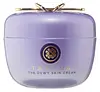
This barrier-repair moisturizer is formulated around Saccharomyces/Rice Ferment Filtrate and Squalane to strengthen the skin barrier and hydrate skin.
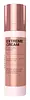
This anti-aging moisturizer is formulated around Squalane and Nicotiana Benthamiana Hexapeptide-40 Sh-Polypeptide-76 to soften the look of wrinkles and strengthen the skin barrier.

What's inside
What's inside
 Key Ingredients
Benefits
Concerns
Ingredients Side-by-side
Water
Skin ConditioningSaccharomyces/Rice Ferment Filtrate
Skin Conditioning


Glycerin
Humectant

Propanediol
Solvent
Dimethicone
Emollient
Squalane
Emollient
Diisostearyl Malate
EmollientBehenyl Alcohol
Emollient
Myristyl Myristate
Emollient


Dipentaerythrityl Hexahydroxystearate
EmulsifyingBis-Diglyceryl Polyacyladipate-2
Emollient
Tridecyl Trimellitate
EmollientInositol
Humectant
Sorbitan Tristearate
EmulsifyingBeheneth-20
EmulsifyingCamellia Sinensis Leaf Extract
Antimicrobial





Cladosiphon Okamuranus Extract
Skin Conditioning
Chondrus Crispus Extract
Skin Conditioning
Betaphycus Gelatinum Extract
BleachingOryza Sativa Bran Extract
Skin Conditioning
Panax Ginseng Root Extract
Emollient
Origanum Majorana Leaf Extract
AntiseborrhoeicThymus Serpyllum Extract
Skin ConditioningMalva Sylvestris Flower Extract
Skin ConditioningSodium Hyaluronate
Humectant
Gold
Cosmetic ColorantSericin
Skin ConditioningPhytosteryl Macadamiate
Skin Conditioning
Tocopherol
Antioxidant

Hydroxyethyl Acrylate/Sodium Acryloyldimethyl Taurate Copolymer
Emulsion StabilisingSorbitan Isostearate
Emulsifying
Polysorbate 60
Emulsifying
Butylene Glycol
Humectant
Dimethicone/Vinyl Dimethicone Crosspolymer
Skin Conditioning
Sodium Benzoate
Masking
Gluconolactone
Chelating


Ethylhexylglycerin
Skin ConditioningParfum
Masking


Alcohol
Antimicrobial

Phenoxyethanol
Preservative
Citral
Perfuming
Limonene
Perfuming
Linalool
Perfuming
Mica
Cosmetic ColorantTin Oxide
Abrasive
CI 77891
Cosmetic ColorantCI 60725
Cosmetic ColorantWater, Saccharomyces/Rice Ferment Filtrate, Glycerin, Propanediol, Dimethicone, Squalane, Diisostearyl Malate, Behenyl Alcohol, Myristyl Myristate, Dipentaerythrityl Hexahydroxystearate, Bis-Diglyceryl Polyacyladipate-2, Tridecyl Trimellitate, Inositol, Sorbitan Tristearate, Beheneth-20, Camellia Sinensis Leaf Extract, Cladosiphon Okamuranus Extract, Chondrus Crispus Extract, Betaphycus Gelatinum Extract, Oryza Sativa Bran Extract, Panax Ginseng Root Extract, Origanum Majorana Leaf Extract, Thymus Serpyllum Extract, Malva Sylvestris Flower Extract, Sodium Hyaluronate, Gold, Sericin, Phytosteryl Macadamiate, Tocopherol, Hydroxyethyl Acrylate/Sodium Acryloyldimethyl Taurate Copolymer, Sorbitan Isostearate, Polysorbate 60, Butylene Glycol, Dimethicone/Vinyl Dimethicone Crosspolymer, Sodium Benzoate, Gluconolactone, Ethylhexylglycerin, Parfum, Alcohol, Phenoxyethanol, Citral, Limonene, Linalool, Mica, Tin Oxide, CI 77891, CI 60725
Water
Skin ConditioningC13-15 Alkane
SolventSqualane
Emollient
Propanediol
Solvent
Polyglyceryl-5 Polyricinoleate
Emulsifying
Bisabolol
Antioxidant
Coco-Caprylate/Caprate
Emollient
Glycerin
Humectant
Magnesium Sulfate
Panthenol
Skin Conditioning
Glyceryl Behenate
Emollient
1,2-Hexanediol
Skin Conditioning
Butylene Glycol
Humectant
Heptapeptide-7
Skin Conditioning
Acetyl Sh-Hexapeptide-5 Amide Acetate
Skin Conditioning
Nicotiana Benthamiana Hexapeptide-40 Sh-Polypeptide-76
Skin Conditioning
Ceramide AP
Skin Conditioning
Ceramide EOP
Skin Conditioning
Ceramide NP
Skin Conditioning
Tremella Fuciformis Extract
Humectant
Allantoin
Skin Conditioning
Oryza Sativa Bran Oil
Emollient
Arginine
Masking
Glycosphingolipids
EmollientPhytosphingosine
Skin Conditioning
Cholesterol
Emollient
Tetraacetylphytosphingosine
Skin ConditioningPolyglyceryl-6 Octastearate
EmulsifyingStearic Acid
Cleansing
Cetearyl Alcohol
Emollient
Glyceryl Glucoside
Humectant
Glyceryl Stearate
Emollient
Hydrogenated Polydecene
EmollientHydrogenated Lecithin
Emulsifying
Lecithin
Emollient
Xanthan Gum
EmulsifyingTocopherol
Antioxidant
Carnosine
Skin Conditioning
Potassium Sorbate
Preservative
Sodium Benzoate
Masking
Phenoxyethanol
Preservative
Citric Acid
Buffering
Quaternium-90 Bentonite
Mica
Cosmetic ColorantTriethyl Citrate
Masking
Zinc Stearate
Cosmetic ColorantEthylhexylglycerin
Skin ConditioningGluconolactone
Chelating
Calcium Gluconate
HumectantHydroxyacetophenone
Antioxidant
Water, C13-15 Alkane, Squalane, Propanediol, Polyglyceryl-5 Polyricinoleate, Bisabolol, Coco-Caprylate/Caprate, Glycerin, Magnesium Sulfate, Panthenol, Glyceryl Behenate, 1,2-Hexanediol, Butylene Glycol, Heptapeptide-7, Acetyl Sh-Hexapeptide-5 Amide Acetate, Nicotiana Benthamiana Hexapeptide-40 Sh-Polypeptide-76, Ceramide AP, Ceramide EOP, Ceramide NP, Tremella Fuciformis Extract, Allantoin, Oryza Sativa Bran Oil, Arginine, Glycosphingolipids, Phytosphingosine, Cholesterol, Tetraacetylphytosphingosine, Polyglyceryl-6 Octastearate, Stearic Acid, Cetearyl Alcohol, Glyceryl Glucoside, Glyceryl Stearate, Hydrogenated Polydecene, Hydrogenated Lecithin, Lecithin, Xanthan Gum, Tocopherol, Carnosine, Potassium Sorbate, Sodium Benzoate, Phenoxyethanol, Citric Acid, Quaternium-90 Bentonite, Mica, Triethyl Citrate, Zinc Stearate, Ethylhexylglycerin, Gluconolactone, Calcium Gluconate, Hydroxyacetophenone
Reviews
Ingredients Explained
These ingredients are found in both products.
Ingredients higher up in an ingredient list are typically present in a larger amount.
Butylene Glycol (or BG) is used within cosmetic products for a few different reasons:
Overall, Butylene Glycol is a safe and well-rounded ingredient that works well with other ingredients.
Though this ingredient works well with most skin types, some people with sensitive skin may experience a reaction such as allergic rashes, closed comedones, or itchiness.
Learn more about Butylene GlycolEthylhexylglycerin is created from glycerin. It is a multitasker ingredient that:
The CIR Expert Panel found minimal skin absorption or sensitization of any kind in a safety assessment. Though this ingredient is considered well-tolerated, a small number of cases of allergic dermatitis have been published since 2002. Just be sure to patch test if you are unsure.
Industry-reported use ranges from 8% in rinse-off products and 2% in leave-on formulations.
Learn more about EthylhexylglycerinGluconolactone is a PHA. PHAs are a great gentle alternative to traditional AHAs.
When applied, Gluconolactone has the same affect on skin as AHAs such as lactic acid. It helps dissolve the dead skin cells in the top layer of your skin. This improves texture and brightens the skin.
PHAs are more gentle than AHAs due to their larger structure. They do not penetrate as deeply as AHAs and take a longer time to dissolve dead cells. Studies show PHAs do not cause as much irritation.
Gluconolactone has some interesting properties:
In a 2004 study, Gluconolactone was found to prevent UV damage in mouse skin cells and has not been found to increase sun sensitivity. However, we still recommend wearing SPF daily.
This ingredient is is an created by reacting gluconic acid with an alcohol.
Learn more about GluconolactoneGlycerin (or glycerol) is a compound naturally found in your skin. It's a powerhouse humectant that pulls water into the stratum corneum.
Topically, glycerin does several things at once:
Your skin makes glycerin on its own (mostly from sebaceous oil breakdown) and shuttles it to your outermost layer of skin, or your epidermis, via aquaporin-3.
Aquaporin-3 is a transporter that is essential for normal skin hydration, elasticity, and repair. Interestingly, mice lacking in AQP3 have dry and less elastic skin that can be fully corrected with glycerin.
This ingredient is non-irritating, plays well with almost every ingredient, and works across all skin types. Typical use is anywhere between 3-10% but can go up to 79% in some leave-on products.
Just know very high concentrations (>40%) can feel tacky in low humidity.
Glycerin is the name for this ingredient in American English. British English uses Glycerol/Glycerine.
Learn more about GlycerinMica is a naturally occurring mineral used to add shimmer and color in cosmetics. It can also help improve the texture of a product or give it an opaque, white/silver color.
Serecite is the name for very fine but ragged grains of mica.
This ingredient is often coated with metal oxides like titanium dioxide. Trace amounts of heavy metals may be found in mica, but these metals are not harmful in our personal products.
Mica has been used since prehistoric times throughout the world. Ancient Egyptian, Indian, Greek, Roman, Aztec, and Chinese civilizations have used mica.
Learn more about MicaPhenoxyethanol is one of the most widely used preservatives in skincare (and for good reason!).
It has a large spectrum of antimicrobial activity and especially effective bacteria, yeast, and mold while only having a weak effect on your skin's natural microbiome.
On a cellular level, it disrupts the cell membranes of microbes by poking holes that make the cell leak. This shuts down the chemical reactions the microbe needs to make energy so it can no longer survive.
Another perk of this ingredient is that it stays functional across a wide pH range (3-10).
You'll often see it paired with boosters like Ethylhexylglycerin; one study showed that a 1:9 ratio of Ethylhexylglycerin to Phenoxyethanol damages bacterial membranes as effectively as doubling the Phenoxyethanol concentration on its own.
Typical use concentrations range from 0.3-1% depending on the formula, and this ingredient is capped at 1% int the EU.
Safety-wise, the fear mongering does not hold up to the evidence. The EU's Scientific Committee on Consumer Safety and FDA consider it safe as a preservative at up to 1%, including for children of all ages.
Adverse systemic effects only showed up in animal studies at exposures roughly 200x higher than what people get from cosmetics. And despite its very widespread use, this ingredient is a rare sensitizer and allergic reactions are uncommon.
Learn more about PhenoxyethanolPropanediol is an all-star ingredient. It softens, hydrates, and smooths the skin.
It’s often used to:
Propanediol is not likely to cause sensitivity and considered safe to use. It is derived from corn or petroleum with a clear color and no scent.
Learn more about PropanediolSodium Benzoate is a preservative. It's used in both cosmetic and food products to inhibit the growth of mold and bacteria. It is typically produced synthetically.
Both the US FDA and EU Health Committee have approved the use of sodium benzoate. In the US, levels of 0.1% (of the total product) are allowed.
Sodium benzoate works as a preservative by inhibiting the growth of bacteria inside of cells. It prevents the cell from fermenting a type of sugar using an enzyme called phosphofructokinase.
It is the salt of benzoic acid. Foods containing sodium benzoate include soda, salad dressings, condiments, fruit juices, wines, and snack foods.
Studies for using ascorbic acid and sodium benzoate in cosmetics are lacking, especially in skincare routines with multiple steps.
We always recommend speaking with a professional, such as a dermatologist, if you have any concerns.
Learn more about Sodium BenzoateSqualane is the hydrogenated and shelf-stable form of squalene (a lipid that naturally occurs in human sebum).
It is an emollient and skin conditioning agent that is able to integrate seamlessly into the skin's lipid barrier without clogging pores.
This is due to how structurally similar it is to what your skin already produces.
Though it is mostly an emollient that helps soften and hydrate skin, it also has some humectant and occlusive action. Humectants help the skin retain moisture while occlusives seal it in, making squalane a triple-threat moisturizer.
Research shows it has antioxidant capabilities that help protect against stressors like UV exposure, specifically UVA induced oxidative stress. This study also found that it supports collagen biosynthesis in human dermal fibroblasts.
No clinical study has reported significant adverse effects and irritation reactions are very rare from this ingredient (even at 100% concentration).
Overall, it's a fantastic ingredient for hydration and is suitable for all skin types.
This depends on the source. Squalane can be derived from both plants and animals. Most squalane used in skincare comes from plants.
Please note: the source of squalane is only known if disclosed by the brand. We recommend reaching out to the brand if you have any questions about their squalane.
Read more about squalene with an "e".
Though squalane is often called an oil, it’s technically not one. It is a hydrocarbon, meaning it is only made of carbon and hydrogen. True oils are triglycerides and made of fatty acids and glycerol.
The term “oil-free” isn’t regulated so companies can define it however they want. Some exclude all oils, while others just avoid mineral oil or comedogenic oils.
Squalane has a comedogenic rating of 1 from the original 1972 study that tested raw ingredients under occlusion on rabbit ears. This system is not standardized or peer-reviewed, and using the raw ingredients is very different from how diluted cosmetic formulations are used on human skin.
A comedogenic rating of 1 means it is "unlikely to clog pores" according to the original rating system.
The overall formula of a product matters more than the individual ingredients on whether or not it will cause clogged pores.
Learn more about SqualaneTocopherol is a fat-soluble antioxidant known as Vitamin E.
You'll find this ingredient in the vast majority of skincare (for good reason). It works to neutralize free radicals, or unstable molecules generated by UV exposure, pollution, and other environmental stressors, before they can cause oxidative damage to your skin cells.
Topically applied tocopherol has been shown to protect against UV damage by ramping up the skin's own natural defense enzymes.
It also acts as a skin conditioning agent; some studies show that regular topical use can improve the skin's water-binding capacity over 2-4 weeks.
This ingredient is especially loved for being a team player. When combined with Vitamin C, the photoprotective effect of both ingredients roughly doubles and the combo also helps reduce UV-induced DNA damage.
This ingredient has some brightening potential but it's more of a prevention ingredient than spot-fader. Cell studies show it can slow down melanin production but it's worth noting that it's not the most powerful brightener out there.
In formulations, it also serves as a stabilizer that helps protect other oxidation-prone ingredients from degrading.
Concentrations usually range from 0.1-1% in most leave-on products.
Learn more about TocopherolWater. It's the most common cosmetic ingredient of all. You'll usually see it at the top of ingredient lists, meaning that it makes up the largest part of the product.
So why is it so popular? Water most often acts as a solvent - this means that it helps dissolve other ingredients into the formulation.
You'll also recognize water as that liquid we all need to stay alive. If you see this, drink a glass of water. Remember to stay hydrated!
Learn more about Water

