
What's inside
What's inside
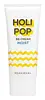 Key Ingredients
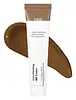
Benefits
Concerns
Ingredients Side-by-side
Water
Skin ConditioningTitanium Dioxide
Cosmetic Colorant

Cyclopentasiloxane
Emollient
Ethylhexyl Methoxycinnamate
UV Absorber
Propylene Glycol
Humectant


Butylene Glycol Dicaprylate/Dicaprate
EmollientDiphenylsiloxy Phenyl Trimethicone
Skin Conditioning
Cetyl PEG/PPG-10/1 Dimethicone
Emulsifying
Hydrogenated Poly(C6-14 Olefin)
EmollientButylene Glycol
Humectant
1,2-Hexanediol
Skin Conditioning
CI 77120
Cosmetic ColorantTribehenin
Emollient
Sorbitan Sesquioleate
Emulsifying
Dimethicone
Emollient
Phenyl Trimethicone
Skin Conditioning
Dimethicone Crosspolymer
Emulsion Stabilising
Hippophae Rhamnoides Extract
MaskingPearl Powder
Sodium Hyaluronate
Humectant


Alteromonas Ferment Filtrate
HumectantCeramide NP
Skin Conditioning

Ceramide AP
Skin Conditioning
Methicone
Emollient
Disteardimonium Hectorite
StabilisingPropylene Carbonate
SolventSodium Chloride
MaskingLecithin
Emollient
Isopropyl Palmitate
Emollient

Isostearic Acid
Cleansing
Polyglyceryl-3 Polyricinoleate
Emulsifying
Triethoxysilylethyl Polydimethylsiloxyethyl Hexyl Dimethicone
Skin Conditioning
Sodium Citrate
BufferingAllantoin
Skin Conditioning
Sodium PCA
Humectant
Sodium Lactate
Buffering
Arginine
Masking
Hydroxyethyl Urea
Humectant
Aspartic Acid
Masking
PCA
Humectant
Glycine
Buffering
Alanine
Masking
Serine
Masking
Valine
MaskingDipotassium Glycyrrhizate
Humectant
Tocopheryl Acetate
Antioxidant


Proline
Skin Conditioning
Threonine
Isoleucine
Skin ConditioningHistidine
Humectant
Phenylalanine
Masking
Polyhydroxystearic Acid
Emulsifying
Ethylhexyl Palmitate
Emollient
Cetearyl Alcohol
Emollient

Glyceryl Stearate
Emollient
Stearic Acid
Cleansing
Ethylhexyl Isononanoate
EmollientPhytosteryl/Isostearyl/Cetyl/Stearyl/Behenyl Dimer Dilinoleate
Skin Conditioning
Hydroxypropyl Bispalmitamide Mea
Emollient
Glycine Soja Sterols
Emollient
Meadowfoam Estolide
Skin ConditioningCetearyl Glucoside
Emulsifying
Hydrogenated Polydecene
EmollientGlycosphingolipids
EmollientButyrospermum Parkii Butter
Skin Conditioning
Ceteareth-20
Cleansing
Glyceryl Citrate/Lactate/Linoleate/Oleate
Emulsifying
Disodium EDTA
ChelatingEthylhexylglycerin
Skin ConditioningCI 77492
Cosmetic ColorantCI 77491
Cosmetic ColorantCI 77499
Cosmetic ColorantParfum
Masking

Water, Titanium Dioxide, Cyclopentasiloxane, Ethylhexyl Methoxycinnamate, Propylene Glycol, Butylene Glycol Dicaprylate/Dicaprate, Diphenylsiloxy Phenyl Trimethicone, Cetyl PEG/PPG-10/1 Dimethicone, Hydrogenated Poly(C6-14 Olefin), Butylene Glycol, 1,2-Hexanediol, CI 77120, Tribehenin, Sorbitan Sesquioleate, Dimethicone, Phenyl Trimethicone, Dimethicone Crosspolymer, Hippophae Rhamnoides Extract, Pearl Powder, Sodium Hyaluronate, Alteromonas Ferment Filtrate, Ceramide NP, Ceramide AP, Methicone, Disteardimonium Hectorite, Propylene Carbonate, Sodium Chloride, Lecithin, Isopropyl Palmitate, Isostearic Acid, Polyglyceryl-3 Polyricinoleate, Triethoxysilylethyl Polydimethylsiloxyethyl Hexyl Dimethicone, Sodium Citrate, Allantoin, Sodium PCA, Sodium Lactate, Arginine, Hydroxyethyl Urea, Aspartic Acid, PCA, Glycine, Alanine, Serine, Valine, Dipotassium Glycyrrhizate, Tocopheryl Acetate, Proline, Threonine, Isoleucine, Histidine, Phenylalanine, Polyhydroxystearic Acid, Ethylhexyl Palmitate, Cetearyl Alcohol, Glyceryl Stearate, Stearic Acid, Ethylhexyl Isononanoate, Phytosteryl/Isostearyl/Cetyl/Stearyl/Behenyl Dimer Dilinoleate, Hydroxypropyl Bispalmitamide Mea, Glycine Soja Sterols, Meadowfoam Estolide, Cetearyl Glucoside, Hydrogenated Polydecene, Glycosphingolipids, Butyrospermum Parkii Butter, Ceteareth-20, Glyceryl Citrate/Lactate/Linoleate/Oleate, Disodium EDTA, Ethylhexylglycerin, CI 77492, CI 77491, CI 77499, Parfum
Water
Skin ConditioningCI 77492
Cosmetic ColorantEthylhexyl Methoxycinnamate
UV Absorber
Butylene Glycol
Humectant
Cyclopentasiloxane
Emollient
Ethylhexyl Salicylate
UV Absorber
Lauryl Polyglyceryl-3 Polydimethylsiloxyethyl Dimethicone
Skin Conditioning
Hydrogenated Poly(C6-14 Olefin)
EmollientNiacinamide
Smoothing





Zinc Oxide
Cosmetic Colorant
Cyclohexasiloxane
Emollient
CI 77891
Cosmetic ColorantCI 77491
Cosmetic ColorantCI 77499
Cosmetic ColorantSodium Chloride
MaskingDisteardimonium Hectorite
StabilisingSorbitan Sesquioleate
Emulsifying
Mica
Cosmetic ColorantTriethoxycaprylylsilane
Zinc Stearate
Cosmetic ColorantDextrin Palmitate
Emulsifying
Caprylyl Glycol
Emollient
Panthenol
Skin Conditioning
Allantoin
Skin Conditioning
Centella Asiatica Extract
Cleansing
Dimethicone/Vinyl Dimethicone Crosspolymer
Skin Conditioning
Aluminum Hydroxide
EmollientCaprylhydroxamic Acid
ChelatingGlycerin
Humectant
Adenosine
Skin Conditioning
1,2-Hexanediol
Skin Conditioning
Tocopherol
Antioxidant
Madecassoside
Antioxidant
Asiaticoside
Antioxidant
Asiatic Acid
Skin Conditioning
Madecassic Acid
Skin Conditioning
Water, CI 77492, Ethylhexyl Methoxycinnamate, Butylene Glycol, Cyclopentasiloxane, Ethylhexyl Salicylate, Lauryl Polyglyceryl-3 Polydimethylsiloxyethyl Dimethicone, Hydrogenated Poly(C6-14 Olefin), Niacinamide, Zinc Oxide, Cyclohexasiloxane, CI 77891, CI 77491, CI 77499, Sodium Chloride, Disteardimonium Hectorite, Sorbitan Sesquioleate, Mica, Triethoxycaprylylsilane, Zinc Stearate, Dextrin Palmitate, Caprylyl Glycol, Panthenol, Allantoin, Centella Asiatica Extract, Dimethicone/Vinyl Dimethicone Crosspolymer, Aluminum Hydroxide, Caprylhydroxamic Acid, Glycerin, Adenosine, 1,2-Hexanediol, Tocopherol, Madecassoside, Asiaticoside, Asiatic Acid, Madecassic Acid
Reviews
Ingredients Explained
These ingredients are found in both products.
Ingredients higher up in an ingredient list are typically present in a larger amount.
1,2-Hexanediol is a synthetic liquid and another multi-functional powerhouse.
It is a:
- Humectant, drawing moisture into the skin
- Emollient, helping to soften skin
- Solvent, dispersing and stabilizing formulas
- Preservative booster, enhancing the antimicrobial activity of other preservatives
Allantoin is a soothing ingredient known for its protective and moisturizing properties; it's basically a quiet workhorse ingredient you can find in a huge range of cosmetics.
Though it can be derived from the comfrey plant, allantoin is produced synthetically for cosmetic products to ensure purity.
Research shows it can encourage your skin cells to turn over and renew by stimulating keratinocyte and fibroblast proliferation.
It also has mild keratolytic properties to help loosen and shed dead skin cells without being harsh.
Studies also suggest allantoin can help calm inflammation by dialing down some of the chemical signals your skin sends out when it is irritated.
This ingredient is typically used in the 0.1-0.5% range, and the FDA recognizes it as a skin protectant in OTC products up to 2%.
Overall, allantoin is a wonderful addition to most routines; it is stable across a wide pH range (~4-8), works well with other ingredients, and is considered non-sensitizing/non-irritating.
Fun fact: Allantoin is naturally occurring in comfrey root, beets, chamomile, and wheat sprouts. Our bodies even produce it as a byproduct of uric acid metabolism.
Learn more about AllantoinButylene Glycol (or BG) is used within cosmetic products for a few different reasons:
Overall, Butylene Glycol is a safe and well-rounded ingredient that works well with other ingredients.
Though this ingredient works well with most skin types, some people with sensitive skin may experience a reaction such as allergic rashes, closed comedones, or itchiness.
Learn more about Butylene GlycolCi 77491 is also hydrated iron III oxide. It's sole purpose is to give a red/pink hue to products.
Iron III oxides are classified as inorganic chemicals for coloring.
Synthetically created Ci 77491 is considered safer than those naturally found. This is because the synthetically created version may contain less impurities. Iron oxides are generally non-toxic and non-allergenic.
Learn more about CI 77491CI 77492 is also hydrated iron III oxide. It's sole purpose is to give a yellow hue to products.
Iron III oxides are classified as inorganic chemicals for coloring.
Synthetically created CI 77492 is considered safer than those naturally found. This is because the synthetically created version may contain less impurities. Iron oxides are generally non-toxic and non-allergenic.
Learn more about CI 77492Ci 77499 is also hydrated iron III oxide. It is created from mixing red and black iron oxides. This helps give shades of darkness to a product.
Iron III oxides are classified as inorganic chemicals for coloring.
Cyclopentasiloxane (D5) is a lightweight silicone that mostly acts as an emollient and solvent in cosmetics. Its the reason your products feel silky, fast-spreading, and non-greasy.
Since D5 is volatile, it does its thing and then evaporates off the skin quickly.
The safety profile of this ingredient is reassuring; the US CIR Expert Panel concluded D5 is safe as used in cosmetics and Health Canada concluded that D5 is not harmful to human health or the environment as currently used in cosmetics
There's a study that people mention about D5 in a rat study showing tumors. This study is related to long-term inhalation of high D5 levels.
Regulatory bodies have judged this study to be not applicable in topical skincare since skin absorption of D5 is very low and we're not really inhaling huge amounts of D5.
The only restriction for this ingredient is environmental. The European Chemicals Agency (ECHA) restricted D5 in wash-off cosmetics at or above 0.1% due to their persistence in water.
Learn more about CyclopentasiloxaneDisteardimonium Hectorite comes from the clay mineral named hectorite. It is used to add thickness to a product.
It can also help stabilize a product by helping to disperse other ingredients.
Hectorite is a rare, white clay mineral.
Learn more about Disteardimonium HectoriteThis ingredient is also known as Octinoxate and is one of the oldest and most widely used chemical UV filters in skincare.
It has a simple job: soap up UVB radiation (290-320 nm), the wavelengths responsible for sunburn and a big chunk of long-term sun damage.
In formulas, it's always paired with a separate UVA filter because octinoxate solely protects skin from UVB.
Because it's an oil-soluble liquid, it's easy to blend into the oil phase of lotions/creams and gives a cosmetically elegant feel.
The one quirk about formulating this ingredient is photostability; the molecule slowly changes shape into a less effective version when sunlight hits it. So the longer you're in the sun, the weaker its protection gets. The drop can be more than 30% in some formulas.
It also doesn't play nice with Avobenzone (the common UVA filter) since avobenzone destabilizes octinoxate and the two degrade each other. But don't worry: brands have solved this issue by adding photostabilizers like Tinosorb S to prevent degradation and keep SPF stable under heavy UV exposure.
The maximum allowed level is 10% in the EU and Australia, 7.5% in the US and Canada, and 20% in Japan.
The Cosmetic Ingredient Review Panel has concluded this ingredient to be safe in cosmetics up to 10%.
One last thing worth knowing for context:
Octinoxate has been the subject of ongoing review in Europe where the Scientific Committee on Consumer Safety's (SCCS) 2025 final opinion is that this ingredient is an endocrine-active substance.
Lab and animal studies suggest it can act a bit like a hormone in the body (mildly mimicking estrogen and slightly blocking male hormones). It's important to know this hasn't really been shown to happen in everyday human use.
This ingredient is also banned in Hawaii over coral reef concerns.
Learn more about Ethylhexyl MethoxycinnamateThis ingredient is a synthetic ingredient with emollient and skin conditioner used to make skincare products feel more lightweight on the skin. It helps improve slip and spreadability without feeling greasy.
Because it is high molecular weight and lipophilic (oil loving), it remains on the surface of skin.
Chances are, you eat sodium chloride every day. Sodium Chloride is also known as table salt. This ingredient has many purposes in skincare: thickener, emulsifier, and exfoliator.
You'll most likely find this ingredient in cleansers where it is used to create a gel-like texture. As an emulsifier, it also prevents ingredients from separating.
You might see people debate whether Sodium Chloride is comedogenic, but there actually haven't been any comedogenic tests done on it. Either way, the overall formulation of a product matters a lot more than any single ingredient.
You might see this ingredient used in scrubs as a primary exfoliating ingredient.
Learn more about Sodium ChlorideSorbitan Sesquioleate is derived from sorbitol and oleic acid. It is an emulsifier and prevents ingredients from separating.
Specifically, this ingredient is a water-in-oil emulsifier, meaning it helps water dissolve into oil.
Some studies suggest this ingredient may cause irritation in some people. If you are unsure, it is best to patch test.
This ingredient may not be Malassezia folliculitis, or fungal-acne safe due to the oleic acid. In vitro studies have shown that Oleic Acid is one of the fatty acids that induce rapid Malassezia growth in lab settings.
This ingredient does have a comedogenic rating of 0-1. The original test stated 0-1 meant an ingredient is unlikely to cause comedones.
Just remember human testing has proved that any finished product with a comedogenic ingredient won't automatically make you break out; it really comes down to concentration, formula, and your skin.
Learn more about Sorbitan SesquioleateWater. It's the most common cosmetic ingredient of all. You'll usually see it at the top of ingredient lists, meaning that it makes up the largest part of the product.
So why is it so popular? Water most often acts as a solvent - this means that it helps dissolve other ingredients into the formulation.
You'll also recognize water as that liquid we all need to stay alive. If you see this, drink a glass of water. Remember to stay hydrated!
Learn more about Water

