

What's inside
What's inside
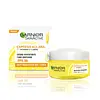 Key Ingredients
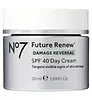
Benefits
Concerns
Ingredients Side-by-side
Water
Skin ConditioningOctocrylene
UV Absorber


Ethylhexyl Salicylate
UV Absorber
Butyl Methoxydibenzoylmethane
UV Absorber
Niacinamide
Smoothing










Dimethicone
Emollient
Ethylhexyl Triazone
UV Absorber
Dicaprylyl Carbonate
EmollientStearic Acid
Cleansing

Palmitic Acid
Emollient
Potassium Cetyl Phosphate
EmulsifyingGlycerin
Humectant
Silica
Abrasive
Phenylbenzimidazole Sulfonic Acid
UV Absorber
PEG-100 Stearate
C13-14 Isoparaffin
Emollient
CI 77891
Cosmetic ColorantPotassium Hydroxide
BufferingTitanium Dioxide
Cosmetic Colorant
Linalool
Perfuming

Geraniol
Perfuming
Carbomer
Emulsion StabilisingGlyceryl Stearate
Emollient
Talc
Abrasive
Triethanolamine
BufferingParfum
Masking
Myristic Acid
Cleansing
Aluminum Hydroxide
EmollientPhenoxyethanol
Preservative
Limonene
Perfuming
Tocopheryl Acetate
Antioxidant

Ascorbyl Glucoside
Antioxidant

Tocopherol
Antioxidant
Dipropylene Glycol
HumectantCaprylyl Glycol
Emollient
Capryloyl Salicylic Acid
Exfoliating
Laureth-7
EmulsifyingTetrasodium EDTA
Citrus Limon Fruit Extract
Masking
Citronellol
Perfuming
Hydroxycitronellal
Perfuming
Citrus Junos Fruit Extract
Skin ConditioningMaltodextrin
Absorbent
Cetyl Alcohol
Emollient
Polyacrylamide
Hexyl Cinnamal
Perfuming
Benzyl Salicylate
Perfuming
Benzyl Alcohol
Perfuming

Water, Octocrylene, Ethylhexyl Salicylate, Butyl Methoxydibenzoylmethane, Niacinamide, Dimethicone, Ethylhexyl Triazone, Dicaprylyl Carbonate, Stearic Acid, Palmitic Acid, Potassium Cetyl Phosphate, Glycerin, Silica, Phenylbenzimidazole Sulfonic Acid, PEG-100 Stearate, C13-14 Isoparaffin, CI 77891, Potassium Hydroxide, Titanium Dioxide, Linalool, Geraniol, Carbomer, Glyceryl Stearate, Talc, Triethanolamine, Parfum, Myristic Acid, Aluminum Hydroxide, Phenoxyethanol, Limonene, Tocopheryl Acetate, Ascorbyl Glucoside, Tocopherol, Dipropylene Glycol, Caprylyl Glycol, Capryloyl Salicylic Acid, Laureth-7, Tetrasodium EDTA, Citrus Limon Fruit Extract, Citronellol, Hydroxycitronellal, Citrus Junos Fruit Extract, Maltodextrin, Cetyl Alcohol, Polyacrylamide, Hexyl Cinnamal, Benzyl Salicylate, Benzyl Alcohol
Water
Skin ConditioningC12-15 Alkyl Benzoate
AntimicrobialGlycerin
Humectant
Octocrylene
UV Absorber
Ethylhexyl Salicylate
UV Absorber
Butyl Methoxydibenzoylmethane
UV Absorber
Dibutyl Adipate
EmollientBis-Ethylhexyloxyphenol Methoxyphenyl Triazine
Skin Conditioning
Methylene Bis-Benzotriazolyl Tetramethylbutylphenol
UV Filter
Polyglyceryl-6 Stearate
Emollient
Propanediol
Solvent
Ethylhexyl Triazone
UV Absorber
Tribehenin
Emollient
Niacinamide
Smoothing
Aluminum Starch Octenylsuccinate
Absorbent
Ammonium Acryloyldimethyltaurate/Vp Copolymer
Phenoxyethanol
Preservative
Butyrospermum Parkii Butter
Skin Conditioning
Cetearyl Alcohol
Emollient
Tocopheryl Acetate
Antioxidant
Potassium Cetyl Phosphate
EmulsifyingDecyl Glucoside
CleansingPanthenol
Skin Conditioning
Polysorbate 20
Emulsifying
Caprylyl Glycol
Emollient
Caprylhydroxamic Acid
Parfum
Masking
Xanthan Gum
EmulsifyingSodium Hyaluronate
Humectant
Ethylhexylglycerin
Skin ConditioningHydrolyzed Rice Protein
Skin ConditioningPropylene Glycol
Humectant
Dipropylene Glycol
HumectantAscorbyl Glucoside
Antioxidant
Polyglyceryl-6 Behenate
Emulsion Stabilising
Tetrasodium EDTA
Potassium Hydroxide
BufferingT-Butyl Alcohol
Perfuming
Pentylene Glycol
Skin ConditioningSodium Benzoate
Masking
Morus Alba Leaf Extract
Skin ConditioningPalmitoyl Tetrapeptide-94

Palmitoyl Tetrapeptide-95
Water, C12-15 Alkyl Benzoate, Glycerin, Octocrylene, Ethylhexyl Salicylate, Butyl Methoxydibenzoylmethane, Dibutyl Adipate, Bis-Ethylhexyloxyphenol Methoxyphenyl Triazine, Methylene Bis-Benzotriazolyl Tetramethylbutylphenol, Polyglyceryl-6 Stearate, Propanediol, Ethylhexyl Triazone, Tribehenin, Niacinamide, Aluminum Starch Octenylsuccinate, Ammonium Acryloyldimethyltaurate/Vp Copolymer, Phenoxyethanol, Butyrospermum Parkii Butter, Cetearyl Alcohol, Tocopheryl Acetate, Potassium Cetyl Phosphate, Decyl Glucoside, Panthenol, Polysorbate 20, Caprylyl Glycol, Caprylhydroxamic Acid, Parfum, Xanthan Gum, Sodium Hyaluronate, Ethylhexylglycerin, Hydrolyzed Rice Protein, Propylene Glycol, Dipropylene Glycol, Ascorbyl Glucoside, Polyglyceryl-6 Behenate, Tetrasodium EDTA, Potassium Hydroxide, T-Butyl Alcohol, Pentylene Glycol, Sodium Benzoate, Morus Alba Leaf Extract, Palmitoyl Tetrapeptide-94, Palmitoyl Tetrapeptide-95
Reviews
Ingredients Explained
These ingredients are found in both products.
Ingredients higher up in an ingredient list are typically present in a larger amount.
Ascorbyl Glucoside is a stable form of Vitamin C. It is created by combining glucose from starch.
When applied to skin, Ascorbyl Glucoside turns into Ascorbic Acid.
Ascorbyl Glucoside is an antioxidant. Antioxidants help fight free-radicals, or molecules that may damage skin cells.
It can help to reduce redness, improve skin texture, reduce the effects of aging, reduce the visibility of dark spots, and brighten skin.
Read more about other types of Vitamin C:
Learn more about Ascorbyl GlucosideAlso known as Avobenzone, this ingredient is a chemical sunscreen filter that provides protection in the UV-A range.
Avobenzone is globally approved and is the most commonly used UV-A filter in the world.
Studies have found that avobenzone becomes ineffective when exposed to UV light (it is not photostable; meaning that it breaks down in sunlight). Because of this, formulations that include avobenzone will usually contain stabilizers such as octocrylene.
However, some modern formulations (looking at you, EU!) are able to stabilize avobenzone by coating the molecules.
Avobenzone does not protect against the UV-B range, so it's important to check that the sunscreen you're using contains other UV filters that do!
The highest concentration of avobenzone permitted is 3% in the US, and 5% in the EU.
Learn more about Butyl MethoxydibenzoylmethaneCaprylyl Glycol is a humectant and emollient, meaning it attracts and preserves moisture.
It is a common ingredient in many products, especially those designed to hydrate skin. The primary benefits are retaining moisture, skin softening, and promoting a healthy skin barrier.
Though Caprylyl Glycol is an alcohol derived from fatty acids, it is not the kind that can dry out skin.
This ingredient is also used as a preservative to extend the life of products. It has slight antimicrobial properties.
Learn more about Caprylyl GlycolDipropylene Glycol is a synthetically created humectant, stabilizer, and solvent.
This ingredient helps:
Dipropylene glycol is technically an alcohol, but it belongs to the glycol family (often considered part of the ‘good’ alcohols). This means it is hydrating and gentle on skin unlike drying solvent alcohols like denatured alcohol.
As a masking agent, Dipropylene Glycol can be used to cover the smell of other ingredients. However, it does not have a scent.
Studies show Dipropylene Glycol is considered safe to use in skincare.
Learn more about Dipropylene GlycolEthylhexyl Salicylate is an organic compound used to block UV rays. It primarily absorbs UVB rays but offers a small amount of UVA protection as well.
Commonly found in sunscreens, Ethylhexyl Salicylate is created from salicylic acid and 2-ethylhexanol. You might know salicylic acid as the effective acne fighter ingredient and BHA.
The ethylhexanol in this ingredient is a fatty alcohol and helps hydrate your skin, similar to oils. It is an emollient, which means it traps moisture into the skin.
According to manufacturers, Ethylhexyl Salicylate absorbs UV wavelength of 295-315 nm, with a peak absorption at 307-310 nm. UVA rays are linked to long term skin damage, such as hyperpigmentation. UVB rays emit more energy and are capable of damaging our DNA. UVB rays cause sunburn.
Learn more about Ethylhexyl SalicylateEthylhexyl Triazone is a modern chemical sunscreen that protects from UV-B radiation.
It is the most effective of existing UV-B filters, as it provides the highest level of photo-stable absorption. It protects from the entire UV-B range (280 to 320nm), with it's highest level of protection at 314nm.
Ethylhexyl Triazone is oil soluble, oderless and colorless, which mean it is able to be incorporated into a variety of different formulations.
It is not currently available within the United States due to slow changing FDA regulations. Outside of the US, it is used in formulations at concentrations up to 5%.
Learn more about Ethylhexyl TriazoneGlycerin is already naturally found in your skin. It helps moisturize and protect your skin.
A study from 2016 found glycerin to be more effective as a humectant than AHAs and hyaluronic acid.
As a humectant, it helps the skin stay hydrated by pulling moisture to your skin. The low molecular weight of glycerin allows it to pull moisture into the deeper layers of your skin.
Hydrated skin improves your skin barrier; Your skin barrier helps protect against irritants and bacteria.
Glycerin has also been found to have antimicrobial and antiviral properties. Due to these properties, glycerin is often used in wound and burn treatments.
In cosmetics, glycerin is usually derived from plants such as soybean or palm. However, it can also be sourced from animals, such as tallow or animal fat.
This ingredient is organic, colorless, odorless, and non-toxic.
Glycerin is the name for this ingredient in American English. British English uses Glycerol/Glycerine.
Learn more about GlycerinNiacinamide is a multitasking form of vitamin B3 that strengthens the skin barrier, reduces pores and dark spots, regulates oil, and improves signs of aging.
And the best part? It's gentle and well-tolerated by most skin types, including sensitive and reactive skin.
You might have heard of "niacin flush", or the reddening of skin that causes itchiness. Niacinamide has not been found to cause this.
In very rare cases, some individuals may not be able to tolerate niacinamide at all or experience an allergic reaction to it.
If you are experiencing flaking, irritation, and dryness with this ingredient, be sure to double check all your products as this ingredient can be found in all categories of skincare.
When incorporating niacinamide into your routine, look out for concentration amounts. Typically, 5% niacinamide provides benefits such as fading dark spots. However, if you have sensitive skin, it is better to begin with a smaller concentration.
When you apply niacinamide to your skin, your body converts it into nicotinamide adenine dinucleotide (NAD). NAD is an essential coenzyme that is already found in your cells as "fuel" and powers countless biological processes.
In your skin, NAD helps repair cell damage, produce new healthy cells, support collagen production, strengthen the skin barrier, and fight environmental stressors (like UV and pollution).
Our natural NAD levels start to decline with age, leading to slower skin repair, visible aging, and a weaker skin barrier. By providing your skin niacinamide, you're recharging your skin's NAD levels. This leads to stronger, healthier, and younger looking skin.
Another name for vitamin B3 is nicotinamide. This vitamin is water-soluble and our bodies don't store it. We obtain Vitamin B3 from either food or skincare. Meat, fish, wheat, yeast, and leafy greens contain vitamin B3.
The type of niacinamide used in skincare is synthetically created.
Learn more about NiacinamideOctocrylene protects skin from sun damage. It absorbs UV-B with peak absorption of 304 nm. It is a common sunscreen ingredient and often paired with avobenzone, a UVA filter. This is because octocrylene stabilizes other sunscreen ingredients by protecting them from degradation when exposed to sunlight. Octocrylene is a photostable ingredient and loses about 10% of SPF in 95 minutes.
Octocrylene also acts as an emollient, meaning it helps skin retain moisture and softens skin. It is oil-soluble and hydrophobic, enhancing water-resistant properties in a product.
Those who are using ketoprofen, a topical anti-inflammatory drug, may experience an allergic reaction when using octocrylene. It is best to speak with a healthcare professional about using sunscreens with octocrylene.
The EU allows a maximum of these concentrations:
Learn more about OctocryleneParfum is a catch-all term for an ingredient or more that is used to give a scent to products.
Also called "fragrance", this ingredient can be a blend of hundreds of chemicals or plant oils. This means every product with "fragrance" or "parfum" in the ingredients list is a different mixture.
For instance, Habanolide is a proprietary trade name for a specific aroma chemical. When used as a fragrance ingredient in cosmetics, most aroma chemicals fall under the broad labeling category of “FRAGRANCE” or “PARFUM” according to EU and US regulations.
The term 'parfum' or 'fragrance' is not regulated in many countries. In many cases, it is up to the brand to define this term.
For instance, many brands choose to label themselves as "fragrance-free" because they are not using synthetic fragrances. However, their products may still contain ingredients such as essential oils that are considered a fragrance by INCI standards.
One example is Calendula flower extract. Calendula is an essential oil that still imparts a scent or 'fragrance'.
Depending on the blend, the ingredients in the mixture can cause allergies and sensitivities on the skin. Some ingredients that are known EU allergens include linalool and citronellol.
Parfum can also be used to mask or cover an unpleasant scent.
The bottom line is: not all fragrances/parfum/ingredients are created equally. If you are worried about fragrances, we recommend taking a closer look at an ingredient. And of course, we always recommend speaking with a professional.
Learn more about ParfumPhenoxyethanol is a preservative that has germicide, antimicrobial, and aromatic properties. Studies show that phenoxyethanol can prevent microbial growth. By itself, it has a scent that is similar to that of a rose.
It's often used in formulations along with Caprylyl Glycol to preserve the shelf life of products.
Potassium Cetyl Phosphate is the potassium salt of a mixture. This mixture consists of the esters from phosphoricacid and cetyl alcohol.
Potassium Cetyl Phosphate is an emulsifier and cleansing agent. Emulsifiers help stabilize a product. It does this by preventing certain ingredients from separating.
As a cleansing agent, Potassium Cetyl Phosphate helps gather oils, dirts, and pollutants from your skin. This makes it easier to rinse them away with water.
Learn more about Potassium Cetyl PhosphatePotassium hydroxide is commonly known as caustic potash. It is used to fix the pH of a product or as a cleaning agent in soap. In cleansers, it is used for the saponification of oils.
Sapnification is the process of creating fatty acid metal salts from triglycerides and a strong base. During this process, Potassium Hydroxide is used up and is not present in the final product.
Using high concentrations of Potassium Hydroxide have shown to irritate the skin.
Learn more about Potassium HydroxideTetrasodium EDTA is the salt formed from neutralizing ethylenediamine tetraacetic acid with sodium hydroxide. It is a chelating agent and used to prevent metal ions from binding to other ingredients. This helps keep the product and ingredients stable.
Tetrasodium EDTA comes as a white solid and is soluble in water.
Tocopheryl Acetate is AKA Vitamin E. It is an antioxidant and protects your skin from free radicals. Free radicals damage the skin by breaking down collagen.
One study found using Tocopheryl Acetate with Vitamin C decreased the number of sunburned cells.
Tocopheryl Acetate is commonly found in both skincare and dietary supplements.
Learn more about Tocopheryl AcetateWater. It's the most common cosmetic ingredient of all. You'll usually see it at the top of ingredient lists, meaning that it makes up the largest part of the product.
So why is it so popular? Water most often acts as a solvent - this means that it helps dissolve other ingredients into the formulation.
You'll also recognize water as that liquid we all need to stay alive. If you see this, drink a glass of water. Stay hydrated!
Learn more about Water
